
 Natal
Natal Mercury
 Cancer (12th house)
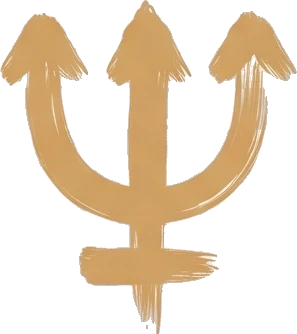 Neptune in
 Introduction
This conjunction is one of the most intimate and enduring knots of the personality, as it merges two fundamental functions of the psyche: the capacity for rational thought, language, and information processing, and the capacity for intuition, spiritual connection, and dissolution of ego boundaries. Placed in the sign of emotional depth and the house of the unconscious, this pairing does not operate as a surface-level trait but as the foundational lens through which the person experiences, interprets, and expresses their inner and outer world. Unlike aspects that govern external life events, this configuration shapes the very architecture of the mind, making it a lifelong, immutable channel of perception and communication that defines how the person relates to the unspoken, the hidden, and the emotional undercurrents of all experience.
The Nature of the Aspect
This is a tight natal conjunction (☌), with an orb well within the classical 8° limit for Mercury-Neptune pairings, meaning the two planetary functions are fully fused with no separation between their energies. As a conjunction, this aspect creates total interpenetration rather than tension or easy flow: the rational, discriminative function of Mercury is entirely saturated with the formless, boundary-dissolving energy of Neptune, with no space between the two to create internal conflict or effortless ease. Mercury is a neutral planet by classical definition, meaning it adopts the nature of any planet it conjoins; here, it loses its usual sharp, quick, discriminative quality and becomes a direct conduit for Neptunian energy. Mercury is one of the fastest planets in the solar system, completing its orbit in 88 days, while Neptune is one of the slowest, taking 165 years to orbit the Sun; this fusion means the person’s mental processes are slowed by Neptune’s deep, long-term energy, so they do not have the quick, sharp wit typical of strong Mercury placements, but instead develop slow, profound insights that take years to fully form and articulate. If the conjunction is applying at the time of birth, it operates as an inexorable inner demand to merge thought with intuition and emotion, a drive that feels unavoidable and central to the person’s identity; if separating, it indicates the person has already begun to master this fusion, though the core dynamic remains present for life. Unlike hard aspects that spur action through friction, or harmonious aspects that operate effortlessly, this conjunction requires conscious integration to avoid its shadow expressions, as the merged functions can easily blur the line between insight and illusion, leaving the person unable to tell what is a genuine intuitive knowing and what is a fantasy or wishful thinking.
Symbolism and Mythology
The archetype of Mercury is the winged messenger of the gods, the psychopomp who travels between the realms of the conscious and the unconscious, the divine and the mortal, carrying clear, distinct messages and mediating between opposing forces. He is the patron of language, reason, wit, and the discriminative mind that can tell one thing from another, draw boundaries between self and other, and organize experience into coherent thought. In some ancient traditions, he is also the patron of poetry and music, the arts that translate the unspoken into form, a trait that aligns closely with Neptunian energy. Neptune, by contrast, is the god of the sea, the ruler of the boundless, formless deep that predates all separation: he is the realm of dreams, illusion, spiritual transcendence, and the collective unconscious, where all boundaries between self and other, real and imagined, conscious and unconscious dissolve into the swirling tides of the unknown. He is also the patron of artistic inspiration, spiritual ecstasy, and the divine madness that overtakes the rational mind in moments of profound creativity.
Their mythological meeting takes place in the dark, moonlit depths of the ocean, where Mercury, the messenger who normally navigates clear paths, descends into the currents of the deep and loses his ability to carry distinct, logical messages. Instead, he becomes a carrier of the whispers of the sea: the unspoken emotions, the half-remembered dreams, the intuitive knowings that have no words. In ancient mystery traditions, the 12th house was known as the "hidden temple", the realm where initiates entered to receive divine inspiration and shed the illusions of the material world; this conjunction represents that initiate’s journey, where the rational mind (Mercury) surrenders to the wisdom of the deep (Neptune) in the hidden, emotional realm (Cancer, the 12th house) to receive gifts that cannot be accessed through logic alone. The fusion of these two archetypes represents the moment when the discriminative mind merges with the formless unconscious, losing its ability to separate but gaining the capacity to translate the unspoken language of the deep into form.
The Principles of the Planets in the Chart
Mercury in the Chart
In its default expression, Mercury governs the rational, discriminative mind: the capacity for logical thought, clear communication, language, learning, wit, and the ability to process and organize information. It is the function that draws boundaries between self and other, fact and fantasy, conscious and unconscious, and translates experience into coherent, shareable language. In this aspect, however, Mercury is entirely saturated by Neptunian energy, losing its usual sharp, analytical edge. It no longer operates through rigid logic or distinct categories, but instead processes information through emotional intuition, absorbing the unspoken emotional undercurrents of every situation and person it encounters. Its function becomes the translation of the formless, unspoken language of the unconscious into words, images, or creative form, rather than the organization of concrete, material facts. Because it is placed in Cancer, a water sign of emotional depth, its mental processes are slow, deliberate, and deeply tied to feeling: it does not think in abstract concepts, but in images, memories, and emotional resonances. Classical sources note that Mercury operates more sluggishly in water signs than in air or fire signs, as its natural quickness is tempered by the slow, feeling-focused energy of Cancer. Its placement in the 12th house further hides its function from the conscious will: thoughts often arise from the depths of the unconscious without warning, and the person may struggle to articulate their ideas clearly to others, as their mental landscape is populated by dreams, half-formed intuitions, and the collective emotional currents of the world around them.
Neptune in the Chart
In its default expression, Neptune is the higher octave of Venus, governing the formless realms of the unconscious, spiritual transcendence, compassion, creativity, illusion, and the dissolution of all ego boundaries. It is the function that connects the individual to the collective unconscious, the realm of dreams, ideals, and the unseen forces that shape human experience. It can manifest as profound spiritual insight, artistic genius, and boundless empathy, or as confusion, escapism, addiction, and the inability to distinguish reality from fantasy. In this chart, Neptune is placed in its natural domicile of the 12th house, where its energy is unfiltered and operates at full strength, unmediated by the constraints of the material, conscious world. Its placement in Cancer, a water sign of emotional depth and intuition, softens its usual diffuse, impersonal quality, tying its transcendent energy to the personal emotional realm: the person’s spiritual and intuitive experiences are deeply rooted in their personal feelings, memories, and attachments, rather than being abstract or universal. Without the fusion with Mercury, this placement would create a vague, dreamy, ungrounded energy, but its conjunction with Mercury gives it a channel for expression through thought, language, and communication.
The Combined Influence
The conjunction creates a single, unified scenario where the person’s entire mental, communicative, and perceptual life is filtered through the formless, emotional, unconscious realm. There is no separation between the rational mind and the intuitive, spiritual, or emotional self: every thought is tinged with feeling, every piece of information is processed for its hidden, symbolic meaning rather than its literal content, and every communication carries the unspoken emotional undercurrents of the speaker. This pairing eliminates the usual function of Mercury as a boundary-drawing, discriminative function: the person cannot easily tell where their own thoughts end and the emotions or thoughts of others begin, as their mind is porous to the collective emotional and unconscious currents around them. The core dynamic of this merged function is the constant translation of the formless, unspoken language of the deep unconscious into tangible form: whether through words, art, music, healing work, or spiritual practice, the person’s core drive is to give shape to the things that have no words.
Expression in Sign and House
The Influence of Cancer
Cancer, a cardinal water sign ruled by the Moon, ties the merged Mercury-Neptune function to the personal emotional realm, memory, and the need for safety and belonging. Unlike a placement in a more detached air sign, this pairing does not process abstract or impersonal information: every piece of data, every interaction, is filtered through the lens of personal feeling, emotional memory, and the desire for connection and security. The person’s intuitive insights are deeply rooted in their lived emotional experience, often tied to memories of childhood, home, and family, and they have a natural ability to sense the emotional needs of others related to safety, belonging, and care. Their creative or communicative expression is often focused on themes of home, family, emotional healing, and the inner world, and they may feel a strong urge to nurture others through their words or art. The slow, deliberate mental tempo of Cancer, noted in classical sources as making Mercury more sluggish than in air or fire signs, means this person does not think quickly or sharply in debate: instead, their insights arrive slowly, like the rising tide, often after periods of solitude or emotional reflection.
The Influence of the 12th House
The 12th house is the natural domicile of Neptune, the realm of the unconscious, hidden things, solitude, spirituality, and the collective unconscious. Placing the Mercury-Neptune conjunction here means the merged function operates largely outside the conscious, material world: the person’s thoughts, intuitions, and creative ideas arise from the depths of the unconscious, often without their conscious effort, and they may struggle to articulate these ideas to others in everyday, practical conversation. The 12th house governs institutions that serve the hidden, marginalized, or suffering, so this placement often draws the person to work in hospitals, prisons, rehabilitation centers, spiritual communities, or artistic fields that explore the unconscious (psychology, poetry, film, music). It also creates a strong need for regular solitude: the person is easily overwhelmed by the noise and emotional intensity of the external world, and requires time alone to process the constant influx of unconscious material that their porous mind absorbs. The 12th house also governs things that are hidden from view, so the person may have secret talents, private creative projects, or psychic sensitivities that they keep hidden from others for fear of being misunderstood.
Combined Influence across Positions
The pairing of Cancer and the 12th house amplifies the emotional, intuitive, and hidden nature of the conjunction, creating a mind that is a living repository of collective emotional and unconscious material, filtered through the personal lens of individual feeling and memory. The person may experience vivid, emotionally charged dreams that carry important messages for their waking life, have a natural talent for understanding the hidden motivations and unspoken emotions of others, and feel a deep, often spiritual connection to the collective human experience of suffering, longing, and belonging. At the same time, this placement can create a tendency to retreat into the inner world to avoid the harshness of material reality, to absorb the negative emotions of others without being able to distinguish them from their own, and to struggle with practical, everyday tasks that require sharp, logical thinking.
Differences Between the Male and Female Chart
The Male Chart
- In the diurnal (male) chart, planetary energies are encouraged to express outwardly, so the man with this aspect is more likely to share his intuitive insights, creative work, or spiritual ideas with others, rather than keeping them private. He may be drawn to public roles as an artist, healer, or spiritual teacher, where he can use his sensitivity to connect with groups of people.
- Neptune is a feminine planet by classical definition, so its soft, receptive, boundary-dissolving energy can conflict with societal expectations of masculinity that value logic, assertiveness, and clear personal boundaries. The man may be labeled "too sensitive" or "impractical" by peers, and may struggle to assert his own needs against the constant influx of other people’s emotions that his porous mind absorbs.
- When integrated, this aspect gives the man a unique gift for empathetic leadership and creative expression: his ability to translate the unspoken emotional needs of others into words or art makes him a natural counselor, mediator, or artist, and he is able to use his sensitivity to build deep, trusting relationships without sacrificing his own sense of self.
- The shadow side for the male chart more often manifests as escapism through substance use, avoidance of practical responsibilities, or idealization of romantic partners, as he may use Neptune’s fog to avoid the pressure to conform to rigid masculine roles that prioritize logic and material success over emotional experience.
The Female Chart
- In the nocturnal (female) chart, planetary energies are received more receptively, and Neptune is a natural fit for the feminine principle, so the woman with this aspect is more likely to accept her sensitivity and intuition as an innate gift, rather than a flaw to be overcome. She does not face the same internal conflict between her natural sensitivity and societal expectations as the man with this aspect.
- The expression of the aspect is more internally focused at first: the woman may spend extended periods in solitude processing her dreams, emotions, and intuitions, and may be slow to share her creative or spiritual work with others, as the 12th house encourages privacy and internal integration before outward expression.
- When integrated, this aspect gives the woman a profound gift for nurturing, healing, and artistic creation: her ability to sense the unspoken emotional needs of others makes her a natural caregiver, therapist, or artist, and she is able to create safe, holding spaces for others to express their own hidden pain and longing without taking on their emotions as her own.
- The shadow side for the female chart more often manifests as self-sacrifice, losing her own identity in the emotions and needs of others, or unconsciously using her sensitivity to manipulate others to meet her own unspoken emotional needs, as she may struggle to draw clear boundaries between her own feelings and the collective emotional currents she absorbs.
Psychological Portrait
The person with this aspect has a psyche that is fundamentally porous: there is no hard boundary between their own inner world and the outer world, between their own thoughts and the thoughts and feelings of others, between the conscious and the unconscious. Their core character is defined by profound empathy, vivid imagination, and a deep, often spiritual connection to the hidden emotional undercurrents of human experience. They are naturally drawn to solitude, art, spirituality, and healing work, as these are the only spaces where their sensitive psyche feels safe enough to process the constant influx of unconscious material they absorb. They often report having a rich, vivid inner world of dreams, memories, and symbolic imagery that feels more real to them than the material, outer world, and may feel like an outsider in everyday social situations, as they perceive so much unspoken emotional and symbolic content that others miss. They struggle with small talk, as they are accustomed to discussing deep, emotional, spiritual topics rather than surface-level, practical matters.
Their core motivation is the translation of the formless, unspoken language of the deep unconscious into tangible, shareable form: whether through words, art, music, or caregiving, they are driven to give shape to the dreams, feelings, and hidden pains that others cannot articulate. Their greatest fear is the loss of self-boundary: being overwhelmed by the emotions of others, trapped in fantasy or illusion, or unable to distinguish their own thoughts from the collective unconscious currents that flow through them. They also fear being misunderstood, as their inner world is so rich and symbolic that they often struggle to put their experiences into the clear, literal language that others expect, leading to feelings of isolation and loneliness even when they are surrounded by people.
Their self-esteem is tightly tied to their ability to channel their inner world into meaningful expression: when they are able to create art, write, heal others, or articulate their intuitive insights in a way that resonates with others, they feel a deep sense of purpose and value. When they are unable to do so, they may feel lost, confused, or inadequate, as if their core gift is useless or meaningless, and may retreat into daydreams or escapist behaviors to avoid this pain.
Their style of thinking is entirely associative and non-linear: they do not process information through logical, step-by-step analysis, but through emotional resonance, metaphor, and symbolic association. A single word or image can trigger a cascade of memories, feelings, and intuitions that feel more real to them than concrete, material facts. They are not skilled at debate or logical argument, as they cannot easily separate a fact from the emotional context surrounding it, and may feel frustrated in academic or professional settings that prioritize logical, linear thinking.
In attachment, they tend toward an anxious-preoccupied style: their hyper-awareness of unspoken emotional cues makes them constantly scan their relationships for signs of connection or rejection, and they may become overly attached to partners or friends who provide a sense of emotional safety, or withdraw completely if they feel overwhelmed by emotional intensity. They crave deep, soulful connection, but often struggle to maintain clear boundaries in relationships, leading to cycles of closeness and withdrawal as they fear losing themselves in the other person’s emotional world.
Spheres of Life
Career
The career path for this aspect is almost always tied to the unconscious, the emotional realm, or the hidden, marginalized parts of society. The person is poorly suited for rigid, logical, highly structured work that requires sharp discrimination and strict adherence to rules, as their porous mind cannot tolerate the rigidity of such environments. They thrive in careers that allow them to channel their intuition, empathy, and creativity: common paths include art, music, poetry, writing, film, psychology, counseling, social work, spiritual teaching, healing work, or work in institutions that serve the suffering (hospitals, rehab centers, prisons, homeless shelters). They may also excel at work that involves translation, interpretation, or working with hidden information (archival work, research, detective work that relies on intuition rather than hard evidence). Their greatest strength in the workplace is their ability to sense the unspoken emotional needs of colleagues or clients, and to create solutions that address the hidden, emotional roots of problems rather than just the surface-level issues. Their greatest challenge is avoiding getting lost in the fog of workplace politics or unrealistic ideals about their work, and learning to set boundaries to avoid absorbing the stress and negative emotions of the people they work with.
Relationships
In relationships, this person is intensely empathetic, nurturing, and attuned to the unspoken needs of their partner, but they also struggle with clear boundaries and realistic expectations. They are drawn to partners who are emotional, intuitive, or creative, and they crave deep, soulful connection that goes beyond surface-level conversation. They are highly supportive and nurturing, often anticipating their partner’s needs before the partner even articulates them, but they may also lose their own sense of self in the relationship, absorbing their partner’s emotions and problems as if they were their own. They are prone to idealizing their partners, seeing them as the perfect, soulful connection they have always dreamed of, and may ignore red flags or practical incompatibilities because they are so focused on the emotional, spiritual connection they feel. Their greatest challenge in relationships is learning to distinguish their own feelings from their partner’s, to set clear boundaries to avoid codependency, and to balance their idealistic vision of the relationship with the practical, everyday work of maintaining a healthy partnership. When integrated, they are deeply loyal, supportive, and emotionally present partners, able to create a safe, nurturing space for their partner to be vulnerable and authentic.
Finances
This aspect creates a natural detachment from material concerns, as the person’s focus is on the inner, emotional, and spiritual world rather than material success. They are not naturally skilled at managing money, budgeting, or making practical financial decisions, as their mind is focused on dreams, ideals, and emotional needs rather than concrete numbers and long-term planning. They may be prone to impulsive spending on things that feel emotionally meaningful (art, spiritual retreats, gifts for loved ones) without considering the practical consequences, and may avoid dealing with financial paperwork or bills because they find the material details overwhelming. Their greatest financial strength is their ability to generate income through creative or healing work that aligns with their values, rather than chasing high-paying jobs that feel meaningless to them. Their greatest challenge is learning to ground their financial decisions in practical reality, to set aside savings for the future, and to avoid escaping into fantasy or avoidance when faced with financial stress. They thrive when they align their work with their values, as they will be more motivated to manage their finances responsibly when their work feels meaningful.
Health (Psychosomatic Tendencies)
The psychosomatic tendencies of this aspect stem from the porous boundary between the mind and body, and between the individual’s emotions and the collective emotional currents they absorb. The most common issues are related to the nervous system, as Mercury governs the nervous system and Neptune governs dissolution and hypersensitivity: the person may suffer from chronic fatigue, anxiety, migraines, or sensory overload, as their nervous system is constantly processing the unconscious emotional material they absorb from their environment. They may also be prone to immune system issues, as Neptune governs the body’s defenses and the dissolution of boundaries can weaken the immune system’s ability to distinguish self from non-self, leading to allergies, autoimmune conditions, or chronic infections. They are often highly sensitive to medications, anesthetics, and recreational substances, as their porous system absorbs these chemicals more intensely than most people, leading to adverse reactions or addiction if used to escape emotional pain. They may also be sensitive to environmental toxins, mold, and allergens that others do not notice, as their body absorbs the unconscious, hidden energies of their environment as well as their mind does.
Their greatest health strength is their ability to heal through emotional release, creative expression, and spiritual practice: art, music, meditation, and time in nature can help them release absorbed emotional material and restore their nervous system to balance. They thrive when they have a regular routine that includes solitude, creative expression, and time in natural, watery environments (oceans, lakes, rivers) which help them ground and release excess emotional energy. Gentle, mindful movement practices like yoga, tai chi, or swimming are especially beneficial, as they help them strengthen their nervous system without overwhelming their sensitive system.
Challenges and Gifts
Shadow Sides
- Confusion and reality-fantasy blending: Because the rational mind is merged with the unconscious, the person may have trouble telling what is real and what is imagined, may make decisions based on unrealistic ideals or daydreams rather than practical reality, and may be prone to self-deception about their own abilities, relationships, or circumstances.
- Escapism and avoidance: The person may use daydreaming, substance use, binge-watching, or other escapist behaviors to avoid dealing with the harshness of material reality, or to avoid processing overwhelming emotions, leading to chronic avoidance of responsibilities and practical tasks that are necessary for a stable, fulfilling life.
- Codependency and loss of self-boundary: The person’s porous mind makes them absorb the emotions and needs of others as if they were their own, leading them to sacrifice their own needs, desires, and identity to take care of others or to meet the expectations of the people around them, leading to resentment, burnout, and a loss of sense of self.
- Communication difficulties: The person may struggle to articulate their thoughts and feelings clearly to others, as their mental landscape is full of symbolic, emotional, and unconscious material that does not translate easily into literal language. They may be misunderstood by others, seen as vague, flaky, or irrational, even when their insights are deeply accurate, leading to frustration and isolation.
- Self-sabotage: The person may unconsciously sabotage their own success or happiness because they fear that material success or clear boundaries will cut them off from the intuitive, emotional, spiritual realm that feels like home to them. They may turn down opportunities for practical success because they feel they are "too sensitive" for the material world, or because they fear that success will force them to become more logical and less in touch with their intuition.
Bright Sides
- Profound poetic and artistic insight: The person has a natural gift for translating the unspoken language of the unconscious into art, music, poetry, or writing that resonates deeply with others. They are able to capture the hidden emotional undercurrents of human experience in a way that feels universal and deeply moving, and may have a career as a highly successful artist, poet, or musician whose work touches the collective human psyche.
- Healing empathy: The person has a natural gift for sensing the hidden pain and unspoken emotional needs of others, and is able to offer compassion, care, and healing without judgment. They make excellent therapists, counselors, social workers, or healers, as they are able to connect with people on a deep, soulful level and help them process trauma and emotional pain that they cannot articulate to others.
- Spiritual intuition: The person has a natural connection to the spiritual realm, the collective unconscious, and the hidden patterns that shape human experience. They may have vivid, meaningful dreams, psychic sensitivities, or a deep sense of connection to something larger than themselves, and may be drawn to spiritual practice, meditation, or mystical traditions that help them deepen this connection, often becoming spiritual guides or teachers for others.
- Creative problem-solving: While they may struggle with logical, step-by-step problem-solving, the person has a unique gift for solving problems that require thinking outside the box, seeing hidden patterns, or addressing the emotional root of an issue rather than just the surface-level symptoms. They are able to come up with creative, innovative solutions that others miss, because they are able to see the problem from a symbolic, intuitive perspective.
- Deep emotional connection: The person is able to form deeply intimate, soulful connections with others, as they are able to sense and respond to the unspoken emotional needs of their partners, friends, and family members. They create safe, nurturing spaces for others to be vulnerable and authentic, and are able to offer a level of emotional understanding that few other people can provide, making them deeply valued loved ones and confidants.
Practical Recommendations
| Sphere | Advice | Astrological Tool |
|---|---|---|
| Mental Clarity | Practice daily grounding exercises to distinguish your own thoughts from the emotions and thoughts of others you absorb. Keep a dream journal to record and interpret the symbolic messages from your unconscious, separating literal meaning from emotional resonance. | Mercury in Cancer 12th conjunct Neptune: use the Moon (ruler of Cancer) as a mediator. Journal during the waxing Moon to clarify thoughts, and during the waning Moon to release absorbed emotional material. |
| Emotional Boundaries | Learn to identify when an emotion you are feeling is yours versus someone else’s. Practice saying "no" to requests that feel emotionally overwhelming, even if you sense the other person needs help, to avoid codependency. | Neptune in the 12th: work with the symbol of the shell (Cancer’s symbol) as a protective boundary. Visualize a shell around your aura when you are in crowded or emotionally intense spaces to filter out external emotional material. |
| Creative Expression | Commit to a regular creative practice (writing, art, music, dance) to give form to the unspoken thoughts and feelings that arise from your unconscious. Do not censor your work for logic or practicality; let it flow freely from your emotional intuition. | Mercury-Neptune conjunction: use the 12th house’s association with art and spirituality. Create a dedicated sacred space in your home for creative work, and light a candle (Neptune’s symbol) before you begin to invite inspiration from the unconscious. |
| Career Alignment | Seek work that allows you to use your empathy, intuition, and creativity to serve others, rather than forcing you into rigid, logical roles that feel meaningless to you. Avoid high-stress, highly competitive workplaces that will overwhelm your sensitive nervous system. | 12th house career: look for work in institutions that serve the hidden, marginalized, or suffering (hospitals, rehab centers, spiritual communities, arts organizations). Align your work with your core values to avoid feeling unfulfilled. |
| Relationship Health | Communicate your needs clearly to your partner, even if it feels uncomfortable, to avoid resentment from self-sacrifice. Schedule regular alone time to recharge and process your own emotions, separate from your partner’s emotional state. | Cancer in the 12th: use the Moon’s cycles to guide relationship check-ins. Have a weekly conversation with your partner during the full Moon to share unspoken feelings, and use the new Moon to set intentions for healthy boundaries. |
| Financial Grounding | Create a simple, realistic budget that accounts for both your practical needs and your desire to spend on things that feel emotionally meaningful (art, spiritual retreats, gifts for loved ones). Avoid making impulsive financial decisions when you are feeling emotionally overwhelmed or daydreaming. | Neptune in the 12th: use Saturn (the planet of structure and practicality) as a grounding tool. Set aside a small amount of money each month in a separate savings account, and review your budget once a month on a Saturday (Saturn’s day) to stay grounded in material reality. |
| Health Maintenance | Prioritize regular alone time and solitude to process the emotional material you absorb from others, as your nervous system is highly sensitive to external stress. Avoid substance use as a way to escape overwhelming emotions, as your porous system is more prone to addiction. | 12th house health: incorporate regular water-based activities (swimming, bathing, walking by the ocean) into your routine, as water (Cancer and Neptune’s element) helps you release absorbed emotional energy and ground your nervous system. Practice gentle yoga or meditation daily to strengthen your nervous system’s ability to handle stress. |
| Spiritual Practice | Develop a regular spiritual practice that honors your intuitive, emotional connection to the divine, rather than following rigid, dogmatic traditions that feel restrictive to you. Meditation, dream work, and spending time in nature are especially beneficial for integrating this aspect’s energy. | Neptune in the 12th: work with the symbol of the lotus, which grows in the mud of the unconscious (12th house) and blooms into spiritual enlightenment. Use a lotus visualization during meditation to connect with the transcendent, healing energy of Neptune while staying grounded in your physical body (Cancer’s connection to the body). |
Conclusion
The path of integrating this Mercury-Neptune conjunction in Cancer and the 12th house is a journey from the shadow of confusion, escapism, and boundary loss to the highest expression of poetic insight, healing empathy, and spiritual connection. At the shadow level, the person is at the mercy of the unconscious: their mind is flooded with unprocessed emotions, dreams, and collective material that they cannot distinguish from their own, leading to confusion, avoidance, codependency, and a sense of being lost in a fog of unspoken feeling. The first step of integration is learning to ground this energy in the material world: to create clear boundaries, to develop a regular routine that includes solitude and creative expression, and to learn to distinguish their own thoughts and feelings from the material they absorb from others.
As integration progresses, the person learns to channel the merged Mercury-Neptune energy consciously, using their intuitive sensitivity and vivid imagination to create art, heal others, or share spiritual insights that resonate deeply with the collective unconscious. They no longer feel overwhelmed by the unconscious material that flows through them, but instead see it as a gift: a direct line to the unspoken language of the human soul that they can translate into form for the benefit of others. At the highest level of expression, this aspect becomes a source of profound spiritual wisdom and creative genius: the person is able to navigate the depths of the unconscious without losing their sense of self, using their sensitivity to connect with others on a soul level, to heal hidden pain, and to create works of art or spiritual teaching that transcend the material world and touch the universal human experience of longing, love, and belonging. They become the guide who can walk between the worlds of the conscious and the unconscious, the material and the spiritual, carrying the whispers of the deep to those who have lost the ability to hear them.
This article was prepared by the [Astrobot](https://astrobot.chat) editorial team — your personal astrological assistant. The material is based on classical and modern astrological sources.