 Planet Overview
 Chiron
Introduction
, the centaur planet classified as the wounded healer in modern astrological tradition, marks the area of life where the individual carries a persistent, often unhealable wound, but also holds the unique wisdom to heal others who suffer similar pain. , the cardinal water sign ruled by the , governs the innermost emotional core: the need for safety, belonging, the bond with the mother or primary caregivers, the home as a sanctuary, ancestral memory, and the vulnerable inner child. When is placed in , these two functions fuse into a permanent, lifelong dynamic that shapes the individual's core sense of self, their relationships, and their life purpose. This is not a temporary transit or aspect that activates at a certain age, but an innate structural knot of the personality, operating from childhood until the end of life, defining how the person experiences pain, safety, and care.
 , the centaur planet classified as the wounded healer in modern astrological tradition, marks the area of life where the individual carries a persistent, often unhealable wound, but also holds the unique wisdom to heal others who suffer similar pain.
 , the cardinal water sign ruled by the
 , governs the innermost emotional core: the need for safety, belonging, the bond with the mother or primary caregivers, the home as a sanctuary, ancestral memory, and the vulnerable inner child. When
The Nature of the Aspect
This is a positional fusion, analogous to a conjunction between and the archetype, with an orb of exactitude for sign placements, meaning the energy is fully integrated into the individual's core structure. Unlike traditional hard or harmonious aspects between two planets, this is a fusion of a karmic point with a sign archetype, so the interaction is constant and pervasive. 's core function is to carry a wound that cannot be fully erased, but which becomes the source of unique healing wisdom — the person cannot "fix" their own wound, but they can guide others through similar pain with compassion and insight. 's function is to seek emotional security, nurture the self and others, and maintain bonds of belonging and family. The interaction between these two functions creates a permanent tension: the individual's deepest wound is tied directly to their earliest experiences of safety and belonging, so their core fear is that they will never be safe, never belong, never be fully nurtured. At the same time, their greatest strength is their ability to provide that safety and nurture to others, because they know exactly what it feels like to be without it. is an outer, slow-moving planet, with an orbital period of 50 years, so its placement in is a generational marker: entire generations born while was in (roughly 1940–1953, 1968–1971, 2025–2028) carry a collective wound around home, family, and emotional security, but the personal expression of this placement is shaped by the house occupies in the natal chart, and the aspects it makes to other planets. There is no applying or separating aspect here, as this is a fixed sign placement, operating as a constant, lifelong influence rather than a dynamic that waxes and wanes.
 conjunction between
Symbolism and Mythology
's archetype originates in Greek myth, where the centaur was the son of the Titan (Saturn) and the Oceanid nymph Philyra, abandoned at birth because his half-human, half-horse form was considered a deformity. He was rescued and raised by (Apollo, the god of healing, music, and prophecy), who taught him the arts of medicine, archery, music, and hunting. became the greatest healer and teacher of the ancient world, mentoring heroes like Jason, Achilles, and Asclepius (the god of medicine). However, during a battle with wild centaurs, was accidentally wounded by a poisoned arrow shot by Heracles. The arrow was coated in the venom of the Hydra, so potent that even , the greatest healer of the gods, could not heal himself. He endured excruciating, unending pain, and eventually chose to give up his immortality to end his suffering, sacrificing himself to free Prometheus from his chains. His myth establishes the core archetype of the wounded healer: the one who carries a pain that cannot be fixed, but which gives them the empathy and wisdom to heal others.
's mythology is tied to two core myths: first, the crab sent by the goddess Hera to distract Heracles during his second labor, fighting the multi-headed Hydra. The crab bit Heracles on the foot, but he crushed it under his heel in anger. Hera, impressed by the crab's loyalty, placed it in the stars as the constellation . Second, the myth of Demeter and Persephone: Demeter, the goddess of the harvest and motherhood, withdrew her gifts from the earth when her daughter Persephone was abducted to the underworld, causing a famine, until Persephone was allowed to return to the surface for part of each year. This myth ties to the cycles of loss and return, the pain of separation from home and loved ones, and the deep bond between mother and child.
The meeting of these two archetypes is the story of the wounded healer whose pain is rooted in the earliest bonds of home and family: the person who was hurt by the people or places that should have kept them safe, and whose healing gift is to create that safety for others. In cultural context, has long been associated with the mother, the home, and the ancestral line, so in carries the weight of intergenerational trauma, of wounds passed down through family lines that the individual is tasked with healing not just for themselves, but for their lineage.
 (Saturn) and the Oceanid nymph Philyra, abandoned at birth because his half-human, half-horse form was considered a deformity. He was rescued and raised by
 (Apollo, the god of healing, music, and prophecy), who taught him the arts of medicine, archery, music, and hunting.
The Principles of the Planets in the Chart
in the Chart
In the natal chart, operates as a karmic point of deepest wound and highest healing gift. It marks the area of life where the individual feels most inadequate, most hurt, and most unable to "fix" their own pain, but also where they have the most to offer others who suffer similarly. Unlike planets, which have regular cycles and manifest in predictable ways, 's influence is tied to the individual's karmic path, marking the wounds they carried into this lifetime to heal, and the gifts they are here to share with the world. Its placement in modifies this core function: the wound is not just a personal hurt, but tied to the collective and ancestral wounds of the family, home, and cultural group.
in the Chart
is the cardinal water sign, ruled by the , governing the innermost emotional core, the need for safety and belonging, the bond with the mother and family, the home as a sanctuary, ancestral memory, and the vulnerable inner child. Its function is to protect the self and loved ones, to create a safe, nurturing emotional space, to hold memory and emotional history, and to maintain the bonds of family and community. is a sign of emotional depth and intuition, but also of emotional sensitivity and vulnerability: the "shell" is a protective barrier that the individual uses to shield themselves from hurt when they feel unsafe.
The Combined Influence
This fusion creates a lifelong dynamic where the individual's core identity is tied to their experience of emotional safety and belonging. From early childhood, they may have experienced the home or family as a source of pain rather than safety: this could take the form of emotional unavailability from caregivers, abandonment, abuse, neglect, or growing up in a chaotic or unstable home environment. They may also carry intergenerational trauma, absorbing the unprocessed pain of their parents, grandparents, or cultural lineage related to displacement, war, poverty, or loss of home. This creates a core wound of feeling inherently unsafe, unlovable, or unworthy of belonging. At the same time, this placement gives the individual a unique, hard-won wisdom about emotional safety, vulnerability, and healing. They have an innate ability to sense when others are feeling unsafe or hurt, and to create spaces where others can feel seen, held, and nurtured. Their highest purpose is to heal not just their own wounds, but the wounds of their family, community, and the collective around them, by modeling emotional vulnerability, compassion, and safe caregiving.
Expression in Sign and House
The sign colors this fusion with cardinal water energy: the drive to take action to create safety, the emotional depth and intuition tied to memory and the past, and the instinct to protect the self and loved ones. The dispositor of is the , so the 's placement and condition in the chart will greatly shape how this placement manifests: if the is strong, well-aspected, and in a comfortable sign (like or ), the individual may have more innate resources to heal their wound, and may have had at least one safe, nurturing caregiver in childhood. If the is afflicted, in a challenging sign (like or ), or in a difficult house, the wound may be more persistent, and the individual may have had more traumatic early experiences of home and family.
The house where in falls is the specific arena of life where this dynamic plays out most strongly:
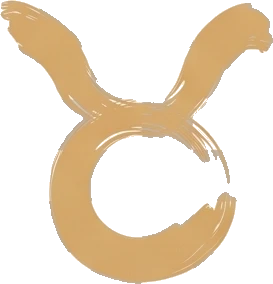 ), the individual may have more innate resources to heal their wound, and may have had at least one safe, nurturing caregiver in childhood. If the
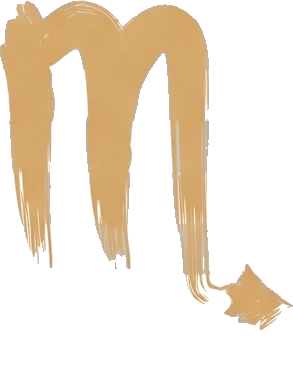 or
 ), or in a difficult house, the wound may be more persistent, and the individual may have had more traumatic early experiences of home and family.
- 1st House: The wound is tied to the individual's core identity. They may feel inherently unsafe in their own skin, as if they don't have a right to exist or take up space. Their healing gift is the ability to present a safe, authentic self to the world, and to help others feel comfortable in their own identities.
- 4th House: The most personal placement, as the 4th house is the house of home, family, and the mother. The wound is directly tied to childhood experiences in the home, often indicating early trauma, abandonment, or emotional unavailability from caregivers. The healing gift is the ability to create a safe, nurturing home for themselves and their loved ones, and to heal family and ancestral trauma.
- 7th House: The wound is tied to one-on-one relationships and partnerships. The individual may attract partners who replicate the unsafe dynamic of their childhood home, or fear intimacy because they believe they will be abandoned or hurt. Their healing gift is the ability to create safe, secure, emotionally intimate partnerships, and to help their partners heal their own emotional wounds.
- 8th House: The wound is tied to shared resources, intimacy, and transformation. They may have experienced trauma related to shared family resources, or may have had to take on the emotional or financial burdens of their family at a young age. Their healing gift is the ability to help others navigate deep emotional transformation, shared vulnerability, and healing of shared trauma.
- 10th House: The wound is tied to public life, career, and social status. They may feel that they have to hide their vulnerable, nurturing side to succeed in their career, or may have experienced public shame or instability related to their family. Their healing gift is the ability to create safe, nurturing spaces in their professional life, or to advocate for family and community welfare on a public scale.
Combined Influence across positions
The element of the house where in falls shapes how the energy is expressed:
- Fire houses (1st, 5th, 9th): The individual expresses their healing gift through active, outward-facing work: community organizing, advocacy for family and child welfare, teaching, or creative work that explores themes of home and belonging. They may have a more extroverted approach to healing, sharing their story publicly to help others.
- Earth houses (2nd, 6th, 10th): The individual expresses their healing gift through practical, tangible care: building safe physical spaces, providing financial support to vulnerable families, working in hands-on care professions like nursing or home care, or creating stable, secure home environments for themselves and others.
- Air houses (3rd, 7th, 11th): The individual expresses their healing gift through communication and community: writing, teaching, or speaking about emotional healing and family dynamics, creating support groups for people with similar wounds, or advocating for policy changes that support family welfare and emotional health.
- Water houses (4th, 8th, 12th): The individual expresses their healing gift through deep, intuitive, spiritual work: ancestral healing, therapy, spiritual counseling, or working with people who are processing deep grief and trauma. They may have a natural ability to connect with the emotional and ancestral collective, and to heal wounds that span generations.
Differences Between the Male and Female Chart
The Male Chart
1. Social conditioning around masculinity often leads to a wound around emotional vulnerability: many men with this placement grew up being taught that they must be strong, stoic, and not show emotion or need for care, leading to a core belief that their emotional needs are weak or unacceptable. They may have been discouraged from expressing sadness, fear, or need for comfort as children, leading to a wound of emotional isolation.
2. They often overcompensate by becoming the primary provider and protector for their family, taking on the role of the "rock" that holds everyone else up, while neglecting their own emotional needs. This can lead to burnout, resentment, and emotional withdrawal, as they never allow themselves to be cared for.
3. Their healing gift often manifests as the ability to create safe, stable home environments for their families, or to mentor other men and boys in emotional expression, breaking intergenerational cycles of emotional suppression and toxic masculinity. They may be particularly skilled at helping men who have been taught to hide their wounds to open up and seek help.
4. They may struggle with intimacy, fearing that if they show their emotional wounds to their partner, they will be seen as weak or unlovable. They may push partners away when they feel vulnerable, or avoid deep emotional connection altogether, until they learn to trust that their vulnerability is a strength, not a weakness.
The Female Chart
1. Societal pressure on women to be perfect caregivers often exacerbates the core wound, leading to a belief that they are not "good enough" as mothers, wives, or caregivers. They may have grown up being criticized for their caregiving, or watching their mother sacrifice her own needs for the family, leading to a wound of feeling that their worth is tied to how much they can give to others.
2. They often develop a pattern of enmeshment with family and loved ones, taking on the emotional burdens of everyone around them while ignoring their own needs. They may feel guilty for setting boundaries or prioritizing their own well-being, believing that their role is to care for others first.
3. Their healing gift often manifests as the ability to create safe, supportive communities for other women, or to work in healing professions like therapy, midwifery, social work, or teaching, where they can validate and support others' emotional experiences. They are often deeply attuned to the needs of others, and can create spaces where people feel seen and heard.
4. They may struggle with self-care, feeling that taking time for themselves is selfish, or that they don't deserve to be nurtured. They may neglect their own physical and emotional health to care for others, leading to burnout, resentment, and illness, until they learn that their own safety and well-being is a prerequisite for caring for others.
Psychological Portrait
Individuals with in are deeply intuitive, empathetic, and highly attuned to the emotional states of others. They have a strong connection to their past, their family, and their ancestral roots, and often have a rich inner world of memory and emotion. They are natural caregivers, with a strong instinct to protect and nurture the people they love, but they also have a protective "shell" (like the crab) that they retreat into when they feel hurt or unsafe. They are often quiet, reserved, and slow to open up to new people, but deeply loyal and devoted to the people they let into their inner circle.
Their core drive is to create a safe, stable, nurturing environment for themselves and their loved ones, and to heal the wounds they carry from their earliest experiences of home and family. They are motivated by a deep desire to never make others feel the pain, abandonment, or insecurity they felt as children. Many people with this placement are drawn to healing work, caregiving, or community building as a way to turn their personal pain into a gift for others.
Their deepest, most persistent fear is abandonment, of being left without a safe home or family, of being emotionally unprotected and alone. They also fear that their wounds are too big to heal, that they will never feel truly safe or loved, and that they will repeat the patterns of their childhood in their own families and relationships. They may also have a fear of being a burden to others, of needing care and being rejected for it.
Their self-worth is often deeply tied to their ability to care for others and create safety for the people they love. They may feel valuable only when they are needed, and may neglect their own needs, desires, and well-being in service of others. They may also struggle with low self-esteem rooted in early experiences of being told they were "too much," "too sensitive," or "not good enough" by their caregivers.
They think emotionally and intuitively, often making decisions based on how they will impact their emotional security and the security of their loved ones, rather than on pure logic or practicality. They are highly attuned to unspoken emotional cues, and can often sense when someone is hurting even if they don't say anything. They are deeply reflective, often spending a lot of time processing their emotions and memories, and may have a talent for understanding complex family dynamics and intergenerational patterns.
Most people with this placement develop an anxious-preoccupied or disorganized attachment style, depending on their early caregiving experiences. If their caregivers were inconsistent — sometimes available, sometimes absent — they may develop a disorganized attachment, alternating between craving closeness and pushing others away to avoid being hurt. If their caregivers were emotionally unavailable or neglectful, they may develop an anxious-preoccupied attachment, constantly seeking reassurance and closeness from others, while fearing that they will be abandoned. They may also have a secure attachment if they had at least one consistent, nurturing caregiver in childhood, which allows them to build safe, trusting relationships as adults.
Spheres of Life
Career
People with in thrive in careers that allow them to nurture, heal, and care for others, especially in the context of family, home, or community. Ideal career paths include therapist, counselor, social worker, midwife, nurse, home health aide, early childhood educator, historian, genealogist, chef, interior designer, community organizer for family welfare, or advocate for child and family rights. They may struggle in careers that are highly competitive, cutthroat, or require them to suppress their emotional nature, such as high-stakes corporate law, sales, or finance that prioritizes profit over people. They may also have a talent for working with ancestral or historical trauma, helping communities heal from collective wounds related to displacement, war, or loss of home. Many people with this placement are drawn to work that preserves family history, cultural traditions, or supports vulnerable populations like children, the elderly, or refugees.
Relationships
In relationships, they crave deep emotional intimacy, safety, and a sense of belonging with their partner, but their core wound often leads to trust issues and fear of abandonment. They may attract partners who are emotionally unavailable, or who replicate the dynamic of their childhood home (for example, a partner who is critical, neglectful, or inconsistent), until they learn to set boundaries and choose partners who can provide the consistent, nurturing care they need. They are fiercely loyal and protective of their loved ones, often taking on a caretaker role in relationships, but may struggle to ask for care or support themselves, fearing that they will be seen as a burden. They prioritize family highly, and may want to build a stable, nurturing home with their partner, but may clash with partners who do not share their focus on family and home life.
Finances
Their relationship with money is deeply tied to their need for security. They are often careful, frugal with money, saving to build a stable, safe home for themselves and their family, or they may overspend on creating a comfortable, nurturing home environment, buying things that make their home feel safe and welcoming. They may struggle with financial instability if they prioritize caring for others over their own financial needs, for example, giving money to family members in need even if it puts their own financial security at risk. They may also carry intergenerational financial trauma, for example, growing up in poverty or experiencing financial instability in their childhood home, leading to a persistent fear of not having enough money to feel safe. They feel most financially secure when they own their own home, have a stable income, and have enough resources to care for their loved ones.
Health
Psychosomatic tendencies: as governs the stomach, breasts, and chest, the individual's emotional wounds often manifest physically in these areas. When they are feeling emotionally unsafe, stressed, or overwhelmed, they may experience stomachaches, digestive issues, chest tightness, or breast pain. They may also have a tendency to hold onto grief and trauma in their body, leading to chronic pain or illness if they do not process their emotions. They are prone to anxiety and depression related to feelings of insecurity or abandonment, and may turn to comfort eating, overeating, or other soothing behaviors to cope with emotional pain. They may also have a weakened immune system when they are under emotional stress, as their body's resources are diverted to processing emotional pain. To maintain their health, they need to prioritize emotional processing, regular self-care, and creating a safe, stable daily routine.
Challenges and Gifts
Shadow Sides
1. Chronic Victimhood: When stuck in the wound, the individual may adopt a permanent victim identity, using their past trauma as an excuse to avoid taking responsibility for their own healing, or to manipulate others into caring for them. They may refuse to take steps to improve their situation, believing that they are doomed to suffer because of their past.
2. Family Enmeshment: They may have blurry, unhealthy boundaries with their family, taking on the emotional, financial, or caretaking burdens of their parents, siblings, or extended family to the point of neglecting their own needs. They may feel guilty for setting boundaries or pursuing their own goals if they believe it will hurt their family, staying in unhealthy family dynamics out of a sense of loyalty or obligation.
3. Emotional Manipulation: Because they are so highly attuned to the emotional vulnerabilities of others, they may use this knowledge to manipulate people into giving them the care or attention they crave, rather than communicating their needs openly and honestly. They may also punish others for hurting them by withdrawing emotionally or holding grudges, rather than addressing the issue directly.
4. Self-Sabotage of Safety: They may unconsciously push away safe, nurturing people or situations because they are not used to feeling secure, believing that they do not deserve to be happy or safe, or that the safety will be taken away from them eventually. They may stay in unhealthy relationships or jobs because the familiar pain feels safer than the unknown of safety and security.
5. Martyr Complex: They may take on the role of the martyr, sacrificing their own needs, health, and well-being to care for others, and then resenting the people they care for for not appreciating their sacrifice. They may believe that their worth comes from suffering for others, rather than allowing themselves to be happy and cared for.
Bright Sides
1. Exceptional Emotional Wisdom: Because they have processed their own deep emotional wounds, they have a unique, hard-won wisdom about pain, vulnerability, and healing. They can offer compassionate, non-judgmental support to others who are suffering, because they know exactly what it feels like to be in pain.
2. Natural Healing and Caregiving Ability: They have an innate gift for creating safe, nurturing spaces where others can heal, whether that is through professional therapy or care work, or simply by being a supportive friend or family member. People often feel safe opening up to them, because they can sense that the individual will not judge them or push them to "get over" their pain.
3. Ancestral and Intergenerational Healing: They often have a natural talent for understanding family patterns, identifying intergenerational trauma, and breaking harmful cycles that have been passed down through their lineage. They may be the one in their family to confront unprocessed trauma, set boundaries with toxic family members, and create a new, healthier dynamic for future generations.
4. Fierce Loyalty and Protective Instinct: They are deeply loyal to the people they love, and will go to great lengths to protect and care for them. They are the people who will show up at 2am with soup when you are sick, who will defend their loved ones no matter what, and who will create a safe, welcoming home for anyone who needs it.
5. Resilience and Transformative Power: Despite carrying deep wounds, they have an incredible capacity to heal and bounce back from emotional pain. They can turn their darkest experiences into their greatest strengths, using their pain to fuel their compassion and their desire to help others. They are living proof that pain can be transformed into purpose.
Practical Recommendations
| Sphere | Advice | Astrological Tool |
|---|---|---|
| Emotional Healing | Engage in regular inner child work, therapy, or somatic processing to address early childhood wounds related to home and family, rather than avoiding pain or staying stuck in victimhood. | Work with 's energy through journaling about childhood memories, or participating in healing circles focused on family trauma. |
| Boundary Setting | Practice setting clear, consistent boundaries with family and loved ones, learning to say no to requests that drain your emotional or financial resources, and prioritizing your own needs without guilt. | Work with (the planet of boundaries and structure) to create a daily routine that includes dedicated time for self-care, and practice setting small boundaries first to build confidence. |
| Ancestral Healing | Explore your family history, talk to older relatives about your lineage, and work to acknowledge and heal intergenerational trauma by breaking harmful patterns passed down through your family. | Work with the (North Node, karmic point of lineage and destiny) through ancestral meditation, creating an ancestral altar, or genealogy research to connect with your roots. |
| Career Alignment | Choose a career that aligns with your natural caregiving and healing abilities, rather than pursuing a path that requires you to suppress your emotional nature or prioritize profit over people. | Look at the ruler of your 10th house of career in your natal chart, and choose a path that incorporates themes of nurturing, home, family, or community care. |
| Relationship Health | Communicate your emotional needs openly and honestly with partners, rather than expecting them to read your mind or fearing that your vulnerability will be rejected. Choose partners who are emotionally available and consistent. | Work with (the planet of relationships) through relationship journaling, and use 's energy to share your wounds with trusted partners to build deeper intimacy. |
| Physical Health | Pay attention to psychosomatic symptoms in the stomach, chest, or breasts, and address emotional stress before it manifests as physical illness. Prioritize gentle, nurturing self-care like cooking nourishing meals, taking warm baths, or spending time near water. | Work with the (ruler of , which governs the stomach and chest) through lunar self-care rituals, aligning your rest and self-care routine with the phases of the moon. |
| Financial Security | Create a long-term financial plan focused on building a stable, safe home for yourself and your family, rather than overspending on others or neglecting your own financial needs out of guilt. | Work with to create a budget and savings plan focused on long-term home ownership or housing security, and avoid taking on financial burdens for family members that put your own security at risk. |
| Inner Child Nurturing | Give your inner child the care and safety you did not receive as a child, by doing activities that brought you joy as a child, and by speaking to yourself with the kindness and compassion you needed as a child. | Work with 's energy through creative expression like art, music, or writing, to process and heal childhood wounds, and create a "safe space" in your home where you can retreat when you feel overwhelmed. |
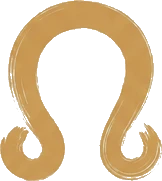 (North Node, karmic point of lineage and destiny) through ancestral meditation, creating an ancestral altar, or genealogy research to connect with your roots.
 (the planet of relationships) through relationship journaling, and use
Conclusion
The path of integrating in moves from the shadow of unprocessed wound to the highest expression of the wounded healer. In the shadow state, the individual remains trapped in patterns of chronic victimhood, family enmeshment, emotional manipulation, self-sabotage, and martyrdom. They may spend their whole life feeling unsafe, unlovable, and unable to heal their pain, while pushing away the very safety and care they crave. They may stay stuck in caretaking roles that drain them, never allowing themselves to be seen as vulnerable or to receive care from others.
The first step of integration is to confront and process their own wounds, to grieve the childhood they did not have, and to give themselves the safety, nurturing, and validation they needed as children. This often requires setting boundaries with family members, cutting ties with toxic dynamics, and learning to prioritize their own needs without guilt. As they heal their own wound, they begin to step into their highest purpose: the wounded healer who uses their pain to help others. They become a safe harbor for people who are hurting, a guide for others navigating family trauma, and a force for breaking intergenerational cycles of pain in their family and community. They learn that their wound is not a flaw, but a gift: it gives them the empathy, compassion, and wisdom to create a safer, more nurturing world for everyone. Their life becomes a testament to the idea that the deepest pain can be transformed into the greatest purpose, and that the safest hearth is the one built on the ashes of old, unhealed wounds.
This article was prepared by the [Astrobot](https://astrobot.chat) editorial team — your personal astrological assistant. The material is based on classical and modern astrological sources.

 Pisces. It creates a lifelong inner tension between the desire for unapologetic personal autonomy and the quest for universal spiritual or philosophical meaning, often manifesting as a pull to explore marginalized, forbidden, or suppressed systems of belief. The individual has an innate gift for perceiving hidden truths behind established dogma, but risks falling into escapism, self-deception, or self-sabotage if they cannot ground their mystical insights in practical reality. The core path of integration is to embrace the exiled parts of the self as a source of liberating wisdom, rather than a source of shame, and to use their unique perspective to challenge oppressive systems with compassion and courage.