 Planet Overview
 Chiron
Introduction
This placement is one of the personality’s key knots because it ties the core karmic wound (marked by ) to the most fundamental ways a person interacts with the world: how they think, speak, learn, and connect with their immediate community. , the wounded healer archetype, represents a persistent, lifelong area of vulnerability that also holds the seed of one’s most unique and valuable healing gifts. , the mutable air sign ruled by , governs curiosity, communication, short-distance travel, relationships with siblings and peers, and the nervous system. When falls in , the core wound is fused with these functions, creating a permanent, lifelong pattern of tension and growth centered on self-expression and intellectual validation.
 ) to the most fundamental ways a person interacts with the world: how they think, speak, learn, and connect with their immediate community.
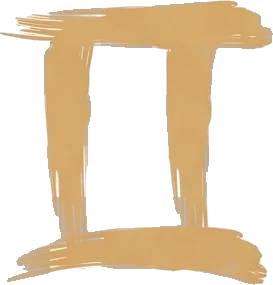 , the mutable air sign ruled by
 , governs curiosity, communication, short-distance travel, relationships with siblings and peers, and the nervous system. When
The Nature of the Aspect
This placement functions as a conjunction () between ’s energy and the entire domain of , with an orb of up to 3° for the most pronounced, tightest manifestation (wider orbs up to 8° produce a softer, less intense expression of the pattern). As a conjunction, the two energies fuse and interpenetrate: ’s wounding and healing energy becomes inseparable from ’s mental and communicative functions, meaning the individual cannot separate their sense of self from their ability to think, speak, and connect with others. The interaction is marked by a constant push-pull: ’s natural tendency to skim the surface, avoid deep emotional discomfort, and chase endless novelty clashes with ’s demand to confront the core wound of feeling misunderstood or intellectually inadequate. For individuals with early in (0°–15°), the aspect is applying, meaning the wound is more active and the drive to heal is more urgent, often manifesting as early childhood experiences of being criticized for their speech or learning style. For those with late in (15°–30°), the aspect is separating, meaning the individual has already begun to master the wound’s lessons, and the healing wisdom is more integrated into their personality from a young age. The tightness of the orb also affects manifestation: a placement within 1° of a degree will produce a far more pronounced, lifelong pattern than a placement at the very end of the sign with a wide orb.
 ) between
Symbolism and Mythology
The archetype of is the centaur Chiron, a being who is half-human, half-animal, bridging the earthly and divine realms. In myth, Chiron was accidentally wounded by a poisoned arrow, and though he was a skilled healer, he could not heal his own wound. He spent eternity teaching and mentoring heroes, turning his unhealable pain into a source of wisdom and service for others. ’s archetype is the divine twins Castor and Pollux, representing duality, curiosity, communication, and the bond between siblings and community. The twins were known for their quick wit, their love of learning, and their ability to move between different worlds, connecting people through conversation and shared ideas. The meeting of these two archetypes creates the image of the wounded teacher: the person who has been hurt by criticism, misunderstanding, or the feeling of being “not smart enough,” but who uses their gift with words and their endless curiosity to help others find their voice. In classical cultural context, this placement resonates with the ancient Greek tradition of the rhetorician and philosopher, who used their mastery of language to heal social divisions and pass on wisdom to future generations. In modern times, it aligns with the role of the journalist, therapist, or educator who uses their platform to amplify marginalized voices and help people process trauma through shared stories.
The Principles of the Planets in the Chart
in the Chart
marks the core, unhealable wound that is also the source of one’s most unique healing gifts. It represents the area of life where we feel most vulnerable to criticism, most inadequate, but also where we have the most profound wisdom to offer others once we integrate the wound. For in , this wound is tied to communication, learning, intellectual validation, relationships with siblings, neighbors, and local community. It manifests as a persistent fear of being seen as unintelligent, boring, or unable to express oneself clearly, often stemming from childhood experiences of being criticized for one’s speech, bullied for being “too chatty” or “not paying attention,” or feeling like one could never learn things as easily as peers. At the same time, this placement gives a unique ability to articulate complex, painful experiences in ways that resonate with others, making the individual a natural healer for others struggling with similar wounds of self-expression.
in the Chart
is the mutable air sign ruled by , governing curiosity, information processing, verbal and written communication, short-distance travel, connections with siblings and peers, adaptability, and the nervous system. Its energy is fast, multifaceted, and surface-oriented, driven by a need to gather new information, connect with others through conversation, and avoid deep emotional discomfort. ’s natural strengths include quick wit, rhetorical skill, adaptability, and a broad range of knowledge, but its shadow sides include superficiality, scattered thinking, restlessness, and a tendency to avoid committing to deep, emotionally vulnerable conversations.
The Combined Influence
The fusion of and creates a lifelong pattern where the individual’s core wound is activated whenever they are in situations requiring communication, learning, or social connection. From childhood, this may manifest as being the “smart kid” who is deeply insecure about their intellect, the quiet child who is terrified to speak up in class, or the chatterbox who is constantly told to “be quiet” and “stop talking so much.” As they grow, they are drawn to fields where they can use their words to help others, often working through their own wound by supporting people who have similar experiences of feeling misunderstood or intellectually inadequate. The joint scenario is that of the wounded storyteller: the person who has been hurt by words, but who uses words to heal themselves and others.
Expression in Sign and House
Expression in (Sign Style)
As an air sign, processes the wound through the mind, leading the individual to intellectualize their pain, trying to “figure it out” with logic rather than feeling it emotionally. This can prolong the healing process if they stay stuck in overthinking, but it also gives them a unique ability to analyze their wound and turn it into actionable wisdom for others. As a mutable sign, makes the wound adaptable, able to shift forms depending on the situation, but it also leads the individual to avoid confronting the core pain by jumping from one new interest, conversation, or project to another, never staying long enough to work through the discomfort. The dispositor of in is , so the condition of in the natal chart will greatly affect how this placement manifests: if is strong, well-aspected, and in a favorable sign and house, the individual can easily turn their wound into healing wisdom and succeed in communication-based careers. If is afflicted, in fall or exile, or poorly aspected, the individual may struggle with chronic self-doubt, scattered thinking, difficulty articulating their needs, or even speech impediments and learning disabilities.
Expression Across Houses
The house where in falls indicates the specific arena of life where the wound and healing play out:
- 1st house: Wound around self-expression and identity as a thinker/speaker; feeling like others don’t see your true self when you talk, or that you have to perform "smartness" to be liked. Healing comes from embracing your authentic voice, even if it’s imperfect.
- 2nd house: Wound around earning money through communication or intellectual work; feeling like your ideas aren’t valuable enough to be paid for, or that you have to work endlessly to prove your worth. Healing comes from setting fair rates for your skills and recognizing the value of your unique perspective.
- 3rd house: Wound around siblings, early education, and short-distance travel; feeling like you couldn’t communicate clearly with your family or peers as a child, or that you were bullied for being "different" in school. Healing comes from pursuing lifelong learning, and building healthy communication with siblings and neighbors.
- 4th house: Wound around family communication patterns; feeling like you couldn’t express yourself safely at home, or that your family didn’t value your curiosity or ideas. Healing comes from creating a safe, communicative home environment for yourself and your loved ones.
- 5th house: Wound around creative self-expression; feeling like your creative ideas (writing, art, performance) aren’t good enough, or fear of being judged for your playful, curious side. Healing comes from embracing creative risk-taking and sharing your creative work with others, even if it’s imperfect.
- 6th house: Wound around work routines, especially intellectual work; feeling like you’re not competent enough at your job, or overworking to prove your intelligence. Healing comes from setting boundaries around work, and recognizing that your worth is not tied to your productivity.
- 7th house: Wound around partnerships; attracting partners who criticize your communication style or make you feel unintelligent, or struggling to communicate your needs in relationships. Healing comes from setting clear communication boundaries with partners, and seeking out people who value your voice.
- 8th house: Wound around deep psychological communication and shared resources; fear of being vulnerable in conversations about taboo topics, or feeling like you can’t share your deepest thoughts with others. Healing comes from working with a therapist or healer to process trauma, and using your communication skills to help others process their own pain.
- 9th house: Wound around higher education, philosophy, and long-distance travel; feeling like you don’t belong in academic or spiritual spaces, or that your ideas are too "unconventional" to be taken seriously. Healing comes from pursuing higher learning that aligns with your interests, and sharing your unique perspective with the world through teaching or writing.
- 10th house: Wound around public reputation and career in communication; fear of public speaking, or feeling like your public image doesn’t match your true intellectual self. Healing comes from building a career that aligns with your authentic voice, and using your public platform to advocate for causes you care about.
- 11th house: Wound around friend groups and community; feeling like you don’t fit in with your peer group, or that your ideas are too "weird" to be accepted. Healing comes from building community with like-minded, curious people who value your unique perspective.
- 12th house: Wound around hidden thoughts and secret communication; feeling like you can’t express your true inner world, or that your thoughts are too "crazy" to be shared with others. Healing comes from writing, meditation, or working with people who can’t speak for themselves, using your voice to amplify the unheard.
Combined Influence Across Positions
The combination of sign and house creates a unique, personalized scenario for the wound and healing. For example, in in the 3rd house amplifies the wound around siblings and early education: the individual may have been bullied in school for being "different" or had a sibling who was favored for being smarter, leading to a lifelong drive to be a teacher or advocate for children’s education. in in the 10th house amplifies the wound around public reputation: the individual may have been humiliated in a public presentation as a child, but grows up to become a famous journalist or speaker who uses their platform to talk about mental health and communication, turning their early shame into a source of collective healing.
Differences Between the Male and Female Chart
The Male Chart
Societal expectations of men to be confident, knowledgeable, and emotionally stoic amplify the in wound for individuals assigned male at birth. They often feel intense pressure to be the “smart one” in the room, to have an answer to every question, and may feel deeply ashamed if they don’t know something or are caught making a mistake in speech. They may overcompensate by talking excessively, dominating conversations, or pretending to understand topics they don’t, to hide their insecurity. They may also struggle with expressing vulnerability, as they fear being seen as “weak” or “stupid,” so they often use humor or sarcasm to deflect from their pain. Many men with this placement have a strained relationship with their father or older male siblings, who may have criticized their communication style or made them feel like they weren’t “man enough” because they were curious, talkative, or emotionally sensitive. They may be drawn to traditionally male-dominated fields like law, journalism, tech, or politics, where they can use their communication skills to succeed, but still struggle with chronic imposter syndrome. Psychosomatically, they are prone to nervous system issues like anxiety, insomnia, and chronic tension in the shoulders, arms, and hands, often from overworking their mind or suppressing their emotions. They may also engage in risky communication behaviors, such as spreading rumors or getting into online arguments, as a way to prove their intelligence and dominance.
The Female Chart
Societal expectations of women to be quiet, nurturing, and not “too opinionated” amplify the in wound for individuals assigned female at birth. They often have a history of being criticized for being “too chatty,” “too opinionated,” or “not listening enough” as children, leading to a lifelong fear of taking up space with their words. They may struggle to speak up in meetings, downplay their intelligence to avoid being seen as “bossy” or “unlikable,” or have a pattern of being talked over by men and peers, leading to a deep wound around being heard and validated. Many women with this placement have a strained relationship with their mother or older female siblings, who may have criticized their curiosity or desire to learn, telling them to “focus on more practical things” or “stop asking so many questions.” They are often drawn to fields like teaching, counseling, writing, social justice, or nonprofit work, where they can use their voice to help marginalized groups and advocate for change. Psychosomatically, they are prone to anxiety, overthinking, nervous habits like nail-biting or fidgeting, and chronic pain in the wrists and hands from overworking (typing, writing) as a way to prove their worth. They may also attract partners who try to silence them or make them feel like their opinions don’t matter, so their healing path often involves learning to set clear boundaries around their communication and demand to be heard.
Psychological Portrait
Character: Individuals with in are charismatic, endlessly curious, quick-witted communicators who can talk to anyone about any topic, but they carry a deep undercurrent of self-doubt about their intelligence and ability to express themselves clearly. They are often the life of the party, the person who knows a little bit about everything, but secretly worries that people only like them because they’re entertaining, not because they’re genuine. Motivation: Their core drive is to be seen, heard, and validated for their true self, not just their words or ideas. They want to use their communication skills to help others feel less alone in their own wounds, because they know intimately what it’s like to feel misunderstood or intellectually inadequate. Fears: Their deepest fear is being exposed as a “fraud,” of being found out that they don’t actually know what they’re talking about, or that their ideas are worthless. They also fear being silenced, being told to “stop talking,” or being ignored when they try to share something important. Self-esteem: Their self-esteem is directly tied to how well they can communicate and how others respond to their ideas. Positive feedback makes them feel confident and capable, while criticism or being ignored triggers intense shame and self-doubt. Style of thinking: Their thinking is fast, associative, and multifaceted, allowing them to see connections between seemingly unrelated topics, but they often struggle with scattered thinking and lack of follow-through, because they’re afraid of committing to an idea that might be criticized, or they get bored easily with deep, focused work. Attachment style: They often have an anxious-preoccupied attachment style, stemming from inconsistent early experiences of communication: sometimes they were praised for being smart and talkative, sometimes they were punished for it, leading to a constant need for validation from others through conversation. They may also be avoidant of deep emotional conversations, preferring to stay in the safe realm of ideas and words rather than dealing with the messy vulnerability of emotional connection.
Spheres of Life
Career
Individuals with in are drawn to careers that involve communication, learning, and helping others through words. Common paths include teaching, writing, journalism, counseling, therapy, public speaking, editing, translation, social media management, and advocacy. They excel at fields that require them to translate complex, painful experiences into accessible, relatable content for others, and they often have a particular talent for working with people who have communication disabilities or learning differences, as they understand the wound of feeling “not smart enough.” They may struggle with imposter syndrome in their careers, constantly feeling like they’re not qualified enough, even when they are highly skilled. They may also switch careers frequently, because they get bored easily, or because they’re afraid of being stuck in a job where they can’t use their full range of skills. Their greatest career fulfillment comes when they can align their work with their healing purpose: using their voice to help others feel seen and heard.
Relationships
In relationships, they crave deep, stimulating conversation, and are drawn to partners who are curious, intelligent, and good listeners. However, they may struggle with vulnerability, because they fear that if they say the wrong thing, their partner will reject them. They may also have a tendency to talk too much in relationships, avoiding deeper emotional connection by staying in the realm of surface-level conversation. They may attract partners who criticize their communication style or make them feel like they’re “too much” or “not enough,” which activates their core wound. Their healing in relationships comes from learning to listen as much as they talk, and to be vulnerable about their insecurities rather than hiding behind their words. They may also have complicated relationships with siblings and neighbors, often stemming from childhood experiences of being compared to smarter siblings or having conflicts with neighbors that left them feeling misunderstood.
Finances
Their relationship with money is tied directly to their communication skills: they may earn a stable income through writing, teaching, or other communication-based work, but they may also struggle with financial instability because they jump from one project to another without finishing, or because they undervalue their intellectual work, believing their ideas aren’t worth paying for. They may also spend money impulsively on books, courses, travel, and other experiences that feed their curiosity, sometimes overspending because they’re afraid of missing out on new information or opportunities. Their core wound around finances often stems from childhood messages that “you can’t make money doing what you love” or that “your ideas aren’t valuable enough to be paid for.” Healing comes from recognizing the monetary value of their unique perspective and setting fair rates for their skills.
Health (Psychosomatic Tendencies)
Since rules the nervous system, respiratory system, and upper body (hands, arms, shoulders, lungs), in often manifests as psychosomatic issues in these areas. Common issues include chronic anxiety, overthinking, insomnia, asthma, bronchitis, shoulder tension, carpal tunnel syndrome, and nerve pain. These issues are almost always triggered by stress related to communication: for example, a sore throat before a big presentation, a tension headache after an argument where they felt misunderstood, or a panic attack before a social event where they have to meet new people. They may also have a tendency to neglect their physical health because they’re so focused on their mental pursuits, forgetting to eat, sleep, or exercise, which exacerbates their nervous system issues. Healing comes from prioritizing nervous system regulation practices, such as breathwork, yoga focused on the upper body, and regular breaks from screens to reduce mental overstimulation.
Challenges and Gifts
Shadow Sides
1. Chronic imposter syndrome and intellectual self-doubt: A persistent belief that one’s ideas, intelligence, or communication skills are inherently inadequate, leading to avoidance of opportunities where one might be “exposed” as incompetent, even when highly qualified.
2. Scattered, unfocused mental energy: A tendency to jump between countless ideas, projects, and conversations without follow-through, rooted in a fear of committing to a single idea that might attract criticism, or a desire to avoid the discomfort of deep, focused work.
3. Avoidance of emotional vulnerability through excessive talking: Using words as a shield to avoid confronting painful emotions, dominating conversations to avoid being seen, or deflecting from personal pain with humor, sarcasm, or trivial topics.
4. Inauthentic people-pleasing in communication: Tailoring one’s words to match what others want to hear, rather than speaking one’s true truth, leading to a deep sense of loneliness and the feeling that no one truly knows the real self.
5. Nervous system burnout: Ignoring physical needs to pursue intellectual or communication-related goals, leading to chronic anxiety, insomnia, and physical pain in the upper body and respiratory system.
Bright Sides
1. Transformative healing through shared words: Their core wound gives them a unique ability to articulate the unspoken pain of others, making them powerful teachers, writers, therapists, and advocates who help people feel less alone in their struggles.
2. Exceptional mental agility and breadth of knowledge: Their endless curiosity and adaptability allow them to master new skills quickly, connect seemingly unrelated ideas, and thrive in fast-paced, ever-changing environments that require quick thinking.
3. Natural talent for mediation and conflict resolution: Their ability to see multiple perspectives, combined with their skill with words, makes them excellent at bridging divides between people, resolving conflicts, and building consensus in groups.
4. Deep empathy rooted in personal experience: Because they have lived through the pain of feeling misunderstood or intellectually inadequate, they have a deep compassion for others who are struggling with similar wounds, and they are able to offer non-judgmental support and guidance.
5. Resilience through intellectual reframing: The ability to process pain and trauma by analyzing it, understanding it, and sharing it with others, turning their own wound into a source of strength and purpose that benefits their entire community.
Practical Recommendations
| Sphere | Advice | Astrological Tool |
|---|---|---|
| Communication | Practice speaking your unfiltered truth in low-stakes conversations first, and allow yourself to make mistakes in speech without self-criticism. | Journaling prompts focused on unspoken thoughts; retrograde shadow work to process communication blocks and fear of being misunderstood. |
| Learning | Embrace being a beginner at new skills, and reject the pressure to be an expert in everything you pursue. | Natal chart analysis to identify your optimal learning style; transits to your natal to reframe your relationship with intellectual competence. |
| Career | Prioritize work that allows you to use your communication skills to help others, rather than work that only focuses on proving your intelligence or earning external validation. | Natal 10th house analysis to identify career paths aligned with your healing purpose; transits to your 10th house to take risks on opportunities that align with your authentic voice. |
| Relationships | Practice active listening in conversations, and share your vulnerabilities with trusted loved ones rather than hiding behind humor or excessive talking. | transits to your natal to work on relationship communication patterns; couples counseling focused on healthy, reciprocal dialogue. |
| Health | Prioritize nervous system regulation practices, and take regular breaks from mental work to care for your upper body, hands, and respiratory system. | Breathwork, yoga focused on the shoulders and upper back, and tracking your symptoms alongside communication-related stress to identify triggers. |
| Self-Esteem | Reframe your core wound as a source of strength: your experience of feeling misunderstood is what makes you so good at helping others feel heard. | journaling prompts to identify times your wound has helped you connect with others; daily affirmations focused on the value of your unique perspective. |
| Creative Expression | Use writing, speaking, or other creative communication outlets to process your wound, rather than keeping your pain locked inside. | Creative writing workshops, public speaking groups, or blogging to share your story with others, especially during retrograde periods when communication energy is high. |
| Sibling/Community Relationships | Work through unresolved conflicts with siblings or neighbors, and build community with people who value your curiosity and communication style. | Family constellation work to address ancestral communication patterns; joining groups focused on your interests to find like-minded peers who appreciate your voice. |
 transits to your 10th house to take risks on opportunities that align with your authentic voice.
 transits to your natal
Conclusion
The path of integrating in is a journey from the shadow of the insecure, scattered people-pleaser who uses words to hide their pain, to the highest expression of the Wounded Teacher, who uses their razor-sharp mind, endless curiosity, and gift with language to bridge divides, amplify unheard voices, and help others heal their own wounds of self-expression. This integration requires letting go of the impossible standard of being infinitely knowledgeable, perfectly articulate, and endlessly entertaining for others, and embracing the beauty of imperfection in communication. It means recognizing that your core wound is not a flaw, but a source of unique wisdom that only you can offer the world. When fully integrated, individuals with this placement become beacons of empathy and intellectual clarity, using their words to create connection, foster understanding, and turn their own pain into a source of collective healing. They learn that the moments they felt most misunderstood, most inadequate, and most silenced are the exact moments that give them the power to help others feel seen, heard, and validated.
This article was prepared by the [Astrobot](https://astrobot.chat) editorial team — your personal astrological assistant. The material is based on classical and modern astrological sources.

 Pisces. It creates a lifelong inner tension between the desire for unapologetic personal autonomy and the quest for universal spiritual or philosophical meaning, often manifesting as a pull to explore marginalized, forbidden, or suppressed systems of belief. The individual has an innate gift for perceiving hidden truths behind established dogma, but risks falling into escapism, self-deception, or self-sabotage if they cannot ground their mystical insights in practical reality. The core path of integration is to embrace the exiled parts of the self as a source of liberating wisdom, rather than a source of shame, and to use their unique perspective to challenge oppressive systems with compassion and courage.