 Planet Overview
 Chiron
Introduction
This placement pairs , the centaur planet representing the "wounded healer" archetype, with , the fixed fire sign ruled by the that governs the core self, creative will, and need for public recognition. Unlike transient transits or progressions, this is a permanent, innate structure of the personality, operating for the entire lifetime as a core inner knot that ties the native’s deepest, most persistent wound directly to their sense of identity and creative purpose. It is one of the personality’s key dynamics because it affects every arena of life: from how the native expresses their creativity, to how they form relationships, to how they pursue career goals, to how they relate to their own sense of worth. The wound is not a temporary flaw, but a lifelong part of the native’s identity that cannot be erased, only integrated into a source of strength and service.
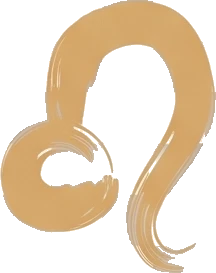 , the fixed fire sign ruled by the
 that governs the core self, creative will, and need for public recognition. Unlike transient transits or progressions, this is a permanent, innate structure of the personality, operating for the entire lifetime as a core inner knot that ties the native’s deepest, most persistent wound directly to their sense of identity and creative purpose. It is one of the personality’s key dynamics because it affects every arena of life: from how the native expresses their creativity, to how they form relationships, to how they pursue career goals, to how they relate to their own sense of worth. The wound is not a temporary flaw, but a lifelong part of the native’s identity that cannot be erased, only integrated into a source of strength and service.
The Nature of the Aspect
is classified among the outer, major planetary bodies in modern astrological practice, representing the part of the self that carries a chronic, often unhealable wound that cannot be resolved through conventional means, but that can be transformed into a source of wisdom and service to others. is a fixed fire sign, meaning its energy is stable, persistent, and focused on long-term creative expression and identity formation. There is no traditional angular aspect between and , as is a point placed within a sign, but the placement itself creates a permanent, fusion-like link (functionally similar to a conjunction) between ’s wounding/healing function and ’s identity/creative function. The dispositor of in is the , as is ruled by the , which amplifies the connection between the wound and the core identity: the health, sign, and house placement of the in the natal chart will directly impact how the native experiences and integrates this placement. If falls within 3° of the (causal combustion, per classical solar aspect guidelines), the wound is even more deeply fused with the core identity, making the experience of the wound more acute, but also amplifying the potential for healing and leadership. Unlike hard aspects ( squares, oppositions) that create external tension and conflict, this placement creates an internal tension: the native feels the wound as an inherent part of their own identity, rather than as an external pressure. Unlike harmonious aspects ( trines, sextiles) that operate easily and are often taken for granted, this placement is a charged, persistent pressure point that the native cannot ignore, as it is tied to their very sense of self. The wound is not a temporary setback, but a permanent part of the native’s identity that must be integrated, rather than fixed or erased.
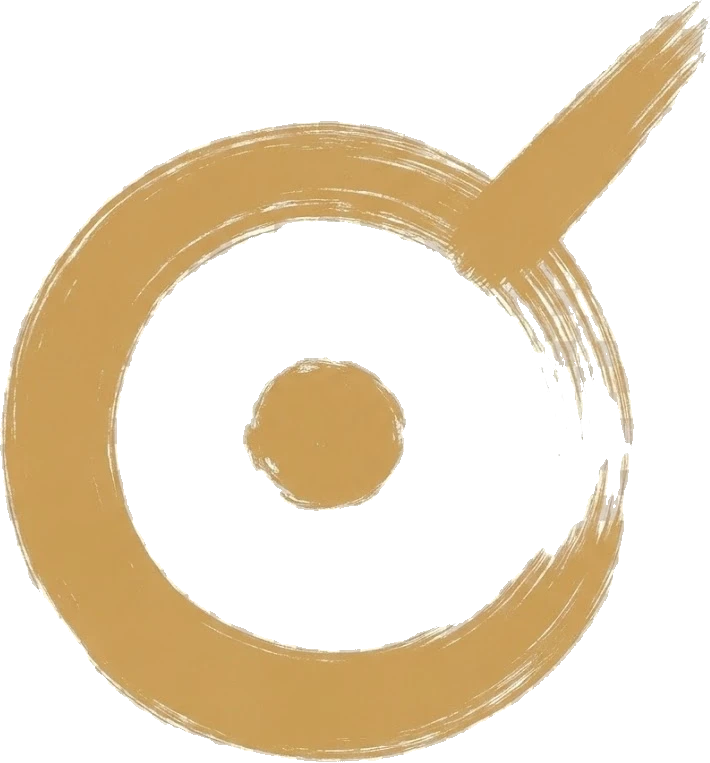 conjunction) between
 squares,
 oppositions) that create external tension and conflict, this placement creates an internal tension: the native feels the wound as an inherent part of their own identity, rather than as an external pressure. Unlike harmonious aspects (
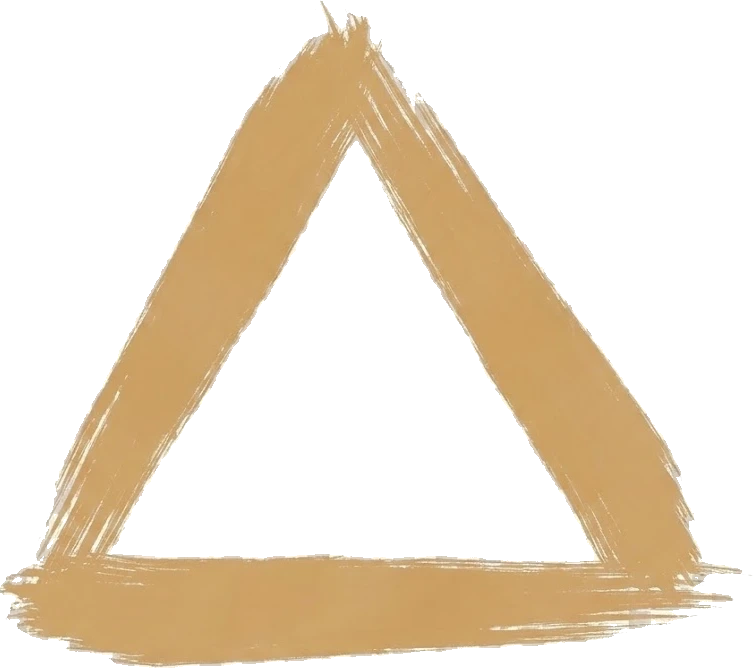 trines,
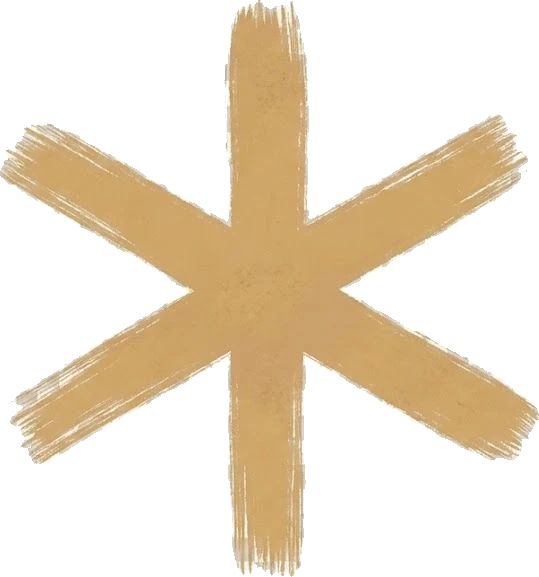 sextiles) that operate easily and are often taken for granted, this placement is a charged, persistent pressure point that the native cannot ignore, as it is tied to their very sense of self. The wound is not a temporary setback, but a permanent part of the native’s identity that must be integrated, rather than fixed or erased.
Symbolism and Mythology
The archetype of is rooted in the myth of Chiron, the wisest of the centaurs, a teacher and healer to many Greek heroes including Achilles, Asclepius, and Jason. He was accidentally wounded by a poisoned arrow shot by Heracles, tipped with the venom of the Hydra of Lerna. The wound was incurable, and as an immortal, Chiron was doomed to live with eternal pain. In an act of self-sacrifice, he gave up his immortality to end his suffering, but was later placed among the stars as the constellation Centaurus, where he remains as a symbol of the wound that becomes a gift. His archetype represents the part of the self that carries a persistent, unhealable wound, but that also holds the key to healing others who suffer from the same pain. The archetype of is rooted in the myth of the Nemean lion, a monstrous creature with impenetrable golden fur that terrorized the city of Nemea until it was slain by Heracles as his first labor. The lion was a symbol of unassailable strength, courage, and creative fire, and its skin was worn by Heracles as a symbol of his own strength and sovereignty. In astrological symbolism, represents the sovereign self, the part of the personality that is meant to rule its own domain, to shine as the center of its world, and to be recognized for its unique strength and creativity. The mythological meeting of and is the story of the wounded king: the ruler who carries an unhealable wound, but who uses that wound to become a wiser, more compassionate leader. In traditional cultural contexts, the king was seen as a sacred figure whose health was tied to the health of the entire kingdom. A wounded king was a source of anxiety for the community, but a king who integrated his wound and used it to serve his people was seen as a wise and beloved ruler. This placement reflects that archetype: the native is meant to be a leader or creative figure whose wound gives them a unique ability to connect with and serve others who are struggling with the same pain.
The Principles of the Planets in the Chart
in the Chart
represents the deepest, most persistent wound of the soul, the area of life where the native feels a chronic sense of lack, inadequacy, or pain that cannot be resolved through conventional means. It is also the place where the native holds the greatest capacity to heal others, because they have lived through the pain themselves. In the natal chart, points to the "shadow gift" — the talent or ability that the native develops only through struggling with their deepest wound. It is the part of the self that feels broken, but that also holds the key to making a positive impact on the world. Unlike traditional planets that govern specific functions of the personality, operates as a karmic point, marking the area of life where the native’s greatest pain and greatest power are intertwined.
in the Chart
is a fixed fire sign ruled by the , governing the core identity, creative self-expression, personal will, the need for recognition and validation, leadership, vitality, and the ability to shine uniquely in the world. It is the sign of the sovereign self, the part of the personality that wants to be seen, appreciated, and celebrated for its unique contributions. energy is warm, enthusiastic, and generous, but it is also prone to pride, jealousy, and a fear of having its light extinguished. It represents the part of the self that is meant to lead, create, and inspire others, and that feels most alive when it is being recognized for its unique talents.
The Combined Influence
This placement fuses the wound of directly with the core identity and creative function of . The native’s deepest wound is tied to their sense of self, their ability to express their creativity, and their worthiness of recognition. They may carry a lifelong fear that their unique light is flawed, that they are not "good enough" to be seen or celebrated, that their creative efforts will be rejected or ridiculed. At the same time, this placement gives them a profound, hard-won understanding of the pain of feeling unseen or unappreciated, which becomes the foundation of their ability to mentor, encourage, and heal others who struggle with self-worth and creative expression. The core dynamic of this placement is a tension between hiding one’s light to avoid rejection, and the unquenchable drive to share that light with the world. The native may oscillate between these two extremes for much of their life, until they learn to integrate the wound and embrace their authentic, flawed self.
Expression in Sign and House
Expression in
is a fixed sign, so the wound associated with this placement is not fleeting or temporary, but a persistent, lifelong pattern that the native must learn to integrate over time. The fire element means the wound is expressed through energy, enthusiasm, and a desire for creative expression, but also through frustration, pride, and a fear of having that creative fire extinguished. The native may have a natural talent for creative work, but they may also struggle with self-doubt that holds them back from sharing their work with the world. Since is ruled by the , the dispositor of here is the , so the expression of the wound is heavily influenced by the ’s sign and house in the natal chart. For example, if the is in in the 10th house, the native may experience the wound as a fear of public failure in their career, but they may also have a powerful drive to become a public leader who uses their platform to uplift others. If the is in in the 4th house, the native may experience the wound as a fear of being vulnerable in their family or home life, but they may also have a deep capacity for healing family trauma related to shame and self-worth.
 in the 10th house, the native may experience the wound as a fear of public failure in their career, but they may also have a powerful drive to become a public leader who uses their platform to uplift others. If the
 in the 4th house, the native may experience the wound as a fear of being vulnerable in their family or home life, but they may also have a deep capacity for healing family trauma related to shame and self-worth.
Expression Across Houses
The house placement of in determines the arena of life where the wound and healing gift are most actively expressed:
- 1st House: The wound is tied directly to the native’s physical appearance, personality, and first impressions. They may feel that their very presence is flawed, that they are not "enough" when they meet new people, but they also have a powerful ability to inspire others simply by being their authentic, flawed selves.
- 2nd House: The wound is tied to self-worth, money, and personal resources. They may feel that they do not deserve financial security or that their worth is tied to their material possessions, but they can heal others by helping them recognize their inherent worth beyond material things.
- 3rd House: The wound is tied to communication, early education, and relationships with siblings and neighbors. They may have been shamed for their voice or their ideas as children, but they can become powerful teachers and communicators who help others find their voice.
- 4th House: The wound is tied to the home, family, and early childhood. They may have felt unseen or unappreciated in their family of origin, but they can create warm, supportive homes that become sanctuaries for others who feel wounded.
- 5th House: The wound is tied to creative expression, romance, children, and play. They may have been shamed for their creative efforts as children, or feel that their romantic efforts are unappreciated, but they have a powerful gift for helping others reconnect with joy and creative play.
- 6th House: The wound is tied to work, health, and daily routines. They may feel that their work is never good enough, or that they are unworthy of rest and self-care, but they can become healers and caregivers who help others find balance in their daily lives.
- 7th House: The wound is tied to partnerships and close relationships. They may attract partners who dismiss their creative identity or make them feel unseen, but they can build deeply supportive partnerships that help both parties feel valued for who they are.
- 8th House: The wound is tied to shared resources, intimacy, and transformation. They may fear vulnerability because they have been hurt when sharing their true selves, but they can help others navigate deep transformation and heal from trauma related to shame and self-worth.
- 9th House: The wound is tied to higher education, travel, and belief systems. They may have been shamed for their beliefs or their desire to explore the world, but they can become guides and teachers who help others find their own truth and expand their horizons.
- 10th House: The wound is tied to career, public reputation, and social status. They may fear that their public success will be met with criticism or that they are not worthy of their achievements, but they can become public figures who use their platform to uplift others and challenge systems of shame.
- 11th House: The wound is tied to friendships, community, and long-term goals. They may feel that they do not belong in groups or that their unique contributions are not valued by their community, but they can build inclusive communities that celebrate every member’s unique light.
- 12th House: The wound is tied to the unconscious, solitude, and hidden matters. They may carry a deep, unspoken shame about their identity that they keep hidden even from themselves, but they have a profound intuitive gift for healing the hidden wounds of others.
Combined Influence Across Positions
The tighter the orb of ’s placement (proximity to the , angles, or personal planets), the more powerful the wound and the associated healing gift. If is close to the Ascendant, the wound is expressed through the native’s entire personality, making them highly sensitive to first impressions and public judgment. If is close to the Midheaven, the wound is tied directly to their public life and career, making public recognition and validation a core need and fear. If forms a tight aspect to the , the wound is even more fused with the core identity, making the need to integrate it even more urgent, but also amplifying the native’s creative leadership potential.
Differences Between the Male and Female Chart
The Male Chart
For people assigned male at birth, societal expectations of masculinity demand that men be strong, unemotional, and unflawed, so the native may feel that showing vulnerability or creative sensitivity is a sign of weakness. They may have been shamed as children for being "too sensitive" or "too dramatic," leading them to suppress their creative identity as adults. They may overcompensate for their wound by acting overly dominant, dismissive of others’ creative efforts, or by seeking constant external validation through achievements, which only deepens their sense of inadequacy when they do not receive the praise they crave. They may struggle to form close relationships, as they fear that their partner will see their wound and reject them as "not manly enough." When integrated, they have a powerful gift for mentoring other men who struggle with self-worth, helping them embrace vulnerability as a strength rather than a weakness. They may also become creative leaders who model authentic masculinity, showing that strength and vulnerability are not mutually exclusive. They are often drawn to careers that allow them to express their creativity in traditionally "masculine" fields, such as sports, business, or politics, where they can use their creative vision to lead and inspire others, while also working to dismantle toxic masculine norms that shame men for being vulnerable.
The Female Chart
For people assigned female at birth, societal expectations of women often demand that they be modest, unassuming, and not "too much" — not too loud, not too creative, not too ambitious for recognition. The native may have been shamed as a child for being "too dramatic" or "too attention-seeking," leading them to downplay their talents and suppress their creative identity as adults. They may internalize the wound, leading to anxiety, depression, or chronic self-doubt, rather than externalizing it through dramatic outbursts or pride. They may struggle with people-pleasing, putting others’ needs before their own to avoid rejection, which leads to a feeling of being unseen and unappreciated. They may attract partners who are threatened by their creative success or their desire for recognition, leading to power struggles in relationships where the native feels forced to choose between their identity and their relationship. When integrated, they have a profound gift for helping other women reclaim their right to shine, to express their creativity without apology, and to recognize their inherent worth beyond societal expectations of modesty. They are often drawn to creative careers that center female identity and experience, such as writing, art, or activism, where they can use their creative work to heal the collective wound of women being taught to hide their light. They may also become mentors and community builders, creating spaces where women feel safe to express their creativity and be seen for who they are.
Psychological Portrait
Character
People with this placement are often charismatic, warm, and generous, with a natural ability to make others feel seen and appreciated. They have a playful, enthusiastic energy that draws people to them, but they also carry a deep undercurrent of insecurity that can make them prone to mood swings. When they feel validated and seen, they are radiant, confident, and generous with their time and energy; when they feel rejected or ignored, they may withdraw into pride, become defensive, or act out in dramatic ways to force others to notice them. They are often highly creative, with a natural talent for art, performance, writing, or leadership, but they may struggle to share their work with the world due to fear of criticism. They are deeply empathetic, able to pick up on others’ feelings of being unseen or unappreciated, which makes them excellent friends and mentors, but they may also be prone to taking on others’ emotional pain as their own.
Motivation
Their core motivation is to be seen and appreciated for their unique, authentic self, but they are also driven by a deep desire to help others who struggle with the same fear of being unseen. They are often drawn to roles where they can mentor, teach, or lead others, as this allows them to share their wisdom and help others avoid the pain they have experienced. They are highly motivated by praise and recognition, but they also have a deep desire to make a positive impact on the world through their creative work. They may spend much of their life searching for a creative project or role that allows them to express their true self, and they feel most fulfilled when they are able to share that work with the world and receive positive feedback.
Fears
Their deepest, most persistent fear is that their core self is flawed, that they are not worthy of love or recognition unless they are perfect. They may also fear criticism, rejection, or being ignored, which can lead them to avoid taking creative risks or putting themselves in the spotlight. They may also fear that their wound will never heal, that they will always feel inadequate no matter how much they achieve. This fear can lead them to overwork, to seek constant external validation, or to avoid putting themselves in situations where they might be judged.
Self-Esteem
Their self-esteem is often highly dependent on external validation: they feel good about themselves when they are praised for their creative work, and feel worthless when they are criticized or ignored. A key part of their growth path is learning to derive self-worth from within, rather than from external approval, recognizing that their worth is not tied to their creative output or their public image. They may struggle with imposter syndrome, feeling that they are not qualified for their role or that their creative work is not good enough, even when they are highly skilled and widely admired.
Style of Thinking
They tend to think in big, visionary, creative ways, with a natural ability to see the big picture and inspire others with their ideas. However, they may struggle with self-doubt that leads them to second-guess their ideas, or to abandon projects before they are complete because they fear they are not good enough. They are highly intuitive and empathetic, able to pick up on others’ feelings of being unseen or unappreciated, which makes them excellent mentors and healers. They often think in metaphors and stories, and they are able to communicate complex ideas in ways that are accessible and inspiring to others.
Attachment
They tend to form attachments based on shared creative interests and mutual appreciation. They are drawn to people who celebrate their unique identity and encourage their creative pursuits, but they may also attract people who dismiss their creative efforts or try to control how they express themselves, which triggers their core wound. They are loyal and generous to the people they love, but they may also be prone to jealousy if they feel that someone else is getting more recognition or attention than they are. They often have a strong attachment to their children or creative projects, seeing them as extensions of their own identity, and they may be highly protective of both.
Spheres of Life
Career
They thrive in careers that allow them to express their unique creative identity and be seen for their work. Ideal career paths include performing arts (acting, singing, dancing, comedy), visual arts (painting, sculpture, graphic design, fashion design), writing (fiction, poetry, screenwriting), teaching, mentorship, coaching, leadership roles (CEOs, political leaders, community organizers), public speaking, entrepreneurship, and healing professions (therapy, counseling, life coaching, energy work) where they can help others with self-worth and creative expression issues. They may struggle in careers that require them to follow strict rules, suppress their personality, or work in the background without recognition, as these trigger their core wound of being unseen. They may also struggle with imposter syndrome, feeling that they are not qualified for their role even when they are highly skilled, which can hold them back from taking on leadership roles or sharing their creative work. Career setbacks related to criticism or public rejection are common, but these often become the foundation of their later success, as they learn to embrace their authentic self and use their wound to connect with their audience.
Relationships
In romantic relationships, they need a partner who celebrates their creative identity, gives them regular appreciation and validation, and encourages them to express themselves fully. They may struggle with partners who are dismissive of their creative efforts, who try to control how they spend their time, or who are jealous of their need for recognition, as these dynamics trigger their core wound of being unseen. They are loyal, generous, and warm partners, who love to shower their loved ones with attention and gifts, but they may also be prone to jealousy or dramatic outbursts if they feel that their partner is not paying enough attention to them or is dismissing their creative identity. They often attract partners who have their own wounds around self-worth and creative expression, and they can be very healing for each other if they learn to communicate their needs openly and support each other’s creative pursuits. They may also have a strong desire for children, seeing them as a way to pass on their creative legacy and to experience the joy of being seen and loved unconditionally.
Finances
Their relationship with money is often tied to their self-worth. They may overspend on luxury items, creative supplies, or experiences that make them feel seen and valued, as a way of proving their worth to themselves and others. Alternatively, they may avoid asking for fair compensation for their work, feeling that they do not deserve to be paid well for their creative efforts, which can lead to financial instability. They thrive when they can earn money through creative work that aligns with their authentic identity, as this makes them feel valued and seen for who they truly are. They may also be drawn to careers that allow them to earn money while also helping others, such as teaching or healing, as this aligns with their desire to use their wound as a gift. Financial setbacks related to creative projects that are rejected or criticized are common, but these often teach them to value their own worth beyond their financial success.
Health
Psychosomatic tendencies: since governs the heart, spine, circulatory system, and the right side of the body (for men) and left side (for women), the wound of in may manifest as psychosomatic symptoms related to these areas, such as heart palpitations, back pain, circulatory issues, or chronic fatigue, especially during periods of stress related to feeling unseen or unappreciated. They may also struggle with burnout, as they often overwork themselves to prove their worth or to achieve the recognition they crave, leading to exhaustion and physical symptoms. They may also experience dramatic health scares that draw attention to their need for care and validation, which is a shadow expression of the placement: the native may unconsciously create a health crisis to force others to pay attention to them and care for them. When integrated, they have a strong vitality and a natural ability to recover from illness, as their creative energy and sense of purpose give them the strength to heal.
Challenges and Gifts
Shadow Sides
1. Chronic Imposter Syndrome: The native may constantly feel that their creative work is not good enough, that they are a fraud who will be exposed at any moment, leading them to avoid sharing their work, taking on leadership roles, or pursuing their creative dreams. This can lead to a lifetime of unfulfilled potential, as they hold back their light out of fear of judgment.
2. Performative Authenticity: To avoid rejection, the native may create a polished, "perfect" public persona that hides their true flaws and wounds, leading to a feeling of disconnection from their true self. They may feel that they have to perform a version of themselves that is worthy of recognition, rather than being their authentic, flawed selves, which leads to a deep sense of loneliness and inauthenticity.
3. Attention-Seeking Drama: When their wound is triggered, the native may act out in exaggerated, dramatic ways to force others to notice them, such as picking fights, making grand gestures, or creating crises. This behavior often pushes away the very people they want to connect with, and reinforces their belief that they are only worthy of attention when they are in crisis.
4. Defensive Pride: The native may become overly prideful and defensive when their creative identity is criticized, refusing to accept constructive feedback that could help them grow. They may take any criticism as a personal attack on their core self, leading them to shut down or lash out at others, rather than using feedback to improve their work.
5. Self-Suppression and People-Pleasing: To avoid conflict or rejection, the native may downplay their creative talents, suppress their true identity, and prioritize others’ needs over their own, leading to a feeling of being trapped, unfulfilled, and resentful. They may feel that they have to hide their light to make others comfortable, which reinforces their core wound of being unseen.
Bright Sides
1. Radical Empathy for the Wounded: Because they have lived with the pain of feeling unseen and unappreciated, the native has a deep, intuitive understanding of others who struggle with self-worth, creative blocks, or shame around being seen. They are able to connect with others on a deep level, without judgment, and offer support and guidance that feels truly seen and heard.
2. Creative Genius Born from Struggle: Their wound gives them a unique perspective that fuels their creative work, allowing them to create art, writing, music, or solutions that resonate deeply with others who have similar wounds. Their creative work often carries a raw, authentic quality that touches people’s hearts, because it is born from real, lived experience. in also bestows natural resourcefulness, wit, and inventiveness, allowing the native to find creative solutions to problems that others cannot solve.
3. Inspirational Vulnerable Leadership: When integrated, the native has a natural ability to lead and inspire others, not through performative dominance or perfection, but through authentic vulnerability. They are willing to share their own flaws and wounds with others, which creates a safe space for others to be their authentic selves. They lead by example, showing others that it is possible to be successful and worthy of love even when you are flawed and wounded.
4. Transformative Mentorship and Healing: The native has a unique gift for helping others reclaim their right to shine, to express their creativity without apology, and to recognize their inherent worth regardless of external validation. They are often drawn to mentorship, teaching, or healing roles, where they can use their own experience to guide others through the same struggles they have faced. Their guidance is particularly powerful because it is rooted in lived experience, not just theory.
5. Unshakable Resilience: Having faced the pain of feeling unseen, unappreciated, and unworthy, the native has a deep inner strength and resilience that allows them to keep creating and sharing their light even in the face of criticism, rejection, or failure. They know that their worth is not tied to external approval, and they are able to bounce back from setbacks with a renewed sense of purpose.
Practical Recommendations
| Sphere | Advice | Astrological Tool |
|---|---|---|
| Creative Expression | Commit to sharing one small piece of creative work weekly, no matter how small or imperfect, to desensitize yourself to the fear of judgment. | transit to the 5th house or tight aspect to the , to activate the creative channel and reduce fear of exposure. |
| Self-Worth | Practice daily affirmations that focus on your inherent worth, separate from your creative output or external validation. | in a strong, harmonious aspect to , to strengthen the core sense of self beyond external approval. |
| Mentorship | Volunteer to mentor a young person or someone who is struggling with self-expression and self-worth, to turn your wound into a gift. | in a harmonious aspect to , to amplify the healing potential of your experience and expand your ability to serve others. |
| Relationship Boundaries | Communicate your need for appreciation and validation clearly to your partner, and avoid relationships where your creative identity is dismissed. | in a harmonious aspect to , to attract partners who value and celebrate your authentic self. |
| Career Alignment | Prioritize work that allows you to express your unique creative identity, even if it pays less initially, as suppressing your creativity will worsen your wound. | Midheaven in or a tight harmonious aspect to , to align your public career with your authentic creative self. |
| Health Maintenance | Prioritize regular rest and self-care, especially after periods of intense creative work or public exposure, to avoid burnout and psychosomatic symptoms related to stress. | in a harmonious aspect to , to build healthy, sustainable routines that support your long-term well-being. |
| Shadow Integration | Journal regularly about moments when you feel your wound is triggered (e.g., criticism, being ignored) to identify patterns and reframe these experiences as opportunities for growth. | in a harmonious aspect to , to process emotional triggers related to feeling unseen and build emotional resilience. |
| Community Building | Join or create a community of creatives who celebrate each other’s work, to reduce the feeling of being alone in your wound. | in a harmonious aspect to , to connect with like-minded people who value your unique identity and creative vision. |
 in a harmonious aspect to
 in a harmonious aspect to
 in a harmonious aspect to
 in a harmonious aspect to
 in a harmonious aspect to
Conclusion
The path of integrating in is a journey of moving from shame, self-doubt, and attention-seeking, to the highest expression of the wounded sovereign: the person who has integrated their own wound, embraced their flawed, authentic creative self, and uses their experience to help others reclaim their right to shine. The native does not need to be perfect to be worthy of love and recognition; their wound is not a flaw to be fixed, but a source of their greatest strength and empathy. The first step on this path is to acknowledge the wound, to stop trying to hide or erase it, and to recognize that it is a source of unique wisdom and connection. The next step is to share their creative light with the world, even when it feels scary, starting with small, low-stakes creative projects and gradually building up to larger, more public work. As they share their work and receive positive feedback, they will begin to internalize their self-worth, rather than relying on external approval. The final step is to use their experience to help others who are struggling with the same wound, whether through formal mentorship, teaching, or simply by being a supportive friend or community member. Over time, the native transforms from the wounded king or queen who hides their flaw, to the wise, compassionate leader who uses their wound to serve others, becoming a beacon of light for everyone who feels unseen or unappreciated. This placement is not a curse, but a sacred calling: the native is here to learn to love their flawed, authentic self, and to help others do the same.
This article was prepared by the [Astrobot](https://astrobot.chat) editorial team — your personal astrological assistant. The material is based on classical and modern astrological sources.

 Pisces. It creates a lifelong inner tension between the desire for unapologetic personal autonomy and the quest for universal spiritual or philosophical meaning, often manifesting as a pull to explore marginalized, forbidden, or suppressed systems of belief. The individual has an innate gift for perceiving hidden truths behind established dogma, but risks falling into escapism, self-deception, or self-sabotage if they cannot ground their mystical insights in practical reality. The core path of integration is to embrace the exiled parts of the self as a source of liberating wisdom, rather than a source of shame, and to use their unique perspective to challenge oppressive systems with compassion and courage.