 Planet Overview
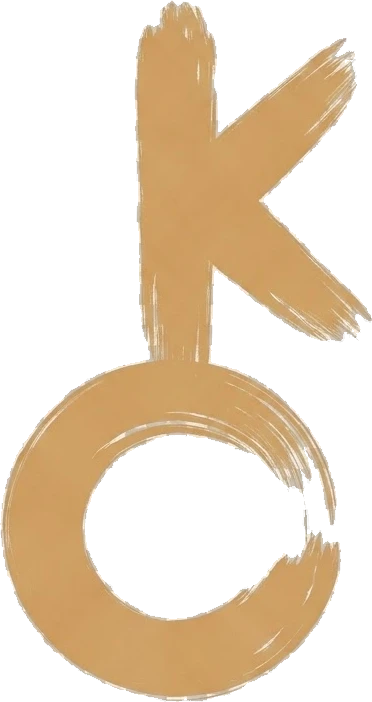 Chiron
Introduction
This pairing is one of the most spiritually charged and emotionally complex knots in the natal chart, linking the archetype of the wounded healer to the final, boundary-dissolving sign of the zodiac. Unlike placed in more structured, individuated signs, this position situates the core wound directly within the realm of collective empathy, spiritual longing, and the thin line between reality and illusion. For these individuals, the path of healing is not a linear process of fixing a broken part of the self, but a lifelong journey of learning to navigate the vast, often overwhelming sea of human suffering without being drowned by it. It is a placement that marks the soul as a natural mediator between the seen and unseen worlds, tasked with turning their own experiences of confusion, abandonment, or spiritual crisis into a lifeline for others who feel lost in the same fog.
 placed in more structured, individuated signs, this position situates the core wound directly within the realm of collective empathy, spiritual longing, and the thin line between reality and illusion. For these individuals, the path of healing is not a linear process of fixing a broken part of the self, but a lifelong journey of learning to navigate the vast, often overwhelming sea of human suffering without being drowned by it. It is a placement that marks the soul as a natural mediator between the seen and unseen worlds, tasked with turning their own experiences of confusion, abandonment, or spiritual crisis into a lifeline for others who feel lost in the same fog.
The Nature of the Aspect
This placement functions as a sign-level conjunction between the archetypal energy of and the totality of expression, creating a permanent, fused link between the soul’s core wound and the sign’s themes of boundary dissolution, collective empathy, spiritual longing, and transcendence. As a planet of the second octave, operates as a bridge between the karmic structure of and the revolutionary, liberating energy of , and when placed in , that bridge is submerged entirely in the realm of the unconscious, the mystical, and the universal. There is no traditional hard or soft aspect here, as the fusion is total: the wound and the gift are both expressed through the filter of sensitivity, imagination, and connection to the collective whole. For individuals with tightly conjunct the cusp (within 3 degrees of 0° ), the energy is applying, meaning the wound is an active, unfolding lifelong demand that pushes them toward their healing purpose; for those with late in (within 3 degrees of 29° ), the energy is separating, indicating they have already mastered core elements of this wound in past lifetimes and are now tasked with sharing that wisdom rather than processing it for themselves. The dispositor lords of this placement are (traditional ruler of ) and (modern ruler), so the expression of this placement is heavily shaped by the condition of these two planets in the chart: a strong, well-aspected or amplifies the healing gift, while a debilitated or afflicted dispositor can lead to the shadow expression of escapism and victimhood.
 expression, creating a permanent, fused link between the soul’s core wound and the sign’s themes of boundary dissolution, collective empathy, spiritual longing, and transcendence. As a planet of the second octave,
 and the revolutionary, liberating energy of
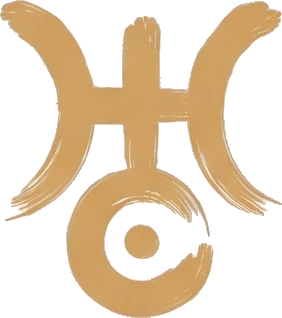 , and when placed in
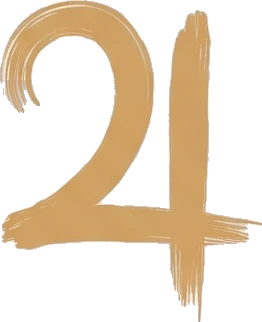 (traditional ruler of
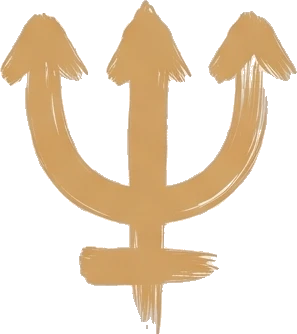 (modern ruler), so the expression of this
Symbolism and Mythology
The archetype of originates in Greek myth as the noble centaur, abandoned at birth by his mother for his unnatural, hybrid form, raised by the god Apollo to master the arts of healing, prophecy, and music, yet forever marked by an incurable wound inflicted by a poisoned arrow from Hercules’ bow. Unlike the other centaurs, who were brutish and carnal, represented the bridge between the earthly, animal nature and the divine, spiritual nature, a teacher of heroes who chose to give up his own immortality to free the titan Prometheus from eternal torment, earning a place among the stars as a symbol of sacrifice and redemptive suffering. , the final sign of the zodiac, carries its own rich mythological lineage: it is the sign of the two fish bound by a cord, one swimming toward the surface of reality, the other diving into the depths of the unconscious, representing the eternal human tension between the material world and the spiritual realm. In classical myth, is associated with Venus and Cupid, who transformed into fish to escape the monstrous Typhon, a story that marks the sign as a refuge for the vulnerable, the creative, and the spiritually attuned. When these two archetypes meet, the image is of the wounded centaur adrift in the endless, boundaryless sea of , his physical wound slowly dissolving into the salt water, transforming into a universal healing elixir for all who are lost, broken, or searching for meaning in the fog of the collective unconscious. Culturally, this pairing echoes the figure of the mystic-savior, the wounded healer who draws from their own pain to guide others out of suffering, a theme repeated in spiritual traditions from Christianity (where the fish is a symbol of Christ, the wounded savior of humanity) to Buddhist and Hindu stories of enlightened beings who attain liberation through confronting their own deepest wounds.
The Principles of the Planets in the Chart
in the Chart
functions as the soul’s marker of its deepest unhealed wound, the area of life where we feel most broken, inadequate, or excluded, but also where we hold the greatest potential to heal others who share that same wound. In its traditional expression, is associated with earthy, practical healing: teaching, mentorship, hands-on care for the body or mind. When placed in , this function is completely submerged in the watery, boundaryless energy of the sign, so the core wound is no longer a specific, tangible flaw (such as a physical disability or a struggle with a specific skill) but a diffuse, existential sense of disconnection: a feeling of being unmoored from the material world, of not belonging to any single community, of carrying the weight of collective suffering without knowing how to set it down. This placement amplifies ’s inherent duality: the wound is both a source of profound, often overwhelming suffering and a gateway to extraordinary, almost supernatural healing abilities that operate outside the bounds of conventional medicine or psychology. For these individuals, the wound is not something to be "fixed" but something to be integrated, a source of wisdom that can only be accessed by leaning into the pain rather than avoiding it.
in the Chart
is the final sign of the zodiac, the realm of the collective unconscious, boundless empathy, spiritual longing, illusion, and transcendence. Its core function is to dissolve the boundaries between the individual self and the larger whole, connecting the native to the unseen realms of spirit, art, and the shared emotional experience of humanity. energy is inherently mutable and absorptive: it takes in the moods, traumas, and energies of everyone around it, often without conscious filter, and expresses itself through creativity, spirituality, compassion, and at times, escapism or avoidance of harsh material reality. When occupies this sign, ’s usual absorptive quality is filtered through the lens of wounding, so the native does not just feel the collective’s pain — they internalize it as their own, often carrying the grief, trauma, and despair of others without realizing it is not entirely their own.
The Combined Influence
The combined influence of this pairing creates a lifelong scenario where the individual’s core identity is tied to the role of the wounded mystic: someone who has experienced profound spiritual crisis, existential despair, or deep feelings of abandonment (by the divine, by community, by family) and is tasked with turning that pain into a healing gift for others who are lost in the same fog. From childhood, these individuals often feel like outsiders, drawn to marginalized communities, to people who are struggling with mental health, addiction, grief, or spiritual disconnection, and they may find themselves taking on the role of caretaker or confidant for others without being asked. The central challenge of this placement is learning to distinguish their own emotional and spiritual pain from the pain they absorb from the collective, so they do not drown in the very suffering they are meant to heal. When integrated, this pairing produces individuals who can offer profound, soul-level healing to others, guiding people through the darkest, most confusing periods of their lives with a compassion that comes not from theory, but from lived, hard-won experience of navigating the same darkness.
Expression in Sign and House
The mutable, watery energy of colors this placement with a fluid, adaptive, and deeply empathetic style: the wound is never static, but shifts and evolves with the native’s emotional and spiritual state, and the healing gift is expressed through creativity, spirituality, and a deep connection to the collective emotional experience. The degree of within further nuances this expression: in early (0°–10°) carries a wound tied to early childhood spiritual abandonment, a feeling of being disconnected from the divine or from a sense of belonging from a young age, with a gift for early spiritual development and the ability to comfort other children who feel lost or alone. in mid- (10°–20°) carries a wound tied to collective trauma, a hypersensitivity to the suffering of the world that can feel overwhelming, with a gift for working with large groups of people to heal collective grief, trauma, and spiritual disconnection. in late (20°–29°) carries a wound tied to past-life spiritual trauma, a sense of having been abandoned or betrayed by spiritual communities in past incarnations, with a gift for advanced spiritual healing, past-life regression, and guiding souls through the transition of death.
The house placement of in determines the arena of life where the wound and gift will unfold:
- 1st house: Wound centers on self-identity, a feeling of being a shapeless chameleon who adapts to others’ expectations at the cost of their own sense of self; gift is healing others’ identity crises and helping people connect with their authentic, spiritual selves.
- 2nd house: Wound centers on self-worth and abundance, a feeling of being unworthy of material or spiritual wealth; gift is healing people’s relationship with money, self-worth, and the idea that abundance and spirituality are not mutually exclusive.
- 3rd house: Wound centers on communication, a feeling of being unable to express the depth of their inner world in words; gift is healing through creative communication: poetry, music, storytelling, and spiritual teaching that conveys complex truths in accessible, emotional language.
- 4th house: Wound centers on home and family, a feeling of being unsafe or unwelcome in their childhood home, or a sense of rootlessness; gift is healing family trauma, creating safe, sacred spaces for others, and helping people build a sense of spiritual home.
- 5th house: Wound centers on joy and creativity, a feeling of being unworthy of happiness or creative expression; gift is healing through art, music, and play, helping people reconnect with their inner child and unlock their creative potential.
- 6th house: Wound centers on daily routines and physical health, a feeling of being overwhelmed by the demands of daily life and unable to maintain structure; gift is holistic healing, energy work, and helping people integrate spiritual practices into their daily routines to support physical and mental health.
- 7th house: Wound centers on relationships, a pattern of attracting wounded, unavailable partners and a fear of abandonment; gift is healing codependent relationships, helping people find soul-aligned partnerships, and guiding others through the process of setting healthy boundaries while maintaining compassion.
- 8th house: Wound centers on shared resources, trauma, and loss, a deep fear of being betrayed or losing everything that matters; gift is healing trauma, grief, and generational wounds, helping people navigate death, dying, and the process of transformation after loss.
- 9th house: Wound centers on spirituality and higher learning, a feeling of being disconnected from traditional spiritual paths or of being a spiritual outcast; gift is teaching spirituality, philosophy, and comparative religion, helping people find a spiritual path that feels authentic to them.
- 10th house: Wound centers on public image and career, a feeling of being judged or dismissed for their spiritual or healing work in the public sphere; gift is public spiritual leadership, healing through art or media, and bringing spiritual truths to mainstream audiences.
- 11th house: Wound centers on community and belonging, a feeling of being an outsider even within groups that share their values; gift is healing community trauma, working with marginalized groups, and building inclusive, spiritually grounded communities.
- 12th house: Wound centers on the unconscious and hidden matters, a hypersensitivity to unseen energies, past-life trauma, and the collective pain of humanity; gift is healing addiction, mental health crises, and spiritual emergency, as well as mediumship and working with the collective unconscious to heal generational wounds.
Combined Influence across Positions
The sign and house work together to create a unique expression of this placement: the sign provides the style (empathetic, spiritual, creative, absorptive) while the house provides the arena where the wound and gift will be most active. For example, in in the 6th house will express the wound as a struggle to maintain daily structure and physical health due to absorbing the stress of others, with a gift for working as a holistic healer, energy worker, or caregiver in a hospital or healing center. in in the 10th house will express the wound as a fear of being judged or dismissed for their spiritual work in the public eye, with a gift for being a public spiritual leader, bestselling author of spiritual texts, or artist whose work brings healing to millions. The condition of the dispositors ( and ) further shapes this expression: a strong, well-aspected amplifies the gift through teaching, expansion, and philosophical guidance, while a strong amplifies the gift through artistic expression, mediumship, and work with the unconscious mind.
Differences Between the Male and Female Chart
The Male Chart
- Societal expectations of masculinity as stoic, unemotional, and focused on material achievement often amplify the core wound of this placement, as these individuals are taught from a young age that their natural sensitivity, empathy, and spiritual longing are signs of weakness. This can lead to a lifelong pattern of hiding their healing gifts behind a tough, aloof exterior, or expressing their pain through destructive escapism such as substance abuse, risk-taking, or isolation.
- The wound for men with this placement often centers on a feeling of being "not man enough" for being unable to conform to traditional masculine roles, or a history of being abandoned or betrayed by male role models who dismissed their sensitivity as a flaw. When integrated, this becomes a powerful gift for healing toxic masculinity, helping other men connect with their emotions, process trauma, and embrace a more expansive, compassionate definition of what it means to be a man.
- Men with in are often drawn to unconventional healing roles that allow them to work outside the bounds of traditional masculine professions: energy work, spiritual teaching, art therapy, wilderness healing, or working with animals and nature as a form of therapy. They may also be drawn to artistic expression as a way to process their pain and connect with others on a soul level.
The Female Chart
- Societal expectations of women as natural caregivers and empaths often lead to the shadow expression of this placement, as these individuals are socialized to absorb the pain of everyone around them without setting boundaries, leading to burnout, resentment, and a loss of their own sense of self. The core wound for many women with this placement is a feeling of being exploited for their empathy, of giving so much to others that they have nothing left for themselves.
- The wound for women with this placement often centers on a history of being abandoned or betrayed by female caregivers or community members, or a feeling of being "too much" for others: too sensitive, too emotional, too spiritual. When integrated, this becomes a powerful gift for healing other women, especially those who have experienced trauma, abuse, or spiritual disconnection, helping them set boundaries, reclaim their power, and connect with their own inner wisdom.
- Women with in are often drawn to traditional healing professions that align with societal expectations of femininity: nursing, midwifery, therapy, social work, or holistic health coaching. They may also be drawn to artistic expression such as poetry, dance, or music as a way to process their own pain and create space for other women to heal.
Psychological Portrait
Individuals with in possess a character defined by profound, almost preternatural empathy and a rich, imaginative inner world. From a young age, they sense the unspoken emotions and traumas of everyone around them, often absorbing these feelings as their own without conscious awareness, which can lead to frequent mood swings, feelings of being overwhelmed, and a persistent sense of being "different" from the people around them. They are naturally drawn to spiritual, artistic, and healing pursuits, and often have a deep, intuitive understanding of the unseen layers of reality that most people miss. Their core motivation is to make sense of their own pain by using it to help others, to find a sense of belonging in a world that often feels harsh and unfeeling to their sensitive natures, and to connect with a higher purpose that transcends their individual ego.
Their deepest fears revolve around being overwhelmed by the suffering of the world, of being abandoned or rejected for their sensitivity and spiritual beliefs, and of losing their fragile sense of self in the needs and emotions of others. Self-esteem for these individuals is often tied directly to their ability to be of service to others: they feel worthy when they are helping someone else, and worthless when they feel like they are not living up to their healing purpose. This can lead to a pattern of overgiving, where they neglect their own needs in order to care for everyone else, only to burn out and feel resentful when their efforts are not recognized or reciprocated.
Their style of thinking is inherently non-linear, intuitive, and associative: they process information through feelings, images, and symbols rather than cold logic, and often have a hard time distinguishing their own thoughts and emotions from those of the people around them. This makes them excellent mediators and healers, but also prone to fantasy, illusion, and self-deception, as they may idealize people or situations to avoid facing painful realities. Their attachment style is often anxious-preoccupied: they crave deep, soul-level connection with others, but fear abandonment so deeply that they may cling to unhealthy relationships or push people away before they can be hurt. Alternatively, some develop an avoidant attachment style, withdrawing into their inner world or into escapist behaviors to avoid the pain of connection altogether.
Spheres of Life
Career
Individuals with this placement thrive in careers that allow them to work with the unseen, the emotional, or the spiritual: they are naturally drawn to healing professions such as therapy, nursing, energy work, holistic health coaching, or hospice care, where they can use their empathy to comfort people in crisis. They also excel in artistic and creative fields: poetry, music, film, photography, and visual art, where they can express the depth of their inner world and connect with others on a soul level. Many are drawn to spiritual teaching, writing, or ministry, where they can share the wisdom they have gained from their own experiences of suffering and transcendence. They struggle in rigid, hierarchical, or highly competitive work environments that require them to suppress their sensitivity or prioritize profit over people, and may feel constantly drained or unfulfilled in such roles. Their ideal work environment is one that is flexible, creative, and allows them to work independently or in small, supportive teams, with plenty of time for solitude and reflection.
Relationships
In relationships, these individuals are deeply loyal, compassionate, and devoted partners, but they often struggle with boundaries, absorbing their partner’s pain and emotions as their own, which can lead to codependency and resentment. They are attracted to partners who are also sensitive, spiritual, or wounded, as they feel a natural urge to heal and care for them, but this can lead to a pattern of choosing partners who are emotionally unavailable or who take advantage of their generosity. They need partners who respect their need for solitude, who do not dismiss their sensitivity as a flaw, and who are willing to engage in deep, soul-level conversations about spirituality, emotion, and meaning. They are highly attuned to the unspoken dynamics in their relationships, and can often sense when their partner is lying or hiding something, which can lead to jealousy or distrust if they do not communicate their needs clearly. When they learn to set healthy boundaries, they are incredibly supportive, nurturing partners who create a safe, sacred space for their loved ones to be their authentic selves.
Finances
These individuals often have a complicated relationship with money, as their sensitivity leads them to view material wealth as a distraction from spiritual growth, or to feel guilty for desiring abundance when so many others are suffering. They may struggle with financial stability, as they are prone to giving away their money to people in need, or to making impulsive, emotional purchases when they are feeling overwhelmed or sad. They are not naturally good with rigid financial planning or budgeting, as they prefer to go with the flow and trust that the universe will provide for them. However, when they align their financial choices with their spiritual values, they can attract abundance through their healing or artistic work: many find financial success through careers that allow them to serve others, such as writing spiritual books, creating healing art, or offering healing services to marginalized communities. They are most financially stable when they set clear boundaries around giving, and when they view abundance as a tool to expand their healing work rather than a selfish indulgence.
Health
Psychosomatically, these individuals are prone to illnesses related to the lymphatic system, the immune system, and the feet, as rules these parts of the body, and ’s wounding energy can manifest as chronic inflammation, immune deficiencies, or foot and ankle injuries. They are also highly susceptible to stress-related illnesses, as they absorb the stress and trauma of others, which can manifest as chronic fatigue, migraines, digestive issues, or anxiety and depression. They may struggle with addiction, especially to substances that help them escape the pain of the world, such as alcohol, drugs, or excessive use of technology or social media. Their health improves dramatically when they establish regular spiritual practices such as meditation, yoga, or energy work, which help them release the energy of others that they have absorbed, and when they set clear boundaries around their time and energy to avoid burnout. They are naturally drawn to holistic and alternative healing modalities, which often work better for them than conventional Western medicine, as these modalities address the emotional and spiritual roots of their illness rather than just the physical symptoms.
Challenges and Gifts
Shadow Sides
1. Escapism and Avoidance: The most common shadow expression of this placement is a tendency to escape from pain and responsibility through addictive behaviors: substance abuse, excessive daydreaming, immersion in fantasy, or withdrawal from the material world entirely. When the wound feels too overwhelming to process, these individuals may turn to escapist coping mechanisms to avoid facing their pain, which can lead to a cycle of self-destruction and further suffering.
2. Victimhood and Martyrdom: Another shadow expression is a pattern of playing the victim or the martyr, where they use their sensitivity and past trauma as an excuse to avoid taking responsibility for their own lives, or to manipulate others into caring for them. They may feel like they are constantly sacrificing themselves for others, but in reality, they are using that sacrifice to avoid confronting their own unhealed wounds.
3. Absorbing Others' Pain to the Point of Burnout: Because of their natural empathy, these individuals often take on the pain of everyone around them without setting boundaries, leading to chronic burnout, resentment, and a loss of their own sense of self. They may feel like they are constantly carrying the weight of the world, but they never set down that weight to care for themselves, leading to physical and emotional collapse.
4. Self-Deception and Illusion: The energy of this placement can lead to a tendency to live in a fantasy world, avoiding harsh realities by lying to themselves and others about the state of their lives. They may idealize people or situations that are harmful to them, or refuse to confront their own flaws and mistakes, blaming their problems on external circumstances or the actions of others rather than taking responsibility for their own healing.
Bright Sides
1. Extraordinary Healing Gift: The greatest gift of this placement is an almost supernatural ability to heal the emotional, spiritual, and even physical wounds of others. Because they have experienced profound pain and transcendence themselves, they can offer compassion and guidance to people who are struggling with grief, trauma, addiction, or spiritual crisis in a way that no textbook or training can teach. They are often able to sense the root cause of a person’s suffering even when the person themselves cannot articulate it, and can offer healing through touch, words, art, or simply their presence.
2. Deep Connection to the Collective Unconscious: These individuals have a natural ability to tap into the collective emotional and spiritual energy of humanity, which allows them to create art, music, and writing that resonates deeply with people across cultures and generations. They are often able to express the unspoken feelings and experiences of the collective, creating works that bring comfort, healing, and a sense of belonging to people who feel alone or misunderstood.
3. Profound Spiritual Wisdom: Because they have navigated the darkest, most confusing periods of the human experience, these individuals often possess a deep, embodied spiritual wisdom that is not based on dogma or theory, but on lived experience. They are able to guide others through spiritual crisis, existential despair, and the process of letting go of the ego to connect with a higher power, without judgment or preconceived notions of what spirituality "should" look like.
4. Boundless Compassion and Altruism: Their empathy is not limited to people they know or care about: they feel a deep, universal compassion for all living beings, and are often drawn to work with marginalized communities, animals, and the environment. They are willing to sacrifice their own comfort and safety to help others, and their selfless service often inspires others to be more compassionate and generous in their own lives.
Practical Recommendations
| Sphere | Advice | Astrological Tool |
|---|---|---|
| Emotional Boundaries | Practice daily rituals to release absorbed energy from others, such as smudging with sage, taking salt baths, or visualizing a protective white light around your aura after interacting with large groups of people. | return (age 50) transit work: journal through past experiences of boundary violation to identify patterns of overgiving. |
| Spiritual Practice | Establish a regular, grounded spiritual practice that does not rely on escapism: meditation, yoga, walking in nature, or energy work that helps you stay present in your body rather than dissociating into the spiritual realm. | transit to : use this period to explore spiritual practices that feel tangible and embodied, rather than purely theoretical or fantastical. |
| Career Alignment | Choose work that aligns with your healing or creative gifts, and set clear boundaries around your time and energy to avoid burnout: say no to requests that drain you, and prioritize work that allows you to serve others without sacrificing your own well-being. | transit to : take calculated risks to expand your healing or creative work, such as starting a new business, publishing a book, or offering public workshops. |
| Relationship Health | Communicate your needs clearly to partners and loved ones, and avoid the pattern of taking on your partner’s emotional pain as your own: remind yourself that you are responsible for your own healing, not theirs. | transit to : use this period to reflect on relationship patterns, and work with a therapist or healer to release codependent dynamics. |
| Financial Stability | Create a simple, flexible budget that allows you to give to others without sacrificing your own financial security, and avoid making impulsive purchases when you are feeling emotionally overwhelmed. | transit to : use this period to build long-term financial stability, such as setting up a savings account or investing in your healing or creative business. |
| Physical Health | Prioritize regular exercise, especially activities that connect you to your body and the earth, such as hiking, swimming, or yoga, to ground your energy and prevent the absorption of others’ stress. | transit to : use this period to address any chronic health issues that may be related to stress or burnout, and work with a holistic healer to address the emotional roots of your symptoms. |
| Creative Expression | Make time for regular creative expression, such as writing, painting, playing music, or dancing, to process your emotions and connect with your inner wisdom without having to rely on words or logic. | transit to : use this period to experiment with new creative forms of expression, and share your work with others to connect with people who resonate with your healing message. |
| Community Connection | Find or build a community of like-minded, sensitive people who understand your experience and do not dismiss your empathy or spiritual beliefs as a flaw, so you do not feel alone in your wound. | Lunar transit to : use this period to connect with spiritual or healing communities that align with your values, and share your wisdom with others who are struggling with the same wound. |
 transit to
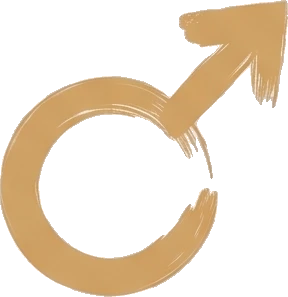 transit to
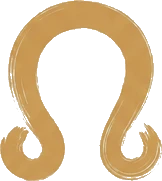 transit to
Conclusion
The path of integrating in is a lifelong journey of moving from the shadow of overwhelm, escapism, and victimhood to the highest expression of the wounded mystic: a being who has fully embraced their sensitivity as a gift, who no longer absorbs the pain of the world as their own, but instead uses their hard-won wisdom to guide others out of suffering. The first step on this path is learning to set healthy emotional and energetic boundaries, to recognize when the pain they are feeling belongs to someone else, and to prioritize their own well-being without guilt. The second step is grounding their spiritual gifts in the material world, finding tangible ways to share their healing work with others, whether through art, teaching, healing practice, or community service. The final step is surrendering the need to "fix" everyone else’s pain, and recognizing that their greatest gift is not to take away others’ suffering, but to hold space for them as they navigate their own healing journey. When fully integrated, this placement produces some of the most compassionate, wise, and spiritually gifted individuals in the world: people who have turned their deepest wounds into a beacon of hope for everyone who is lost in the fog of the sea.
This article was prepared by the [Astrobot](https://astrobot.chat) editorial team — your personal astrological assistant. The material is based on classical and modern astrological sources.
