 Natal Planets & Points in Houses & Signs
 Chiron
Introduction
This placement is one of the personality’s most fundamental, lifelong knots, as it ties three core layers of the natal chart together: the archetype of the wounded healer, the arena of deepest transformation, and the drive for meaning and expansion. Unlike temporary transit or progression influences, this is an innate structural dynamic that shapes every experience of intimacy, loss, shared resources, and spiritual growth for the native’s entire life. It is not a passing wound, but a core part of their identity: the very thing that causes them the most pain is also the source of their most unique and valuable gifts. For those with this placement, life will repeatedly bring them into contact with the 8th house’s themes—crisis, grief, inheritance, intimate vulnerability, taboo topics—not as random misfortune, but as part of a larger calling to turn personal suffering into collective wisdom. This configuration sits at the intersection of the personal and the collective, the wound and the gift, the hidden and the revealed, making it a central axis of the native’s life journey.
The Nature of the Aspect
Chiron is a second-octave minor planet, orbiting between Saturn and Uranus, representing the bridge between karmic structure and sudden spiritual awakening. It is not part of the traditional seven-planet sepent, but is widely recognized in modern classical astrology as the ruler of core, unhealable wounds that are also the source of unique healing talents. The 8th house is a succedent house of transformation, shared resources, intimate exchange, death and rebirth, and the unspoken taboos that lie beneath everyday life. It is the arena where we confront what is hidden, both in ourselves and others, and where we are forever changed by crisis, loss, or deep connection. Sagittarius is a mutable fire sign, ruled by Jupiter, the sign of the seeker, philosopher, traveler, and eternal quest for truth and higher meaning. This placement is not a traditional angular aspect between two planets, but a fused configuration where Chiron’s core function is expressed entirely through the 8th house’s arena, in the style and energy of Sagittarius. The dynamic is inherently charged, as the 8th house’s themes of vulnerability and loss directly touch Chiron’s core wound, while Sagittarius’s drive for expansion and meaning pushes the native to constantly seek purpose in that pain. The dispositor of this placement is Jupiter, ruler of Sagittarius, so the condition of Jupiter in the natal chart will shape how easily the native can integrate this dynamic: a strong, well-aspected Jupiter makes it easy to turn wound into wisdom, while a weak or afflicted Jupiter may lead to escapism or spiritual bypassing as the native tries to avoid confronting their pain. Unlike applying or separating aspects between moving planets, this is a static placement that operates as an inexorable inner demand for the native’s entire life: they will never be able to fully "heal" their Chiron wound, but they can choose to integrate it into a lifelong calling to guide others through similar pain.
 Chiron is a second-octave minor planet, orbiting between
 Saturn and
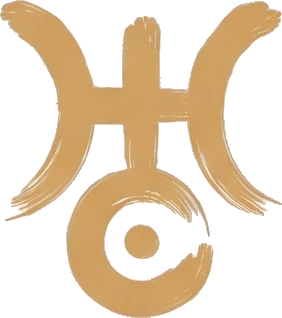 Uranus, representing the bridge between karmic structure and sudden spiritual awakening. It is not part of the traditional seven-planet sepent, but is widely recognized in modern classical astrology as the ruler of core, unhealable wounds that are also the source of unique healing talents. The 8th house is a succedent house of transformation, shared resources, intimate exchange, death and rebirth, and the unspoken taboos that lie beneath everyday life. It is the arena where we confront what is hidden, both in ourselves and others, and where we are forever changed by crisis, loss, or deep connection.
 Sagittarius is a mutable fire sign, ruled by
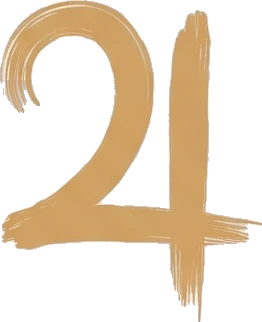 Jupiter, the sign of the seeker, philosopher, traveler, and eternal quest for truth and higher meaning. This placement is not a traditional angular aspect between two planets, but a fused configuration where Chiron’s core function is expressed entirely through the 8th house’s arena, in the style and energy of Sagittarius. The dynamic is inherently charged, as the 8th house’s themes of vulnerability and loss directly touch Chiron’s core wound, while Sagittarius’s drive for expansion and meaning pushes the native to constantly seek purpose in that pain. The dispositor of this placement is
Symbolism and Mythology
The archetype of Chiron is the wounded centaur: in Greek mythology, Chiron was born a centaur, but unlike his wild, violent kin, he was wise, kind, and skilled in medicine, hunting, and prophecy. He was accidentally wounded by a poisoned arrow shot by Heracles, and though he was the greatest healer of his age, he could not heal his own wound. He chose to give up his immortality to free himself from endless suffering, and was placed among the stars as the constellation Sagittarius, the archer. This mythological thread directly ties Chiron to Sagittarius, the centaur archer sign of the seeker, creating a perfect symbolic link for this placement: the native is both the wounded healer (Chiron) and the eternal seeker of truth (Sagittarius), whose own unhealable wound is the source of their greatest wisdom. The 8th house aligns with the mythological realm of Hades, the underworld threshold between life and death, ruled by Pluto (the modern ruler of the 8th) and Persephone, queen of the dead. This is the domain of transformation through crisis, where what is hidden is brought to light, and where the old self must die for the new self to be born. In this mythological framework, the native with Chiron in the 8th in Sagittarius is the guardian of this threshold: they have walked through the underworld of their own pain, and now have the wisdom to guide others through their own journeys of death and rebirth. The Sagittarian drive for higher meaning ties this personal journey to a collective calling: the native is not just healing their own wound, but is tasked with expanding collective understanding of transformation, grief, and the meaning of suffering. This placement also echoes the myth of Persephone, who was abducted to the underworld and returned to the surface each year, bringing with her the wisdom of the hidden realms: the native moves between the world of everyday life and the hidden depths of the 8th house, bringing back wisdom from the underworld to share with others.
The Principles of the Planets in the Chart
Chiron in the Chart
Chiron represents the core, unhealable wound that is also the source of unique healing gifts. It marks the area of life where the native feels most broken, excluded, or different from others, but which also gives them the deepest empathy and ability to guide others who share that same wound. Unlike Saturn, which represents karmic obligations that can be worked through over time, Chiron’s wound is permanent: it cannot be fully healed, but it can be integrated into a source of strength and purpose. When placed in the 8th house, Chiron’s wound is tied directly to the themes of the 8th: trust in intimate exchange, fear of loss of control, anxiety around shared resources, discomfort with death, grief, and taboo topics, and a sense of vulnerability when faced with the hidden undercurrents of life. The native may have experienced early trauma around these themes—such as the death of a loved one, inheritance disputes, sexual trauma, or a sense of being excluded from intimate family conversations—which leaves a permanent scar that shapes their approach to vulnerability and connection. At the same time, this placement gives the native a unique, hard-earned wisdom around these topics, as well as the resourcefulness, wit, and inventiveness associated with Chiron, allowing them to find creative solutions to problems that others cannot solve.
The 8th House in the Chart
The 8th house is the realm of shared resources, intimate transformation, death and rebirth, psychic experience, and the unspoken rules that govern deep connection. It is the arena where we confront what is hidden, both in ourselves and others, and where we are forced to let go of what no longer serves us in order to be reborn as a more authentic version of ourselves. Unlike the 2nd house, which represents personal resources and self-worth, the 8th house represents resources that are shared with others: inheritance, joint finances, a partner’s income, and the emotional and energetic exchange that happens in intimate relationships. It is also the house of taboos: topics that are considered too painful, too shameful, or too dangerous to discuss in polite society, such as death, sex, trauma, and mental illness. For most people, the 8th house is a source of fear, as it represents the parts of life that are out of our control. For the native with Chiron here, however, this house is both their greatest wound and their greatest calling, as they are forced to confront these fears head-on, and are uniquely positioned to help others do the same.
The Combined Influence
This placement creates a lifelong dynamic where the native’s core wound is inseparably linked to their drive for meaning and truth. They may spend their entire life searching for philosophical, spiritual, or psychological frameworks to make sense of their pain, and may become experts in fields like theology, psychology, grief counseling, or occult studies as a way of processing their own experience. Their Sagittarian energy pushes them to share what they learn with others, to expand collective understanding of transformation, and to turn their personal pain into a gift that can help others. At the same time, their wound may make them avoid the very 8th house themes they are called to engage with: they may flee from intimate relationships, avoid talking about death or grief, or use philosophical abstraction to minimize their own pain rather than sitting with it. The key to integrating this placement is to recognize that their wound is not a flaw, but a sacred scar that gives them unique access to the deepest layers of human experience. When they stop running from their pain, and start using it to guide others, they become a powerful force for healing and transformation in the world.
Expression in Sign and House
Sagittarius as the Sign of Expression
Sagittarius is a mutable fire sign, ruled by Jupiter, the sign of the seeker, philosopher, traveler, and eternal quest for truth and higher meaning. Its mutable quality makes the native highly adaptable in the face of crisis, able to adjust their approach to healing and guidance to fit the needs of different people and situations. Its fire energy makes their approach active, enthusiastic, and driven by a desire to expand understanding, rather than simply dwelling on pain. However, Sagittarius’s tendency toward optimism and abstraction can also lead to spiritual bypassing: the native may try to assign meaning to every painful experience, or minimize their own or others’ suffering by saying “everything happens for a reason,” rather than sitting with the raw reality of grief or trauma. Sagittarius’s association with higher learning and travel means the native may find healing through studying philosophy, theology, or psychology, or through travel to places with deep spiritual or transformative energy. They may also be drawn to cross-cultural healing work, using their global perspective to help people from different backgrounds navigate 8th house crises. Traditional astrological sources note that Sagittarius in the 8th house brings strong financial prospects from public, teaching, or publishing activities, as well as luck in speculative ventures if risk is carefully managed, which aligns with the native’s potential to build a career around sharing their wisdom with a wide audience.
The 8th House as the Arena of Expression
The 8th house is the arena where the native’s wound and gift play out. Its themes of shared resources mean the native may have early experiences of financial instability, inheritance disputes, or betrayal around joint finances, which creates a core wound around trust and power in intimate relationships. Its themes of intimacy and sexuality mean the native may have experienced trauma around sexual vulnerability, or may have a deep fear of being exposed or betrayed in intimate relationships. Its themes of death and grief mean the native may have experienced early loss of a loved one, or may have a persistent fear of abandonment in times of crisis. Its themes of taboos and the occult mean the native may have a natural talent for reading hidden motivations, understanding unspoken dynamics, or working with energy healing, but may also fear their own psychic abilities, or feel overwhelmed by the pain they pick up from others. Traditional sources also note that Sagittarius in the 8th indicates a tendency toward frequent travel and change of residence, often to another country, as part of the native’s healing journey, as well as a wide circle of contacts and a philosophical approach to life’s challenges.
Combined Influence Across Positions
Since Jupiter is the dispositor of this placement, its condition in the natal chart will shape how the dynamic plays out. If Jupiter is strong and well-aspected, in a fire or air sign, the native will be outgoing, confident, and able to share their healing gifts with a wide audience through teaching, writing, or public speaking. If Jupiter is weak or afflicted, in an earth or water sign, the native may struggle with self-doubt, may feel like their quest for meaning is constantly thwarted, and may turn to escapism to avoid their pain. If Chiron forms a tight aspect to other planets, this will further color the expression: for example, Chiron conjunct Venus in the 8th in Sagittarius would tie the wound to love and intimacy, with the healing gift focused on helping others heal from relationship trauma, while Chiron square Mars would add a layer of drive and conflict, with the native may act out their wound through power struggles around shared resources, but also have the courage to fight for others who are being exploited.
 Venus in the 8th in Sagittarius would tie the wound to love and intimacy, with the healing gift focused on helping others heal from relationship trauma, while Chiron square
 Mars would add a layer of drive and conflict, with the native may act out their wound through power struggles around shared resources, but also have the courage to fight for others who are being exploited.
Differences Between the Male and Female Chart
The Male Chart
Societal conditioning often discourages men from expressing vulnerability, so the native may spend years hiding his core wound behind a facade of philosophical optimism, adventurousness, or stoicism, avoiding conversations about grief, trauma, or intimate vulnerability. He may be drawn to roles that allow him to guide others through crisis while maintaining a sense of authority: for example, a trauma therapist specializing in men’s issues, a financial advisor for people going through divorce or inheritance disputes, or a spiritual teacher focused on meaning in grief. His wound may manifest as a deep fear of dependence on a partner, leading him to flee intimate relationships when they become too emotionally demanding, preferring to keep connections focused on shared adventure or intellectual exchange rather than deep emotional vulnerability. He may also struggle with escapism through over-travel, extreme sports, or risky financial behavior to avoid sitting with his pain, but when integrated, he becomes a powerful role model for other men, showing that vulnerability is not a weakness, but a source of strength and wisdom.
The Female Chart
Societal conditioning often encourages women to be caregivers, so the native may have a tendency to over-give in intimate relationships, using her philosophical or spiritual gifts to help others while neglecting her own need for support and vulnerability. She may be drawn to roles that allow her to nurture others through crisis: for example, a hospice worker, grief counselor, teacher of transformative arts, or advocate for people dealing with domestic violence or inheritance disputes. Her wound may manifest as a fear of being abandoned in times of crisis, leading her to attract partners who are emotionally unavailable or who exploit her resources, as she has learned to equate love with sacrifice and shared pain. She may also struggle with feeling like her healing gifts are not taken seriously, or that she is expected to be the "strong one" for others while her own wound remains unhealed, but when integrated, she becomes a powerful voice for feminine wisdom around transformation, grief, and shared power, helping other women reclaim their vulnerability as a source of strength.
Psychological Portrait
Character
The native is a natural philosopher of the human condition, with a deep, innate empathy for people who are going through crisis, loss, or transformation. They are drawn to taboo topics, to the unspoken rules that govern intimate relationships, and to the search for meaning in pain, often feeling like an outsider in conversations about superficial, everyday topics. They are optimistic at their core, driven by Sagittarius’s innate belief that every crisis has a purpose, but they may also struggle with a tendency to minimize their own pain, or to push through difficult emotions rather than sitting with them. They have a dual nature, as noted in traditional astrological sources: one side is the adventurous, outgoing Sagittarian who loves to travel, share wisdom, and connect with others, while the other side is the wounded, vulnerable person who fears intimacy and loss. Integrating this duality is a core part of their life journey.
Motivation
Their core motivation is to find meaning in their own wound, and to help others do the same. They are driven by a desire to turn their deepest pain into a gift that can expand other people’s understanding of life, death, and connection. They may feel a lifelong calling to teach, write, or speak about transformation, grief, or shared resources, as they have a unique perspective that comes from personal experience, rather than just academic study. They are not satisfied with superficial answers to life’s big questions, and are constantly seeking deeper understanding, both for themselves and for others.
Fears
Their deepest fear is being abandoned in a time of crisis, or being powerless in the face of loss or betrayal. They may fear that their wound is too big to heal, or that they will never be able to trust others enough to let their guard down. They may also fear that their quest for meaning is meaningless, that their pain has no purpose, and that they are destined to be stuck in cycles of crisis forever. This fear can lead them to flee from intimacy, to avoid talking about painful topics, or to overwork or over-travel to avoid sitting with their emotions.
Self-Esteem
Their self-esteem is tightly tied to their ability to help others navigate pain. When they are able to use their wound to guide others, they feel powerful, wise, and valuable, like they are fulfilling their life’s purpose. When they feel like they are unable to make sense of their own pain, or that their healing gifts are not being received, they may feel inadequate, broken, or like they are failing at their calling. They may struggle with imposter syndrome, feeling like their wisdom is not legitimate because it comes from personal pain rather than formal study.
Style of Thinking
They think in big, abstract frameworks, connecting personal pain to collective human experience. They are good at seeing the big picture, at finding patterns in crisis, and at turning personal trauma into universal wisdom. They may struggle with small, mundane details, preferring to focus on the larger meaning of their experiences rather than the nitty-gritty of everyday life. They are natural storytellers, able to weave their own experiences into narratives that help others see their own pain in a new light.
Attachment Style
They may have an avoidant attachment style, as their core wound is tied to vulnerability and surrender in intimate relationships. They may crave deep connection, but fear being hurt or betrayed, so they keep relationships at a distance, focusing on shared adventure or intellectual connection rather than emotional intimacy. When they feel safe with a partner, however, they can be deeply loyal, generous, and open, and are often willing to go to great lengths to support their loved ones through crisis. They may also have an anxious-avoidant dynamic, where they crave connection but pull away when they feel too vulnerable, leading to cycles of closeness and distance in relationships.
Spheres of Life
Career
The native is drawn to careers that involve guiding others through transformation, crisis, or deep learning. They may be therapists, grief counselors, hospice workers, financial advisors for people going through divorce or inheritance disputes, teachers of philosophy or spirituality, writers focusing on trauma and healing, or advocates for people dealing with abuse, exploitation, or loss. They may also be drawn to careers involving travel, cross-cultural exchange, or higher education, as Sagittarius energy drives them to share their wisdom with a wide audience. They will feel unfulfilled in routine, repetitive jobs that do not allow them to connect with deeper meaning, and may change careers multiple times as they search for a path that aligns with their calling. They have a natural talent for teaching and public speaking, and may find great success in roles that allow them to share their story with a large audience.
Relationships
Their intimate relationships are often intense, transformative, and tied to deep learning. They may attract partners who are going through a crisis, or who have their own deep wounds, as they are drawn to people who are seeking meaning in pain. They may struggle with trust, with a fear of betrayal, or with a tendency to flee relationships when they become too emotionally demanding, as vulnerability triggers their core wound. They may also have a pattern of sharing resources with partners, or dealing with inheritance or joint financial matters in relationships, which can bring up their core wound around power and control. When integrated, they can be deeply loyal, supportive partners, who help their loved ones grow through crisis, and who bring a sense of meaning, adventure, and growth to the relationship. They may also have a large circle of friends from different cultures and backgrounds, as their Sagittarian energy drives them to connect with people from all walks of life.
Finances
The native has a complicated relationship with money, especially when it comes to shared resources, inheritance, or other people’s finances. They may have a wound around early financial instability, or may have experienced betrayal around shared money, which makes them wary of depending on others financially. They may also have a natural talent for managing other people’s money, for investing in long-term transformative projects, or for making money through teaching, writing, or speaking about topics related to transformation and meaning. They may struggle with impulsive spending, gambling, or risky financial behavior as a way of avoiding the fear of loss, but when integrated, they can be very responsible with shared resources, and may use their financial gifts to help others who are going through crisis. Traditional sources note that Sagittarius in the 8th house brings good financial prospects from public or teaching activities, as well as luck in speculation if risk is carefully managed, which aligns with their potential to build wealth through sharing their wisdom.
Health (Psychosomatic Tendencies)
The 8th house is associated with the reproductive system, colon, and pelvic region, while Sagittarius is associated with the hips, thighs, liver, and nervous system. The native may experience psychosomatic tension in these areas, especially when they are avoiding their wound or running from pain. They may struggle with chronic pain, digestive issues, or nervous system tension, which is often tied to unprocessed grief or trauma. They may also have a tendency to overexert themselves, to push through pain rather than resting, as Sagittarius energy drives them to keep moving, questing, and achieving rather than sitting with discomfort. When integrated, they may find that physical practices like yoga, hiking, or travel to healing destinations help them process their wound and release stored trauma. Traditional sources also note that Sagittarius in the 8th can bring tendencies toward fevers, pneumonia, sciatica, or ulcers on the hips and buttocks, which are often exacerbated by stress and unprocessed emotion.
Challenges and Gifts
Shadow Sides
1. Escapism: The native may use Sagittarius’s drive for expansion and adventure to flee from their wound, traveling constantly, jumping from one philosophical framework to another, or engaging in risky behavior (gambling, extreme sports, substance use) to avoid sitting with the pain of their core wound.
2. Spiritual Bypassing: They may use their quest for meaning to minimize their own or others’ suffering, saying “everything happens for a reason” to avoid confronting grief, trauma, or injustice, rather than sitting with the raw reality of pain.
3. Codependent Healing: They may become obsessed with healing others, using other people’s crises as a way to avoid working on their own wound, or feeling like they are only valuable if they are helping someone else through pain.
4. Power Struggles Around Shared Resources: Their wound around trust and vulnerability may manifest as a need to control shared finances, inheritance, or intimate exchanges, leading to power struggles with partners, family members, or business associates. They may also attract people who try to exploit their resources, as they have a hard time setting boundaries around shared vulnerability.
5. Fear of Intimacy: They may avoid deep emotional connection, preferring to keep relationships superficial or focused on shared adventure, as they fear being hurt or betrayed if they let their guard down. This can lead to cycles of loneliness, as they crave connection but are afraid to be vulnerable.
Bright Sides
1. Natural Healing Wisdom: They have a unique, hard-earned wisdom around transformation, grief, and crisis, which allows them to guide others through some of the most painful experiences of life with compassion, insight, and a sense of meaning. Their advice is not theoretical, but comes from personal experience, making it deeply authentic and relatable.
2. Ability to Normalize Taboo Topics: They are not afraid to talk about the unspoken topics—death, sex, trauma, mental illness—and can help others feel safe discussing these topics, breaking the stigma around pain and vulnerability. They can create safe spaces for people to share their deepest fears and shames without judgment.
3. Cross-Cultural Healing Perspective: Their Sagittarian energy gives them a global perspective, allowing them to bridge cultural gaps in healing, helping people from different backgrounds understand and process their pain through shared meaning systems. They may be particularly gifted at working with immigrants, refugees, or people from marginalized communities who have experienced collective trauma.
4. Resilient, Hard-Won Optimism: Even after going through deep crisis, they have an innate ability to find meaning in their pain, to bounce back from loss, and to inspire others to do the same. Their optimism is not naive or dismissive of suffering, but is rooted in personal experience, making it deeply credible and hopeful.
5. Innovative Healing Methods: Their Chiron energy gives them resourcefulness and inventiveness, allowing them to create new, innovative methods of healing that combine traditional wisdom with modern approaches. They may be pioneers in fields like trauma-informed therapy, integrative medicine, or spiritual counseling, creating new frameworks for understanding and healing pain.
Practical Recommendations
| Sphere | Advice | Astrological Tool |
|---|---|---|
| Core Wound Integration | Schedule regular, unstructured time to sit with your pain without trying to fix it or assign meaning immediately. Journal about your experiences of loss, betrayal, or crisis to identify recurring patterns, rather than fleeing to travel or philosophical abstraction to avoid discomfort. Allow yourself to grieve without forcing a "silver lining," as not all suffering has an immediate lesson. | Meditate on the placement of your natal Chiron and its dispositor Jupiter; track lunar transits to Chiron, which will bring up old wounds for processing, rather than avoiding them. Work with the energy of the Sagittarius new moon to set intentions for meaning-making without bypassing pain. |
| Intimate Relationships | Practice gradual vulnerability: share small, personal details with trusted partners before moving to deeper, more taboo topics. Create clear, written agreements for shared resources and emotional labor to avoid codependency or power struggles. Avoid idealizing partners as "saviors" who will fix your wound, as this will lead to disappointment and betrayal. | Work with transits of Venus and Mars to your 8th house and Chiron, which will activate themes of intimacy and trust. Use Venusian rituals, like creating a shared sacred space with your partner or exchanging small, meaningful gifts, to build safety in connection. |
| Career and Purpose | Seek roles that allow you to turn your personal experience of crisis into guidance for others: teaching, counseling, writing, advocacy, or cross-cultural healing work. Avoid roles that are too routine or that do not allow you to connect with deeper meaning, as you will feel unfulfilled and restless. You may find success in publishing, podcasting, or public speaking, as Sagittarius energy drives you to share your wisdom with a wide audience. | Align your career moves with transits of Jupiter (your dispositor) to your 10th house, which will bring opportunities to share your wisdom publicly. Use Jupiterian rituals, like setting intentions for expansion before starting a new project or donating a portion of your earnings to a cause you care about, to attract meaningful work. |
| Financial Boundaries | Create clear, written agreements for all shared finances, including joint accounts, inheritances, and loans to family or friends. Avoid impulsive spending or risky investments as a way of avoiding fear of loss, and work with a financial advisor who understands the unique dynamics of shared resources and transformation. Do not lend money to friends or family if it will put your own financial security at risk, as this will trigger your core wound around betrayal. | Track transits of Saturn (the planet of structure and karma) to your 8th house and Chiron, which will bring up themes of financial responsibility and karmic debt. Use Saturnian rituals, like creating a long-term budget, paying off debt, or creating a will and estate plan, to build security around shared resources. |
| Spiritual Practice | Develop a spiritual practice that balances meaning-making with acceptance of pain: avoid spiritual bypassing by acknowledging that not all suffering has a clear "lesson," and allow yourself to grieve without trying to find a silver lining. Explore practices that connect you to the hidden layers of life, such as meditation, energy healing, or working with dreams, as these will help you process unspoken trauma. | Work with transits of Neptune (the planet of spirituality and the unconscious) to your 8th house, which will deepen your connection to the hidden layers of experience. Use Neptunian rituals, like spending time in nature, practicing compassion meditation, or creating art about your experiences, to process unspoken pain. |
| Physical Health | Pay attention to psychosomatic tension in your hips, thighs, liver, and pelvic region, which are associated with Sagittarius and the 8th house. Release stored trauma through movement practices like yoga, dance, or hiking, rather than pushing through pain to maintain a facade of strength. Avoid overexerting yourself, as Sagittarius energy can drive you to push through exhaustion to achieve your goals. | Track transits of Mars (the planet of action and energy) to your 6th house (the house of health) and 8th house, which will bring up themes of physical tension and burnout. Use Martian rituals, like regular exercise, breathwork, or setting clear boundaries around work and rest, to release stored energy and prevent burnout. |
| Creative Expression | Use creative outlets like writing, art, or music to process your wound and share your wisdom with others. You do not have to turn your pain into a "lesson" for others—sometimes simply expressing the raw reality of your experience is enough to help others feel less alone. You may have a natural talent for storytelling, as Sagittarius energy gives you a way with words, and Chiron gives you a unique perspective to share. | Work with transits of Mercury (the planet of communication) to your 8th house and Chiron, which will bring opportunities to share your story. Use Mercurial rituals, like journaling, writing a blog, or creating art about your experiences, to turn your wound into creative expression. |
| Community Connection | Seek out communities of people who have experienced similar 8th house crises: grief groups, trauma support groups, or communities of people who have experienced loss or transformation. Sharing your story with others who understand will help you feel less alone, and may reveal new layers of meaning in your wound. You may also find fulfillment in volunteering to help others going through crisis, as this aligns with your calling to turn your pain into service. |
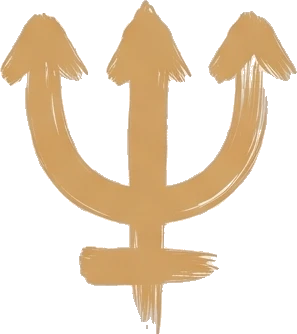 Neptune (the planet of spirituality and the unconscious) to your 8th house, which will deepen your connection to the hidden layers of experience. Use Neptunian rituals, like spending time in nature, practicing compassion meditation, or creating art about your experiences, to process unspoken pain.
 Mercury (the planet of communication) to your 8th house and Chiron, which will bring opportunities to share your story. Use Mercurial rituals, like journaling, writing a blog, or creating art about your experiences, to turn your wound into creative expression.
Track transits of the North Node (the point of karmic growth) to your 8th house, which will bring opportunities to connect with soul-level communities. Use Node rituals, like attending a support group or volunteering at a hospice or trauma center, to align with your karmic purpose.
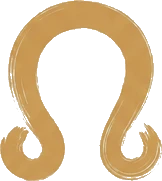 North Node (the point of karmic growth) to your 8th house, which will bring opportunities to connect with soul-level communities. Use Node rituals, like attending a support group or volunteering at a hospice or trauma center, to align with your karmic purpose.
Conclusion
The path of integrating this placement is a lifelong journey of moving from the shadow of escapism, spiritual bypassing, and fear of vulnerability, to the highest expression of being a guide for others through transformation. The native’s wound is not a flaw to be fixed, but a sacred scar that gives them unique access to the deepest layers of human experience. When they stop running from their pain, and start using it to help others, they become a beacon of hope for people who are going through the same crises they once faced. Their life’s work is to bridge the gap between the underworld of pain and the higher meaning of the Sagittarian quest, showing others that even the deepest wound can be turned into a source of wisdom, connection, and expansion. They do not need to have all the answers, or to have "healed" their wound completely: their value lies in their ability to walk with others through the dark, and to share the light they found on the other side. This placement is a gift, not a curse, for those who are willing to embrace the depth of their own experience, and to use it to lift up others.
This article was prepared by the [Astrobot](https://astrobot.chat) editorial team — your personal astrological assistant. The material is based on classical and modern astrological sources.

 Pisces. It creates a lifelong inner tension between the desire for unapologetic personal autonomy and the quest for universal spiritual or philosophical meaning, often manifesting as a pull to explore marginalized, forbidden, or suppressed systems of belief. The individual has an innate gift for perceiving hidden truths behind established dogma, but risks falling into escapism, self-deception, or self-sabotage if they cannot ground their mystical insights in practical reality. The core path of integration is to embrace the exiled parts of the self as a source of liberating wisdom, rather than a source of shame, and to use their unique perspective to challenge oppressive systems with compassion and courage.