 Natal Planets & Points in Houses & Signs
 Mars
Introduction
The 3rd house is the astrological domain of the lower rational mind, early education, short journeys, siblings, neighbors, and everyday communication — the arena where we process information and interact with our immediate, local environment. Mars, the planet of will, physical energy, assertion, and the drive to pursue desires, is the most action-oriented of the personal planets, oriented towards external, active expression. Pisces, the mutable water sign, is the most boundaryless, intuitive, and idealistic sign of the zodiac, ruled traditionally by Jupiter and modernly by Neptune, associated with compassion, spiritual longing, and the dissolution of rigid structures. This placement is a key lifelong knot because it ties the core function of action and assertion directly to the way we think, speak, and engage with our daily surroundings, filtered through the most fluid, emotionally absorbent sign in the zodiac. It creates a permanent tension between the need to push ideas forward, take initiative in local matters, and defend one’s perspective, and the tendency to absorb others’ emotions, avoid direct conflict, and get lost in fantasy rather than taking practical action. Unlike aspects between separate planets, this is a permanent fusion of a planetary function with a house cusp, meaning Mars’ energy is automatically and continuously directed into 3rd house affairs, with no separation between the two drives. This makes 3rd house matters the primary arena where the person experiences both their greatest triumphs and their deepest frustrations, as their core will is tied to how they communicate, learn, and interact with their immediate community.
 Pisces, the mutable water sign, is the most boundaryless, intuitive, and idealistic sign of the zodiac, ruled traditionally by
 Jupiter and modernly by
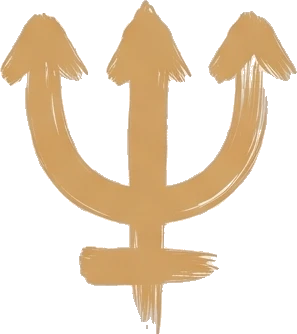 Neptune, associated with compassion, spiritual longing, and the dissolution of rigid structures. This placement is a key lifelong knot because it ties the core function of action and assertion directly to the way we think, speak, and engage with our daily surroundings, filtered through the most fluid, emotionally absorbent sign in the zodiac. It creates a permanent tension between the need to push ideas forward, take initiative in local matters, and defend one’s perspective, and the tendency to absorb others’ emotions, avoid direct conflict, and get lost in fantasy rather than taking practical action. Unlike aspects between separate planets, this is a permanent fusion of a planetary function with a house cusp, meaning
The Nature of the Aspect
This configuration is a tight conjunction between Mars and the 3rd house cusp, with an orb of up to 8° (the standard maximum for natal conjunctions per classical guidelines). As a conjunction, it represents a complete fusion of the two functions: Mars’ drive and assertiveness are permanently wired to the 3rd house’s affairs, meaning action and initiative are almost always directed towards communication, learning, short travel, sibling relationships, or local community matters. The aspect is applying if Mars sits at an earlier degree of Pisces than the 3rd house cusp, meaning the need to act in these arenas is an inexorable, lifelong inner demand that builds in intensity over time. This is not a conscious choice, but a deep, innate drive that feels as essential as breathing, pushing the person to constantly seek out new information, share their ideas, and engage with their surroundings. If the aspect is separating, with Mars at a later degree than the cusp, the person has already mastered some of the tension of this placement, with experience directing their assertiveness in communication, but the core pattern of fusing action with Piscean sensitivity remains. Unlike hard aspects ( squares, oppositions) which create friction that must be overcome through effort, this conjunction creates an easy, automatic channel for Mars’ energy to flow into 3rd house matters — but this ease carries the risk of inertia, as the person may take their natural communication skills and mental energy for granted, failing to develop them fully. The soft, fluid nature of Pisces also softens Mars’ typically sharp, direct energy, so the friction that usually comes with Mars placements is muted, replaced by a more indirect, intuitive form of assertiveness. Additionally, because the 3rd house is ruled by Mercury, this conjunction creates an implicit aspect between Mars and Mercury, giving the person quick, lively, impulsive thinking, a talent for debate and persuasive speech, but also a tendency to speak before thinking, which can lead to misunderstandings or hurt feelings. The soft, intuitive energy of Pisces may also make it difficult for the person to organize their thoughts logically, leading to scattered, rambling speech or writing if they do not make an effort to structure their ideas.
 squares,
 oppositions) which create friction that must be overcome through effort, this conjunction creates an easy, automatic channel for
 Mercury, this conjunction creates an implicit aspect between
Symbolism and Mythology
In classical mythology, Mars is the Roman god of war, but also a protector of agriculture and community, associated with courage, physical strength, the drive to overcome obstacles, and the willingness to fight for what one values. He is a masculine, nocturnal planet, oriented towards action that often happens behind the scenes or through emotional, rather than purely rational, channels, rather than the loud, public warfare associated with the sun. Pisces is symbolized by two fish tied together by a cord, swimming in opposite directions — one towards the material world, one towards the spiritual. This symbolizes the sign’s core duality: the tension between the desire to engage with the world and the desire to transcend its limitations, between compassion for others and the need for emotional retreat. The mythological image of this placement is a warrior who has laid down his armor to swim with the fish: he no longer fights with a sword, but with words of healing, with stories that inspire, with quiet acts of protection for the vulnerable. He is drawn to the currents of intuition and imagination, and may struggle to stay grounded in the practical demands of the material world, often getting lost in his own dreams when he should be taking direct action. The traditional ruler of Pisces is Jupiter, the higher octave of Mars, which creates a natural reception between the two planets: Mars is in Jupiter’s sign, which softens its harsher qualities, expanding its drive towards idealistic, collective good rather than personal gain. This reception is a beneficial factor, as it reduces the risk of the person using their assertiveness in cruel, selfish, or destructive ways, and instead channels it towards benevolent, expansive goals.
The Principles of the Planets in the Chart
Mars in the Chart
Normally, Mars governs the function of will, assertion, physical energy, aggression, and the drive to pursue one’s desires, protect oneself, and compete for resources. In this placement, Mars’ energy is filtered through the 3rd house cusp conjunction and the Pisces sign, so its expression is no longer focused on general self-assertion, but specifically on communication, learning, short travel, and interactions with siblings, neighbors, and local community members. The typical sharpness and directness of Mars is softened by Pisces’ sensitivity, so the person does not assert themselves through brute force or direct confrontation, but through persuasive communication, creative expression, or quiet, behind-the-scenes action. Their drive is tied to their ideals and empathy, rather than personal ambition, and they are far more likely to fight for a cause they believe in than to compete for personal status or power. Mars is not in its traditional domicile, exaltation, or detriment in Pisces, but the reception with Jupiter, the sign’s traditional ruler, gives it a beneficial, expansive quality, softening its harsher traits and channeling its drive towards idealistic, collective goals.
3rd House in the Chart
The 3rd house governs the lower rational mind, early education, short journeys, sibling relationships, neighborly interactions, everyday communication, and small-scale local transactions. Normally, it is a cadent house, associated with mental activity and daily routines rather than major life events. The conjunction with Mars activates this house as a core arena of action in the person’s life: they have a lifelong, unquenchable need to learn, communicate, travel locally, and engage with their immediate community. They are constantly processing new information, sharing ideas with others, and taking initiative in small, daily matters, rather than focusing on long-term, grand goals. As a cadent house of the mutable cross, the 3rd house also indicates a flexible, adaptive approach to learning and communication: the person is able to adjust their thinking and speaking style to fit any audience, and is comfortable with change and uncertainty in their daily routines.
The Combined Influence
The fusion of Mars and the 3rd house cusp in Pisces creates a single, cohesive life scenario: the person’s primary mode of engaging with the world is through mental and communicative activity, but their assertiveness is colored by deep empathy, intuition, and idealism. They are not interested in fighting for personal gain; they fight to share their vision of a more compassionate, beautiful world, to defend vulnerable people, or to express their rich inner life through words, art, or storytelling. Their energy in communication is either deeply inspiring and persuasive, or frustratingly vague and indirect, depending on how well they have integrated the tension of this placement. The implicit aspect to Mercury, ruler of the 3rd house, gives them a quick, lively mind, but also a tendency to jump to conclusions or speak impulsively, which can lead to misunderstandings if they do not make an effort to slow down and organize their thoughts before sharing them.
Expression in Sign and House
The Influence of Pisces
Pisces is a mutable water sign, so its style of expression is fluid, adaptive, intuitive, and emotionally absorbent. As the traditional domicile of Jupiter, the sign expands Mars’ drive, giving the person a natural talent for communicating big, idealistic ideas, and a desire to use their assertiveness to benefit the collective rather than just themselves. The modern ruler Neptune adds a dreamy, imaginative, spiritual edge: the person may have a natural talent for creative writing, poetry, music, or spiritual teaching, as their Mars energy is filtered through Neptune’s inspiration and connection to the unconscious. The mutable quality of the sign means the person’s assertiveness is flexible, not rigid: they can adapt their communication style to fit any audience, and are able to find creative, unconventional solutions to problems. However, the sign’s tendency towards avoidance and escapism can also lead the person to retreat into fantasy rather than taking direct action when faced with difficult tasks or conflict. Mars in Pisces is also prone to taking on others’ pain and suffering as their own, leading to emotional exhaustion if they do not set clear boundaries.
The Influence of the 3rd House
The 3rd house is a cadent house, meaning its energy is expressed through daily habits, small actions, and routine interactions, rather than grand, public gestures. This means the person’s Mars drive is focused on small-scale, everyday matters: they may not be a famous public speaker or activist, but they are the person who organizes local community events, who writes a popular local blog, who tutors children in their neighborhood, who always has a kind word and a helpful suggestion for their neighbors. Their impact is felt in their immediate community, rather than on a global scale, but it is no less meaningful for that. The 3rd house also governs siblings, so this placement often indicates a close, sometimes complicated relationship with siblings: the person may be very protective of younger siblings, or may have a history of conflict or competition with siblings that they work to resolve through communication and empathy over the course of their life.
Combined Influence Across Positions
If Mars falls in the early degrees of Pisces in the 3rd house, applying to the cusp, the person has a lifelong, inexorable drive to express their ideas and take initiative in 3rd house matters. They will actively pursue opportunities to learn, travel, communicate, and engage with their community, even in the face of obstacles, and their assertiveness will grow stronger as they age. They may have a tendency to jump into new projects or learning opportunities without finishing old ones, as their mutable energy leads them to follow their inspiration from one idea to the next. If Mars falls in the later degrees of Pisces, separating from the cusp, the person has already developed their communication and assertive skills in early life, and may have a more relaxed, easygoing approach to 3rd house matters. They may still have a natural talent for persuasive communication, but they are less driven to actively pursue new opportunities in these areas, preferring to work at their own pace, following their inspiration rather than external goals. They may also have a more practical approach to their ideas, having learned from early experience to balance their big-picture vision with concrete, actionable steps.
Differences Between the Male and Female Chart
The Male Chart
In a male natal chart, Mars is the natural ruler of the masculine principle, so this placement amplifies the core Mars energy, but softens it with Pisces’ sensitivity. The man with this placement is far less aggressive and confrontational than the typical Mars-ruled man, preferring to resolve conflicts through dialogue, compromise, or creative problem-solving rather than direct force. He may struggle with traditional societal expectations of masculinity, feeling uncomfortable with overt displays of aggression or competition, and may be drawn to careers or hobbies that are traditionally considered "feminine," such as writing, art, counseling, or healing. He is often very protective of his siblings, close friends, or community members, using his assertiveness to defend vulnerable people rather than to dominate others. He may avoid direct competition, preferring to work behind the scenes, or to use his charm, empathy, and persuasive communication skills to achieve his goals rather than brute force. He may also have a strong connection to his siblings, often taking on a protective, caretaking role for younger siblings, and may have a lifelong pattern of mentoring younger people in his community. He may be drawn to spiritual or mystical practices, such as meditation, astrology, or energy healing, as a way to channel his Mars energy into non-physical, compassionate action. His main shadow risk is escapism: if he does not have a healthy outlet for his Mars energy, he may retreat into fantasy, substance use, or avoidant behavior when faced with difficult tasks or conflict. He may also struggle with setting boundaries, taking on other people’s problems as his own in an effort to help, leading to burnout and resentment.
The Female Chart
In a female natal chart, Mars represents the animus, the masculine inner figure, and the drive to assert oneself in a society that often discourages female assertiveness and ambition. This placement gives a woman who asserts herself not through direct aggression, but through communication, creativity, and empathy. She is likely to be drawn to careers that allow her to use her voice to help others, such as teaching, counseling, writing, social work, or spiritual leadership. She has a natural talent for reading others’ emotions, and can use this intuitive insight to persuade, heal, and advocate for others. She may also have a natural talent for public speaking or performance, as her Piscean sensitivity gives her a magnetic, emotional presence that draws audiences in, and her Mars drive gives her the courage to speak in front of groups. Her main challenge is setting boundaries: because she is so empathetic and averse to conflict, she may prioritize others’ needs over her own, avoid difficult conversations, and let others take advantage of her kindness, leading to long-term resentment. She may also idealize romantic partners or authority figures, seeing them as perfect saviors rather than flawed people, which can lead to disappointment when they fail to meet her unrealistic expectations. She is often very close to her siblings, especially brothers, and may take on a caretaking role for them throughout her life. She may struggle with self-doubt, often questioning whether her ideas are "good enough" to share with others, and may need encouragement from trusted friends or mentors to fully express her talents. She is often very close to her mother or other maternal figures, as the 3rd house also governs early education and childhood communication, and she may have a natural talent for teaching or nurturing young children.
Psychological Portrait
Character
The person with this placement is highly imaginative, intuitive, and empathetic, with a rich inner world that they are constantly trying to express through communication, art, or storytelling. They are not naturally confrontational, and will go to great lengths to avoid direct conflict, often retreating into fantasy or withdrawing from difficult situations rather than engaging in a fight. However, when they are passionate about a cause or a person they care about, they can be surprisingly fierce and persistent, fighting for their ideals with a quiet, unshakable determination that surprises others. They are highly adaptable, able to adjust their communication style to fit any audience, and are often skilled at making others feel seen and heard. They are naturally curious, always eager to learn new things, but may jump from one topic to another without mastering any one area, as their mutable Pisces energy leads them to follow their inspiration from one subject to the next.
Motivation
Their core motivation is to connect with others through ideas and shared stories, to translate their intuitive, often ineffable inner experiences into language or art that others can understand and relate to. They are driven by a deep desire to make the world a more compassionate, beautiful place, and will often put in tremendous effort to support causes that align with this ideal, even if there is no personal gain for them. They are also motivated by a need to make sense of their own rich inner life, and to find ways to share their unique perspective with the world. They are not motivated by money, status, or power, but by the desire to feel connected to others and to make a positive difference in the lives of people around them.
Fears
Their deepest fear is being misunderstood, or having their ideas dismissed as unrealistic, naive, or irrelevant. They also fear direct conflict, aggression, and being forced to act in ways that go against their compassionate nature — for example, being forced to fire someone, or to hurt another person’s feelings. They are also afraid of being trapped in a rigid, boring, uncreative life, where they are unable to express their true selves or pursue their idealistic goals. They may also fear being overwhelmed by other people’s emotions, losing their own sense of identity in the process of caring for others.
Self-Esteem
Their sense of self-worth is tightly tied to their ability to communicate effectively, to be understood by others, and to use their words or creative work to help or inspire others. If they feel like their voice is not being heard, or that their ideas are not valued, they may become withdrawn, depressed, or retreat into fantasy as a way to avoid the pain of rejection. Conversely, when they receive positive feedback for their work, or are able to help someone through their communication, their self-esteem soars. They may also tie their self-esteem to their ability to help others, feeling worthless if they are not able to be of service to the people they care about.
Style of Thinking
They think in images, metaphors, stories, and feelings, rather than rigid logical structures or abstract rules. They are highly creative, able to make unexpected connections between seemingly unrelated ideas, and are often able to see patterns and insights that others miss. However, they may struggle with practical, detail-oriented tasks, such as balancing a budget, following a strict schedule, or completing administrative work, as these tasks feel disconnected from their big-picture, idealistic vision. They are also highly intuitive, often "knowing" things without being able to explain how they know them, which can lead others to see them as flaky or unreliable, even when their insights are correct. Their thinking style is highly associative, meaning they make connections between ideas based on emotion and intuition rather than linear logic, which makes them excellent at creative problem-solving, but can make it difficult for them to follow strict rules or procedures, or to explain their thought process to others who think more linearly.
Attachment Style
They have a highly empathetic, porous attachment style: they are able to attune to others’ emotions almost instantly, and often take on other people’s feelings as their own, losing track of their own emotional boundaries. They are very giving and attentive in relationships, but may struggle to set limits, leading to burnout and resentment if they feel like they are giving more than they are receiving. They may also avoid attachment if they have been hurt in the past, retreating into fantasy or solitude rather than risking vulnerability. When they feel safe, however, they are deeply loyal, romantic, and attentive partners, who prioritize emotional connection and shared ideals over practical concerns like status or money.
Spheres of Life
Career
This placement excels in careers that combine communication, creativity, empathy, and idealistic purpose. Ideal paths include writing, poetry, journalism, teaching, counseling, social work, art, music, spiritual teaching, healing work, community activism, or any role that allows the person to share ideas, connect with others, and work towards a more compassionate world. They may also excel at roles that involve translation, either of language or of meaning: they are able to take complex, abstract ideas and translate them into language that ordinary people can understand, making them excellent science communicators, spiritual teachers, or interpreters. They may also be drawn to roles that involve short travel, especially to watery, spiritual locations (coastal towns, sacred sites, etc.), as the 3rd house governs short travel and Pisces rules water and spiritual places. They struggle in rigid, hierarchical, highly competitive work environments, as they prefer collaborative, flexible workplaces that allow for creative expression. They may also struggle with administrative tasks, strict deadlines, or practical, detail-oriented work, as these feel disconnected from their big-picture vision. To thrive, they need work that gives them autonomy, allows them to work at their own pace, and aligns with their core values. They may also have a talent for making money through creative or communication-based side hustles, such as freelance writing, selling art, or teaching online courses, as their Mars drive gives them the energy to pursue these projects in addition to their main job. However, they need to be careful not to overextend themselves, taking on too many projects at once and burning out, as their mutable energy leads them to say yes to every opportunity that comes their way.
Relationships
In romantic relationships, they are deeply romantic, idealistic, and attentive to their partner’s emotional needs. They are gifted communicators, able to express their feelings through words, art, or thoughtful gestures, and prioritize emotional connection and shared values over practical concerns like status or money. However, their aversion to conflict can lead them to avoid difficult conversations, letting small resentments build up over time until they explode. They also have a tendency to idealize their partner, seeing them as a perfect soulmate rather than a flawed person, which can lead to disappointment when the partner fails to meet their unrealistic expectations. They may also avoid difficult conversations about practical matters (money, chores, future plans) in favor of focusing on emotional connection, which can lead to practical problems in the relationship if these issues are not addressed. They thrive with partners who are patient, emotionally available, and willing to engage in open, honest communication, even when it is uncomfortable, to help them navigate these challenges. They are very loyal and devoted partners, and will go to great lengths to support the people they love, often putting their partner’s needs before their own.
Finances
They are not primarily motivated by money, preferring to pursue work that is meaningful and aligned with their values rather than lucrative. They may struggle with practical financial management, as they are prone to impulsive spending on things that inspire them (art supplies, books, spiritual courses, gifts for others) and are often overly generous, giving money to people in need without setting limits. They may also experience unexpected financial windfalls, especially if they pursue creative or spiritual work, but need to develop a simple, structured budgeting system to avoid financial instability. They thrive when they allocate a small portion of their income to creative or idealistic pursuits, and the rest to practical, long-term savings. They may also have a talent for making money through communication-based work, such as freelance writing, teaching, or public speaking, as their natural charisma and communication skills make them well-suited to these roles.
Health
Psychosomatic tendencies for this placement stem from the tension between Mars’ physical energy and Pisces’ emotional sensitivity. Because they avoid direct conflict and often hold in frustration and anger, they are prone to stress-related health issues such as headaches, migraines, immune system dysfunction, and chronic fatigue. Mars also rules the muscles and limbs, and Pisces rules the feet, so they may be prone to foot, ankle, or leg injuries, especially from accidents related to escapism (e.g., tripping while daydreaming). They are also at higher risk for addiction, especially to substances or behaviors that help them escape reality (alcohol, drugs, excessive screen time, etc.) if they do not have a healthy outlet for their emotional energy. They may also be prone to allergies or immune system issues, as Pisces rules the body’s subtle energy systems and Mars rules the immune response. They may also be prone to seasonal affective disorder, as their sensitive Pisces energy makes them more affected by changes in light and weather, and they need to make an effort to get outside and get sunlight regularly, especially in the winter months. To stay healthy, they need regular, gentle physical activity that grounds their scattered energy, such as swimming, yoga, dancing, or walking in nature, as well as regular practices to process and release stored emotions, such as journaling or therapy.
Challenges and Gifts
Shadow Sides
1. Vagueness and avoidance of direct action: The soft, fluid energy of Pisces can lead the person to avoid taking direct, practical action to achieve their goals, instead retreating into fantasy, procrastinating, or expecting others to solve problems for them. Their ideas may be grand and inspiring, but they often fail to turn them into tangible, actionable plans, leading to unfulfilled potential and frustration.
2. Escapism: When faced with stress, conflict, or practical demands, they may escape into fantasy, substance use, or other addictive behaviors to avoid dealing with difficult emotions. This can lead to unfulfilled potential, damaged relationships, and health problems if left unchecked.
3. Porous boundaries: Their high empathy and aversion to conflict lead them to take on others’ emotions and problems as their own, leading to burnout, resentment, and a loss of their own sense of identity. They may struggle to say "no" to others, even when it is harmful to their own well-being.
4. Passive-aggression: Because they avoid direct confrontation, they may express their anger and frustration indirectly, through sarcasm, silent treatment, subtle sabotage, or guilt-tripping. This can damage their relationships, as others may not understand why they are upset, leading to unresolved tension.
5. Impracticality: Their idealistic, big-picture thinking can lead them to ignore practical details and constraints, leading to failed projects, financial instability, and frustration when their grand ideas do not work out in the real world.
6. Over-idealism: They may have a tendency to see the world as they wish it was, rather than how it actually is, leading them to trust the wrong people, invest in projects that are not viable, or ignore red flags in relationships because they want to believe the best of people.
Bright Sides
1. Exceptional empathy and compassion: They have a natural, almost psychic ability to understand and connect with others’ emotions, making them gifted counselors, healers, friends, and community advocates. They are able to make others feel seen and heard in a way that few people can.
2. Creative and imaginative communication: They have a unique gift for expressing complex, abstract ideas through stories, metaphors, art, and music, making their communication deeply inspiring, memorable, and accessible to people from all walks of life. They are able to translate intangible spiritual or emotional insights into language that moves and uplifts others.
3. Idealistic drive for collective good: They are passionate about causes that promote compassion, justice, and beauty, and have the sustained energy to work towards these causes, even in the face of obstacles or criticism. They are not motivated by personal gain, but by a genuine desire to make the world a better place for everyone.
4. Intuitive problem-solving: They are able to solve problems in creative, unconventional ways, using their intuition and imagination rather than just rigid logic. They are often able to see solutions that others miss, and are able to adapt to changing circumstances with ease.
5. Adaptability and emotional resilience: Their mutable Pisces energy makes them highly adaptable to change, able to roll with the punches and find creative solutions to unexpected problems. They are also emotionally resilient, able to recover from setbacks quickly by retreating into their inner world and reconnecting with their ideals.
6. Healing presence: Their combination of empathy, intuition, and assertiveness gives them a natural healing presence: they are able to sense what others need, and have the courage to say the hard things that others need to hear, in a way that feels compassionate rather than critical. They are often able to help others through difficult times just by listening to them, or sharing a story or piece of advice that resonates deeply.
Practical Recommendations
| Sphere | Advice | Astrological Tool |
|---|---|---|
| Daily Communication | Practice articulating your ideas clearly and directly, even when it feels uncomfortable, to avoid being misunderstood or dismissed as vague. Many people with this placement have brilliant ideas, but fail to share them because they cannot find the right words, or fear that others will not understand their vision. Writing your ideas down first, or practicing them with a trusted friend, can help you feel more confident sharing them with others. | Write 3 bullet points for every idea you share in meetings or conversations, to ground your Piscean intuition in concrete, structured language. This aligns with Mercury, the ruler of the 3rd house, which governs clear, logical communication, and helps you balance your intuitive, big-picture thinking with practical, actionable details. |
| Conflict Resolution | Address small conflicts immediately before they build up into resentment or passive-aggressive behavior, rather than avoiding difficult conversations. Unresolved tension with siblings, neighbors, or colleagues can weigh on you for years, as your aversion to conflict leads you to suppress your feelings rather than address them directly. | Mars exaltation exercise: Before discussing a conflict, list 3 practical, actionable steps to resolve the issue, to channel your Mars energy into constructive problem-solving rather than avoidance. This aligns with Capricorn, the sign of Mars’ exaltation, which brings structure and discipline to your assertiveness. |
| Creative Expression | Dedicate 15 minutes a day to creative work (writing, drawing, music, etc.) to channel your Mars drive into tangible output, rather than letting your ideas remain as unfulfilled fantasies. Regular creative practice helps you ground your Piscean inspiration in the material world, and gives you a healthy outlet for your assertiveness. | Neptune-aligned meditation: Visualize your ideas flowing from your mind into a physical object (a book, a painting, a song) to bring your Piscean inspiration into structured form. This helps you bridge the gap between your inner dream world and the outer material world. |
| Boundary Setting | Practice setting small, low-stakes boundaries daily (e.g., saying no to a favor you do not have time for) to build your ability to protect your energy and avoid taking on others’ emotions. Porous boundaries are one of the biggest shadow risks of this placement, leading to burnout and resentment over time. | Jupiter ritual: Visualize a warm, golden light around your energy field that only lets in emotions and requests that align with your values, to honor Jupiter’s expansive, benevolent energy while protecting your own space. This helps you balance your natural compassion with self-care. |
| Physical Health | Engage in regular, gentle physical activity to ground your scattered energy and release stored frustration, rather than holding in anger which can lead to stress-related illness. Because you avoid direct conflict, you may hold in frustration and anger, which can manifest as physical symptoms if not released regularly. | Mars energy release: 10 minutes of high-intensity movement (running, jumping jacks, boxing) to release pent-up assertiveness, followed by 15 minutes of swimming or yoga to calm your nervous system and align with Piscean fluidity. This balances Mars’ fiery energy with Pisces’ need for gentle, fluid movement. |
| Career Development | Seek work that combines your creative/idealistic interests with clear, structured goals, to avoid unfulfilled potential and financial instability from impractical planning. Your big-picture vision is a gift, but it needs to be grounded in practical steps to succeed in the real world. | Jupiter vision board: Map out 3 career goals that align with your values, with concrete, measurable steps to achieve each one, to expand your Mars drive into tangible, real-world success. This aligns with Jupiter’s energy of expansion and growth, helping you turn your dreams into reality. |
| Sibling/Neighbor Relationships | Address any unresolved tensions with siblings or neighbors early, as these relationships can be a major source of stress if left unaddressed due to your aversion to conflict. The 3rd house governs these relationships, so unresolved tension here can block your energy and lead to ongoing frustration. | Mercury active listening exercise: Repeat back what the other person says before responding, to avoid misunderstandings and ensure both parties feel heard, aligning with the 3rd house’s focus on clear communication. This helps you navigate conflict with empathy and clarity, rather than avoidance. |
| Financial Management | Create a simple budget that allocates a small portion of your income to creative/spiritual pursuits, and the rest to practical expenses, to avoid impulsive spending and financial instability. Your generous, idealistic nature can lead you to overspend on others or on inspiring but unnecessary purchases, so a simple budget can help you stay grounded. | Saturn budgeting ritual: Review your budget weekly, adjusting as needed to stay on track, to bring Saturn’s discipline and structure to your financial life, counteracting Piscean impulsivity. This helps you balance your desire to support others and pursue your creative interests with practical financial security. |
 Capricorn, the sign of Mars’ exaltation, which brings structure and discipline to your assertiveness.
 Saturn budgeting ritual: Review your budget weekly, adjusting as needed to stay on track, to bring Saturn’s discipline and structure to your financial life, counteracting Piscean impulsivity. This helps you balance your desire to support others and pursue your creative interests with practical financial security.
## Conclusion
The path of integrating this placement moves from the shadow of vague, unexpressed assertiveness, escapism, porous boundaries, and passive-aggression, to the highest expression of a compassionate, creative communicator who uses their words and ideas to heal, inspire, and fight for justice. The key to integration is to ground the dreamy, boundaryless energy of Pisces in practical, structured action, to learn to set clear boundaries without guilt, and to channel the Mars drive into causes and projects that align with your idealistic values, rather than avoiding conflict or retreating into fantasy. When fully integrated, this placement gives you the rare ability to bridge the spiritual and material worlds through communication: you can translate intangible, universal insights into language that moves and inspires others, and act with both courage and empathy in your daily life, making a small but meaningful impact on your community and the world around you. You are not a warrior of the battlefield, but a warrior of the heart and mind, fighting to bring more compassion, beauty, and understanding into the world through the simple, daily acts of communication, learning, and connection that define the 3rd house.
This article was prepared by the [Astrobot](https://astrobot.chat) editorial team — your personal astrological assistant. The material is based on classical and modern astrological sources.
