 Natal Planets & Points in Houses & Signs
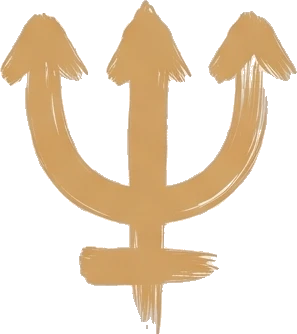 Neptune
Introduction
This is not a traditional two-planet aspect, but a fundamental natal placement where the planet of transcendence occupies the house of public standing in its own domicile sign, creating a permanent, unfiltered wiring between the personality’s deepest longings and its outward expression in the world. It is one of the personality’s core structural knots because it defines the native’s sense of purpose, how they are perceived by society, and the legacy they will leave behind, operating as a lifelong channel between the personal unconscious and collective ideals. Unlike transient transit aspects, this placement is an innate, immutable part of the native’s psychological and life blueprint, shaping every choice related to career, public identity, and contribution to the world from childhood onward.
The Nature of the Aspect
This placement functions as a fusion (conjunction-like) aspect between Neptune and the 10th house cusp, with perfect mutual reception: Neptune resides in its own domicile sign Pisces, which rules the 10th house cusp here, creating a seamless, unblocked flow of energy between the planet’s function and the house’s arena of expression. There is no hard aspect tension here, as the planet is in its home sign, so the energy operates with ease and automaticity, but this very ease carries the risk of inertia: the native may take their idealistic gifts for granted, failing to develop the practical discipline needed to manifest their visions. As a slow-moving outer planet, Neptune’s influence operates on a generational level, but its placement in an angular house makes its energy deeply personal, shaping the native’s individual life path and public identity. The full expression of this placement often unfolds later in life, as the native matures and learns to ground their idealistic visions in consistent, practical action, rather than remaining lost in unfulfilled fantasy.
Symbolism and Mythology
Neptune (♆) is the Roman god of the sea, the unconscious, inspiration, ecstasy, and the boundless unknown. In classical myth, he is both a creator of life-giving, fertile waters and a bringer of devastating storms and delusion, capable of drowning those who cannot navigate his depths. The 10th house is the zenith of the chart, the "midheaven", representing the public throne, the legacy one builds, and the role one plays in society. Pisces, the sign of the two fish swimming in opposite directions, is the boundary between the material and spiritual worlds, the realm of collective dreams, compassion, and transcendence. The mythological image of this placement is Neptune rising to the world’s throne not as a conqueror, but as a weaver of collective dreams, offering humanity a vision of unity and transcendence, but also carrying the risk of drowning the world (and the native) in illusion if the waters are not guided with wisdom. Culturally, this placement has long been associated with artists, mystics, healers, and leaders of collective movements, as it grants access to the collective unconscious and the ability to articulate shared hopes and fears.
The Principles of the Planets in the Chart
Neptune in the Chart
Neptune’s core function is to dissolve ego boundaries, connect the individual to the collective unconscious, inspire idealism, creativity, and spiritual longing, and to blur the line between reality and fantasy. Without this placement, Neptune’s energy remains a private, internal current of imagination and empathy; with this placement, it is directed outward into the public sphere, becoming the driving force behind the native’s life work and public identity. The native’s sense of purpose is inextricably tied to serving a cause larger than themselves, and their personal fulfillment comes from translating their inner visions into forms that can benefit others. As a classical "female" planet, Neptune’s energy is receptive, absorbing, and oriented toward connection rather than assertion, so the native’s approach to public life is collaborative rather than competitive, focused on serving the collective rather than dominating it.
The 10th House in the Chart
The 10th house governs career, public reputation, authority, legacy, and the highest aspirations of the personality. It is the arena where the native seeks to make their mark on the world, and how they are perceived by society at large. Traditionally ruled by Saturn and associated with Capricorn’s energy of structure, discipline, and long-term achievement, the 10th house normally demands practicality and perseverance; with Neptune placed here, this drive for achievement is infused with a desire for meaning, beauty, and transcendence, redefining success for the native as impact and inspiration rather than just material status or power. When the 10th house cusp falls in a water sign, as it does here, the native approaches the affairs of career and public life subjectively, relying on intuition and feeling rather than rigid logic to guide their choices.
The Combined Influence
The native’s entire public identity is shaped by Neptune’s themes. They do not simply seek a job or a career; they seek a vocation that aligns with their deepest spiritual or creative ideals. Their reputation is built on their ability to inspire, heal, or create beauty, and they may be seen as visionary, otherworldly, or even unreliable if they cannot ground their dreams into practical reality. The native may feel a lifelong pull to work for the collective good, and may achieve public recognition for contributions that serve the greater good, but must guard against letting their idealism blind them to the practical demands of their chosen field.
Expression in Sign and House
Pisces is the domicile sign of Neptune, meaning the planet is in its home sign, where its energy is expressed in its purest, most unmodified form. As a mutable water sign, Pisces grants fluidity, adaptability, deep empathy, and a strong connection to the collective emotional and spiritual undercurrents of the world. The 10th house is an angular house, meaning its energy is expressed outwardly and publicly, as a core, visible part of the native’s identity rather than a private, internal trait. Combined, this means the native’s public persona is deeply compassionate, creative, and spiritually attuned, but may lack the rigid structure and assertiveness associated with traditional authority figures. They may be drawn to careers that allow them to work with marginalized groups, create art that speaks to collective pain and hope, or lead spiritual or humanitarian movements. The placement has full mutual reception, as Neptune is in its own sign and the 10th house cusp is in Pisces, so there is no external planetary influence modifying its core expression unless there are hard aspects to Neptune from other planets in the chart.
Differences Between the Male and Female Chart
The Male Chart
Societal norms often pressure men to prioritize material success, assertiveness, and conventional career achievement, creating a tension between the native’s inner idealism and external expectations. They may be drawn to careers in the arts, spirituality, or care work that are traditionally undervalued for men, leading to pressure from family or peers to pursue more "practical" paths. Their public image may be of a "dreamer" or "idealist" rather than a decisive, tough leader, leading to being underestimated in competitive professional environments or dismissed as lacking ambition. They may struggle with setting boundaries in their careers, taking on excessive emotional labor from colleagues or clients to prove their commitment to their cause, leading to burnout. When they embrace this placement, they can become powerful role models for vulnerable, creative expression in men, breaking stereotypes that tie masculinity to material success and emotional stoicism.
The Female Chart
Societal norms often allow women to express empathy and creativity more freely, so this placement may feel more aligned with external expectations, but women may still face pressure to prioritize practical career advancement over idealistic goals, or to frame their work as "caring" rather than authoritative. Their public reputation may be tied to their artistic talent, spiritual gifts, or physical beauty, leading to being objectified or not taken seriously as a professional authority, especially in male-dominated fields. They may be drawn to caregiving or healing professions that are systematically underpaid and undervalued, requiring them to actively advocate for fair compensation and recognition for their work. They often have a strong intuitive sense of workplace dynamics, using their empathy to build alliances and support marginalized colleagues, which can help them advance in their careers without conforming to cutthroat corporate norms that conflict with their values.
Psychological Portrait
The native’s core character is defined by profound empathy, boundless imagination, and a deep longing for meaning and connection. They are highly sensitive to the emotions of others, often absorbing collective pain and joy as if it were their own, and have a natural talent for seeing the best in people and situations. Their core motivation is to make the world a more compassionate, beautiful, and just place, and they feel a deep sense of purpose when they are able to contribute to a cause larger than themselves. Their greatest fear is being trapped in a mundane, meaningless life, or losing touch with their inner vision and creative spark. They may also fear betrayal of their ideals, either by others or by themselves, and may struggle with feelings of guilt when they are unable to live up to their own high standards.
Self-esteem is tightly tied to their ability to act in alignment with their values, so they may experience deep self-criticism when they feel they have compromised their ideals for practical gain, or when their work fails to have the impact they hoped for. Their style of thinking is intuitive, associative, and non-linear: they see connections between seemingly unrelated ideas and people, and often come up with creative solutions to problems that stump more logically minded people. However, they may struggle with practical, step-by-step planning, and may become overwhelmed by the details of implementing their visions. In attachment, they form deep, empathetic bonds with others, but may have trouble setting clear boundaries, leading to codependency or being taken advantage of by more manipulative people. They may also have a tendency to idealize partners, friends, or projects, leading to deep disappointment when reality fails to match their fantasy. Many natives with this placement report a strong affinity for water, feeling most inspired and grounded when they are near oceans, lakes, or rivers.
Spheres of Life
Career
The native is drawn to careers that align with their ideals of service, creativity, or spiritual growth: common paths include work in the arts (film, music, writing, visual art), spirituality (ministry, energy healing, meditation teaching), humanitarian work (charity, social justice advocacy, community organizing), healthcare (nursing, therapy, holistic medicine), or education (teaching arts, humanities, or spiritual studies). They struggle with rigid, bureaucratic corporate structures that prioritize profit over purpose, and may quit stable jobs that feel meaningless to pursue work that aligns with their values. Their public reputation is built on their creativity, empathy, and vision, and they may achieve sudden, widespread recognition if their work resonates with collective cultural or emotional currents. However, they are also at risk of public scandal or reputation damage if they are caught in deception, escapism, or failing to follow through on their promises, as the public will hold them to the high ideals they project.
Relationships
The native attracts partners who are also idealistic, creative, or spiritually inclined, but their tendency to idealize partners can lead to deep disappointment when the partner fails to live up to their fantasy of a "perfect" soulmate. They are deeply loyal, empathetic, and giving, but may avoid conflict by retreating into fantasy or escapism rather than addressing relationship issues directly, leading to unresolved tension and resentment. They may be drawn to relationships that feel fated or karmic, but must learn to distinguish between genuine emotional connection and the illusion of a perfect partnership. They are often drawn to partners who can provide practical structure and grounding, balancing their own fluid, idealistic nature.
Finances
The native often has a relaxed, non-attached attitude toward money, seeing it as a means to support their ideals rather than an end in itself. They may be prone to impulsive spending on creative projects, spiritual experiences, or charitable causes, leading to financial instability if they do not create a practical budget. They may attract unexpected financial windfalls through public recognition of their creative or spiritual work, inheritance, or gifts from supporters, but are also at risk of financial loss due to fraud, deception, or poor financial planning. They may struggle to ask for fair compensation for their work, especially if it is tied to a cause they care about, leading to underpayment for their labor.
Health
The native has strong psychosomatic tendencies, as their emotional and spiritual state directly impacts their physical health. They are highly sensitive to stress, and may experience health issues related to escapism, such as substance abuse, addiction to food or technology, or chronic fatigue from overextending themselves emotionally to help others. They are prone to illnesses related to the feet, immune system, lymphatic system, and respiratory system, as these are the body parts ruled by Pisces. They may experience psychosomatic symptoms such as migraines, digestive issues, or anxiety when they feel disconnected from their creative or spiritual purpose, or when they are forced to engage in work that feels meaningless. They benefit greatly from holistic health practices that address the mind, body, and spirit as a unified whole, such as yoga, meditation, acupuncture, art therapy, or spending time in nature near water.
Challenges and Gifts
Shadow Sides
- Escapism and self-deception: The native may avoid dealing with practical problems, conflict, or difficult emotions by retreating into fantasy, substance use, excessive daydreaming, or overcommitment to idealistic projects, leading to unmet responsibilities, broken promises, and harm to themselves and others.
- Poor boundary setting: Their deep empathy and desire to help others can lead them to take on excessive emotional labor, absorb other people’s problems as their own, and allow manipulative people to take advantage of their kindness, leading to chronic burnout and resentment.
- Unrealistic idealism: They may set impossible standards for themselves, their work, and the people around them, leading to chronic disappointment, self-criticism, and resentment when reality fails to match their perfect vision of how things "should" be.
- Lack of practical discipline: Their big, visionary ideas may never be realized if they cannot develop the practical, step-by-step discipline needed to turn their dreams into tangible results, leading to unfulfilled potential and a reputation for being "all talk, no action".
- Susceptibility to deception: Their trusting, idealistic nature makes them vulnerable to manipulation by con artists, toxic leaders, or false gurus who prey on their desire to serve a cause, leading to financial loss, emotional harm, or damage to their public reputation.
- Victim mentality: They may see themselves as a martyr for their cause, or blame external circumstances, other people, or "the system" for their lack of success, rather than taking responsibility for their own choices and developing the practical skills needed to achieve their goals.
Bright Sides
- Exceptional creative and artistic talent: They can tap into the collective unconscious to create work that resonates deeply with universal human experiences, bringing beauty, inspiration, and healing to millions of people.
- Profound healing and empathetic ability: They have a natural gift for connecting with people on a deep emotional and spiritual level, offering comfort, guidance, and healing to those who are suffering from trauma, grief, or isolation.
- Visionary leadership: They can see possibilities and solutions that are invisible to more rigid, practical thinkers, inspiring others to work toward a shared, transcendent ideal and leading collective movements for positive social, cultural, or spiritual change.
- Strong intuitive and psychic gifts: They have access to information and insights that are not available through logical reasoning, making them excellent counselors, spiritual guides, healers, or artists who can articulate the unspoken needs of the collective.
- Adaptability and resilience: Their fluid, mutable nature allows them to navigate changing circumstances with grace, finding creative solutions to problems that would stump more structured, rigid people, and bouncing back from setbacks that would derail others.
- Ability to bridge material and spiritual worlds: They can translate abstract, transcendent ideas into tangible, accessible forms (art, writing, teaching, community programs) that can be understood and appreciated by the broader public, making them powerful communicators of spiritual and creative truths.
Practical Recommendations
| Sphere | Advice | Astrological Tool |
|---|---|---|
| Career Development | Prioritize roles that align with your core values and allow you to serve a collective cause, rather than chasing conventional status or high pay alone. Avoid rigid, bureaucratic workplaces that stifle your creativity and empathy. | Meditate on the symbolism of the 10th house cusp in Pisces each morning, setting an intention to bring your highest ideals into your work. Track your career progress against metrics of impact and personal fulfillment, not just material gain. |
| Boundary Setting | Practice saying "no" to requests that drain your emotional energy or force you to compromise your values, even if you feel a strong urge to help others. Set clear limits on the amount of emotional labor you take on in professional and personal relationships. | Work with the energy of Saturn (the natural ruler of the 10th house) to build healthy structure: create a weekly schedule that includes dedicated time for rest and solo reflection, and stick to it even when you feel pressured to overgive. |
| Financial Management | Create a practical budget that allocates a portion of your income to both your creative/spiritual goals and long-term savings, avoiding impulsive spending on idealistic projects that leave you financially vulnerable. Work with a trusted financial advisor who respects your values but can help you ground your plans in reality. | Use the energy of Virgo (the opposite sign of Pisces) to bring order to your finances: track every expense, create a realistic savings plan, and review your financial goals quarterly to ensure they align with both your ideals and your practical needs. |
| Creative Expression | Make time for regular creative practice (writing, art, music, dance) even if you do not plan to share it publicly, to keep your connection to your inner vision strong and avoid feeling disconnected from your purpose. Share your creative work with trusted others first to get grounded feedback before releasing it to the public. | Work with the energy of Mercury (the planet of communication and expression) to structure your creative ideas: set small, achievable goals for completing creative projects, and break large projects into small, manageable steps to avoid feeling overwhelmed. |
| Emotional Health | Develop a regular self-care routine that includes grounding practices (walking in nature, gardening, yoga) to avoid getting swept away by collective emotions or your own anxieties. Avoid using escapist behaviors (substance use, excessive screen time, daydreaming) to avoid dealing with difficult emotions or practical problems. | Work with the energy of the Moon (the planet of emotions and the subconscious) to process your feelings: keep a daily journal to track your emotional states, and practice mindfulness meditation to stay present rather than retreating into fantasy. |
| Public Reputation | Be transparent and honest in your public communications, avoiding exaggeration or deception even if you think it will help you achieve your goals. Build your reputation on consistent, tangible actions that align with your stated values, rather than just your charismatic public persona. | Use the energy of Saturn to build trust in your public life: follow through on every commitment you make, no matter how small, and be upfront about your limitations and mistakes rather than trying to hide them to maintain a perfect image. |
| Spiritual Practice | Ground your spiritual beliefs in practical, compassionate action in the world, rather than just theoretical study or escapist fantasy. Seek out spiritual teachers or communities that emphasize service to others, rather than just personal enlightenment or supernatural powers. | Work with the energy of Jupiter (the planet of expansion and higher learning) to deepen your spiritual practice in a balanced way: study a variety of spiritual traditions, volunteer regularly for causes you care about, and test your spiritual beliefs against real-world experience to avoid self-deception. |
| Relationship Health | Choose partners who share your core values and are willing to engage in honest, practical communication, rather than idealizing partners who fit a fantasy of a "perfect" spiritual or creative soulmate. Practice setting clear emotional boundaries with loved ones, and avoid taking responsibility for their emotions or problems. | Work with the energy of Venus (the planet of love and relationships) to build healthy connections: schedule regular check-ins with your partner to discuss needs and concerns, and practice expressing your own needs clearly rather than expecting your partner to read your mind. |
Conclusion
The path of integrating this placement is a lifelong journey of balancing the ethereal, idealistic energy of Neptune with the practical, structured demands of the 10th house. The native moves from the shadow of escapism, self-deception, and unrealistic idealism to the highest expression of their gifts: using their creative vision, empathy, and spiritual insight to serve the collective, leaving a legacy of beauty, healing, and inspiration that outlasts their physical lifetime. The key is to ground their dreams in consistent, practical action, set healthy boundaries to avoid burnout, and remain honest with themselves and others about the line between their ideals and reality. When integrated, this placement allows the native to become a beacon of transcendence in the public sphere, offering the world a vision of what is possible when compassion and creativity guide achievement.
This article was prepared by the [Astrobot](https://astrobot.chat) editorial team — your personal astrological assistant. The material is based on classical and modern astrological sources.

 Pisces. It creates a lifelong inner tension between the desire for unapologetic personal autonomy and the quest for universal spiritual or philosophical meaning, often manifesting as a pull to explore marginalized, forbidden, or suppressed systems of belief. The individual has an innate gift for perceiving hidden truths behind established dogma, but risks falling into escapism, self-deception, or self-sabotage if they cannot ground their mystical insights in practical reality. The core path of integration is to embrace the exiled parts of the self as a source of liberating wisdom, rather than a source of shame, and to use their unique perspective to challenge oppressive systems with compassion and courage.