 Natal Planets & Points in Houses & Signs
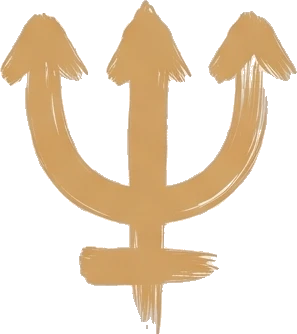 Neptune
Introduction
This is one of the most spiritually potent and complex pairings in the natal chart, as it combines the planet of transcendence with its natural domicile, the twelfth house, and the sign of the highest seeker, Sagittarius. It acts as a core psychological knot, shaping the person’s entire relationship to the unseen, to faith, to sacrifice, and to the parts of themselves that exist beyond the reach of the conscious ego. Unlike placements in angular or succedent houses, this fusion operates entirely in the hidden, internal realms, making its effects both subtle and deeply pervasive across every area of life. It is a lifelong call to bridge the gap between the mundane material world and the transcendent spiritual realms that most people never perceive, requiring the person to master the fine line between enlightenment and escapism, compassion and self-sacrifice, idealism and self-deception.
The Nature of the Aspect
This is not a traditional angular aspect between two separate planets, but an inherent, lifelong fusion of Neptune’s core function with the twelfth house’s arena of influence, colored by Sagittarius’ elemental and sign qualities. Neptune is the natural ruler of the twelfth house in modern astrological tradition, and this placement acts as a permanent, applying link between the planet’s energy and the house’s themes, meaning the person cannot separate their sense of identity from the subconscious, spiritual, and hidden realms the twelfth house governs. The orb is effectively exact, as the planet is placed directly within the house, so the energy operates at maximum potency throughout the person’s life, with no separating phase to indicate mastery of the energy in past iterations.
The mechanics of this interaction are rooted in the complementary nature of the three components: Neptune’s function is to dissolve rigid boundaries, connect the individual to the collective unconscious, and pursue transcendent, universal ideals, while the twelfth house is the domain of the hidden, the subconscious, solitude, sacrifice, karma, and institutions that remove people from ordinary society (hospitals, prisons, monasteries, retreat centers). Sagittarius, a mutable fire sign ruled by ♃ Jupiter, adds an expansive, optimistic, truth-seeking energy that drives the person to explore these hidden realms not for passive retreat, but for active discovery of universal meaning. The applying nature of this placement means the energy is an inexorable inner demand: the person will feel a constant, unshakable pull to explore spiritual, philosophical, and subconscious realms throughout their life, even when they try to ignore it.
Symbolism and Mythology
In classical mythology, ♆ Neptune (Poseidon to the ancient Greeks) is the god of the sea, of the deep, hidden forces that shape the world from below the surface, of dreams, illusion, and transcendence. He is not just a ruler of the physical ocean, but of the vast, uncharted subconscious ocean that lies beneath the surface of the conscious mind, full of both hidden treasures and dangerous, unseen currents. The twelfth house is the astrological equivalent of this deep ocean: it is the realm of the hidden, the unconscious, the place where the ego dissolves and the individual can access divine wisdom, but also where illusions, fears, and karmic patterns lurk unseen.
♐ Sagittarius is represented by the centaur archer, a being that is half human, half animal, symbolizing the bridge between the earthly, material world and the higher, spiritual realm. The centaur’s arrow is shot toward the stars, representing the eternal human quest for ultimate truth and meaning beyond the limits of ordinary perception. The mythological image of this placement is the centaur wading into the deepest, most mysterious part of the ocean, searching for a truth that can only be found in the hidden depths, where the boundary between reality and dream blurs completely. In classical astrological tradition, the twelfth house was long associated with hidden enemies, imprisonment, and isolation, but also with spiritual retreat, connection to the divine, and access to hidden wisdom. Neptune’s association with the twelfth house is a natural evolution of this tradition, as both are tied to the unseen, the transcendent, and the parts of life that operate beyond ordinary human control.
The Principles of the Planets in the Chart
♆ Neptune in the Chart
Neptune is classified as a female planet in classical astrological sources, meaning its energy is receptive, absorbing, and oriented toward merging with external energies rather than asserting individual will. Its core function is to dissolve rigid boundaries between the self and the other, the material and the spiritual, the real and the imagined. It rules transcendence, spirituality, art, compassion, illusion, self-deception, escapism, and the collective unconscious. When placed in the twelfth house, Neptune’s function is amplified, as it is operating in its natural domain: the person has an unfiltered, innate connection to the subconscious, to spiritual realms, and to the collective unconscious, making them highly intuitive, empathetic, and often psychic, but also prone to confusion, escapism, and difficulty distinguishing between reality and fantasy. Neptune is also the higher octave of ♀ Venus, so its energy is oriented toward universal, unconditional love rather than personal, romantic love, driving the person to serve collective ideals rather than just their own personal desires.
The Twelfth House in the Chart
The twelfth house is a cadent house, associated with the mutable cross of the zodiac (♊ Gemini, ♍ Virgo, ♐ Sagittarius, ♓ Pisces), so it governs inner growth, spiritual development, and the processing of karmic patterns. It is the house of the hidden, the subconscious, solitude, sacrifice, karma, institutions that separate people from ordinary society (hospitals, prisons, monasteries, retreat centers), hidden strengths and weaknesses, and unseen helpers (spiritual guides, angels, or other benevolent forces that operate beyond the conscious mind). It is also associated with foreign travel, isolation, and things that are beyond the ego’s control. When Neptune is placed here, the entire twelfth house is colored by Neptune’s themes, so the person’s subconscious, their karmic patterns, their relationship to solitude and sacrifice is all filtered through spiritual longing, idealism, and the potential for illusion.
The Combined Influence
The fusion of these three elements creates a person whose entire inner world is oriented toward the transcendent, whose subconscious is filled with Sagittarian ideals of truth, meaning, and expansion. They have a natural pull toward spiritual retreat, study of philosophy, religion, and metaphysics, and service to collective ideals, but they must navigate the constant risk of losing themselves in fantasy, escapism, or unrealistic ideals that disconnect them from ordinary life. This placement acts as a lifelong call to master the energy of the twelfth house, using Neptune’s transcendent gifts to access hidden wisdom and serve others, rather than being overwhelmed by its shadow sides of illusion and self-deception.
Expression in Sign and House
Neptune in Sagittarius
Sagittarius is a mutable fire sign ruled by ♃ Jupiter, a benefic planet that expands and elevates the energy of any planet it touches. Neptune in Sagittarius colors the planet’s function with a fiery, idealistic quest for universal truth, so the person does not just seek spiritual connection for its own sake, but for a grand, universal meaning that explains all of existence. They are drawn to spiritual traditions that emphasize expansion, joy, and higher truth, such as mystical Christianity, Buddhism, or New Age philosophies that focus on universal love and enlightenment. They have a natural talent for teaching spiritual ideas, for inspiring others with their vision of a better, more enlightened world, and for making complex philosophical concepts accessible to ordinary people. Classical sources note that Neptune in Sagittarius grants exceptional psychic abilities, prophetic gifts, and a deep love of foreign travel and cross-cultural exchange, as the person seeks out new spiritual traditions and perspectives to expand their understanding of the divine.
Neptune in the Twelfth House
The twelfth house is Neptune’s natural domicile, so the planet operates at full strength here, with its effects operating entirely in the hidden, internal realms. The person has an effortless, innate connection to the subconscious, with frequent vivid dreams, strong intuition, and often psychic abilities that they may not even be aware of at first. They may feel a calling to serve others in hidden or behind-the-scenes roles, such as working in healthcare, social work, or spiritual retreats, where they can act on their compassion without seeking recognition. They may also struggle with hidden fears, subconscious patterns of escapism, or a tendency to withdraw from the world when they feel overwhelmed, as the twelfth house is associated with isolation and retreat. Classical sources note that Neptune in the twelfth house can bring success through foreign contacts, travel, and work with marginalized or isolated populations, but also carries a risk of trouble abroad, deception, or accidental harm when traveling.
Combined Influence Across Positions
The combination of Neptune in Sagittarius in the twelfth house means the person’s subconscious is filled with grand, idealistic visions of truth and meaning. They may have a natural talent for mystical insight, for understanding universal spiritual laws, and for connecting with the collective unconscious, but they must learn to ground these insights in practical action, rather than getting lost in fantasy or unrealistic ideals. They may feel a karmic calling to pursue spiritual or philosophical work, to travel to foreign places for spiritual growth, or to serve others in ways that align with their highest ideals. The Sagittarian influence drives them to share their insights with the world, while the twelfth house influence pushes them to do so in humble, behind-the-scenes ways, rather than seeking fame or recognition for their spiritual gifts.
Differences Between the Male and Female Chart
The Male Chart
For men, this placement often manifests as a quiet, inner spiritual seeking that may not be obvious to others, as societal expectations often pressure men to prioritize material success and rational thinking over spiritual or intuitive pursuits. They may have a deep, unspoken longing for meaning and transcendence, which they may express through solitary travel, study of philosophy or spirituality, or quiet service to causes they believe in, rather than openly discussing their spiritual beliefs. They are at higher risk of hidden addictive tendencies, such as substance abuse or escapist behaviors (excessive gaming, binge-watching, etc.) as a way to avoid confronting their subconscious fears or unfulfilled spiritual longings, as they may not have socially acceptable outlets for their emotional and spiritual needs. They may have a natural talent for teaching or writing about spiritual or philosophical ideas, but often struggle with self-doubt or fear of not being "good enough" to share their insights, leading them to hide their gifts from the world. They may also have a tendency to idealize romantic partners, seeing them as spiritual saviors who will complete their quest for meaning, which can lead to deep disappointment when the partner fails to live up to their idealized vision.
The Female Chart
For women, this placement often manifests as a deep, innate connection to the collective unconscious, with strong intuitive and psychic abilities that may emerge early in life. They are often natural healers, using their empathy and spiritual insight to help others, often in hidden or behind-the-scenes roles such as nursing, counseling, or spiritual advising, and may have a natural talent for midwifery or end-of-life care, as the twelfth house rules transitions and Neptune rules compassion. They are at higher risk of poor boundaries, absorbing the emotions and pain of others without realizing it, leading to emotional exhaustion, chronic illness, or burnout, as societal expectations often pressure women to be self-sacrificing and nurturing at the expense of their own needs. They may have a strong desire to serve a higher spiritual ideal, but may struggle with self-sacrifice to the point of losing their own identity, putting others’ needs before their own to their own detriment. They are also often drawn to creative expression as a way to channel their spiritual insights, with a natural talent for music, poetry, visual art, or dance that conveys transcendent, spiritual themes, and may feel called to use their art to heal or inspire others.
Psychological Portrait
The core character of a person with this placement is deeply idealistic, philosophical, and spiritually oriented, with a constant inner drive to find meaning and truth beyond the material world. They are highly empathetic, intuitive, and sensitive to the emotions and energies of others, often picking up on subconscious cues that others miss, and may have a vivid, dream-like inner world filled with visions, prophetic dreams, or moments of sudden insight. Their core motivation is to connect with a higher, universal truth, to serve a greater ideal, and to help others find meaning and transcendence in their own lives; they are driven by a deep sense of compassion and a desire to alleviate suffering, often putting the needs of others before their own without being asked.
Their deepest fears are of meaninglessness, of being disconnected from the divine or from their own spiritual purpose, and of being trapped in a mundane, materialistic life that lacks transcendence. They also fear illusion and self-deception, worrying that their ideals are just fantasies, or that they are being misled by their own subconscious desires or by deceptive people. Their self-esteem is often tied to their ability to live up to their highest ideals, to be a force for good in the world, and to connect with something greater than themselves; they may struggle with deep self-doubt when they feel they are not living up to their spiritual potential, or when they realize they have been caught up in illusion or escapism.
Their style of thinking is big, abstract, and philosophical, always looking for the underlying meaning and connection between things rather than focusing on small, practical details. They are intuitive thinkers, relying more on gut feeling and spiritual insight than on logical, empirical evidence, though they can be very logical and rigorous when pursuing philosophical or spiritual ideas that resonate with them. They form attachments based on shared spiritual or philosophical ideals, rather than on material or superficial commonalities, and may idealize people or groups that share their vision of a better world, to the point of refusing to see their flaws, which can lead to hurt and disillusionment when reality fails to match their fantasy.
Spheres of Life
Career
People with this placement thrive in careers that align with their spiritual, philosophical, or compassionate ideals, as they will quickly feel trapped and unfulfilled in roles that prioritize material gain over meaning. Ideal career paths include spiritual teacher, philosopher, writer, artist, healer, social worker, nonprofit worker, missionary, or work in institutions like hospitals, retreat centers, or prisons, where they can serve others in hidden or meaningful ways. They may also be successful in careers related to international aid, cross-cultural exchange, or foreign travel, as Sagittarius rules foreign cultures and Neptune rules cross-cultural connection. Many also excel in artistic fields such as film, photography, or music, as these mediums allow them to tap into the collective unconscious and express transcendent themes that resonate with others. They may struggle with routine, bureaucratic, or overly materialistic careers, as they will quickly feel disconnected from their purpose and may become disengaged or absent-minded at work.
Relationships
In relationships, they are deeply romantic, idealistic, and devoted, seeking a partner who shares their spiritual and philosophical ideals, and often idealizing their partner as a soulmate or spiritual guide. This idealism can lead to deep disappointment when the partner fails to live up to their idealized vision, as they may project their own spiritual aspirations onto the partner rather than seeing them as a separate, flawed person. They are highly empathetic and supportive, often putting their partner’s needs before their own, but may struggle with boundaries, absorbing their partner’s pain and problems as their own, leading to resentment and burnout over time. They may be drawn to partners from foreign cultures, or partners who are going through difficult transitions (illness, loss, spiritual crisis), as they feel called to serve and heal others through relationships. They may also prefer unconventional or non-traditional relationship structures, as they do not fit into mainstream societal expectations of romance and partnership.
Finances
They have a relaxed, idealistic approach to money, often seeing it as a means to an end rather than an end in itself, and may be prone to financial instability as they give away money to charitable causes, or spend money on spiritual or creative pursuits without considering their practical needs. They may have unexpected financial gains from sources related to foreign travel, spiritual work, artistic endeavors, or inheritances from hidden or unexpected sources, but may also suffer unexpected losses from deception, escapist spending, or poor financial planning. They are at risk of being scammed or deceived in financial matters, as Neptune rules illusion and the twelfth house rules hidden things, so they need to be careful about trusting people who promise them easy money through spiritual or artistic schemes. They are advised to set clear financial boundaries, create a practical budget that accounts for their generous nature, and avoid making financial decisions based on idealistic fantasies rather than practical reality.
Health (Psychosomatic Tendencies)
They are highly prone to psychosomatic illnesses, as their emotional and spiritual state directly impacts their physical health. Chronic fatigue, immune system disorders, allergies, and illnesses related to the hips, thighs, or feet (the body parts ruled by Sagittarius) are common, especially when they are stressed, unfulfilled spiritually, or absorbing excessive negative energy from others. They may also be prone to substance abuse or addictive behaviors as a way to escape from emotional or spiritual pain, and may have a sensitivity to medications, anesthetics, or other substances, experiencing adverse reactions even to normal doses. They are also at risk of hidden health issues that are hard to diagnose, as the twelfth house rules hidden illness and Neptune rules unclear, hard-to-define medical conditions. They benefit greatly from holistic healing practices that address the mind, body, and spirit, such as acupuncture, herbal medicine, energy healing, or meditation, as these align with their natural sensitivity to the connection between emotional, spiritual, and physical health.
Challenges and Gifts
Shadow Sides
1. Tendency toward self-deception and escapism: They may avoid difficult realities by retreating into fantasy, substance abuse, or excessive spiritual seeking that disconnects them from ordinary life, refusing to deal with practical problems in favor of abstract ideals.
2. Poor boundaries: They often absorb the pain and emotions of others to the point of emotional exhaustion, or sacrifice their own needs to the point of self-harm, as they feel responsible for alleviating all suffering around them.
3. Disappointing idealism: They may idealize people, causes, or spiritual paths to the point of refusing to see their flaws, leading to deep hurt and disillusionment when reality fails to match their fantasy, and may become bitter or cynical when their ideals are not met.
4. Inability to take practical action: They may get lost in abstract dreams and ideals without taking the steps to make them a reality, leading to a life of unfulfilled potential and frustration, as they are always waiting for a "perfect" moment or a divine sign to act.
5. Victimhood and powerlessness: They may feel like they are constantly being sabotaged by unseen forces, or that they have no control over their lives, as the twelfth house rules hidden enemies and Neptune rules illusion, leading them to blame external forces rather than taking responsibility for their choices.
6. Susceptibility to deception: They may be easily deceived by others, or may engage in deceptive behavior themselves, as they have a natural talent for illusion and may struggle to tell the truth from fantasy, especially when it serves their idealistic goals.
Bright Sides
1. Exceptional intuition and psychic abilities: They have a natural, unfiltered connection to the collective unconscious, allowing them to access insights, knowledge, and wisdom that others cannot perceive, and may have gifts of clairvoyance, clairaudience, or prophetic dreaming that they can use to help others.
2. Deep compassion and altruism: They have a natural drive to serve others and alleviate suffering, often working behind the scenes to make the world a better place, without seeking recognition or reward for their efforts.
3. Creative and artistic talent: They have a vivid imagination and the ability to express transcendent, spiritual themes through art, music, writing, or other creative mediums, creating work that resonates deeply with others and taps into universal human experiences.
4. Philosophical and spiritual wisdom: They have a natural ability to understand universal truths and to inspire others with their vision of a more enlightened world, often acting as spiritual guides or teachers for others who are seeking meaning.
5. Resilience in the face of suffering: They have a unique ability to find meaning in pain and hardship, using their own struggles and the suffering of others to deepen their spiritual understanding and to offer hope to those who are going through difficult times.
6. Talent for mediation and cross-cultural connection: They can easily understand and connect with people from different cultural, religious, or philosophical backgrounds, and have a natural talent for mediating conflicts by finding the underlying spiritual common ground between opposing sides.
Practical Recommendations
| Sphere | Advice | Astrological Tool |
|---|---|---|
| Career | Prioritize work that aligns with your spiritual, philosophical, or compassionate ideals, such as teaching, healing, nonprofit service, artistic creation, or international aid, rather than roles that prioritize material gain over meaning. | Analyze the ruler of your 10th house and its aspects to ♆ Neptune to identify career paths that resonate with your core values; leverage ♃ Jupiter transits to your 10th house to take bold, expansive steps toward your ideal professional path. |
| Relationships | Set firm, compassionate boundaries with loved ones to avoid absorbing their pain or sacrificing your own needs; avoid idealizing partners as spiritual saviors, and seek connections based on mutual respect and shared values rather than fantasy. | Examine the ruler of your 7th house and its aspects to ♆ Neptune to understand your relationship patterns; use ♄ Saturn transits to your 7th house to build stability and accountability in your partnerships. |
| Finances | Create a practical, values-aligned budget that accounts for your tendency to give generously or spend on spiritual/creative pursuits, and avoid financial decisions based on unrealistic idealization; set aside a dedicated portion of income for charitable giving to satisfy your altruistic impulses without jeopardizing stability. | Track ♆ Neptune transits to your 2nd house to identify patterns of escapist spending or financial deception; use ♃ Jupiter transits to your 2nd house to make wise, expansive financial choices that support your long-term goals. |
| Health | Prioritize regular stress management and self-care to mitigate psychosomatic illness, as your emotional and spiritual state directly impacts your physical well-being; avoid substance abuse or addictive behaviors as an escape from pain, and seek professional support if you struggle with dependency. | Monitor ☽ Moon transits to your 6th house to identify periods of elevated stress or vulnerability to illness; use ♀ Venus transits to your 6th house to prioritize pleasure and self-care as core components of your health routine. |
| Spiritual Practice | Ground your spiritual seeking in practical, compassionate action rather than abstract fantasy; engage in regular meditation, journaling, or creative practice to process subconscious content and distinguish between genuine spiritual insight and self-deception. | Work with the ruler of your 12th house to identify spiritual practices that align with your innate gifts; use ♆ Neptune’s annual transit through your 12th house (or its 54-year return) to release old karmic patterns and deepen your connection to the divine. |
| Personal Boundaries | Practice asserting your needs and saying no to requests that drain your energy, and learn to distinguish between your own emotions and the subconscious energies you may absorb from others or your environment. | Use ♂ Mars transits to your 12th house to build assertiveness and courage to set boundaries; work with ♄ Saturn in your natal chart to identify and release karmic patterns of excessive self-sacrifice. |
| Creative Expression | Channel your vivid imagination and spiritual insights into creative work (writing, art, music, teaching) to give form to your inner visions and inspire others with your unique perspective on universal truth. | Track ☿ Mercury transits to your 12th house to identify periods of heightened creative and intuitive insight; use ♀ Venus transits to your 5th house to tap into joy and playfulness as part of your creative process. |
| Travel and Cross-Cultural Engagement | Lean into your natural love of foreign travel and cross-cultural exchange as a path to spiritual growth, but avoid taking unnecessary risks when traveling abroad, as you may be more vulnerable to deception or accident in unfamiliar environments. | Use ♃ Jupiter transits to your 9th house (♐ Sagittarius’ natural domicile) to plan meaningful, spiritually enriching travel; avoid making major travel decisions during hard aspects from ♄ Saturn or ♂ Mars to your 9th or 12th house. |
Conclusion
This placement is a lifelong invitation to bridge the gap between the mundane, material world and the transcendent, spiritual realms that most people never perceive. The shadow path is to hide from the world in fantasy, to use spirituality as an escape from responsibility, to sacrifice oneself for unrealistic ideals, or to be trapped in illusion and self-deception, leading to a life of unfulfilled potential, resentment, and disconnection from reality. The highest expression of this placement is to use your innate connection to the subconscious and the divine to be a guide for others, to bring hidden wisdom to light, to create art and ideas that inspire humanity to reach for its highest potential, and to live a life of compassionate service that aligns with your deepest spiritual truths.
The path of integration requires you to ground your grand, Sagittarian visions in practical, everyday action, to set boundaries that protect your energy from being drained by others or by negative subconscious influences, and to cultivate the discernment to tell the difference between a genuine spiritual calling and a fantasy that serves your ego’s desire to escape reality. When integrated, this placement gives you the rare gift of being able to see beyond the veil of the material world, to connect with the collective unconscious, and to help others find meaning and transcendence in their own lives, turning your deepest dreams into a force for good in the world.
This article was prepared by the [Astrobot](https://astrobot.chat) editorial team — your personal astrological assistant. The material is based on classical and modern astrological sources.

 Pisces. It creates a lifelong inner tension between the desire for unapologetic personal autonomy and the quest for universal spiritual or philosophical meaning, often manifesting as a pull to explore marginalized, forbidden, or suppressed systems of belief. The individual has an innate gift for perceiving hidden truths behind established dogma, but risks falling into escapism, self-deception, or self-sabotage if they cannot ground their mystical insights in practical reality. The core path of integration is to embrace the exiled parts of the self as a source of liberating wisdom, rather than a source of shame, and to use their unique perspective to challenge oppressive systems with compassion and courage.