 Natal Planets & Points in Houses & Signs
 Pluto
Introduction
This placement is one of the personality's core knots because it merges three fundamental astrological functions: the transformative, regenerative power of Pluto, the hidden, karmic realm of the twelfth house, and the relational, justice-seeking energy of Libra. Unlike more overt planetary aspects, this configuration operates largely below the level of conscious awareness, shaping the native's inner world, private motivations, and indirect impact on others, often without the person realizing the full extent of their influence on the world around them. It is a defining structural feature of the natal chart because it ties the native's personal growth to their ability to confront their own shadow, release karmic patterns, and use their insight to restore balance to systems that have been corrupted by imbalance.
The Nature of the Aspect
This configuration functions as a conjunction between Pluto and the twelfth house cusp, with a classical orb of up to 8 degrees for conjunctions involving outer planets, and up to 5 degrees for conjunctions to house cusps. The tighter the orb, the more powerfully this fusion operates in the native's life. If Pluto is applying to the twelfth house cusp (moving towards it in the zodiac), the transformative energy is an inexorable inner demand, compelling the native to engage with shadow material and hidden systems from an early age, with little conscious choice in the matter. If Pluto is separating from the twelfth house cusp (moving away from it), the native has already mastered some of the shadow work associated with this placement in past evolutionary cycles, and experiences the transformative energy as a set of mastered skills they can draw on consciously when needed. The conjunction is a fusing, hard aspect, meaning Pluto's function is completely merged with the twelfth house's arena: the native cannot separate their sense of power, identity, and transformative capacity from their unconscious mind, private life, dreams, and engagement with hidden or institutional systems. Libra's influence moderates Pluto's typically intense, confrontational energy, framing transformation as a process of restoring balance rather than abrupt, destructive change, and channeling Pluto's power through relational, intellectual, and aesthetic means rather than purely physical or emotional force.
 conjunction between Pluto and the twelfth house cusp, with a classical orb of up to 8 degrees for conjunctions involving outer planets, and up to 5 degrees for conjunctions to house cusps. The tighter the orb, the more powerfully this fusion operates in the native's life. If Pluto is applying to the twelfth house cusp (moving towards it in the zodiac), the transformative energy is an inexorable inner demand, compelling the native to engage with shadow material and hidden systems from an early age, with little conscious choice in the matter. If Pluto is separating from the twelfth house cusp (moving away from it), the native has already mastered some of the shadow work associated with this placement in past evolutionary cycles, and experiences the transformative energy as a set of mastered skills they can draw on consciously when needed. The conjunction is a fusing, hard aspect, meaning Pluto's function is completely merged with the twelfth house's arena: the native cannot separate their sense of power, identity, and transformative capacity from their unconscious mind, private life, dreams, and engagement with hidden or institutional systems. Libra's influence moderates Pluto's typically intense, confrontational energy, framing transformation as a process of restoring balance rather than abrupt, destructive change, and channeling Pluto's power through relational, intellectual, and aesthetic means rather than purely physical or emotional force.
Symbolism and Mythology
The archetype of Pluto (known as Hades in Hellenistic tradition) is the ruler of the underworld, governing the cycle of death and rebirth, hidden wealth, shadow material, and transformative power that breaks down what is no longer useful to make way for new growth. Classical sources frame Hades not as a purely malevolent figure, but as a stern but just ruler who enforces the natural cycle of decay and renewal, ensuring that no form clings to existence past its purpose. The archetype of the twelfth house in Hellenistic astrology is the "house of the unseen," governing the unconscious mind, hidden matters, isolation, institutions like hospitals and prisons, dreams, karma, and the collective shadow — the backstage of life where the ego's boundaries blur and the individual comes into contact with forces beyond their conscious control. The archetype of Libra is the scales of Themis, the goddess of divine justice, balance, harmony, and relational fairness, representing the impartial, mediating force that ensures equilibrium in all systems. The mythological image of this placement is Hades (Pluto) standing in the hidden temple of Themis (Libra) in the deepest realm of the underworld (twelfth house), weighing the souls of the dead not to punish them, but to determine what parts of their old selves must be shed to allow for rebirth, and to restore balance to the cosmic order. In classical cultural context, this placement reflects the ancient understanding that true transformation requires both the willingness to confront hidden shadow (Pluto) and the commitment to restore balance and justice (Libra) in the process, with all of this work unfolding in the hidden, unseen realms that govern the collective fate.
The Principles of the Planets in the Chart
Pluto in the Chart
Pluto's core function is to govern transformation, regeneration, hidden power, shadow material, collective upheaval, and the cycle of death and rebirth. In a natal chart, Pluto indicates where the native will experience profound, often unavoidable, change, and where they have a natural talent for uncovering hidden truths and effecting systemic transformation. With this placement, Pluto's function is entirely fused with the twelfth house's realm, so the native's transformative power is largely unconscious, operating behind the scenes, and focused on hidden, systemic, or karmic patterns rather than obvious, external change. The native may not realize the full extent of their influence, as their work often unfolds in private, but their impact on the systems and people they engage with is profound and lasting.
The Twelfth House in the Chart
The twelfth house's core function is to govern the unconscious mind, hidden matters, isolation, institutions, dreams, karma, and the collective shadow. It is the house of dissolution, where the ego's boundaries blur, and the native comes into contact with forces beyond their conscious control, including karmic patterns, collective trauma, and hidden aspects of the self. With Pluto here, the twelfth house's function is charged with transformative power, so the native's unconscious is a source of profound regenerative energy, and their experiences of isolation, hidden matters, or institutional life are catalysts for deep personal and collective change. The native may find themselves drawn to work or experiences in institutions, or have a rich inner life of dreams and intuition that provides insight into hidden truths.
The Combined Influence
This pairing creates a single, cohesive life scenario where the native's core purpose is tied to uncovering hidden imbalances, dissolving outdated power structures, and restoring equilibrium to systems that have been corrupted by injustice or decay, all while operating largely out of the public eye. The native may find themselves drawn to roles in institutions, research, healing, or mediation, where they can effect change without seeking credit, and their personal transformation is deeply tied to their ability to confront their own shadow material, release karmic patterns, and use their insight to help others heal. They may experience periods of isolation or withdrawal as part of their transformative process, as the twelfth house requires time alone to integrate the shadow material they encounter.
Expression in Sign and House
Pluto in Libra
Pluto transited Libra from 1971 to 1983, making this a generational placement that shapes the collective focus of that cohort on transforming relational dynamics, social justice systems, aesthetic standards, and collective ideas of balance and fairness. For the individual, Pluto in Libra gives a natural talent for mediating conflicts, uncovering hidden power imbalances in relationships, and using aesthetic or intellectual means to effect transformation, rather than relying on force or coercion. The native is driven by a deep desire for fairness and harmony, and is able to see the underlying imbalances in conflicts that others miss, allowing them to mediate disputes and restore equilibrium in ways that are sustainable and just. Libra's air element moderates Pluto's intense, Scorpio-like energy, framing transformation as a process of dialogue, compromise, and creative problem-solving rather than destructive upheaval.
The Twelfth House Arena
The twelfth house is the house of the unseen, so all of Pluto in Libra's energy is expressed in private, behind-the-scenes, or unconscious contexts. The native may not be publicly recognized for their work, but their influence is profound, as they work to restore balance to hidden systems: this could include institutional power structures, collective unconscious patterns related to justice and relationships, or karmic cycles of imbalance that affect entire communities. The native may have a rich inner life of dreams and intuition that provides them with insight into hidden truths, and they may be drawn to solitary practices like meditation, journaling, or artistic creation that allow them to process the shadow material they encounter.
Combined Influence Across Positions
The exact degree of Pluto in Libra in the twelfth house shapes how this placement manifests: if Pluto falls in the early degrees of Libra (0°-10°), the native may experience early life experiences of isolation, hidden trauma, or exposure to institutional power dynamics that force them to confront shadow material from a young age, leading to an early development of their transformative and mediating abilities, and a lifelong commitment to justice and balance. If Pluto falls in the late degrees of Libra (20°-29°), the native may spend the first half of their life avoiding their shadow, prioritizing superficial harmony and avoiding conflict, only to experience a profound, often forced, transformation at Pluto's first return (around age 29-30) that leads them to embrace their role as a hidden mediator and healer. The dispositor of Pluto in this placement is Venus, the ruler of Libra, so the expression of this placement is heavily influenced by Venus's placement and condition in the chart: if Venus is well-placed in a harmonious sign and house, the native's transformative work is graceful, compassionate, and focused on healing, and they attract supportive, balanced relationships that help them fulfill their purpose. If Venus is afflicted (in hard aspect to malefic planets, in fall or detriment), the native may struggle with codependency, hidden power struggles in relationships, or a tendency to use their mediating abilities to manipulate others for personal gain, and may need to work consciously to release these shadow patterns.
Differences Between the Male and Female Chart
The Male Chart
For men with this placement, Pluto's traditionally masculine, active, outwardly directed energy is filtered through Libra's relational drive and the twelfth house's hidden, inward-focused realm, leading to three key expressions:
- A tendency to take on behind-the-scenes leadership roles in institutions, social justice movements, or community organizations, where they work to transform unbalanced power structures without seeking public recognition, often preferring to operate as a "power behind the throne" that guides change from the shadows.
- A deep, often unspoken, drive to confront and transform hidden patriarchal or systemic imbalances, which may manifest as a private commitment to gender equality, restorative justice, or healing from intergenerational trauma related to power and control, often expressed through quiet, consistent action rather than public advocacy.
- A vulnerability to hidden power struggles in relationships, where they may unconsciously seek to control or be controlled by partners, or attract partners who have unresolved shadow material related to power and balance that they feel compelled to "fix" through intense, transformative relational dynamics, requiring them to learn to balance their desire to help with respect for their partner's autonomy.
The Female Chart
For women with this placement, Pluto's transformative energy is filtered through Libra's drive for balance and the twelfth house's hidden realm, leading to three distinct expressions:
- A natural talent for private, intuitive healing work, such as therapy, energy work, artistic mediation, or community healing, where they use their insight into hidden emotional and relational patterns to help others restore balance to their lives, often working in institutions or private practice that serves marginalized or oppressed populations, with little desire for public recognition.
- A deep, often karmic, connection to collective feminine shadow material, such as intergenerational trauma related to oppression, abuse, erasure, or relational imbalance, which they are compelled to confront and transform both for themselves and for the collective, often through creative or relational work that is not publicly recognized, but has a profound impact on their communities.
- A tendency to absorb the shadow energy of their relationships and environments, which can lead to chronic fatigue, psychosomatic illness, or a need for regular periods of isolation to recharge and process the hidden material they pick up from others, requiring them to set firm energetic and relational boundaries to avoid being overwhelmed by collective or relational shadow.
Psychological Portrait
The native is naturally perceptive, with a deep, intuitive understanding of hidden power dynamics, relational imbalances, and unconscious motivations that others often miss. They are typically quiet, observant, and prefer to work behind the scenes rather than seek the spotlight, though they have a strong, underlying drive to effect meaningful, lasting change in the world. They are often drawn to beauty, aesthetics, and harmony, and have a natural talent for creating balanced, peaceful environments for themselves and others.
Their core motivation is to restore balance to systems that have been corrupted by imbalance, whether those systems are personal relationships, institutional power structures, or collective unconscious patterns. They are driven by a deep, innate sense of justice and a desire to help others heal from hidden wounds, though they may not always be consciously aware of this drive, often framing their actions as simply "helping" or "mediating" without recognizing the profound transformative impact they have.
Their deepest fears include being exposed as powerless, being trapped in unbalanced relationships or systems that they cannot change, and having their transformative work undone or unrecognized. They may also fear losing their ability to maintain balance in their own lives, as they often absorb the shadow material of others, leading to a fear of being overwhelmed by chaos or injustice.
Their self-esteem is tied to their ability to effect subtle, behind-the-scenes change, and to maintain balance in their own lives and relationships. They may struggle with self-doubt if they feel their work is not valued, or if they are unable to help others heal, as they often measure their worth by their impact on others rather than external markers of success like fame or wealth.
Their style of thinking is intuitive, systemic, and focused on underlying patterns rather than surface-level details. They are able to see connections between seemingly unrelated events, and to identify hidden power imbalances that others miss, though they may struggle to articulate these insights to others, as their understanding is often rooted in unconscious or intuitive knowledge rather than logical, linear reasoning.
They form deep, intense attachments to people and causes that align with their drive for balance and transformation, though they may struggle with codependency or a tendency to take on the shadow material of their loved ones, leading to enmeshed relationships if they do not set firm boundaries. They are often drawn to partners who are going through profound transformation, as they feel compelled to help them heal and restore balance to their lives.
Spheres of Life
Career
The native is well-suited for careers that involve behind-the-scenes work, healing, research, mediation, or institutional reform, such as therapist, social worker, researcher, archivist, restorative justice practitioner, artist, curator, or worker in institutions like hospitals, prisons, retreat centers, or cultural organizations. They may struggle in roles that require public recognition or overt, performative leadership, as they prefer to work quietly to effect change, and may feel drained by the superficiality of many public-facing roles. They may experience career breakthroughs through uncovering hidden truths or exposing corruption in their field, leading to systemic change that benefits others, though they may not receive public credit for their work.
Relationships
In relationships, the native seeks deep, transformative connections that help them and their partner grow and heal, though they may attract partners who have unresolved shadow material or power imbalances that they feel compelled to work through. They are naturally mediating and supportive, but may struggle with codependency or a tendency to take on their partner's emotional burdens, leading to imbalance in the relationship if they do not set clear boundaries. They may also have a pattern of entering relationships that feel fated or karmic, as they are drawn to partners who help them confront their own hidden wounds and restore balance to their relational patterns.
Finances
The native may have a complicated relationship with money, as Pluto in the twelfth house can indicate both hidden financial resources (such as inheritances, investments, or access to institutional funds) and a tendency to lose money through hidden schemes, corruption, or supporting causes or people that drain their finances. They may benefit from financial work that involves hidden resources, such as financial research, estate planning, or work in organizations that manage collective funds, but they must be careful to avoid being scammed or taken advantage of by others who seek to exploit their desire to help. They may also experience financial breakthroughs through uncovering hidden financial information or exposing corruption in financial systems, though these gains may come through private, behind-the-scenes channels rather than public business ventures.
Health (Psychosomatic Tendencies)
The native is prone to psychosomatic illnesses related to stress from absorbing hidden emotional or collective shadow material, such as chronic fatigue, immune system disorders, digestive issues, anxiety, depression, or unexplained physical pain. They may also experience health issues related to isolation, as the twelfth house governs hospitals and confinement, and they may need regular periods of rest and solitude to recharge and process the energy they pick up from others. They are often drawn to healing modalities that address the unconscious mind, such as therapy, meditation, somatic experiencing, or energy work, which can help them manage their psychosomatic symptoms and release stored shadow energy.
Challenges and Gifts
Shadow Sides
- A tendency to avoid confronting their own shadow material, leading to repression of their own transformative power, which can manifest as passive-aggressive behavior, secretive behavior, or a fear of taking action to effect change in their own lives, as they prefer to avoid the discomfort of confronting their own hidden wounds.
- A vulnerability to being manipulated or controlled by others, as their desire for harmony and balance can lead them to avoid conflict, even when it is necessary to protect their own boundaries or confront injustice, allowing others to exert hidden power over them.
- A tendency to absorb the shadow energy of others, leading to chronic fatigue, illness, or emotional overwhelm, as they may not know how to set boundaries or separate their own energy from the collective or relational energy around them, leading to a cycle of overgiving and burnout.
- A pattern of self-sabotage, as they may unconsciously undermine their own transformative work or relationships out of a fear of change or a belief that they do not deserve balance and happiness, often repeating karmic patterns of imbalance that they are meant to transform.
- A tendency to be overly critical of themselves and others, as Pluto's critical energy filtered through Libra's drive for perfection can lead to a harsh inner critic that focuses on imbalances and flaws, making it difficult for them to accept imperfection in themselves or others, and leading to unnecessary conflict in relationships.
Bright Sides
- A unique, innate ability to uncover hidden truths and expose corruption, imbalance, or injustice in systems and relationships, allowing them to effect profound, lasting change that benefits others, even if their work is never publicly recognized.
- A natural talent for mediation and healing, as they can see the underlying imbalances in conflicts and help others restore equilibrium through transformative, compassionate work, often helping people resolve long-standing relational or personal issues that others could not address.
- A deep, intuitive connection to the collective unconscious and karmic patterns, allowing them to help others heal from intergenerational trauma and release outdated patterns that no longer serve them, often acting as a quiet guide for their communities.
- A profound capacity for regeneration and resilience, as they are able to confront and integrate their own shadow material, leading to deep personal growth and the ability to help others through their own experiences of transformation, making them a source of strength and wisdom for those around them.
- A natural appreciation for beauty, aesthetics, and harmony, which they can use to create healing spaces, art, or relational dynamics that promote balance and well-being for themselves and others, turning their innate sense of balance into a tangible gift for their communities.
Practical Recommendations
| Sphere | Advice | Astrological Tool |
|---|---|---|
| Career | Prioritize behind-the-scenes roles in healing, research, mediation, or institutional reform, where you can effect change without seeking public recognition, and avoid roles that require superficial public performance that drains your energy. | Activate your research and communication skills during (Mercury) transits through the 12th house to uncover hidden truths in your field and share your insights with trusted colleagues. |
| Relationships | Set clear, firm boundaries with partners and loved ones to avoid absorbing their shadow energy or taking on their emotional burdens, and seek partners who respect your need for solitude and private transformation. | Work with the (opposition) between your natal (Venus, dispositor of Libra) and natal (Pluto) to identify and release codependent patterns that create imbalance in your relationships. |
| Personal Growth | Engage in regular shadow work practices such as journaling, therapy, or meditation to confront and integrate your own hidden wounds and fears, rather than repressing them or projecting them onto others. | Use (Saturn) transits through the 12th house to structure your shadow work practice and release karmic patterns that no longer serve your growth. |
| Health | Prioritize regular rest, solitude, and energy-clearing practices to avoid burnout from absorbing collective or relational shadow energy, and seek out healing modalities that address the unconscious mind, such as somatic therapy or energy work. | Work with the (conjunction) of the (Moon) with your natal (Pluto) to identify and release emotional blockages that are contributing to psychosomatic illness. |
| Finances | Avoid impulsive financial decisions or investments in schemes that promise quick returns, and seek professional advice for managing hidden financial resources such as inheritances, investments, or institutional funds to avoid being scammed or exploited. | Leverage (Jupiter) transits through the 12th house to expand your financial opportunities in hidden or behind-the-scenes sectors, while avoiding overconfidence that leads to risky decisions. |
| Spiritual Practice | Engage in practices that connect you to the collective unconscious and karmic patterns, such as dream work, meditation, or ancestral healing, to use your intuitive gifts to help others and fulfill your soul's purpose. | Activate your intuitive gifts during (trine) transits between your natal (Pluto) and natal (Neptune, ruler of the 12th house) to access spiritual guidance for your transformative work. |
| Boundaries | Practice regular energy-clearing rituals such as smudging, meditation, or setting energetic boundaries to avoid absorbing the negative energy of others, and learn to say no to requests that drain your energy or force you to compromise your values. | Work with the (opposition) between your natal (Pluto) and the 6th house cusp (house of daily routines and health) to identify and release patterns of overgiving and self-sacrifice that harm your well-being. |
 (Mercury) transits through the 12th house to uncover hidden truths in your field and share your insights with trusted colleagues.
 (opposition) between your natal
 (Venus, dispositor of Libra) and natal
 (Saturn) transits through the 12th house to structure your shadow work practice and release karmic patterns that no longer serve your growth.
 (Moon) with your natal
 (Jupiter) transits through the 12th house to expand your financial opportunities in hidden or behind-the-scenes sectors, while avoiding overconfidence that leads to risky decisions.
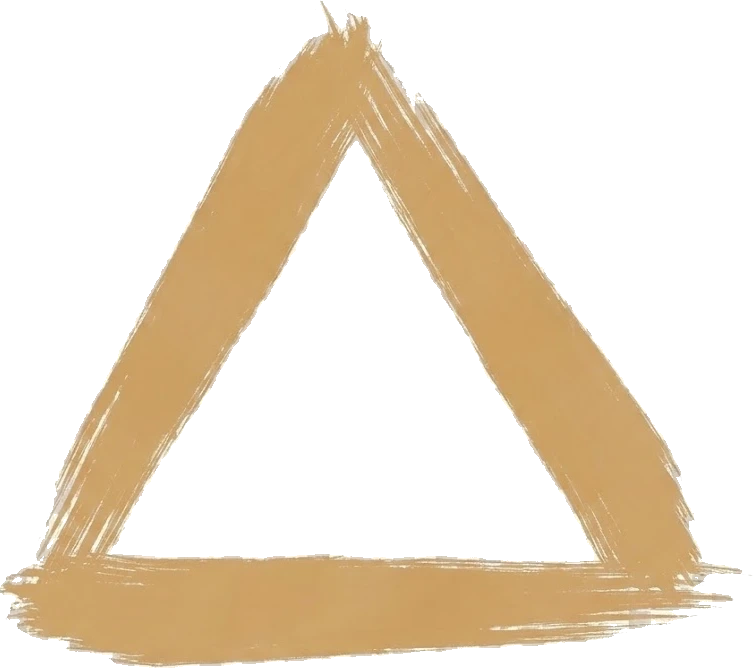 (trine) transits between your natal
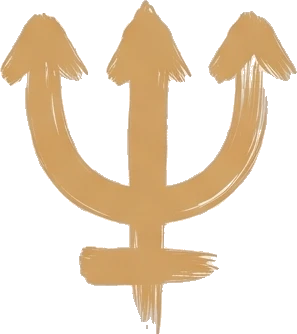 (Neptune, ruler of the 12th house) to access spiritual guidance for your transformative work.
Conclusion
The path of integrating this placement is a lifelong journey of moving from the shadow expressions of repression, codependency, and self-sabotage to the highest expression of quiet, compassionate transformation. The native must learn to embrace their role as a hidden alchemist, using their innate insight into hidden truths and their drive for balance to turn decay into new growth, without seeking external validation for their work. Over time, they will come to see that their greatest power lies not in public recognition, but in the profound, lasting change they effect in the lives of others and in the collective, even if that work is never seen by the world at large. By confronting their own shadow, setting firm boundaries, and using their transformative gifts to restore balance to the hidden systems that shape our world, the native with this placement can fulfill their core purpose of bringing justice and healing to the unseen realms that govern all of our lives.
This article was prepared by the [Astrobot](https://astrobot.chat) editorial team — your personal astrological assistant. The material is based on classical and modern astrological sources.

 Pisces. It creates a lifelong inner tension between the desire for unapologetic personal autonomy and the quest for universal spiritual or philosophical meaning, often manifesting as a pull to explore marginalized, forbidden, or suppressed systems of belief. The individual has an innate gift for perceiving hidden truths behind established dogma, but risks falling into escapism, self-deception, or self-sabotage if they cannot ground their mystical insights in practical reality. The core path of integration is to embrace the exiled parts of the self as a source of liberating wisdom, rather than a source of shame, and to use their unique perspective to challenge oppressive systems with compassion and courage.