 Natal Planets & Points in Houses & Signs
 Pluto
Introduction
The pairing of in the 2nd house in Aries is one of the most charged and transformative knots in a natal chart, as it ties the core of personal identity—self-worth, earned income, and material security—to the most unyielding force of death and rebirth in the astrological system. Unlike placements that govern external, collective themes, this configuration operates at the very foundation of an individual’s sense of safety and value in the physical world, shaping their relationship with money, possessions, and their own capacity to generate and regenerate resources across their entire lifetime. It is not a minor, background influence: every financial decision, every belief about what they deserve, and every reaction to loss or gain is filtered through this placement’s imperative to constantly evolve their understanding of value. For those who integrate its energy, it becomes a superpower for building unshakable resilience and pioneering new systems of worth; for those who resist it, it becomes a source of repeated crisis and self-sabotage.
 Aries is one of the most charged and transformative knots in a natal chart, as it ties the core of personal identity—self-worth, earned income, and material security—to the most unyielding force of death and rebirth in the astrological system. Unlike placements that govern external, collective themes, this configuration operates at the very foundation of an individual’s sense of safety and value in the physical world, shaping their relationship with money, possessions, and their own capacity to generate and regenerate resources across their entire lifetime. It is not a minor, background influence: every financial decision, every belief about what they deserve, and every reaction to loss or gain is filtered through this placement’s imperative to constantly evolve their understanding of value. For those who integrate its energy, it becomes a superpower for building unshakable resilience and pioneering new systems of worth; for those who resist it, it becomes a source of repeated crisis and self-sabotage.
The Nature of the Aspect
This configuration represents a permanent, fused link between ’s function as the planet of deep transformation, hidden power, and unrepressed truth, and the 2nd house’s function as the arena of personal resources, self-worth, and tangible security. The aspectual nature of this placement is best understood as a hard, generative charge: ’s energy is inherently disruptive, so it does not allow the 2nd house’s themes to remain static or conventional. Instead, it forces constant evolution of the individual’s relationship with value, often through sudden, unavoidable crises that dismantle outdated beliefs about scarcity, worth, and power. is the higher octave of , the ruler of Aries, creating a natural affinity between the planet and sign that amplifies the energy’s potency: the transformative drive of is expressed through Aries’ bold, immediate, and pioneering action, with no patience for slow, incremental change around resources. If falls within a tight orb (less than 3°) of the 2nd house cusp, its influence is even more pronounced, acting as a causal combustion that scorches all conventional approaches to money and self-worth, leaving only the individual’s authentic, unrefined drive to generate value on their own terms. If the placement is applying (moving deeper into the 2nd house), the energy feels like an inexorable inner demand to confront and transform value systems; if separating (moving out of the 2nd house), it indicates experience already mastered, where the individual has already integrated the core lessons of the placement and can use its energy to guide others.
 , the ruler of
Symbolism and Mythology
In classical mythology, (Hades) is the ruler of the underworld, guardian of hidden wealth buried beneath the earth, and the god of transformation through death and rebirth. His abduction of Proserpina (Persephone) created the seasonal cycle of decay and renewal, a perfect metaphor for the cyclical gain and loss that defines this placement: just as Proserpina must descend to the underworld each winter to be reborn in spring, the individual with this placement must periodically let go of old resources, beliefs, and identities to rebuild something more authentic and powerful. Aries is symbolized by the golden ram of the Golden Fleece, a mythical object of ultimate value and authority, guarded by a dragon and attainable only through a bold, heroic quest. This myth mirrors the individual’s lifelong quest to uncover their own authentic sense of worth, which is often guarded by their own fears of scarcity and powerlessness. , the ruler of Aries and the lower octave of , is the god of war, representing the raw, aggressive drive to conquer, claim, and defend what is valuable. The fusion of and thus combines the warrior’s drive to claim value with the transformer’s ability to rebuild value from nothing, creating an archetype of the "alchemist of resources"—someone who can turn loss into gain, and scarcity into abundance, through sheer force of will and courage.
The Principles of the Planets in the Chart
in the Chart
governs the deepest, most repressed parts of the psyche, collective trauma, power dynamics, hidden resources, and the process of death and rebirth. In the natal chart, it shows where the individual will experience unavoidable transformation, where they must confront their own shadow, and where they have the potential to access profound, almost supernatural power. When placed in the 2nd house, all of ’s transformative energy is funneled into the individual’s sense of self-worth, material security, and personal resources, making these areas the central battlefield of their life’s evolution.
The 2nd House in the Chart
The 2nd house is the arena of earned income, personal possessions, core values, self-worth, and material security. It is the foundation of the individual’s sense of safety in the physical world, governing what they own, what they value, and how they measure their own success. Unlike the 8th house, which governs shared resources and inheritance, the 2nd house is entirely self-focused: it is what the individual builds and earns on their own, through their own effort and initiative. With placed here, the 2nd house’s usual focus on steady, gradual accumulation is replaced by cycles of radical gain and loss, as the individual is forced to constantly reevaluate and rebuild their understanding of value.
The Combined Influence
The fusion of and the 2nd house creates a lifelong dynamic where the individual’s sense of self-worth is inseparable from their ability to navigate power dynamics around money and resources. They are wired to dismantle any superficial or inherited beliefs about value—such as the idea that worth is tied to net worth, or that security comes from steady, predictable income—and to build a personal value system that is unshakable, even if it means experiencing extreme financial highs and lows. There is a natural, almost psychic talent for uncovering hidden resources: both material (undervalued assets, buried treasure, investment opportunities others miss) and psychological (repressed beliefs about scarcity that block abundance). Many individuals with this placement feel a calling to use their resources to empower others, or to transform collective systems around wealth and value, such as by advocating for economic justice or creating new models of shared abundance.
Expression in Sign and House
Aries as the Sign Modifier
is a cardinal fire sign, ruled by , associated with initiative, impulsivity, pioneering spirit, and raw, unrefined identity. is the ruler of the first decan of Aries, meaning that when placed in the first 10° of Aries, is in its own decanal rulership, amplifying its potency and making its energy feel natural and instinctive to the individual. The fiery, cardinal energy of Aries colors ’s transformative drive with bold, immediate action: there is no patience for slow, gradual change around resources. The individual will take huge, often unplanned risks with money, jumping into new income streams or investments with little research, driven by a primal urge to prove their self-worth through achievement. Aries’ fiery energy also makes the individual fiercely protective of their financial autonomy—they hate being dependent on others for money, and will go to great lengths to be financially independent, even if it means burning through resources in the process. There is a tendency to tie financial success directly to personal identity and power: if they are not earning or accumulating, they feel like they are failing at their core self, which can drive them to take even greater risks to prove their capability.
The 2nd House as the Arena
The 2nd house is a personal, self-focused arena, meaning all of and Aries’ energy is directed inward, toward the individual’s own sense of value and security, rather than collective or shared resources (the domain of the 8th house). This means the individual’s relationship with money is deeply tied to their ego and identity, rather than to inheritance, shared assets, or other people’s resources. The cycles of gain and loss are often self-generated, through their own bold (or reckless) choices, rather than external circumstances beyond their control. Unlike placements of in the 8th house, which deal with other people’s money and transformation through shared crisis, this placement’s crises are almost always self-created, as the individual tests their own ability to generate and regenerate value on their own terms.
Combined Influence across Positions
The in 2nd house combination creates a personality with no middle ground when it comes to resources and self-worth: they are either a fearless entrepreneur who builds empires from nothing, or a person who repeatedly goes broke and rebuilds, with no steady, moderate middle. They hate stagnant, low-risk financial strategies, such as saving money in low-interest accounts, because they see them as a rejection of their transformative nature. They are drawn to high-risk, high-reward fields, and often have a talent for turning around failing businesses, finding value in things others have discarded, or uncovering hidden sources of income that no one else notices. Their self-worth is not tied to their current bank balance, but to their ability to bounce back from loss: even if they lose everything, they can rebuild faster than anyone else, because their identity is tied to their resilience, not their possessions. They often inspire others with their ability to turn crisis into opportunity, becoming a role model for radical self-reliance and authentic value.
Differences Between the Male and Female Chart
The Male Chart
For individuals assigned male at birth, this placement often manifests as a fierce, almost aggressive drive to prove their financial independence and masculine power, often through high-risk entrepreneurship, speculative trading, or high-stakes careers like military logistics or crisis management. They may struggle with impulsivity around spending, often blowing large sums of money on status symbols or bold, unplanned ventures, only to rebuild from scratch after a loss. There is a deep tendency to tie their masculine identity to their ability to provide, so periods of financial loss can trigger intense shame or a sense of failure, leading them to take even greater risks to reclaim their sense of power. They may also struggle with controlling behavior around shared resources in relationships, as they see financial autonomy as a non-negotiable part of their identity, and may resist sharing money or decision-making with partners. When integrated, they become powerful advocates for other men’s financial empowerment, helping them reject toxic expectations of masculinity that tie worth to earning power, and build more balanced, authentic relationships with money.
The Female Chart
For individuals assigned female at birth, this placement often manifests as a radical rejection of traditional expectations of financial dependence, with a fierce drive to build their own wealth and independence on their own terms. They may experience more extreme cycles of gain and loss, often as a direct result of challenging patriarchal systems around wealth and value: for example, being passed over for promotions or paid less than male peers, then leaving to build a wildly successful business that disrupts their industry. Their self-worth is often tied to their ability to transform their own financial situation, and they may become powerful advocates for other women’s financial empowerment, teaching them to reject the idea that their value is tied to their relationships or domestic labor. They are drawn to fields like investigative journalism, forensic accounting, crisis counseling, or holistic healing, where they can use their insight into hidden value and transformation to help others. They may struggle with guilt around earning money, especially if they were raised in an environment that taught women to be modest about their financial success, but ’s energy pushes them to reject that conditioning and claim their full power. When integrated, they become leaders in the movement for economic justice, using their own experience of loss and rebirth to create systems that support marginalized groups’ access to resources and power.
Psychological Portrait
Character
Individuals with this placement are fiercely independent, resilient, and unafraid of conflict, especially around issues of value and power. They are direct, blunt, and have zero patience for hypocrisy, especially when it comes to money—they can spot a lie about value or resources instantly, and will call it out without hesitation. They are natural pioneers, always looking for new ways to generate value and challenge outdated systems, and they have a low tolerance for routine or stagnation. They are also deeply private about their financial and personal struggles, preferring to work through problems on their own rather than asking for help, which can make them seem aloof or unapproachable to others.
Motivation
Their core, lifelong drive is to prove that they can create and regenerate value on their own terms, without relying on others or outdated, oppressive systems. They are motivated by the thrill of transformation, the satisfaction of turning nothing into something, and the desire to uncover hidden truths about the world and themselves. They are not motivated by status or material possessions for their own sake, but by the sense of power and autonomy that comes from being able to generate their own security and worth. They are also deeply motivated by a desire to help others do the same, and often feel a calling to use their own experience of crisis and rebirth to empower people who are struggling with scarcity or powerlessness.
Fears
Their deepest, most primal fear is being powerless, especially when it comes to their own survival. They are terrified of being dependent on others for money, being forced to accept a value system that does not align with their own, or being trapped in a situation where they cannot regenerate after loss. They also fear being seen as weak or incapable, which can drive them to take unnecessary risks to prove their strength, even when it is not in their best interest. Their fear of scarcity is often rooted in past life or collective trauma (a key theme of ) around loss of resources or power, leading them to hoard money or resources as a way to feel safe, even as they take huge risks with other parts of their finances.
Self-Esteem
Their self-esteem is not tied to their current bank balance or material possessions, but to their ability to bounce back from financial or psychological crisis. They feel most proud when they have rebuilt something from nothing, or when they have challenged a corrupt system around wealth and value. They have a very low tolerance for superficial measures of success, such as luxury brands or social status, and see these as shallow and meaningless. They often feel a sense of superiority around their ability to navigate loss and transformation, which can make them seem arrogant to others, but it is rooted in their genuine belief that resilience is the highest form of worth.
Style of Thinking and Attachment
They think in terms of cycles and transformation, not linear progress: they do not see loss as a failure, but as a necessary step in rebuilding something better. They are critical of superficial value systems, and are always looking for the hidden, underlying value in people, situations, and assets. They form very strong attachments to things that represent their personal power and resilience—such as a piece of jewelry they bought after a major financial win, or a business they built from scratch—but they detach very easily from things that no longer serve their growth, often discarding possessions or relationships that feel stagnant or oppressive without a second thought. They are not materialistic in the traditional sense; they see possessions as tools for transformation, not as ends in themselves.
Spheres of Life
Career
Individuals with this placement thrive in high-risk, high-reward fields where they can take bold action and transform existing systems. Ideal careers include entrepreneurship, crisis finance, investigative journalism, mining, archaeology, forensic accounting, crisis management, or any field that involves uncovering hidden value or turning around failing projects. They hate routine and bureaucratic structures, and will quit a stable, boring job to take a risk on a new venture, even if it means starting from zero. They are natural leaders in times of crisis, because they can stay calm when everything is falling apart, and find opportunities in chaos that others miss. They may struggle with authority, as they hate being told how to manage their own resources or value, so they are often self-employed or in leadership roles where they have full control over their work and income.
Relationships
In relationships, they are fiercely independent, and hate any dynamic where they feel financially or emotionally controlled. They are attracted to partners who are equally independent and ambitious, and who respect their need for autonomy and financial freedom. They may have a repeating pattern of entering relationships where there are power struggles around money, which they use as an opportunity to transform their own and their partner’s beliefs about value and independence. They are loyal and protective of their loved ones, and will use their resources to support the people they care about, but they expect the same independence in return. They may struggle with vulnerability, as they see needing help as a sign of weakness, so they often hide their financial or emotional struggles from their partners until they have solved them on their own, which can create distance in relationships.
Finances
Their financial life is marked by extreme, cyclical patterns of boom and bust, often driven by their own impulsive, bold choices. They are drawn to high-risk investments, such as startups, real estate development, or speculative trading, and often make huge gains, but also huge losses, as they learn to balance their risk-taking with discipline. They have a natural talent for finding undervalued assets—such as a house that needs work that they can flip for a huge profit, or a failing business that they can turn around for a fraction of its worth. They hate saving money in traditional, low-interest accounts, as they see it as stagnant and against their transformative nature, preferring to invest in high-potential projects even if it means risking loss. They often experience sudden, unexpected windfalls (such as an inheritance, a successful investment, or a sudden promotion) but also sudden, unexpected losses (such as a failed business, a market crash, or theft), which they use as opportunities to rebuild their value system and become more resilient.
Health (Psychosomatic Tendencies)
Since rules the head and governs repressed emotions and stress, these individuals often experience psychosomatic issues related to chronic stress and repressed anger around scarcity or powerlessness. Common issues include tension headaches, migraines, high blood pressure, and inflammation, often triggered by financial stress or feelings of being controlled. They have a tendency to push themselves to the point of exhaustion, as they see rest as a sign of weakness, which can lead to burnout, adrenal fatigue, or chronic pain. They heal best through intense physical activity, such as martial arts, hiking, or weightlifting, which allows them to release pent-up energy and rebuild their sense of personal power. They are also drawn to transformative healing practices, such as shadow work, breathwork, or energy healing, to process repressed emotions around scarcity and worth.
Challenges and Gifts
Shadow Sides
1. Reckless impulsivity around money: The individual may make huge, unplanned investments or purchases, driven by the need to prove their power or self-worth, leading to massive, avoidable financial loss.
2. Toxic power struggles around resources: They may become controlling or manipulative with money in relationships, using financial power to dominate others, or sabotaging their own success because they fear being controlled by others.
3. Toxic attachment to status and net worth: They may tie their entire self-worth to their financial success, leading to deep shame and self-loathing when they experience loss, or a constant, exhausting need to earn more and more to feel valued.
4. Repression of vulnerability: They may hide their financial or emotional struggles from others, refusing to ask for help even when they need it, leading to isolation and unnecessary suffering during times of crisis.
5. Self-sabotaging cycles of gain and loss: They may repeatedly engage in self-destructive behavior, such as taking unnecessary risks or overspending, leading to repeated financial collapse, because they are subconsciously attached to the cycle of death and rebirth, and fear the stagnation of steady, stable success.
Bright Sides
1. Unbreakable resilience: They can lose everything—their money, their home, their business—and rebuild from scratch faster than anyone else, because their identity is tied to their ability to transform, not their current circumstances.
2. Talent for uncovering hidden value: They have a sixth sense for finding undervalued assets, hidden opportunities, and repressed potential in themselves and others, making them exceptional investors, entrepreneurs, detectives, or crisis responders.
3. Radical authenticity: They have no patience for superficial value systems or social expectations around money and success, so they build a life and value system that is completely true to themselves, inspiring others to reject oppressive norms and define their own worth.
4. Empowering leadership: They have a natural ability to lead others through crisis, helping people transform their relationship with money and self-worth, and empowering marginalized groups to claim their financial power and autonomy.
5. Transformative personal growth: Their cycles of gain and loss force them to constantly evolve, letting go of outdated beliefs about value and building a deeper, more authentic sense of self-worth over time, making them wise, compassionate, and deeply insightful about the human condition.
Practical Recommendations
| Sphere | Advice | Astrological Tool |
|---|---|---|
| Financial Management | Create a separate "crisis fund" covering 6–12 months of expenses, distinct from your high-risk investments, to avoid total loss during downturns. Channel your impulsive risk-taking into a structured investment plan with a trusted, conservative advisor to balance your bold instincts with long-term security. | transits through your 2nd house (when active) to identify periods of high financial risk, and transits to your 2nd house to build disciplined, long-term saving habits that counter your impulsivity. |
| Career Development | Lean into your natural talent for turning around failing projects or finding hidden value, but avoid taking unnecessary risks without a solid backup plan. Prioritize self-employment or leadership roles where you have full control over your resources and decision-making, to avoid feeling constrained by corporate or bureaucratic systems. | (ruler of ) transits to your 10th house to identify opportunities for bold, high-reward career moves, and transits to your 6th house to refine your daily work habits and avoid burnout from overworking. |
| Relationship Dynamics | Communicate openly and honestly with partners about money and power dynamics, and avoid using financial control as a way to avoid vulnerability. Set clear boundaries around financial independence, but allow yourself to receive support from loved ones when you are going through a period of loss or transition. | transits to your 7th house to identify repeating patterns of power struggles around money in relationships, and (North Node) transits to your 7th house to learn to balance autonomy with partnership. |
| Health and Wellness | Schedule regular rest and recovery time, and avoid pushing yourself to the point of exhaustion to prove your resilience. Use high-intensity physical activity, such as martial arts, hiking, or weightlifting, to release pent-up stress and anger around scarcity or powerlessness. | transits to your 1st house to channel your impulsive energy into healthy physical activity, and transits to your 6th house to build consistent, sustainable self-care habits that prevent burnout. |
| Personal Growth | Regularly examine your beliefs about money and self-worth, and consciously let go of any inherited or societal beliefs that tie your value to your net worth or material possessions. Use periods of financial loss as intentional opportunities to rebuild your value system from scratch, rather than seeing them as failures. | transits to your 1st house to identify deep-seated, repressed beliefs about power and worth, and transits to your 2nd house to expand your sense of value beyond material assets to include your resilience, compassion, and insight. |
| Shadow Work | Identify patterns of self-sabotage around money, such as overspending, taking unnecessary risks, or hiding your financial struggles from others, and explore the underlying fear of scarcity or powerlessness that drives them. Practice vulnerability by sharing your struggles with a trusted friend or therapist, to break the cycle of isolation. | (Lilith) transits to your 2nd house to uncover repressed beliefs about money, independence, and power, and transits to your 8th house to process collective and ancestral trauma around scarcity and loss. |
| Spiritual Practice | Connect with the transformative energy of through regular rituals of release and renewal, such as letting go of old possessions that no longer serve you, donating a portion of your income to causes that empower marginalized groups, or practicing gratitude for the resources you have, even during times of loss. | (South Node) transits to your 2nd house to release outdated karmic beliefs about value and scarcity, and transits to your 2nd house to connect your material resources to your spiritual purpose and sense of service to others. |
 transits to your 2nd house to build disciplined, long-term saving habits that counter your impulsivity.
 transits to your 7th house to identify repeating patterns of power struggles around money in relationships, and
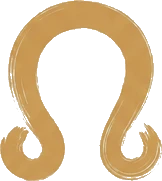 (North Node) transits to your 7th house to learn to balance autonomy with partnership.
 transits to your 2nd house to expand your sense of value beyond material assets to include your resilience, compassion, and insight.
 (Lilith) transits to your 2nd house to uncover repressed beliefs about money, independence, and power, and
 (South Node) transits to your 2nd house to release outdated karmic beliefs about value and scarcity, and
 transits to your 2nd house to connect your material resources to your spiritual purpose and sense of service to others.
Conclusion
The path of integrating in the 2nd house in Aries is a journey from being controlled by cycles of gain and loss to becoming the master of those cycles, using your innate transformative power to build an unshakable, authentic sense of self-worth that is not tied to material circumstances. The shadow expression of this placement is defined by reckless impulsivity, power struggles, and a toxic attachment to status and net worth, leading to repeated crisis and self-sabotage. The highest expression, however, is that of the alchemist of resources: someone who can turn loss into gain, scarcity into abundance, and oppression into empowerment, for themselves and for others. By embracing the cyclical nature of ’s energy, letting go of outdated beliefs about value, and channeling Aries’ bold drive into purposeful action, you can turn your greatest challenges into your greatest gifts, becoming a force for radical transformation in the world of money, power, and human worth.
This article was prepared by the [Astrobot](https://astrobot.chat) editorial team — your personal astrological assistant. The material is based on classical and modern astrological sources.
 Pisces. It creates a lifelong inner tension between the desire for unapologetic personal autonomy and the quest for universal spiritual or philosophical meaning, often manifesting as a pull to explore marginalized, forbidden, or suppressed systems of belief. The individual has an innate gift for perceiving hidden truths behind established dogma, but risks falling into escapism, self-deception, or self-sabotage if they cannot ground their mystical insights in practical reality. The core path of integration is to embrace the exiled parts of the self as a source of liberating wisdom, rather than a source of shame, and to use their unique perspective to challenge oppressive systems with compassion and courage.