 Natal Planets & Points in Houses & Signs
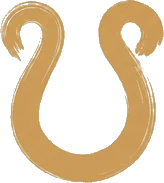 South Node
Introduction
This placement is one of the natal chart’s most defining karmic knots, as it binds the soul’s accumulated past-life wisdom directly to the 10th house: the angular house of public status, career, societal role, and legacy. The South Node, as the point of innate familiarity and karmic carryover from prior lifetimes, sits here in the mutable water sign of Pisces, meaning the individual’s default approach to public life, achievement, and authority is rooted in patterns of intuitive service, boundary dissolution, and connection to the collective unconscious. Unlike South Node placements in more self-focused signs or private houses, this position ties the soul’s comfort zone directly to the most visible, structured arena of worldly life, meaning the individual will often find themselves in public roles even when they do not actively seek them out, as their karmic energy naturally draws public attention and responsibility. This placement also ties into the broader karmic theme of the 10th house as the house of societal contribution: the individual’s past-life expertise is not just for their personal growth, but for the benefit of the wider community, making their career path a key part of their soul’s evolutionary journey.
The Nature of the Aspect
This configuration is a karmic placement rather than a traditional planetary aspect, centering on the South Node: the lunar point representing the soul’s accumulated past-life experience, innate default patterns, and areas of natural comfort that can become sources of stagnation if over-relied upon. The 10th house is an angular, cardinal house of public status, career trajectory, societal authority, and legacy, meaning any placement here carries significant weight in shaping the individual’s outward identity and life path. Pisces, as a mutable water sign, is the sign of dissolution, collective unconscious, intuition, spiritual transcendence, compassion, and boundarylessness, ruled by Jupiter (traditional) and Neptune (modern), both planets associated with expansion, idealism, and the unseen realms. This placement creates a fusion of karmic past-life expertise with the most public, achievement-oriented arena of the chart, tinted by Pisces’ tendency to blur the line between individual identity and collective need.
The South Node’s retrograde movement means its energy is inherently tied to the past, operating as a gravitational pull toward familiar, well-practiced patterns rather than new, growth-oriented experiences. For this placement, this means the individual will naturally default to public roles that feel familiar from past lifetimes, even when those roles no longer serve their highest good, and will often resist the structure and accountability that comes with 10th house achievement unless they consciously work to integrate the North Node’s energy of grounded, practical service (North Node in Virgo in the 4th house, by default for this placement). There is no applying or separating dynamic for a nodal placement, as the nodes move slowly retrograde, meaning this energy operates as a permanent, fixed karmic thread running through the individual’s entire experience of public life and career. The tightness of the South Node’s orb to the 10th house cusp sharpens its influence: if it falls within the first 3 degrees of the 10th house, its karmic pull is especially strong, shaping public identity from early childhood; if closer to the 11th house cusp, its influence is more focused on collective, community-oriented public roles.
Symbolism and Mythology
The South Node, or descending lunar node, is symbolized in Eastern mythology as the tail of the celestial dragon, representing the soul’s accumulated karmic baggage, past-life skills, and default patterns of behavior that feel familiar but can trap us in stagnation if we cling to them. The 10th house, also called the Midheaven, is the highest point of the natal chart, corresponding to the public sphere, career, authority, and legacy; in classical mythology, it is associated with the realm of sovereign gods, the public face of divine order, and the "crown" of worldly achievement. Pisces, the final sign of the zodiac, is tied to the myth of the Great Flood, the dissolution of individual ego boundaries into the collective unconscious, and the boundary between the material and spiritual realms; its symbol of two fish swimming in opposite directions represents the tension between transcendence and worldly engagement.
The meeting of these three symbols creates a powerful archetypal image: the karmic tail of the dragon resting on the public throne, dissolving into the ocean of the collective, carrying the wisdom of past lifetimes of spiritual service, healing, and boundaryless leadership into the visible world of public life. This placement echoes the archetype of the wounded healer who leads not through personal authority, but through their ability to channel collective wisdom and compassion for the public good, often at the cost of their own individual identity. It also echoes the archetype of the oracle or sacred fool in classical mythology: a figure who holds public authority not through rigid rule or personal power, but through their ability to channel collective wisdom, speak uncomfortable truths, and dissolve the boundaries between the sacred and the profane for the benefit of the community. The South Node’s association with the past also ties this placement to karmic patterns of public service that may have been suppressed or hidden in past lifetimes, such as mystics who were persecuted for their spiritual teachings, or artists whose work was censored for challenging public norms, leading the individual in this lifetime to feel a karmic drive to bring those suppressed gifts into the public sphere in a way that is accepted and celebrated.
The Principles of the Planets in the Chart
South Node in the Chart
The South Node functions as the soul’s karmic "default setting," representing skills, patterns, and identities the individual has mastered in past lifetimes, and which feel innately familiar but can become limiting if they are not integrated with the North Node’s call to growth. Unlike planets, the South Node does not have a volitional energy of its own, but acts as a gravitational pull toward familiar, past-life patterns, especially in the house and sign it occupies. For this placement, the South Node’s karmic pull is toward roles that require dissolving personal ego for the collective, intuitive service, and boundaryless connection to others, all of which feel natural but can lead to stagnation if the individual does not learn to set boundaries and take personal responsibility for their own needs. The South Node’s influence is especially strong here because it falls in an angular house, meaning its energy is felt not just in the individual’s private life, but in their most public, visible actions and identity. The individual may feel an inexplicable sense of familiarity with public roles that involve service, healing, or spiritual leadership, as if they have done this work many times before, and may pick up these skills with little formal training, learning instead through intuitive, experiential means.
10th House in the Chart
The 10th house is the angular house of public identity, career, societal authority, and legacy, ruling how the individual is perceived by the wider world, their professional path, and their long-term impact on society. It is a cardinal house, meaning it is action-oriented and focused on outward achievement, and its placement and occupants shape the individual’s core sense of purpose in the public sphere. The sign on the 10th house cusp (here, Pisces) sets the style and tone of the individual’s public persona and career path, while any planets or points placed here directly shape the themes of their professional life and public reputation. The 10th house is also associated with the father or primary authority figures in the individual’s early life, so this placement may indicate karmic patterns related to authority figures who worked in Piscean public roles, such as a parent who was a spiritual leader, artist, healer, or public servant, or a father figure who struggled with boundary setting or escapism in their own career.
The Combined Influence
When the South Node falls in the 10th house, the individual’s entire public identity and career path is rooted in karmic patterns from past lifetimes. They have spent many prior incarnations mastering the art of leading, healing, or serving the public through intuitive, boundary-dissolving means, often in roles as spiritual leaders, healers, artists, or public servants who prioritized collective good over personal gain. This placement creates a scenario where the individual’s default approach to career and public life is to lead through empathy, intuition, and service, rather than through rigid authority or personal ambition. The core karmic task of this placement is to move beyond the South Node’s pattern of dissolving into public roles or sacrificing personal needs for collective approval, and instead learn to ground their intuitive gifts in concrete, structured action that serves both the collective and their own personal growth.
Expression in Sign and House
Pisces, as a mutable water sign, tints the South Node’s karmic pull with themes of intuition, collective consciousness, compassion, boundarylessness, and spiritual transcendence. The mutable quality of Pisces makes the individual’s default public persona highly adaptable, able to shift to meet the needs of the audience or collective they serve, but also prone to inconsistency, lack of clear personal boundaries, and a tendency to over-identify with the roles they play for the public. The water element adds deep emotional sensitivity, uncanny intuition, and a natural attunement to the unspoken needs of the masses, making the individual a natural reader of public sentiment even when they have no formal training in public relations or leadership. The source material notes that Pisces energy brings rich imagination, strong empathy, and a talent for artistic, occult, and healing pursuits, all of which shape the individual’s public expression: they are often drawn to public roles that allow them to express their creativity, connect with others on an emotional level, or serve the collective through spiritual or healing work.
The 10th house amplifies the visibility of this karmic pattern, meaning it plays out in the most public, structured arena of the individual’s life: their career, public reputation, and legacy. Unlike South Node placements in private houses, this position ensures that the individual’s past-life skills of boundaryless service and intuitive leadership will be recognized and utilized by the wider world, often whether they seek public attention or not. The 10th house’s cardinal, action-oriented energy pushes the individual to turn their karmic gifts into tangible, worldly achievement, even as Pisces’ mutable energy may resist the structure and accountability that comes with public roles. The source material also notes that when a house cusp falls in a mutable sign such as Pisces, the individual approaches the affairs of that house with high adaptability, intellectual flexibility, and a talent for finding creative workarounds to problems, but also a tendency toward cunning, craftiness, and a reluctance to take direct, structured action when it feels too restrictive. This amplifies the South Node’s tendency to avoid concrete accountability in public roles, preferring to operate in the realm of ideas and intuition rather than measurable results. The source also notes that water sign house cusps indicate a subjective, intuition-based approach to the house’s affairs, which aligns perfectly with this placement: the individual’s career choices and public actions are rarely driven by cold, logical calculation, but instead by their intuitive sense of what the collective needs, even when that need is not yet explicitly voiced.
Combined Influence across Positions
If the South Node falls in the first decanate of Pisces in the 10th house, the karmic pull is strongest toward spiritual leadership, public roles in religious or mystical traditions, or careers in holistic healing that serve large groups of people. If it falls in the middle decanate, the pull is toward artistic public roles: careers in film, music, poetry, or performance that touch the collective emotional experience, or roles in diplomacy, international relations, or cross-cultural service. If it falls in the third decanate, the karmic pattern centers on occult, astrological, or psychological public service: careers in psychotherapy, social work, activism for marginalized groups, or secret service roles that serve the public good. An exact conjunction of the South Node to the Midheaven (within 3 degrees) makes this karmic pattern the defining feature of the individual’s public identity, often leading to early public recognition or a strong sense of "calling" to a public role from childhood. If the South Node falls in the later degrees of the 10th house, closer to the 11th house cusp, the karmic pattern is focused on collective, community-oriented leadership: roles in non-profit management, community organizing, or leadership of grassroots movements that serve the collective good.
Differences Between the Male and Female Chart
The Male Chart
- Societal pressure to conform to traditional masculine norms of authoritative, individualistic leadership often leads men with this placement to suppress their natural intuitive, compassionate leadership style, leading to internal conflict between their karmic desire to serve the collective and societal expectations to prioritize personal achievement and authority.
- They are more likely to face dismissal or skepticism from peers in traditional corporate or political spheres, who may view their boundaryless, empathetic approach to leadership as "weak" or "unambitious," leading them to either overcompensate with rigid, authoritarian behavior that feels inauthentic, or retreat into escapist patterns to avoid public judgment.
- Their karmic gifts are often channeled into public roles that are traditionally male-dominated but align with Pisces' themes: spiritual leadership of large communities, direction of artistic or film projects that serve collective healing, or leadership of humanitarian organizations that operate in crisis zones, where their intuitive ability to read collective need is a major asset.
- They may also struggle with societal expectations to be the primary breadwinner or authority figure in their family, leading to conflict between their karmic desire for boundaryless service and their perceived role as a provider, often leading them to either reject traditional career paths entirely or overwork to prove their competence in traditional public roles.
The Female Chart
- Women with this placement often face the opposite societal pressure: they are encouraged to lean into their compassionate, service-oriented nature, but are often dismissed as "too idealistic" or "unrealistic" when they pursue high-level public leadership roles, leading them to either underplay their karmic gifts to fit into supportive, behind-the-scenes roles, or overwork to prove their competence in public spheres.
- They are more prone to over-identifying with public projections of the "selfless caregiver," leading them to sacrifice their own personal needs, boundaries, and desires to serve the collective or meet others’ expectations of their public role, often leading to burnout, chronic illness, or resentment.
- Their karmic gifts are often channeled into public roles that align with traditional feminine caregiving norms but have large-scale impact: public health leadership, direction of large-scale arts or education initiatives, or spiritual leadership of women’s or marginalized communities, where their intuitive ability to connect with others' emotional needs is widely recognized and valued.
- They are often drawn to public roles that prioritize care and service, but may struggle to be taken seriously as leaders in these fields, leading them to either overwork to prove their competence or retreat into behind-the-scenes roles where their gifts are less visible, even when they have the talent and experience to lead at the highest levels.
Psychological Portrait
Individuals with this placement carry a deeply empathetic, intuitive, and highly adaptable character, shaped by lifetimes of serving the collective through boundary-dissolving leadership. Their vivid imagination and rich inner world, a hallmark of Pisces energy, makes them exceptional at creating visionary public projects, but also prone to getting lost in daydreams and failing to turn their visions into tangible action. Their core motivation is a karmic drive to use their innate gifts of compassion, intuition, and artistic or spiritual talent to serve the greater good, often feeling a deep, unshakable "calling" to a public role that aligns with their values of service and transcendence.
Their primary fear is losing their individual identity in the collective, either by being trapped in a public role that does not align with their true self, or by being seen as inauthentic or "fake" by the public they strive to serve. They also harbor a deep fear of accountability for concrete, structured outcomes, as their Pisces nature prefers to operate in the realm of intuition and ideal rather than rigid, measurable results. Self-esteem for these individuals is often tightly bound to public approval, as the 10th house’s focus on reputation and legacy makes them highly sensitive to how they are perceived by the wider world. They may struggle with feelings of inadequacy when they feel they are not living up to others’ expectations of their public role, even when they are objectively succeeding in their career. They are highly sensitive to criticism, especially public criticism, and may withdraw from public life entirely when they feel judged or rejected by the collective.
Their style of thinking is intuitive, associative, and non-linear, with a natural talent for reading between the lines and anticipating public needs before they are explicitly voiced. They are prone to daydreaming, idealization, and escapist thinking, often struggling to ground their lofty visions for public service in concrete, actionable steps. In attachment, they tend toward an anxious-preoccupied style: they are highly attuned to the needs and emotions of others, often over-extending themselves to meet others’ expectations, while struggling to set clear personal boundaries or ask for support when they need it. They may also idealize authority figures or public figures, projecting their own karmic ideals of service and transcendence onto them, and feel deeply disappointed when those figures fail to meet their idealized expectations.
Spheres of Life
Career
This is the most directly impacted sphere, as the 10th house rules career and public status. Individuals with this placement are naturally drawn to public roles that align with Pisces’ themes of service, intuition, spirituality, and art: common career paths include spiritual leadership, holistic healing, psychotherapy, social work, artistic performance, film or music direction, poetry, humanitarian non-profit work, diplomacy, and public education. They have a natural talent for reading public sentiment and anticipating collective needs, making them exceptional leaders of movements or organizations that serve marginalized or vulnerable groups. They thrive in roles that allow them to work with the collective unconscious, such as arts administration, cultural policy, or environmental advocacy, where they can channel their intuitive gifts into tangible public good. The source material notes that Pisces energy is strongly associated with success in professions related to the sea, such as marine biology, ocean conservation, or shipping, as well as professions related to liquids, such as winemaking, brewing, or pharmaceutical work, all of which may be fulfilling career paths for individuals with this placement.
They struggle in rigid, hierarchical, or highly structured corporate environments that prioritize individual achievement over collective service, as these roles feel inauthentic and draining. They may also struggle with consistency and follow-through on long-term projects, as their mutable Pisces nature prefers to shift and adapt rather than stick to rigid, pre-determined plans. Their karmic task in career is to move beyond the South Node’s pattern of taking on public roles that require them to dissolve their own identity for the collective, and instead build a career that allows them to serve others while maintaining clear personal boundaries and a sense of individual purpose.
Relationships
In relationships, this placement creates a dynamic where the individual often seeks out partners who are strong, grounded, and able to provide structure to their often boundaryless, dreamy nature. They are highly empathetic and attuned to their partner’s needs, often putting their partner’s happiness above their own, which can lead to resentment if their own needs are consistently overlooked. They are drawn to partners who share their values of service and compassion, often forming relationships with people who work in healing, public service, or the arts. Their karmic pattern of dissolving boundaries can lead to codependency, as they may lose their sense of self in the relationship, prioritizing their partner’s needs and identity over their own. They may also idealize their partners, projecting their karmic ideals of service and transcendence onto them, leading to disappointment when their partner fails to meet these unrealistic expectations.
In friendships, they are often the "caretaker" of the group, taking on the emotional labor of supporting others, often to their own detriment. Their challenge in relationships is to learn to set clear boundaries, prioritize their own needs, and avoid idealizing others or sacrificing their own identity to serve their partner or community.
Finances
Financially, this placement creates a dynamic where the individual is often less focused on accumulating personal wealth than on using their resources to serve the collective. They may be drawn to careers that pay poorly but align with their values of service, such as non-profit work, teaching, or healing, and may struggle with financial stability as a result. The source material notes that Pisces energy can bring good financial prospects through foreign travel, contacts with foreigners, or secret deals, so individuals with this placement may benefit from building international connections or pursuing public roles that involve travel or cross-cultural exchange, which can bring unexpected financial windfalls.
They have a natural talent for intuitive financial decisions, especially when those decisions benefit the collective, such as investing in sustainable businesses, community projects, or artistic ventures that serve the public good. They are prone to financial escapism, such as overspending on spiritual or artistic pursuits, or giving away too much of their income to others without setting clear boundaries, leading to financial instability. They may also benefit from unexpected financial windfalls related to public recognition, such as royalties from artistic work, donations from supporters of their public service, or inheritance from family members who supported their public career. Their karmic task around finances is to learn to balance their desire to serve the collective with the need to build personal financial stability, recognizing that financial security allows them to serve others more effectively in the long term.
Health
Psychosomatically, this placement is associated with a sensitive, often fragile physical constitution, as Pisces rules the feet, immune system, and lymphatic system, and the South Node’s karmic energy can manifest as chronic health issues related to stress, boundarylessness, and escapism. They are prone to immune system deficiencies, chronic fatigue, and foot or leg injuries, often exacerbated by overwork, burnout, or a lack of clear personal boundaries. The source material also notes that Pisces energy is associated with illnesses related to the lymphatic system, immune deficiencies, and chronic inflammatory conditions, which may be exacerbated by the stress of public life and the tendency to absorb others’ emotional energy.
They are also prone to mental health struggles such as depression, anxiety, and dissociative disorders, as their highly sensitive nature and tendency to absorb the collective unconscious can lead to emotional overwhelm. They may turn to escapist coping mechanisms such as substance use, overeating, or excessive daydreaming to avoid dealing with the stress of public life or the pressure to meet others’ expectations. Their health is often improved when they are engaged in meaningful public service that aligns with their values, as this gives them a sense of purpose and helps them ground their energy in the material world. They benefit greatly from spiritual practices such as meditation, yoga, or energy work that help them set energetic boundaries and protect themselves from absorbing others’ emotions, as well as regular gentle exercise such as swimming or walking to strengthen their immune system and lower extremities.
Challenges and Gifts
Shadow Sides
1. Escapist avoidance of responsibility: The combination of Pisces’ tendency to avoid concrete, structured tasks and the South Node’s karmic pull toward familiar, low-effort patterns can lead these individuals to avoid accountability for their public roles, skipping meetings, missing deadlines, or abandoning public projects when they feel overwhelmed or criticized.
2. Boundarylessness and codependency: Their natural empathy and desire to serve the collective can lead them to over-extend themselves, taking on others’ emotional labor and responsibilities without setting clear limits, leading to burnout, resentment, and a loss of their own individual identity.
3. Over-idealization of public roles and figures: Their Pisces nature leads them to idealize public roles, authority figures, and the expectations of the collective, often taking on public personas that are inauthentic to their true self, or projecting unrealistic ideals onto public figures, leading to deep disappointment when those figures fail to meet their expectations.
4. Dissociative escapism: When faced with the stress of public life or the pressure to meet others’ expectations, they may turn to escapist coping mechanisms such as substance use, excessive daydreaming, or withdrawal from public life entirely, avoiding their karmic responsibilities rather than working to integrate their gifts with concrete action.
5. Victimhood and passivity: Their karmic pattern of serving others can lead them to adopt a victim mentality, feeling that they are constantly sacrificing their own needs for the collective, and refusing to take personal responsibility for their own choices or set boundaries with others.
Bright Sides
1. Uncanny intuitive leadership: Their innate attunement to the collective unconscious and public sentiment makes them exceptional leaders of movements, organizations, and artistic projects that serve the public good, able to anticipate needs and trends before they are visible to others, and lead with empathy rather than authority.
2. Healing and compassionate public service: Their natural compassion and ability to dissolve ego boundaries make them exceptional healers, therapists, spiritual leaders, and public servants, able to connect with people from all walks of life and provide support that feels deeply personal and transformative.
3. Artistic and spiritual innovation: Their rich inner world and connection to the collective unconscious gives them a unique talent for creating art, music, literature, and spiritual teachings that resonate deeply with the public, often capturing the collective emotional experience of their time in a way that feels timeless and universal.
4. Adaptability and cross-cultural connection: Their mutable Pisces nature makes them highly adaptable to different cultural contexts and public audiences, able to shift their communication style and approach to meet the needs of diverse groups, making them exceptional diplomats, cross-cultural leaders, and advocates for global collective good.
5. Alchemical transformation of collective trauma: Their ability to connect with the collective unconscious also gives them a unique talent for helping communities process collective trauma, whether through art, spiritual leadership, or public service, turning pain and suffering into collective healing and growth.
Practical Recommendations
| Sphere | Advice | Astrological Tool |
|---|---|---|
| Career | Choose public roles that align with your values of service and intuition, rather than roles that prioritize individual achievement and rigid hierarchy. Avoid roles that require you to suppress your empathetic nature or prioritize profit over collective good. | Look for career paths ruled by Jupiter or Neptune, such as healing, arts, spirituality, or humanitarian work, and research employers whose mission aligns with your personal values of service and compassion. |
| Boundary Setting | Practice setting clear, firm boundaries with others, especially in public roles, to avoid over-extending yourself and losing your sense of self. Learn to say "no" to requests that do not align with your values or that drain your energy. | Work with the energy of Saturn (the planet of boundaries and structure) by creating a daily routine that includes dedicated time for personal rest and reflection, separate from your public responsibilities, and practice setting small, low-stakes boundaries with others to build your confidence. |
| Financial Management | Create a structured budget that allocates a portion of your income to both collective service and personal financial security, avoiding the pattern of giving away all your resources to others without ensuring your own stability. | Use the energy of Jupiter (ruler of Pisces) by setting clear financial goals for long-term security, and work with a financial advisor who understands your values of service to help you build sustainable wealth that allows you to give generously without jeopardizing your own well-being. |
| Mental Health | Prioritize regular grounding practices to avoid absorbing collective emotional energy and becoming overwhelmed by stress. Schedule regular time for activities that help you feel connected to your individual self, separate from your public role. | Practice daily meditation, yoga, or energy work focused on setting energetic boundaries, and work with the energy of the North Node (opposite the South Node in Virgo in the 4th house) to focus on small, concrete self-care practices that ground you in your personal needs, such as journaling, gardening, or cooking. |
| Public Image | Cultivate a public persona that is authentic to your true self, rather than the idealized version you think the public wants to see, to avoid disillusionment and burnout. Share your personal flaws and struggles with your audience when appropriate, to build more genuine connection. | Work with the energy of the Sun (ruler of the 10th house) by identifying your core personal values and incorporating them into your public work, rather than projecting an image that is inauthentic to who you are, and practice sharing your true opinions and feelings in low-stakes public settings to build confidence. |
| Relationship Dynamics | Communicate your needs clearly to partners and loved ones, avoiding the pattern of sacrificing your own needs to serve others, and seek out partners who are grounded and supportive of your public work. | Work with the energy of Venus (planet of relationships) by setting aside regular quality time with loved ones that is separate from your public responsibilities, and practice expressing your own needs and desires openly, even when they feel selfish or uncomfortable. |
| Spiritual Practice | Ground your spiritual and intuitive gifts in concrete, actionable service to the collective, rather than using spirituality as an escape from worldly responsibility. Avoid using spiritual practices to avoid dealing with concrete problems or accountability in your public life. | Work with the energy of Neptune (modern ruler of Pisces) by volunteering for structured, tangible service projects that align with your values, such as community gardening, teaching, or disaster relief, to turn your intuitive gifts into concrete public good, and avoid excessive daydreaming or escapist spiritual practices that disconnect you from material reality. |
| Overcoming Stagnation | Avoid relying solely on your karmic, familiar patterns of public service, and challenge yourself to take on new, structured responsibilities that push you to grow beyond your comfort zone. | Work with the energy of Saturn (planet of structure and growth) by setting small, measurable career goals that push you to take on more accountability and structured leadership, such as leading a small team, managing a budget for a public project, or completing a formal certification in your field, rather than staying in familiar, low-stakes public roles. |
Conclusion
The highest expression of this placement emerges when the individual moves beyond the South Node’s karmic pull toward familiar patterns of boundaryless service, escapism, and over-identification with public expectations, and instead integrates their innate gifts of intuition, compassion, and collective attunement with the 10th house’s call for structured, tangible public achievement. Rather than dissolving their identity into public roles or sacrificing their own needs to serve the collective, they learn to set clear boundaries, ground their lofty visions in concrete action, and lead with both empathy and accountability. They become a bridge between the collective unconscious and the material world, translating the unspoken needs and wisdom of the masses into public policies, artistic works, spiritual teachings, or social structures that create lasting, positive change for society. No longer reliant on public approval to validate their worth, they lead from a place of authentic service, using their karmic past-life expertise to uplift others while building a legacy that honors both the collective and their own unique individual identity.
This article was prepared by the [Astrobot](https://astrobot.chat) editorial team — your personal astrological assistant. The material is based on classical and modern astrological sources.

 Pisces. It creates a lifelong inner tension between the desire for unapologetic personal autonomy and the quest for universal spiritual or philosophical meaning, often manifesting as a pull to explore marginalized, forbidden, or suppressed systems of belief. The individual has an innate gift for perceiving hidden truths behind established dogma, but risks falling into escapism, self-deception, or self-sabotage if they cannot ground their mystical insights in practical reality. The core path of integration is to embrace the exiled parts of the self as a source of liberating wisdom, rather than a source of shame, and to use their unique perspective to challenge oppressive systems with compassion and courage.