 Natal Planets & Points in Houses & Signs
 Venus
Introduction
This threefold natal synthesis is one of the personality’s core emotional and creative knots, tying together three fundamental functions of the self: how you give and receive affection, how you express your unique creativity, and what you need to feel emotionally secure. Unlike a two-planet aspect that creates tension or harmony between two internal drives, this configuration aligns the benefic planet of love and beauty directly with the arena of playful self-expression, filtered through the sensitive, nurturing lens of the Moon-ruled sign . It shapes your approach to dating, art, parenting, hobbies, and even your relationship with your own inner child for your entire life, creating a consistent pattern of seeking joy through care and connection rather than thrill or status.
 . It shapes your approach to dating, art, parenting, hobbies, and even your relationship with your own inner child for your entire life, creating a consistent pattern of seeking joy through care and connection rather than thrill or status.
The Nature of the Aspect
This configuration operates as a seamless, harmonious flow of energy, with no inherent hard aspect tension, because the benefic nature of Venus aligns naturally with the joyful, fertile energy of the 5th house, and the water sign supports Venus’s affinity for emotional connection. There is no angular aspect to calculate here, but the intensity of the placement depends on how closely Venus falls to the 5th house cusp: the tighter the orb to the cusp, the more directly Venus’s energy flows into the 5th house’s domains of romance, creativity, and play. The interaction between the three elements is a natural, unforced channel: Venus’s desire for beauty and affection is immediately directed toward the things that bring you joy, filtered through ’s need for emotional security and nurturing. The primary risk of this easy flow is inertia: because the energy comes so naturally, you may take this talent for granted, fail to develop your creative skills, or become overly dependent on external validation from partners or audiences for your self-worth. As a static placement, there is no applying or separating aspect, but the closer Venus is to the cusp of the 5th house, the more consistently this energy will manifest in your daily life.
Symbolism and Mythology
In classical mythology, Venus (Aphrodite to the ancient Greeks) is the goddess of love, beauty, pleasure, art, and harmonious connection, born from sea foam and associated with the tides of emotion and attraction. The 5th house is aligned with Dionysus (Bacchus to the Romans), the god of ecstatic joy, creative frenzy, playful risk, romantic adventure, and the unburdened inner child, who celebrates life through wine, art, and connection to others. Cancer is ruled by the Moon (Artemis/Diana, goddess of the night, home, family, and nurturing protection), associated with the tides of emotion, the safety of the home, and the bonds of family and memory. The mythological image of this combination is of Venus bathing in moonlit coastal waters, surrounded by shells, soft woven fabrics, and half-finished paintings, playing with small children and sharing wine with a lover she has known since childhood. This is not the image of dramatic, passionate love associated with Venus in Scorpio or Mars aspects; it is the image of love tied to memory, home, and the small, tender, unspoken joys of daily life. Culturally, this archetype appears as the nurturing artist who fills their home with handmade crafts and music, the parent who tells bedtime stories and plays board games with their children every night, or the romantic who seeks out partners that feel like a safe, familiar harbor rather than an exciting, unknown adventure.
The Principles of the Planets in the Chart
Venus in the Chart
Venus is one of the inner, minor planets, orbiting between the Sun and Earth, which gives its energy a receptive, inward-focused quality: it is less about outward action and more about internal feeling, connection, and appreciation of beauty. It is the inner function of affection, aesthetic discernment, and the things you value as beautiful, worthy, and worth investing in. It governs your capacity for pleasure, how you give and receive love, your taste in art and beauty, and your approach to relationships and social connection. Normally, Venus’s energy is directed outward toward social interaction and impressing others, but with this placement, its focus shifts inward toward intimate, emotionally safe spaces: you care far less about impressing strangers or gaining social status, and far more about creating beauty and connection with people who feel like family. Your natural charm is soft, warm, and nurturing, rather than flashy or dramatic, and you show love through small, thoughtful acts of service rather than grand, public gestures.
The 5th House in the Chart
The 5th house is the arena of spontaneous, unburdened joy: it governs creative self-expression, romantic attraction, casual and serious dating, children, hobbies, games, and the thrill of taking risks for the sake of fun, separate from the responsibilities of work, family, or social status. Normally, it is the house of lighthearted play and self-indulgence, but with Venus placed here, its energy is softened and focused on emotional connection: you seek joy that is tied to love and care, rather than just thrill-seeking or hedonistic pleasure. Your creative work is not just a way to express yourself; it is a way to connect with others and share your emotional inner world.
The Combined Influence
Together, these three elements create a single, consistent lifelong scenario: your core source of joy, self-expression, and fulfillment comes from emotionally secure, nurturing creative and romantic pursuits. You do not seek out wild, anonymous adventures or casual flings; you want to create art, fall in love, and spend time with people that feel like a home. Your creative work is almost always tied to your personal memories, family, or care for others, and your romantic relationships are built on mutual nurturing, emotional safety, and shared domestic or creative interests, rather than just physical attraction or social status. You are most fulfilled when you are caring for someone or something you love, whether that is a partner, a child, a pet, or a creative project that feels personally meaningful.
Expression in Sign and House
The Influence of Cancer
Cancer is a cardinal water sign, ruled by the Moon, focused on emotional security, nurturing, attachment to home and the past, and protective sensitivity. It styles Venus’s expression as tender, nostalgic, and deeply loyal, with a strong attraction to the opposite sex and a desire for emotionally intimate, long-term romantic connections rather than casual flings. You show love by cooking for your partner, making handmade gifts, and creating art that references your childhood or family. You are highly sensitive to rejection, and will withdraw into your "shell" if you feel your affection is not reciprocated or your creative work is criticized. You have a strong attachment to your home and family, and you feel most creative and loved when you are in a familiar, comfortable space. You are also highly protective of the people you care about, and will go to great lengths to create a safe, stable environment for your loved ones.
The Influence of the 5th House
As the house of creative expression, romance, children, and play, the 5th house is the arena where the Venus- energy plays out most directly. You will likely have a strong attachment to your own children, and may feel a deep desire to have a large family, as caring for children is one of your most fulfilling experiences. You have a natural talent for creative work that involves children or family themes, such as children’s book illustration, family photography, plays about home life, or music for children. Your dating style is old-fashioned, nurturing, and focused on building a long-term emotional bond rather than casual flings: you will often take months or years to build a relationship with someone, to ensure they are a good fit for a long-term family life. You also have a strong love of games, hobbies, and playful activities, and you are most attracted to partners who are willing to play games, do crafts, or spend quiet evenings at home with you, rather than going out to loud parties or expensive events.
Combined Influence across Positions
The exact degree of Venus in the 5th house will shape how this energy manifests. If Venus falls within 3-5 degrees of the 5th house cusp, its energy is even more focused on the 5th house’s domains: you may make a career out of your creative work, have multiple children, or meet your life partner through a creative hobby. If Venus falls in the later degrees of the 5th house, closer to the 6th house cusp, the nurturing energy may also spill into your work life: you may create art for a cause you care about, work with children in a professional setting, or meet partners through work-related creative projects. Since is a water sign, your creative expression is almost always tied to emotion: you may be a poet, singer, or painter who uses your work to process your feelings, or a writer who writes about family and home life. You may also have a talent for cooking or baking, which you see as a form of creative expression, and you often use food to show love to the people you care about.
Differences Between the Male and Female Chart
The Male Chart
For a man with this placement, the Venus-5th- configuration shapes his approach to romance and creativity in a distinctly nurturing, emotionally open way, which diverges from traditional masculine gender norms in many cultures. 1. Romantic Style: He is a deeply attentive, caring partner who prioritizes his partner’s emotional comfort over grand, flashy romantic gestures. He will often remember small, personal details about his partner’s preferences, and show his love by cooking their favorite meal, fixing things around the house, or planning low-key, cozy dates at home. He is not interested in casual flings or short-term relationships, and will often pursue a partner for months or years before making a move, to ensure they are a good fit for a long-term family life. 2. Creative Expression: His creative work is almost always tied to themes of home, family, and childhood: he may collect vintage toys, paint scenes of his childhood home, write children’s books, coach youth sports, or create home decor. He often finds joy in simple, playful activities, such as board games, hiking, or cooking, and he loves to share these activities with his partner and children. 3. Parenting: If he has children, he is a deeply involved, nurturing parent who takes on the role of the "fun parent" who plays games, tells stories, and helps with creative projects. He is highly protective of his children, and will go to great lengths to create a safe, stable home for them, but may struggle with setting boundaries, leading to smothering behavior if he feels his children are at risk. 4. Emotional Challenges: He may struggle to express his own emotional needs, because he is so focused on caring for others, leading to resentment if his partner does not notice his unspoken needs. He may also feel pressure to conform to traditional masculine norms that discourage emotional expression, leading him to suppress his nurturing side in public or in professional settings.
The Female Chart
For a woman with this placement, the configuration amplifies her natural nurturing and creative energies, aligning with traditional feminine gender norms but also giving her a unique, powerful voice in creative and domestic spheres. 1. Creative Talent: She has a natural, often prodigious talent for artistic expression tied to emotion and memory: she may be a poet, singer, painter, or writer who creates work that resonates deeply with others because of its raw, honest emotional depth. She often finds joy in domestic creative pursuits, such as cooking, baking, sewing, or home decor, and she sees these activities as a form of art and self-expression. 2. Romantic and Family Life: She is deeply family-oriented, and may prioritize building a stable home and having children over career advancement. She is a warm, attentive partner who shows love through acts of service: cooking, cleaning, making handmade gifts, and creating a cozy home for her partner. She often meets her partners through shared creative or family-oriented hobbies, such as art classes, community events, or through mutual friends. 3. Parenting: If she has children, she is a deeply devoted, nurturing parent who prioritizes creating a safe, loving home for her kids. She may homeschool her children, involve them heavily in her creative hobbies, or work in a field that involves children, such as teaching or child therapy. She is highly sensitive to any criticism of her parenting, and may withdraw from relationships if she feels she is not a "good enough" mother. 4. Emotional Challenges: She may have a tendency to idealize her family and romantic relationships, leading to deep disappointment when reality does not match her nostalgic, idealized vision of home. She may also struggle with setting boundaries, taking on too much caregiving for others at the expense of her own needs and creative work.
Psychological Portrait
This placement creates a personality that is deeply empathetic, nostalgic, and nurturing, with a vivid inner world filled with memories, creative ideas, and dreams of a perfect, loving home. Your core character is warm, approachable, and gentle: people are naturally drawn to you because you make them feel safe and cared for, and you have a unique ability to listen to others’ problems without judgment. Your primary motivation is to create a safe, loving space for yourself and the people you care about: you want to express your inner world through creative work, build long-term relationships that feel like a home, and care for the people and things that bring you joy. You are motivated by the desire to be needed and appreciated for your nurturing nature, and you feel most fulfilled when you are caring for someone or something you love. Your deepest fear is rejection and abandonment, especially from people you love or from an audience that rejects your creative work. You are terrified of being seen as unlovable, uncreative, or unworthy of care, and you will often withdraw from relationships or public creative expression if you feel criticized or unappreciated. Your self-esteem is tied directly to your ability to care for others and create beautiful, meaningful work: you feel most confident when you are nurturing your partner, children, or friends, or when you are working on a creative project that feels personally authentic. You struggle with deep self-doubt if you feel your creative work is not good enough, or if you are not in a relationship, because you tie your self-worth to your ability to connect with and care for others. Your style of thinking is intuitive and emotional, rather than logical and analytical: you remember events based on how they made you feel, rather than the factual details, and your creative work is driven by emotional memory rather than intellectual concept. You are highly attuned to the emotions of others, and can often sense when someone you love is upset, even if they are hiding their feelings. Your attachment style is typically anxious-preoccupied: you crave emotional security and constant closeness, and fear abandonment, leading you to become overly dependent on your romantic partners for validation. You may struggle to set boundaries with people you care about, because you want to avoid conflict and rejection, leading to resentment if your needs are not met.
Spheres of Life
Career
This placement is ideally suited for careers that involve creativity, nurturing, and working with children or families. You will thrive as an artist (especially in emotionally driven mediums such as painting, poetry, music, or creative writing), a teacher (especially of young children or art), a children’s book author, a family therapist, a home decorator, a chef, or a caregiver for children or the elderly. You will be most satisfied in a career that allows you to express your personal emotions and care for others, rather than a high-pressure corporate job that requires you to suppress your feelings or prioritize profit over people. You may struggle with careers that involve a lot of public criticism or rejection, such as acting, competitive art, or sales, because you are highly sensitive to negative feedback. You work best in a supportive, collaborative environment where your contributions are appreciated, and may become deeply resentful if your work is ignored or undervalued, or if you are forced to work in a competitive, cutthroat setting.
Relationships
In romance, you seek a partner who feels like a safe, nurturing home, rather than an exciting, dramatic adventure. You are not interested in casual flings or turbulent, on-again-off-again relationships; you want a long-term partnership built on mutual care, emotional security, and shared creative or domestic interests. You show love through small, consistent acts of service: cooking your partner’s favorite meal, making them handmade gifts, cleaning their home when they are stressed, or planning cozy nights in. You are deeply loyal and devoted, but can be overly protective and smothering if you feel your partner is pulling away or at risk of harm. You are most compatible with partners who are emotionally open, nurturing, and value domestic stability, such as people with strong Moon or Venus placements in water ( ) or earth ( ) signs. You may struggle with partners who are emotionally distant or avoidant, because you crave constant emotional connection and reassurance, and may feel insecure if your partner does not express their affection frequently. If you have children, you are deeply devoted, nurturing parents who prioritize creating a safe, loving home for your kids, and may homeschool your children or involve them heavily in your creative hobbies.
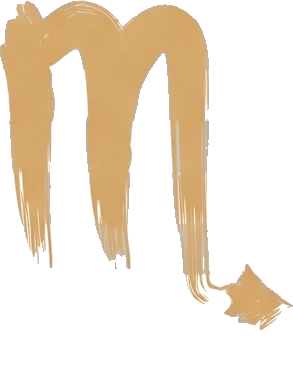
 ) or earth (
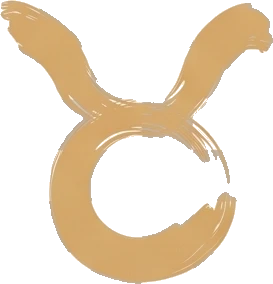

 ) signs. You may struggle with partners who are emotionally distant or avoidant, because you crave constant emotional connection and reassurance, and may feel insecure if your partner does not express their affection frequently. If you have children, you are deeply devoted, nurturing parents who prioritize creating a safe, loving home for your kids, and may homeschool your children or involve them heavily in your creative hobbies.
Finances
You have a natural tendency to spend money on things that bring you emotional comfort: home decor, art supplies, gifts for your loved ones, and experiences that create happy memories, such as family vacations, trips to art museums, or tickets to a play. You are not overly materialistic, but you will spend freely on things that make your home or your relationships more beautiful and comfortable, often at the expense of long-term savings. You are not good at saving money for distant goals, because you prioritize short-term emotional comfort over future security. You may struggle with debt if you are not careful, because you often spend money to cheer yourself up when you are feeling sad, rejected, or criticized, buying things that remind you of happy memories or that you can give to loved ones to feel better. You are best off setting up an automatic savings plan that transfers a small percentage of your income to a separate account each payday, so you do not have to think about saving money, and allowing yourself a small, fixed monthly budget for creative and domestic expenses, so you do not feel deprived.
Health
Your psychosomatic tendencies center on the body parts ruled by and : the chest, stomach, digestive system, and reproductive system. When you are stressed, you may experience stomach aches, bloating, or digestive issues, because you tend to "swallow" your emotions rather than expressing them directly. You may also experience chest tightness, respiratory issues, or heart palpitations when you are feeling emotionally rejected or criticized, because you hold emotional tension in your chest. You are prone to emotional eating, especially of comfort foods like sweets or starchy meals, when you are feeling sad or lonely, which can lead to weight gain and related health issues like high blood pressure or diabetes. You are also at higher risk for reproductive issues, such as ovarian cysts, menstrual irregularities, or uterine fibroids, because you hold a lot of emotional tension in your pelvic area. To stay healthy, you need to express your emotions regularly: through creative work, talking to trusted loved ones, or therapy. You also benefit from regular, gentle exercise such as yoga, walking, or swimming, which helps you process emotional tension without overexerting yourself, and you should avoid high-intensity competitive sports that may cause you to feel stressed or self-conscious.
Challenges and Gifts
Shadow Sides
1. Overdependence on external validation: You may base your entire self-worth on whether your partner loves you or your creative work is praised, leading to deep depression, anxiety, or withdrawal when you face rejection or criticism.
2. Smothering, controlling behavior: Your desire to nurture your loved ones can turn into overbearing, controlling behavior, where you try to protect your partner or children from any potential harm, even if it means limiting their independence or dismissing their choices.
3. Conflict avoidance: You hate conflict so intensely that you will often suppress your own needs and feelings to keep the peace, leading to long-term resentment, unexpressed anger, and sudden outbursts when you can no longer hold in your frustration.
4. Nostalgic escapism: You may spend so much time dwelling on happy memories of the past that you fail to engage with the present, leading to stagnation in your creative work and relationships, and a refusal to try new things that might bring you joy.
5. Emotional manipulation: If you feel your needs are not being met, you may use guilt, passive-aggression, or emotional manipulation to get what you want, rather than expressing your needs directly and honestly.
Bright Sides
1. Exceptional creative talent: You have a natural, often prodigious gift for artistic expression that is deeply emotional and resonant, and your work has the power to touch the hearts of others and make them feel seen and understood.
2. Nurturing, supportive presence: You are the person your friends and family turn to for comfort, care, and advice, and you have a unique ability to make people feel safe, loved, and accepted for who they are.
3. Loyal, devoted partner and parent: You are deeply committed to your relationships, and will go to great lengths to create a happy, stable home for your loved ones, often putting their needs above your own without hesitation.
4. Ability to find joy in small moments: You do not need grand, expensive experiences to be happy; you find deep, lasting joy in small, tender moments like a home-cooked meal, a walk on the beach with your partner, a handmade gift from a child, or a quiet evening watching old movies with your family.
5. Strong emotional intuition: You have a natural ability to sense the unspoken emotions of others, which makes you great at reading people, creating authentic art, and building deep, meaningful relationships based on mutual understanding.
Practical Recommendations
| Sphere | Advice | Astrological Tool |
|---|---|---|
| Creative Expression | Dedicate 30 minutes a day to unstructured creative play (drawing, writing, crafting, cooking) without worrying about the quality of the output, to avoid taking your natural talent for granted and overcome fear of criticism. | Each morning, meditate on the degree of your 5th house cusp, setting an intention to create something that brings you joy, not something that will impress others. |
| Romantic Relationships | Practice expressing your emotional needs directly to your partner using "I" statements, rather than expecting them to guess what you want, to avoid resentment and smothering behavior. | Track your monthly lunar transits: when the Moon is in , prioritize low-key, cozy quality time with your partner; when it is in cardinal signs ( ), practice setting small, clear boundaries to avoid overgiving. |
| Parenting | If you have children, involve them in your creative hobbies, but encourage them to develop their own interests separate from yours, to avoid projecting your own unfulfilled creative desires onto them. | Review your natal North Node placement: if it falls in the 1st or 10th house, practice letting your children take the lead in their own creative projects, rather than directing their choices. |
| Finances | Set up an automatic transfer of 10% of your income to a separate, hard-to-access savings account each payday, to avoid overspending on emotional comforts and last-minute gifts for loved ones. | Track your Venus transits: when Venus moves through earth signs ( ), prioritize saving money and reducing discretionary spending, rather than buying luxury home goods or art supplies. |
| Physical Health | Keep a daily journal of your emotions and physical symptoms, to identify patterns between stress, emotional suppression, and digestive or respiratory illness. | When the Moon is in , practice gentle yoga or meditation focused on the chest and stomach to release stored emotional tension, rather than emotional eating or withdrawing from social contact. |
| Self-Esteem | Create a "joy portfolio" of your favorite creative work, happy memories with loved ones, and positive feedback you have received, to reference when you are feeling rejected or criticized, to remind yourself of your worth outside of external validation. | Review the aspects to your natal Venus: if it forms harmonious aspects with Jupiter or Sun, remind yourself of your natural gifts and good fortune when you are feeling down; if it forms hard aspects with Saturn or Mars, practice self-compassion and remind yourself that criticism is not a reflection of your worth. |
| Social Life | Join a low-pressure creative hobby group (such as a painting class, community theater, or book club) to meet like-minded people who share your interests, rather than relying solely on romantic relationships for emotional connection. | Look at the ruler of your 5th house: if it is the Moon, prioritize social activities that involve food, home, or family, such as potlucks, game nights, or community events centered on children or the arts. |


 Jupiter or
 Sun, remind yourself of your natural gifts and good fortune when you are feeling down; if it forms hard aspects with
 Saturn or
 Mars, practice self-compassion and remind yourself that criticism is not a reflection of your worth.
 Moon, prioritize social activities that involve food, home, or family, such as potlucks, game nights, or community events centered on children or the arts.
Conclusion
Integrating this placement to its highest expression requires moving beyond the shadow of dependence on external validation and the fear of rejection, to embrace your natural gifts as a way to connect with and care for others, rather than a way to earn love. The highest expression of this configuration is the person who uses their deep emotional sensitivity and creative talent to build a warm, loving home for their family, creates art that brings comfort and joy to others, and finds fulfillment in the small, tender moments of daily life, without needing grand recognition or dramatic passion. They learn to set healthy boundaries with their loved ones, nurturing them without smothering them, and to share their creative gifts with the world without fear of criticism. They become a source of comfort and joy for everyone around them, a living embodiment of the idea that love and beauty are found not in grand adventures, but in the small, nurturing moments of everyday life.
This article was prepared by the [Astrobot](https://astrobot.chat) editorial team — your personal astrological assistant. The material is based on classical and modern astrological sources.
