 Natal Planets & Points in Houses & Signs
 Venus
Introduction
This placement is one of the most complex and transformative Venusian configurations in the natal chart, merging three distinct layers of archetypal meaning: Venus’s role as the planet of attraction, value creation and relational harmony, the 8th house’s domain of psychological merging, shared resources, loss and rebirth, and the fixed air sign Aquarius’s energy of innovation, detachment and collective orientation. Unlike Venus in lighter, more social houses, this position does not operate on the surface level of casual romance or aesthetic pleasure; instead, it weaves the themes of love and value directly into the most hidden, powerful and often feared areas of human experience. It is a lifelong personality knot because it forces the individual to constantly reconcile two opposing impulses: the desire for deep, soul-level intimacy and merging with others, and the need for emotional independence, intellectual freedom and non-conformity in all relational and value-based matters. From childhood, this shows as a person who feels fundamentally different from peers when it comes to ideas about love, money and intimacy, often drawn to taboo or unconventional topics that others avoid, and who will spend their lifetime redefining what it means to share power, resources and vulnerability with others.
The Nature of the Aspect
In classical astrological methodology, house placements function as permanent, lifelong structural links between a planet’s energy and the archetypal themes of the house, with no strict orb required for core influence, though proximity to the house cusp modifies the strength of expression. This placement creates a permanent quincunx (, 150°) tension between Venus’s core function of personal value and harmonious connection, and the 8th house’s focus on shared resources, transformation and loss, as the quincunx represents a lifelong need for adjustment and reconciliation between two incompatible areas of life. At the same time, Venus in Aquarius forms a natural sextile (, 60°) to Libra, Venus’s domicile, creating an easy, often underutilized channel for Venus to express its balanced, harmonious nature through innovative, collective-oriented relational models.
Orb guidelines for this placement are based on Venus’s proximity to the 8th house cusp: if Venus sits within 3° of the cusp, the 8th house influence is causal, meaning it is a core, unavoidable part of the individual’s life path, with events related to transformation, shared resources and deep intimacy emerging early in life. If Venus is within 5°–7° of the cusp, the influence is strong but may be modified by the adjacent 7th house (one-on-one partnerships) or 9th house (higher learning, spirituality, travel). If Venus occupies the later degrees of the 8th house (20°–30°), the influence of the 9th house will also color the expression, leading the individual to explore cross-cultural, spiritual or philosophical approaches to intimacy and shared value.
The applying vs separating dynamic also applies to this placement: if Venus is applying to the 8th house cusp (moving towards it in the natal chart), the 8th house themes will feel like an inexorable inner drive, with the individual often experiencing early life events related to loss, inheritance or deep intimate transformation that set the stage for their lifelong path. If Venus is separating from the 8th house cusp (moving away from it), the individual may have already integrated some 8th house Venusian themes in past lives or early childhood, and may feel more comfortable navigating them, often acting as a guide or mentor for others struggling with these themes.
The essential nature of the planets also shapes this configuration: Venus is a nocturnal, feminine, inner planet, associated with receptivity, attraction, harmony, beauty and value creation, while the 8th house is ruled by Scorpio, a nocturnal water sign associated with transformation, depth, taboo and power dynamics, and by Pluto, a higher planet associated with death, rebirth and collective transformation. Aquarius, a fixed air sign, is ruled by Saturn, a cold, structuring, limiting diurnal planet, and Uranus, a disruptive, innovative higher planet associated with collective progress and rebellion against outdated norms. The tension between Venus’s warm, receptive, harmonious nature and the cold, detached, innovative nature of Aquarius creates a lifelong dynamic where the individual must learn to balance their need for deep connection with their need for autonomy and intellectual freedom, while the 8th house’s intense, transformative energy pushes them to integrate these opposing impulses into a new, more liberated model of love and value.
 , 150°) tension between Venus’s core function of personal value and harmonious connection, and the 8th house’s focus on shared resources, transformation and loss, as the quincunx represents a lifelong need for adjustment and reconciliation between two incompatible areas of life. At the same time, Venus in Aquarius forms a natural sextile (
 , 60°) to Libra, Venus’s domicile, creating an easy, often underutilized channel for Venus to express its balanced, harmonious nature through innovative, collective-oriented relational models.
Symbolism and Mythology
The archetype of Venus (Aphrodite in Greek mythology) is the goddess of love, beauty, attraction, art, pleasure and the bonds that hold communities together. In classical myth, she was born from sea foam, representing the emergence of beauty and connection from the chaotic, formless depths of the unconscious — a perfect metaphor for her placement in the 8th house, the realm of the unconscious, hidden things and profound transformation. The 8th house is associated with Hades, the Greek god of the underworld, the realm of the dead, shared resources and hidden knowledge, as well as with Osiris, the Egyptian god of rebirth, fertility and regeneration, who was reassembled by his wife Isis (the Egyptian counterpart to Venus) after being murdered and dismembered by his brother Set. This myth captures the core energy of this placement: the use of love, beauty and magical connection to transform loss, death and trauma into new life and collective healing.
Aquarius is represented by Ganymede, the Trojan prince who was taken to Olympus to serve as the cupbearer of the gods, pouring out the waters of innovation, collective knowledge and liberation to humanity. It is also associated with Prometheus, the Titan who stole fire from the gods to give to humanity, representing the gift of progress and rebellion against oppressive, outdated systems. When these two archetypes meet in the 8th house, it represents the pouring of the waters of collective innovation into the depths of the human psyche, transforming hidden trauma, taboo desires and oppressive value systems into sources of collective liberation. In ancient astrological texts, Venus in the 8th house was associated with hidden talents, unexpected financial gain and deep, transformative relationships, while Venus in Aquarius was associated with unconventional love, artistic innovation and humanitarianism — this placement combines all of these themes into a single, lifelong path of radical alchemy.
The Principles of the Planets in the Chart
Venus in the Chart
Venus’s core function is to govern attraction, personal values, aesthetic taste, relational harmony, pleasure, art and the ability to create and appreciate beauty. Normally, Venus operates in the realm of personal desire, social connection and surface-level pleasure, but when placed in the 8th house, its function is permanently redirected towards deep, transformative, often hidden areas of life: it no longer just seeks personal pleasure, but seeks to create value and harmony through merging with others, sharing resources and exploring the deepest parts of the human psyche. The Aquarius sign modifies this by adding a layer of detachment, intellectualism and collective orientation: Venus here does not seek merging for the sake of emotional fusion, but for the sake of mutual growth, innovation and collective good. This placement also amplifies Venus’s connection to the occult, psychic abilities and taboo knowledge, as the 8th house is the natural house of the unseen and the hidden. Classical source material notes that Venus in Aquarius gives a strong tendency toward bohemian lifestyle, intellectual pursuits, artistic talent and a desire for free, unconventional love, all of which are amplified by the 8th house’s focus on transformation and shared experience.
The 8th House in the Chart
The 8th house is the house of transformation, shared resources (finances, property, energy), intimacy, sexuality, death and rebirth, the occult, psychic abilities, inheritance and other people’s trauma. It is a house of crisis and profound change, where the individual is forced to let go of old identities and merge with others to access deeper levels of power and understanding. Normally, planets in the 8th house operate in a shadowy, intense way, but Venus’s presence softens some of the 8th house’s harshness, turning its transformative energy into a tool for creating deeper, more meaningful connections and shared value, rather than just destruction and loss. Classical source material notes that Venus in the 8th house often indicates material gain through a partner or spouse, unexpected inheritance, or success in artistic or healing professions, all of which are amplified by Aquarius’s innovative, collective orientation.
The Combined Influence
The combined influence of Venus in the 8th house in Aquarius creates a lifelong scenario where the individual’s core desires, values and relational needs are permanently tied to transformation, shared power and collective innovation. They are drawn to relationships, financial partnerships and creative projects that involve deep merging, shared risk and the transformation of old, outdated norms around love, money and intimacy. They do not seek casual connections; instead, they crave bonds that challenge both themselves and their partners to grow, evolve and contribute to the collective good. This placement also gives a natural talent for navigating taboo topics with ease, turning what others fear (death, sexuality, trauma, shared financial risk) into opportunities for growth, healing and innovation. Classical source material notes that Venus in aspect to Pluto (the modern ruler of the 8th house) gives heightened sensuality, strong psychic abilities, a deep interest in medicine and the occult, and a talent for art, science or healing work — all core traits of this placement.
Expression in Sign and House
Expression in Aquarius
Aquarius is a fixed air sign, ruled by Saturn (traditional) and Uranus (modern), with energy that is detached, intellectual, innovative, rebellious, collective-oriented and focused on long-term, sustained change. For Venus in the 8th house, Aquarius softens the 8th house’s tendency toward emotional fusion and possessiveness, adding a layer of detachment that allows the individual to engage with deep intimacy and shared resources without losing their sense of self. It also amplifies the collective orientation of the placement: the individual is not just seeking personal transformation through relationships, but seeks to use their relational and value-based skills to contribute to collective liberation, whether through art, activism, financial innovation or occult/psychological work.
The air element of Aquarius means this placement’s expression is primarily intellectual and communicative: the individual processes intimacy, shared value and transformation through conversation, shared ideas and mutual understanding, rather than just emotional fusion or physical attraction. They are drawn to partners and collaborators who can engage in deep, intellectual discussions about taboo topics, and they often use writing, speaking or teaching as a way to process their own experiences with transformation and share them with others. The fixed modality of Aquarius means their approach to these themes is consistent and long-term: they do not jump from one relationship or financial venture to another, but instead build long-term, stable partnerships and collective ventures that create lasting, sustained change. They are committed to their values and their vision for collective liberation, and they will work for years to turn their innovative ideas about love and value into reality. Aquarius also adds an eccentric, unconventional streak to the individual’s tastes and relational style: they are drawn to partners, friends and creative collaborators who are unique, non-conformist and share their vision for a better future.
Expression in the 8th House
The 8th house governs arenas of life including intimate relationships (especially those involving shared finances or living arrangements), sexuality, inheritance, shared resources, taxes, debt, occult and psychological research, healing work, crisis management and end-of-life matters. Venus here means all of these areas are colored by the individual’s values, desire for harmony and need for beauty: they may have a talent for negotiating shared financial agreements, healing others through intimate connection, creating art that explores taboo themes, or managing crisis situations with grace and compassion. The 8th house’s association with other people’s resources means these individuals often experience financial gain through partners, inheritances or collective ventures, rather than just through individual effort.
Combined Influence across Positions
If Venus occupies the early degrees of the 8th house (0°–10°), the influence of the 8th house is extremely strong, and the individual may experience early life events related to inheritance, shared resources or deep intimate transformation that shape their lifelong values. If Venus is in the later degrees of the 8th house (20°–30°), the influence of the 9th house (higher learning, travel, philosophy, spirituality) may also be present, leading the individual to explore cross-cultural or spiritual approaches to intimacy, shared value and transformation. If Venus is conjunct the 8th house cusp (within 3°), the 8th house themes are unavoidable and will be a central focus of the individual’s life, often manifesting as a career or life path centered on transformation, shared resources or taboo knowledge.
The dispositor of Venus (the ruler of Aquarius) will color the entire expression: if Saturn (traditional dispositor) is well-placed and aspecting Venus, the individual will have the discipline and structure to turn their innovative ideas about love and value into long-term, stable shared ventures. If Uranus (modern dispositor) is well-placed and aspecting Venus, they will have the creativity and rebellious energy to challenge outdated norms around relationships and finance in radical, groundbreaking ways. If either dispositor is challenged by hard aspects from Mars, Saturn or Pluto, the individual may struggle with implementing their innovative ideas, or may experience shadow patterns related to possessiveness, financial recklessness or emotional avoidance.
Differences Between the Male and Female Chart
The Male Chart
For men, Venus represents the anima, the inner feminine, the type of partner they attract and their core values around love and beauty. With Venus in the 8th house in Aquarius, men with this placement are often attracted to partners who are unconventional, intellectually sharp, independent and interested in collective causes or taboo topics. They may struggle with traditional expectations of masculinity that demand emotional stoicism or possessiveness in relationships, instead craving partnerships that prioritize mutual growth and intellectual parity over traditional gender roles. Classical source material notes that Venus in aspect to Mars or Pluto (ruler of the 8th) gives strong sexual energy and a talent for artistic or creative work, which is amplified here by the 8th house’s focus on sexuality and transformation. Men with this placement often have a natural talent for managing shared finances, negotiating financial partnerships or working in fields related to occult knowledge, psychology, art or collective finance (like crowdfunding or cooperative business models). They may also experience early life events related to inheritance, shared resources or deep intimate transformation that shape their lifelong approach to love and value. Shadow patterns for men with this placement include a tendency to objectify partners as sources of transformation or intellectual stimulation, rather than seeing them as full, autonomous people, or a fear of emotional vulnerability that leads them to keep partners at an emotional distance even when they crave deep connection.
The Female Chart
For women, Venus represents the core feminine expression, their own values around love and beauty, and their approach to relationships and self-worth. With Venus in the 8th house in Aquarius, women with this placement often reject traditional feminine norms that demand passivity, domesticity or emotional availability on others’ terms. They are drawn to unconventional, non-monogamous or non-traditional relationship structures that prioritize their independence and intellectual freedom, and they often have a natural talent for turning their creative or artistic talents into shared financial gain, whether through cooperative art projects, innovative design work or activism that generates collective resources. Classical source material notes that Venus in the 8th house can indicate a career in a female-dominated field, or public activity in organizations focused on women’s rights, which is amplified by Aquarius’s humanitarian orientation. Women with this placement may be drawn to activism, community organizing, collective art projects or healing work that focuses on gender equity, trauma healing and collective empowerment. They may also have strong psychic or healing abilities, using their capacity for deep empathy and detachment to help others process trauma or transform their lives. Shadow patterns for women with this placement include a tendency to use their detachment as a defense mechanism to avoid emotional vulnerability, or to prioritize collective causes over their own personal needs and desires, leading to burnout or resentment in relationships. Both men and women with this placement may face societal pressure to conform to traditional relationship norms, which can lead to feelings of isolation or alienation if they do not find a community that accepts their unconventional approach to love and value.
Psychological Portrait
These individuals are naturally eccentric, intellectually curious, independent and deeply empathetic, but they express their empathy through detachment rather than emotional fusion. They are often drawn to taboo or unconventional topics that others avoid, and they have a natural talent for seeing the hidden patterns and connections between people, resources and ideas. Their core motivation is rooted in a deep, often unconscious desire to heal collective trauma related to love, value and intimacy, as the 8th house governs intergenerational trauma and shared psychological patterns. They are driven to reimagine outdated norms around relationships, finance and beauty, and to use their relational and creative skills to contribute to collective liberation and progress. They are not motivated by traditional markers of success like wealth or social status, but by the desire to create meaningful, transformative connections with others and to leave the world a more innovative, equitable place.
Their core fears revolve around loss of autonomy, being trapped in conventional, oppressive relationship or financial structures, and being forced to conform to societal norms around love and beauty. They also fear deep emotional vulnerability that could lead to loss of self, as the 8th house’s merging energy can feel overwhelming if not balanced by Aquarius’s detachment. Their self-esteem is tied to their ability to innovate, challenge norms and create meaningful, transformative connections with others: they feel most confident when they are using their unique talents to contribute to collective good, and they feel insecure when they are forced to conform to traditional expectations or when their relationships feel stagnant or oppressive.
Their style of thinking is highly systemic and big-picture oriented: they are able to see how individual relationships, financial decisions and creative choices fit into larger collective systems, and they are often frustrated by small-minded, short-term thinking that prioritizes personal gain over collective good. They are natural systems thinkers, able to connect seemingly unrelated ideas and create new, innovative solutions to old problems. They are also highly intuitive, able to pick up on hidden emotional and psychological patterns in themselves and others.
Their attachment style is a unique blend of deep longing for connection and fierce need for autonomy: they are capable of forming deep, lasting, soul-level bonds with others, but they need significant space and freedom to maintain their sense of self. They are uncomfortable with clingy, possessive or overly emotional attachment, preferring relationships that are based on mutual respect, intellectual parity and shared values. They are loyal and committed to partners who respect their autonomy, but they will quickly distance themselves from anyone who tries to control or confine them.
Spheres of Life
Career
These individuals thrive in careers that allow them to combine their love of beauty, innovation and transformation. Ideal fields include art therapy, psychology, occult research, estate planning, cooperative finance, crowdfunding, avant-garde art, transgressive writing, documentary filmmaking, community organizing, housing justice activism, sustainable design, energy healing, trauma therapy and end-of-life care. They are often drawn to self-employment or cooperative work models that allow them to avoid hierarchical, oppressive workplace structures, and they may have a talent for turning their creative or intellectual work into shared financial gain through partnerships or collective ventures. Career challenges often arise from societal pushback against their unconventional ideas, or conflicts with more traditional colleagues who see their approach as too radical or detached. They may also struggle with balancing their desire for transformative, meaningful work and the need for financial stability, especially if their chosen field is not yet widely accepted or profitable.
Relationships
Their ideal relationships are based on mutual respect, intellectual parity, shared values and a commitment to collective growth. They are drawn to partners who are unconventional, independent, intellectually curious and interested in exploring taboo or transformative topics together. They are uncomfortable with traditional, possessive or gender-normative relationship structures, and they may prefer non-monogamous, polyamorous or cooperative living arrangements that allow both partners to maintain their autonomy. They are deeply loyal and committed to partners who respect their need for space and independence, and they often have a talent for navigating relationship crises and conflicts with grace and compassion, turning challenges into opportunities for deeper connection and growth. Relationship challenges often stem from societal pressure to conform to traditional relationship norms, or conflicts with partners who are more emotionally clingy or possessive than they are comfortable with. They may also struggle with balancing their desire for deep intimacy with their need for detachment, leading to periods of distance in relationships that can be misinterpreted as lack of interest.
Finances
Their approach to finances is tied to shared resources and collective good, rather than personal accumulation. They are often skilled at managing shared finances, negotiating financial partnerships, and turning creative or innovative ideas into shared financial gain. They may receive unexpected inheritance, windfalls or shared financial gains from partners or collective ventures, and they are often comfortable with financial risk if it is tied to a collective or transformative goal. They are uncomfortable with traditional, hierarchical financial systems that prioritize profit over people, and they may be drawn to alternative financial models like cooperative ownership, crowdfunding, community land trusts or cryptocurrency that align with their values of equity and collective good. Shadow financial patterns include a tendency to take unnecessary financial risks in pursuit of innovative ideas, or to neglect their own personal financial needs in favor of collective ventures, leading to personal financial instability or resentment.
Health (Psychosomatic Tendencies)
Psychosomatic symptoms for this placement arise from the tension between detachment and merging: if they suppress their need for deep emotional connection and intimacy, they may experience issues related to the 8th house’s ruling body parts, including reproductive issues, chronic pelvic pain, endocrine disorders or immune system dysfunction. If they over-identify with collective causes and neglect their own personal needs, they may experience burnout, anxiety or depression related to feeling overwhelmed by the weight of collective trauma. Aquarius’s association with the circulatory and nervous systems means they may also experience irregular heartbeat, nerve pain or anxiety-related physical symptoms if they suppress their need for intellectual freedom and innovation. They benefit from healing practices that combine detachment and connection, such as meditation, breathwork, energy healing or art therapy, that allow them to process deep emotional and psychological material without losing their sense of self. Regular alone time and creative expression are also essential for maintaining their autonomy and processing their experiences.
Challenges and Gifts
Shadow Sides
1. Emotional detachment as a defense mechanism: They may use their Aquarian detachment to avoid vulnerable, messy emotional connection, leading to shallow relationships or a sense of alienation from others, even when they crave deep intimacy. This often manifests as intellectualizing emotions, avoiding conflict or distancing themselves from partners when overwhelmed.
2. Unconscious possessiveness and control: Despite their outward rejection of traditional relationship norms, the 8th house’s merging energy can lead to unconscious jealousy, possessiveness or controlling behavior in relationships, especially if they feel their partner is threatening their autonomy, shared vision or sense of security.
3. Obsession with taboo or transformative experiences: They may become so focused on exploring the darkest parts of human experience — trauma, death, occult practices, extreme financial risk — that they neglect their own personal well-being, the needs of their loved ones or their own personal values, leading to burnout, trauma or financial ruin.
4. Financial recklessness or neglect: They may take unnecessary financial risks in pursuit of innovative or collective ventures, or neglect their own personal financial needs in favor of collective projects, leading to personal debt, financial instability or resentment towards partners or community. They may also struggle with hoarding shared finances or being overly generous to the point of self-sacrifice.
5. Alienation from mainstream society: Their rejection of traditional norms around love, relationships, value and beauty can lead to conflicts with family, friends, colleagues or society at large, leading to feelings of isolation, alienation or being misunderstood, especially if they lack a supportive community of like-minded people.
Bright Sides
1. Transformative relational gift: They have a unique, rare ability to create deep, meaningful, transformative connections with others, helping their partners, friends and collaborators heal from trauma, break free from outdated relationship patterns and access their own hidden potential. They can hold space for others’ deepest pain and fear without being overwhelmed by it, thanks to their natural detachment and empathy.
2. Innovative value systems: They are natural pioneers in reimagining traditional norms around love, money, beauty and shared value, creating new, more equitable and liberating models that benefit both themselves and the collective. They may be early adopters of alternative relationship structures, cooperative financial models or avant-garde art forms that challenge societal norms and pave the way for future progress.
3. Psychic and healing abilities: They often have strong intuitive, psychic or healing abilities, which they can use to help others navigate crisis situations, process trauma, access hidden knowledge and transform their lives. They may be drawn to healing professions, occult research or spiritual work that allows them to use these gifts for collective good.
4. Creative and artistic innovation: They often have a strong talent for avant-garde art, design, music, writing or film that explores taboo or transformative themes, and they are able to use their creative work to challenge societal norms, raise awareness about hidden issues and contribute to collective cultural progress. Their work often resonates with marginalized communities and pushes the boundaries of what is considered acceptable in mainstream culture.
5. Collective financial empowerment: They have a natural talent for building cooperative, equitable financial systems that benefit entire communities, rather than just individual people. They may be pioneers in fields like crowdfunding, community land trusts, cooperative ownership or mutual aid networks, using their understanding of shared resources and collective value to create financial systems that are more just and equitable for everyone.
Practical Recommendations
| Sphere | Advice | Astrological Tool |
|---|---|---|
| Emotional Vulnerability | Practice sharing small, vulnerable emotions with trusted partners first, to build comfort with merging without losing autonomy. Avoid using detachment as a default defense mechanism when conflict arises. | Meditate on the sextile () between Venus in Aquarius and Venus in Libra, to tap into the harmonious, balanced energy of Libra’s relational ease while retaining Aquarius’s independence. |
| Relationship Building | Seek partners who share your values of autonomy, intellectual parity and collective good, and be clear about your needs for space and independence from the start of any relationship. Avoid partners who are clingy, possessive or committed to traditional relationship norms. | Work with the dispositor of Venus ( Saturn for traditional, Uranus for modern) to build stable, innovative relationship structures that balance merging and autonomy. |
| Financial Management | Create a clear, structured financial plan that separates personal and shared finances, to avoid reckless risk-taking or neglecting your own personal financial needs in favor of collective ventures. | Use the quincunx () between the 2nd and 8th houses to build a system that balances personal value (2nd house) with shared, transformed value (8th house), avoiding over-investment in either. |
| Creative Expression | Lean into your natural talent for creating art, music or writing that explores taboo or transformative themes, as this is one of your greatest gifts for contributing to collective liberation. Avoid using your creative work as a substitute for real, vulnerable connection with others. | Channel the energy of Venus in Aquarius’s sextile () to Libra to bring harmony, beauty and accessibility to your innovative, avant-garde creative work, making it relatable to a wider audience. |
| Healing and Trauma Work | Seek out healing practices that combine detachment and connection, such as meditation, breathwork, energy healing or art therapy, to process deep trauma without losing your sense of self. Avoid suppressing your emotions in favor of intellectualizing your experiences. | Work with the 8th house’s connection to Pluto () to access your natural psychic and healing abilities, but set clear boundaries to avoid absorbing other people’s trauma. |
| Community Building | Seek out communities of like-minded, non-conformist people who share your values of collective liberation and innovation, to avoid feelings of alienation from mainstream society. Use your natural talent for connecting people to build cooperative, equitable communities. | Work with the collective energy of Aquarius to build networks of shared resources and support, turning your personal values into collective action that benefits others. |
| Boundary Setting | Practice setting clear, firm boundaries with partners, friends and collaborators to protect your autonomy and avoid being drained by others’ emotional or energetic demands. Avoid being so detached that you neglect the needs of people you care about. | Use the cold, structuring energy of Saturn (), traditional dispositor of Aquarius, to build clear, consistent boundaries that balance your need for connection with your need for independence. |
| Spiritual Exploration | Explore spiritual or occult practices that combine collective orientation with personal transformation, such as group meditation, collective ritual or activist spirituality, to align your personal transformation with collective good. | Work with the quincunx () between Venus in Aquarius and Scorpio (traditional ruler of the 8th) to integrate the deep, transformative energy of Scorpio with the innovative, collective energy of Aquarius, avoiding spiritual bypassing or over-identification with collective trauma. |
| Self-Care | Prioritize regular self-care practices that balance connection and autonomy, such as solo travel, creative work or time spent in nature, to avoid burnout from over-investment in collective or relational matters. | Use the sextile () between Venus in Aquarius and Venus in Libra to bring harmony, balance and self-compassion to your life, avoiding over-extending yourself for the sake of others or collective causes. |
 Saturn for traditional,
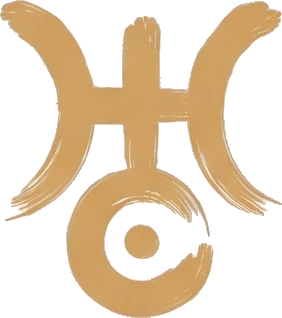 Uranus for modern) to build stable, innovative relationship structures that balance merging and autonomy.
 ) to access your natural psychic and healing abilities, but set clear boundaries to avoid absorbing other people’s trauma.
Conclusion
The path of integrating this placement is a lifelong journey of balancing the 8th house’s demand for deep, vulnerable merging and transformation with Aquarius’s need for detachment, autonomy and collective orientation. The shadow expression manifests when the individual either avoids deep connection entirely out of fear of losing their autonomy, or becomes so consumed by transformative experiences, collective causes or taboo exploration that they neglect their own personal needs, values and well-being. This can lead to shallow relationships, financial instability, burnout or alienation from loved ones and society at large.
The highest expression, however, is that of a radical alchemist of love and value: someone who uses their unique ability to navigate the deepest, most hidden parts of human experience to reimagine what love, beauty, shared value and collective liberation can be. They become pioneers, healers, artists and activists who turn the darkest parts of human experience — trauma, loss, taboo desire, financial inequality — into sources of light, connection and progress. They prove that love does not have to be possessive, conventional or focused on individual gain to be deep and transformative, and that value does not have to be accumulated individually to be meaningful. By embracing both the 8th house’s depth and capacity for transformation, and Aquarius’s innovation and collective orientation, they turn their core desire for connection into a force for collective liberation, leaving a lasting legacy of progress, equity and beauty for future generations. This placement is not a curse or a burden, but a sacred calling to use the power of love and beauty to transform the world, one unconventional bond, one shared resource and one innovative idea at a time.
This article was prepared by the [Astrobot](https://astrobot.chat) editorial team — your personal astrological assistant. The material is based on classical and modern astrological sources.

 Pisces. It creates a lifelong inner tension between the desire for unapologetic personal autonomy and the quest for universal spiritual or philosophical meaning, often manifesting as a pull to explore marginalized, forbidden, or suppressed systems of belief. The individual has an innate gift for perceiving hidden truths behind established dogma, but risks falling into escapism, self-deception, or self-sabotage if they cannot ground their mystical insights in practical reality. The core path of integration is to embrace the exiled parts of the self as a source of liberating wisdom, rather than a source of shame, and to use their unique perspective to challenge oppressive systems with compassion and courage.