 Natal Planets & Points in Houses & Signs
 Vertex
Introduction
The Vertex is a sensitive karmic point in the natal chart, not a physical planet, that marks the site of unplanned, fated encounters that act as turning points in a person’s life path. Unlike planetary energies that operate through consistent, predictable patterns tied to innate personality traits, the Vertex activates through chance meetings, unexpected reunions, and serendipitous events that feel as though they were written into the fabric of your fate before you were born. These encounters are rarely random; they are karmic appointments, designed to teach you lessons, heal old wounds, or guide you toward your true purpose. When the Vertex falls in the 1st house, the house of core identity, physical body, first impressions, and the mask you present to the world, these fated encounters are not external events that happen to you — they are woven directly into the very structure of who you are. The addition of Cancer as the sign of this placement wraps this fated identity energy in the emotional, nurturing, and belonging-focused themes of the Moon-ruled crab, making your sense of self inseparable from your emotional roots, your connection to family and home, and your ability to create safety for yourself and others. This is one of the personality’s key knots because it ties the most fundamental part of your being — your identity — to forces outside your conscious control, forcing you to negotiate between the deep, instinctual need for emotional stability and the inevitability of change brought on by fated encounters. You cannot separate who you are from the people you meet and the unplanned events that shape your life, and learning to embrace this connection is the core work of this placement.
 Vertex is a sensitive karmic point in the natal chart, not a physical planet, that marks the site of unplanned, fated encounters that act as turning points in a person’s life path. Unlike planetary energies that operate through consistent, predictable patterns tied to innate personality traits, the Vertex activates through chance meetings, unexpected reunions, and serendipitous events that feel as though they were written into the fabric of your fate before you were born. These encounters are rarely random; they are karmic appointments, designed to teach you lessons, heal old wounds, or guide you toward your true purpose. When the
 Cancer as the sign of this placement wraps this fated identity energy in the emotional, nurturing, and belonging-focused themes of the Moon-ruled crab, making your sense of self inseparable from your emotional roots, your connection to family and home, and your ability to create safety for yourself and others. This is one of the personality’s key knots because it ties the most fundamental part of your being — your identity — to forces outside your conscious control, forcing you to negotiate between the deep, instinctual need for emotional stability and the inevitability of change brought on by fated encounters. You cannot separate who you are from the people you meet and the unplanned events that shape your life, and learning to embrace this connection is the core work of this placement.
The Nature of the Aspect
The aspect formed here is a tight conjunction between the Vertex and the 1st house cusp (the Ascendant), the point that marks the beginning of the self-focused 1st house. In classical aspectology, a conjunction is a fusion of energies, where two points interpenetrate and operate as a single, unified force. For this placement, the orb is effectively zero, as the Vertex falls directly on or within 3° of the Ascendant cusp, making this one of the most powerful and permanent placements of the Vertex in the entire chart. Unlike applying or separating planetary aspects that shift over the course of a lifetime, this conjunction is a fixed, lifelong channel: the fated energy of the Vertex is not a temporary influence but a core part of your identity that operates from the moment you are born until your final days. The conjunction is not inherently hard or harmonious; its tone is shaped entirely by the sign of Cancer, which is a cardinal water sign associated with emotional depth, nurturing, protection, and a deep need for belonging. The hard edge of the Vertex’s fated energy is softened by Cancer’s desire for safety, meaning that the fated encounters you experience are rarely violent or traumatic unless other chart factors indicate otherwise; instead, they are emotionally charged, often tied to family, home, or matters of the heart, and they push you to grow in ways that expand your capacity for emotional connection rather than shatter your sense of self. The applying nature of this aspect (as the Vertex moves slowly enough that for all practical purposes, its energy is always "applying" to your identity) acts as an inexorable inner demand to engage with the fated encounters that come your way, rather than retreating into the safety of your emotional shell. You will find that unplanned interactions follow you everywhere, and ignoring them often leads to feelings of restlessness, disconnection from your sense of self, or a nagging sense that you are missing your true path.
Symbolism and Mythology
The Vertex draws its name from the Roman god Vertumnus, the deity of seasons, change, and unexpected turning points, who was said to be able to change his form at will to enter the lives of mortals and guide them toward their fated path. Unlike the planets, which represent consistent, innate parts of the personality, the Vertex represents the unexpected, unplanned forces that enter your life and alter your course in ways you could never have predicted. It is the point where the inner world of your soul meets the outer world of other people, and it marks the moments when that meeting changes you forever. The 1st house, in traditional astrological symbolism, is the house of the hero’s journey, the threshold between the inner world of the self and the outer world of society, the mask you wear when you step out into the world to meet others. It is the part of you that is visible to everyone, the first thing people see when they meet you, and the foundation on which all other parts of your personality are built. Cancer, ruled by the Moon, is tied to the myth of Demeter, the Greek goddess of the harvest, motherhood, and home, whose grief over the loss of her daughter Persephone caused the seasons to change, and whose protective love for her child created the first sense of home and belonging. The crab, Cancer’s symbol, is a creature that carries its home on its back, retreating into its shell when it feels threatened, and only emerging when it feels safe. The mythological image of this placement is that of a person standing at the threshold of their shell (their 1st house identity), with the god Vertumnus knocking on the door in the form of a stranger, offering a gift that will either expand their sense of self or force them to confront the limitations of the safe, familiar world they have built for themselves. In cultural context, the Vertex was originally used in horary astrology to locate lost objects or missing people, and was later adopted by modern natal astrologers as a marker of karmic turning points in relationships, especially those that alter the course of a person’s life path. Cancer’s association with ancestry and family lineage means that the fated encounters marked by this Vertex placement often tie back to generational patterns, family secrets, or inherited emotional wounds that are meant to be healed in this lifetime, making these encounters not just personal, but part of a larger family story.
 Moon, is tied to the myth of Demeter, the Greek goddess of the harvest, motherhood, and home, whose grief over the loss of her daughter Persephone caused the seasons to change, and whose protective love for her child created the first sense of home and belonging. The crab, Cancer’s symbol, is a creature that carries its home on its back, retreating into its shell when it feels threatened, and only emerging when it feels safe. The mythological image of this placement is that of a person standing at the threshold of their shell (their 1st house identity), with the god Vertumnus knocking on the door in the form of a stranger, offering a gift that will either expand their sense of self or force them to confront the limitations of the safe, familiar world they have built for themselves. In cultural context, the Vertex was originally used in horary astrology to locate lost objects or missing people, and was later adopted by modern natal astrologers as a marker of karmic turning points in relationships, especially those that alter the course of a person’s life path.
The Principles of the Planets in the Chart
The Vertex in the Chart
The Vertex functions as a karmic antenna, tuned to pick up on encounters and events that are part of your soul’s contract for this lifetime. It does not have a planetary function, but it activates the house and sign it occupies, and any planets it forms aspects to, triggering turning points that are often recognized only in hindsight as being deeply meaningful. For people with this placement, the Vertex’s energy is not abstract; it is felt in the gut as a sense of familiarity or recognition when you meet a new person, or a sudden jolt of realization that an unplanned event is going to change your life. The Vertex is most often activated by transits of the outer planets ( Jupiter, Saturn, Uranus, Neptune, Pluto) or the lunar nodes , which trigger periods of intense fated activity, but even without transit activation, the Vertex operates in the background, drawing fated encounters to you like a magnet.
 Jupiter,
 Saturn,
 Uranus,
 Neptune,
 Pluto) or the lunar nodes

 , which trigger periods of intense fated activity, but even without transit activation, the Vertex operates in the background, drawing fated encounters to you like a magnet.
The 1st House in the Chart
The 1st house is the most personal house in the natal chart, governing your core identity, physical appearance, first impressions, personal initiative, and the way you present yourself to the world. It is the house of the self as you experience it internally, and as others see it externally. Planets and points in the 1st house are not hidden; they are front and center in your personality, shaping the way you move through the world from the moment you wake up to the moment you go to sleep. The 1st house is an angular house, meaning it is one of the four most powerful houses in the chart, so any point placed here operates with maximum strength, shaping every aspect of your life rather than being limited to a single sphere.
The Combined Influence
When the Vertex is conjunct the 1st house cusp, the line between your identity and your fated encounters disappears entirely. You do not just have experiences that shape who you are; your very sense of self is built from the series of fated meetings and unplanned events that you experience throughout your life. Every new person you meet, every chance encounter, every random conversation with a stranger carries a layer of karmic significance that directly impacts your self-concept, your goals, and your understanding of who you are. This means that first impressions are extremely important for you: you may form an instant, intuitive judgment of someone within seconds of meeting them, and that judgment is almost always accurate, as the Vertex is guiding you toward people who are meant to play a role in your life path. It also means that you are often seen by others as a fated person: strangers may approach you out of the blue, tell you that they feel like they have known you their whole life, or ask you for advice that feels deeply personal, even if you have just met. You are a walking point of fated connection for other people, as well as for yourself.
Expression in Sign and House
Cancer is a cardinal water sign, ruled by the Moon, focused on emotional security, belonging, home, family, nurturing, and protection. When the Vertex is placed in Cancer in the 1st house, the fated encounters tied to your identity are almost always emotionally charged, tied to feelings of safety, familiarity, or vulnerability. Unlike a Vertex in a fire sign, which might bring fated encounters that are exciting and adventurous, or a Vertex in an air sign, which might bring fated encounters that are intellectual and social, this placement brings fated encounters that touch your deepest emotional core, often triggering memories of childhood, family, or past emotional wounds that need healing. The 1st house’s focus on the physical body and first impressions means that these fated encounters often manifest through physical appearance or immediate emotional reactions: you may be drawn to people who remind you of a family member, or who make you feel an instant sense of comfort and safety, even if you have never met them before. You may also find that your physical appearance changes over time to reflect the emotional growth you experience through these fated encounters: for example, you may take on a more nurturing, soft appearance as you embrace your role as a caregiver for others, or a more protective, hardened appearance as you learn to set boundaries with people who threaten your emotional security. The house placement in the 1st house, an angular house, means that this placement is extremely prominent in your life: you cannot hide from the fated encounters that come your way, and they will shape every aspect of your life, from your career to your relationships to your sense of purpose.
Combined Influence across positions
The exact degree of the Vertex in Cancer will shape the specific themes of your fated encounters. If the Vertex falls in the early degrees of Cancer (0°–10°), your fated encounters will often tie back to your childhood, your family of origin, and ancestral patterns. You may meet people who help you heal childhood wounds, or who connect you to your family history in unexpected ways, and these encounters will shape your identity as you reconcile with your past. If the Vertex falls in the middle degrees of Cancer (10°–20°), your fated encounters will often tie to building your own home and family, either through meeting a romantic partner, having children, or creating a chosen family of friends and community members who feel like home. If the Vertex falls in the late degrees of Cancer (20°–29°), your fated encounters will often tie to legacy, caretaking of elders, or leaving a lasting emotional impact on your community. You may find yourself in positions where you are responsible for caring for aging family members, or building a business or organization that provides emotional support for others, and these experiences will shape your identity as a caregiver and legacy builder. The condition of the Moon, the ruler of Cancer, will also shape how this placement manifests: if the Moon is strong in your chart (in its own sign , in its exaltation sign Taurus, or well-aspected to other planets), the fated encounters will be largely positive, leading to a stronger, more secure sense of self. If the Moon is challenged (in its detriment sign Capricorn, its fall sign Scorpio, or hard-aspected to Saturn or Pluto), the fated encounters may be more difficult, forcing you to build emotional security through hardship and loss, but they will still lead to profound growth.
 Taurus, or well-aspected to other planets), the fated encounters will be largely positive, leading to a stronger, more secure sense of self. If the Moon is challenged (in its detriment sign
 Capricorn, its fall sign
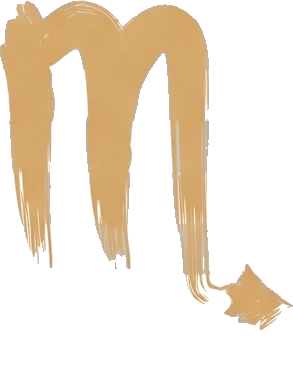 Scorpio, or hard-aspected to
Differences Between the Male and Female Chart
While the core energy of the Vertex in the 1st house in Cancer is the same for all genders, social conditioning and cultural expectations shape how this placement manifests in the male and female chart.
The Male Chart
1. Identity tied to protective provision: For men with this placement, the core of their identity is often wrapped up in being a provider and protector for their family and home. Fated encounters often push them to take on this role unexpectedly: a chance meeting with a partner may lead to an unplanned pregnancy, or a random conversation with a stranger may lead to a career opportunity that lets them provide for their community in a meaningful way. These men often feel a deep, instinctual need to create a safe, stable home for the people they love, and their sense of self-worth is tied to how well they can fulfill that role.
2. Gradual emotional opening: Traditional masculine socialization often discourages emotional vulnerability, so men with this placement may spend the first half of their life building a tough, independent exterior that hides their deep emotional needs. The fated encounters brought on by the Vertex will gradually force them to open up, often through relationships with partners or friends who encourage them to express their feelings. Over time, these men develop a softer, more nurturing side that becomes a core part of their identity, and they often become role models for other men who are learning to embrace their emotional side.
3. First impressions as a gateway to mentorship: Men with this placement are often seen by others as reliable, steady, and protective, even by people they have just met. This means that they often attract mentors and guides through chance encounters: a stranger at a coffee shop may offer them a job opportunity, or a person they meet at a community event may become a lifelong mentor who helps them navigate their career and personal life. These men often find that their closest allies are people they met by complete chance, who saw potential in them that they did not see in themselves.
4. Karmic ties to maternal figures: Men with this placement often have a strong, fated connection to their mother, grandmother, or other maternal figures. These relationships are often marked by intense emotional bonds, and the fated encounters brought on by the Vertex may involve reuniting with a lost maternal family member, or healing a strained relationship with a mother figure. These encounters are often turning points that help these men understand their own emotional needs and build a more secure sense of self.
The Female Chart
1. Identity tied to emotional intuition and nurturing: For women with this placement, their identity is often deeply tied to their ability to nurture and care for others, a trait that is often socially encouraged in women. Fated encounters often confirm this role, or push them to embrace it if they have resisted it: a chance meeting with a lost child may lead them to a career in education, or a random conversation with a sick neighbor may lead them to volunteer at a local hospital, discovering a passion for caregiving that becomes core to their identity. These women often have a natural, almost supernatural ability to sense when someone is in emotional pain, and they are often drawn to people who need care and support.
2. Projection of nurturing needs onto the self: Women with this placement are often seen by others as natural caregivers, and strangers may approach them immediately to share their personal problems, ask for advice, or seek comfort, even if they have just met. This can be a gift, but it can also be a burden, as these women may struggle to set boundaries and end up taking on other people’s emotional baggage as their own. A key part of their life path is learning to separate other people’s expectations of them as a nurturer from their own needs and desires, and to recognize that they do not have to care for everyone who asks for help.
3. Fated encounters tied to home and belonging: For women with this placement, fated encounters often revolve around the theme of home and belonging. They may meet their life partner through a chance encounter at a family gathering, or find their dream home through a random conversation with a stranger at a park. These encounters feel fated because they directly tie to their core need for emotional security and a place to call their own, and they often mark turning points where these women move from a place of uncertainty to a place of deep belonging.
4. Karmic healing of maternal lineage patterns: Women with this placement often carry karmic patterns from their maternal line, such as patterns of overgiving, people-pleasing, or fear of abandonment. The fated encounters brought on by the Vertex often force them to confront these patterns, either through relationships with partners or family members who trigger these wounds, or through chance encounters with women from their family’s past who help them understand the origins of these patterns. Healing these patterns is a core part of their life path, and it allows them to build a more secure, authentic sense of self that is not tied to other people’s expectations.
Psychological Portrait
Character: People with this placement are deeply intuitive, with a natural emotional radar that picks up on unspoken cues, hidden fears, and unspoken needs in the people around them, often within seconds of meeting them. They are naturally nurturing and protective, with a strong "shell" like Cancer’s crab that they retreat into when they feel emotionally vulnerable or overwhelmed. They value routine, familiarity, and emotional security above almost everything else, and they will go to great lengths to create a safe, stable home environment for themselves and the people they love. They are loyal, devoted, and deeply empathetic, but they can also be moody and withdrawn when they feel their safety is threatened. They have a strong connection to their family and ancestry, and they often feel a deep sense of responsibility to care for the people who came before them and the people who will come after them.
Motivation: Their core motivation is to build a secure, emotionally fulfilling sense of self that feels like home, both for themselves and for the people they care about. They are driven by a deep need to understand their emotional roots, to connect with their family and ancestry, and to leave a legacy of care that lasts beyond their lifetime. They are not motivated by fame, status, or material wealth unless those things can be used to create safety and security for the people they love. They are often drawn to work that serves others, and they find deep satisfaction in knowing that their actions have made someone else’s life easier or more joyful.
Fears: Their biggest fear is losing the people and places that define their sense of self, or being forced to confront the fact that their identity is not as stable as they think it is. They also fear rejection, especially from people they consider family or part of their inner circle, because that feels like a rejection of their core self. They fear being alone, or being forced to navigate the world without a safe home base to retreat to, and they will often stay in unhealthy relationships or situations longer than they should to avoid that fear. They also fear being seen as weak or vulnerable, as they have been taught that needing care or support is a flaw, so they may hide their emotional needs even from the people they love.
Self-esteem: Their self-esteem is directly tied to their ability to create emotional security for themselves and others. When they are able to nurture the people they love, have a stable home, and feel connected to their emotional roots, they feel confident, capable, and worthy. When they feel disconnected from their roots, unable to protect the people they love, or forced to be in situations that make them feel emotionally unsafe, their self-esteem plummets, and they may withdraw into their shell and refuse to engage with the world. They often tie their self-worth to how much they are needed by others, so they may feel worthless when they are not caring for someone, which can lead to burnout if they do not learn to value themselves independent of their caretaking role.
Style of thinking: They think in emotional patterns, not just logical ones. They remember experiences by how they made them feel, not just the facts of what happened, and they are very good at picking up on inconsistencies between what people say and how they feel. They are not naturally analytical or detached; instead, they make decisions based on their gut feeling about a person or situation, and they are often right, even if they can’t explain why. They are very good at seeing the big picture of how their past experiences shape their present identity, and they are often drawn to therapy, journaling, or other practices that help them process their emotions. They are also very good at remembering small, personal details about the people they meet, which makes others feel seen and valued, and helps them build strong, lasting relationships.
Attachment: Their attachment style is often shaped by their childhood experiences with their caregivers. If they had a secure, nurturing childhood, they will have a secure attachment style, able to form deep, trusting bonds with others without fear of abandonment. If they had a neglectful or inconsistent childhood, they may develop an anxious attachment style, constantly seeking reassurance from others that they are loved and safe, or an avoidant attachment style, retreating into their shell and refusing to let others get close to avoid being hurt. Regardless of their attachment style, they are fiercely loyal to the people they let into their inner circle, and they will go to great lengths to protect and care for them. They value consistency and reliability in relationships, and they may struggle with partners who are unpredictable or emotionally unavailable, as that triggers their fear of abandonment.
Spheres of Life
Career
People with this placement thrive in careers that allow them to nurture others, build community, or create safe, welcoming spaces for people. Common career paths include teaching, childcare, social work, counseling, interior design, real estate, hospitality, event planning, or any role that involves caring for others or building a sense of belonging. Fated encounters play a huge role in their career path: they may meet their mentor by chance at a networking event, find their dream job through a random conversation with a stranger, or start a successful business based on an idea they got from a chance encounter with a client. They are not motivated by money or status alone; they need to feel that their work is contributing to the emotional well-being of others, and they will often leave high-paying, high-status jobs if they feel that the work is meaningless or harmful to others. They are natural leaders in community-focused spaces, and they often excel at building teams and creating inclusive, supportive work environments where everyone feels seen and valued.
Relationships
Their relationships are deeply shaped by fated encounters. They often meet their closest friends, romantic partners, and even business partners by chance, in situations that feel like they were meant to happen. They value emotional intimacy, loyalty, and security above all in relationships, and they are devoted, caring partners and friends who will go to great lengths to support the people they love. However, they may struggle with partners who are emotionally unavailable or inconsistent, as that triggers their fear of abandonment and makes them feel like their sense of security is under threat. They may also have a tendency to attract people who need nurturing, which can be draining if they do not set clear boundaries. A key part of their relationship growth is learning to balance their desire to care for others with their own need for emotional safety and reciprocity, and to recognize that not every fated encounter is meant to be a long-term relationship; some are meant to teach them lessons about what they do and do not want in a partner.
Finances
They are practical, cautious with money, and prioritize spending on things that create emotional security: their home, their family, experiences that create lasting memories, and things that make them feel comfortable and safe. They are not natural risk-takers with money, unless the risk is tied to creating a safer future for the people they love (for example, investing in a family home or starting a business that provides for their community). Fated encounters often play a role in their financial life: they may receive an unexpected inheritance from a distant relative, find a lucrative investment opportunity through a chance conversation with a stranger, or experience a financial loss that forces them to reevaluate their priorities and focus on what truly matters to them. They are often good at managing money for their family or community, and they may find success in careers related to real estate, property management, or financial planning for families, as these roles align with their desire to create security for others.
Health
They have a sensitive digestive system and are prone to stress-related illnesses when they feel emotionally insecure or disconnected from their home base. They may hold tension in their chest and stomach when they are worrying about the people they love, and they are prone to anxiety, insomnia, and digestive issues like bloating, indigestion, or irritable bowel syndrome when they are under emotional stress. Their health improves dramatically when they have a stable home life, strong emotional support, and regular time to rest and recharge in a safe space. They are often drawn to holistic health practices that focus on the connection between emotional and physical well-being, such as yoga, meditation, or therapy, and these practices can be extremely beneficial for them. They may also have a tendency to overeat or undereat when they are stressed, as their relationship with food is deeply tied to their emotional state, and they may use food as a source of comfort when they feel unsafe or unsupported.
Challenges and Gifts
Shadow Sides
1. Loss of self in service of others: Because their identity is so tied to nurturing and caring for others, they may lose sight of their own needs and desires, constantly prioritizing other people’s comfort over their own. They may become people-pleasers, saying yes to requests they don’t want to fulfill, and resentment builds when they feel like their efforts are not appreciated. This can lead to burnout, resentment, and a loss of connection to their core self, as they forget who they are when they are not caring for someone else.
2. Emotional manipulation: Their natural ability to read other people’s emotional cues can become a tool for manipulation if they are not careful. They may use their nurturing nature to guilt-trip people into staying close to them, or use their knowledge of other people’s fears and insecurities to get what they want, rather than being direct and honest about their needs. This can damage their relationships and erode trust over time, as people start to feel like they are being controlled rather than cared for.
3. Stagnation through fear of change: Cancer’s love of routine and familiarity can lead these people to resist fated encounters that force them to step out of their comfort zone, even if those encounters are meant to help them grow. They may retreat into their shell and refuse to engage with new people or new experiences, sticking to the same routines and relationships even if they are no longer serving them. This can lead to a stagnant, unfulfilling life, as they miss out on opportunities for growth and connection because they are afraid of the unknown.
4. Overprotectiveness and smothering: Their deep need to protect the people they love can become overbearing, leading them to control the people around them, limit their freedom, or refuse to let them take risks that could help them grow. They may hold onto past hurts and grievances for years, letting them fester and damage their relationships, rather than letting go and moving forward. This can push the people they love away, even as they are trying to hold them close.
Bright Sides
1. Intuitive judge of character: Their natural ability to read unspoken emotional cues makes them excellent judges of character. They can tell within seconds of meeting someone whether that person is trustworthy, kind, and aligned with their values, and they are rarely wrong. This gift protects them from toxic relationships and helps them surround themselves with people who support and uplift them, and they can use this gift to help their friends and loved ones avoid people who would harm them.
2. Natural creator of safe spaces: They have a rare talent for making people feel seen, welcome, and cared for, no matter where they are. They can turn a cold, impersonal apartment into a warm, inviting home with just a few small touches, and they have a way of making strangers feel like they have known them for years. People are naturally drawn to them because they feel safe around them, and they often find that strangers open up to them immediately, sharing their deepest fears and secrets without being prompted. This makes them excellent counselors, mentors, and community builders.
3. Resilience in the face of hardship: Because their sense of self is so deeply tied to their emotional roots and their connections to loved ones, they have an incredible ability to bounce back from even the most devastating hardships. As long as they have a safe home base and a support system to lean on, they can weather almost any storm, from job loss to illness to the death of a loved one. They have a deep, innate understanding that hardship is temporary, and that the people they love are the most important thing in life, which gives them the strength to keep going even when things feel impossible.
4. Magnet for fated opportunities: Because their life is shaped by fated encounters, they often find themselves in the right place at the right time, meeting the right people who can help them achieve their goals. They don’t have to work as hard as other people to find opportunities, because the universe seems to bring them to their doorstep, as long as they are open to them. They often have a series of "lucky breaks" that feel too coincidental to be random, and these breaks often lead to profound personal and professional growth.
Practical Recommendations
| Sphere | Advice | Astrological Tool |
|---|---|---|
| Emotional Self-Awareness | Keep a daily journal of your emotional reactions to new people and unplanned encounters, to track patterns in how fated events shape your mood and self-perception. Identify recurring themes in the types of people you meet and the emotions they trigger, to better understand your own unmet needs. | Track the phases of the Moon, the ruler of Cancer, to align with its cycles of emotional release and clarity. Write your journal entries on the Full Moon to process emotions that have been building over the month. |
| Boundary Setting | Practice saying "no" to requests that drain your emotional energy, even if they come from people you care about, to avoid overextending yourself in service of others’ needs. Start with small, low-stakes requests to build confidence in setting limits. | Work with transits of Saturn in the sign opposite your natal Cancer ( Capricorn) to build discipline around boundaries without feeling guilty. Saturn transits teach you that setting limits is an act of self-respect, not selfishness. |
| Home and Security | Create a dedicated sacred space in your home where you can retreat when you feel overwhelmed, to ground yourself in your physical and emotional security. Fill this space with objects that remind you of your family, your roots, and the things that make you feel safe and loved. | Perform a ritual on the Cancer New Moon each month to set intentions for building a more stable, nurturing home life and identity. Light a candle, write down your intentions, and visualize your home as a safe, protected space that no external force can disturb. |
| Relationship Navigation | Before committing to a new relationship, take time to reflect on whether the person makes you feel safer and more like your true self, rather than just feeling an instant pull of fatedness. Fated encounters are not always meant to be romantic; some are meant to teach you lessons about what you do and do not want in a partner. | Track transits of the Vertex and the North Node to identify when fated relationship encounters are likely to happen. When these transits are active, be open to new connections, but take time to assess whether the person aligns with your core values before getting deeply involved. |
| Career Alignment | Choose a career that lets you nurture others or build community, rather than one that prioritizes profit or status, to align with your core emotional values. If you are in a career that feels unfulfilling, look for opportunities to incorporate care and community into your work, even in small ways. | Track transits of the Midheaven (MC) in Cancer to identify times when fated career opportunities related to care, home, or community building will arise. When these transits are active, be open to new opportunities that align with your nurturing nature, even if they seem unconventional. |
| Emotional Release | Practice regular emotional release rituals, such as crying, talking to a trusted friend, creative expression (writing, art, music), or physical activity, to avoid holding onto emotional tension that can lead to stress-related illness. Do not bottle up your emotions, as they will only build up and cause harm over time. |
Work with transits of Neptune in Scorpio (the sign of emotional release and transformation) to process deep-seated emotional patterns from your past. Neptune transits can help you let go of old wounds that no longer serve you, making space for new, healthier emotional patterns.
| Identity Integration | Spend time alone regularly, without external input from other people, to connect with your core self outside of fated encounters and other people’s expectations. Use this time to reflect on what you truly want, rather than what other people want for you, and to build a sense of identity that is not dependent on external validation. | Meditate on your 1st house cusp in Cancer regularly, visualizing your core identity as a safe, stable shell that no external event can shake. Imagine that you are the crab, carrying your home on your back, and that no matter what fated encounters come your way, you always have a safe place to retreat to.
Conclusion
The path of integrating the Vertex in the 1st house in Cancer is a journey from seeing your identity as a passive product of fated events and other people’s expectations, to seeing yourself as the active architect of your own sense of self, using the fated encounters that come your way as tools to build a more secure, nurturing, and authentic identity. The shadow expression of this placement is a life of reactivity, where you let other people and unplanned events dictate who you are, retreating into your shell when things get hard and never fully embracing the growth that the Vertex is trying to bring you. The highest expression of this placement is a life of service, where you use your intuitive understanding of fated connections and emotional needs to be a safe harbor for others, helping them navigate their own identity struggles and find a sense of belonging. You are not just here to build a home for yourself; you are here to build a home for your community, your family, and future generations, using the fated encounters you experience to create a legacy of care and emotional security that lasts long after you are gone. When you embrace this role, the fated encounters that once felt like disruptions to your sense of safety become the very things that make your life feel meaningful and purposeful.
This article was prepared by the [Astrobot](https://astrobot.chat) editorial team — your personal astrological assistant. The material is based on classical and modern astrological sources.
 Pisces. It creates a lifelong inner tension between the desire for unapologetic personal autonomy and the quest for universal spiritual or philosophical meaning, often manifesting as a pull to explore marginalized, forbidden, or suppressed systems of belief. The individual has an innate gift for perceiving hidden truths behind established dogma, but risks falling into escapism, self-deception, or self-sabotage if they cannot ground their mystical insights in practical reality. The core path of integration is to embrace the exiled parts of the self as a source of liberating wisdom, rather than a source of shame, and to use their unique perspective to challenge oppressive systems with compassion and courage.