 Natal Planets & Points in Houses & Signs
 Vulcan
Introduction
This placement is one of the personality’s core identity knots, as it ties the individual’s innermost, often unspoken karmic talent directly to their most public, socially validated life sphere. Unlike more visible planetary placements, Vulcan operates in the shadows of the psyche, representing skills the individual may not even recognize as special until they are forced to share them with the world. The 10th house, or midheaven, is the highest point of the natal chart, governing public reputation, career trajectory, legacy, and the role an individual is called to play in the collective. Cancer, ruled by the Moon, adds the layer of emotional roots, family lineage, protective instinct, and collective ancestral memory, coloring both the craft and the public role with deep emotional weight. This is not a minor career placement: it shapes the entire arc of a person’s life, creating a lifelong push-pull between the desire to protect the private, vulnerable process of their craft and the societal demand to share it publicly for the greater good. It is often found in the charts of master craftspeople, community healers, midwives, builders of affordable housing, and keepers of cultural traditions, whose private, painstaking work becomes the foundation of their public legacy.
 Cancer, ruled by the Moon, adds the layer of emotional roots, family lineage, protective instinct, and collective ancestral memory, coloring both the craft and the public role with deep emotional weight. This is not a minor career placement: it shapes the entire arc of a person’s life, creating a lifelong push-pull between the desire to protect the private, vulnerable process of their craft and the societal demand to share it publicly for the greater good. It is often found in the charts of master craftspeople, community healers, midwives, builders of affordable housing, and keepers of cultural traditions, whose private, painstaking work becomes the foundation of their public legacy.
The Nature of the Aspect
This configuration is a conjunction between Vulcan and the 10th house cusp (midheaven), the most public point of the natal chart. For hypothetical planets like Vulcan, the standard orb for house and conjunction aspects is up to 5°; the tighter the orb, the more powerfully the placement operates in the individual’s life. A conjunction signifies complete fusion of the functions of the two points: Vulcan’s energy of hidden craft, transformative mastery, and karmic skill merges entirely with the 10th house’s energy of public standing, authority, and legacy.
If the aspect is applying (Vulcan was moving toward the 10th house cusp at the moment of birth), it creates an inexorable inner drive to build a public identity rooted in one’s craft, with a persistent sense that this work is a destiny the individual cannot escape, even if they try to avoid the spotlight. If the aspect is separating (Vulcan was moving away from the 10th house cusp at birth), the individual has already mastered the core of this craft in past lives, and the 10th house placement acts as a ready-made stage to share that already-honed skill publicly, with less inner friction around exposure.
Unlike hard aspects ( square, opposition) that create external conflict and friction, this conjunction generates internal tension between the solitary, process-oriented nature of Vulcan’s work and the performative, results-driven demand of the 10th house. Unlike harmonious aspects ( trine, sextile) that flow effortlessly and are often taken for granted, this conjunction requires conscious integration: the individual must actively choose to step into their public role rather than hiding their craft in obscurity, otherwise they will experience chronic underemployment, unfulfilled potential, and frustration at being overlooked despite their talent.
 conjunction between Vulcan and the 10th house cusp (midheaven), the most public point of the natal chart. For hypothetical planets like Vulcan, the standard orb for house and conjunction aspects is up to 5°; the tighter the orb, the more powerfully the placement operates in the individual’s life. A conjunction signifies complete fusion of the functions of the two points: Vulcan’s energy of hidden craft, transformative mastery, and karmic skill merges entirely with the 10th house’s energy of public standing, authority, and legacy.
 square,
 opposition) that create external conflict and friction, this conjunction generates internal tension between the solitary, process-oriented nature of Vulcan’s work and the performative, results-driven demand of the 10th house. Unlike harmonious aspects (
 trine,
 sextile) that flow effortlessly and are often taken for granted, this conjunction requires conscious integration: the individual must actively choose to step into their public role rather than hiding their craft in obscurity, otherwise they will experience chronic underemployment, unfulfilled potential, and frustration at being overlooked despite their talent.
Symbolism and Mythology
Vulcan (Hephaestus in Greek myth) is the divine smith, god of fire, the forge, craft, and hidden mastery. Born of Hera alone, he was cast from Olympus for his physical imperfection, and spent his eternal existence in the underworld forge, crafting divine weapons, armor, and artifacts for the gods while remaining largely unseen by the mortal world. His archetype represents the part of the human psyche that holds karmic skills, often honed through hardship, solitude, or past-life experience, that are not meant for showy display but for enduring, practical use. His lameness, a result of his fall from Olympus, is core to his symbolism: the craft tied to this placement is often forged through perceived flaws, trauma, or disability, and these very vulnerabilities are the source of the individual’s unique mastery.
The 10th house midheaven is the highest point of the natal chart, representing the individual’s public standing, career, legacy, and the role they play in the collective. It is the "face" the world sees, the reputation that outlives the individual long after they are gone. Cancer, the sign of the Crab, is ruled by the Moon, and represents emotional roots, family lineage, the home, protective instinct, nurturing, and the collective unconscious of one’s ancestral line.
The mythological image of this placement is Hephaestus, the hidden smith, being called up from his underworld forge to craft the crown of a king, or the shield of a community guardian. His private, painstaking craft is now demanded by the public sphere, and he must learn to let his work be seen, even as he remains fiercely protective of the intimate, vulnerable process behind it. Culturally, this placement echoes the archetype of the anonymous artisan whose work shapes entire communities: the midwife who has delivered generations of a town’s children, the carpenter who builds the homes of an entire neighborhood, the healer who tends to the emotional wounds of a family line, all of whom are known publicly for their work but keep the intimate, often painful process of their craft private.
The Principles of the Planets in the Chart
Vulcan in the Chart
Vulcan is the planet of hidden craft, karmic skill, transformative mastery, and the ability to turn raw, unrefined material (both physical and emotional) into something enduring, useful, and beautiful. It operates in the shadows of the personality, often representing skills the individual does not recognize as special until they are forced to use them publicly. Vulcan is associated with fire, the forge, patience, and the ability to work through pain and hardship to build something that lasts. In the natal chart, it shows where the individual holds unique, often underdeveloped talent that can become the foundation of their life’s work if integrated.
The conjunction with the 10th house cusp amplifies Vulcan’s energy, tying it directly to public identity and legacy, so the individual cannot hide their craft forever — the world will eventually call on them to share it. If Vulcan sits within 3° of the Sun (causal combustion, per classical astrological guidelines), the individual’s core sense of self is fused with their craft, creating a compulsive need to be seen for their work, but also a risk of burnout or overexposure of their private process. If Vulcan falls between 3° and 17° of the Sun (placed "in the Sun’s rays"), the fusion is more harmonious, and the individual’s public identity aligns naturally with their craft, with less friction around sharing their work with others.
 Sun (causal combustion, per classical astrological guidelines), the individual’s core sense of self is fused with their craft, creating a compulsive need to be seen for their work, but also a risk of burnout or overexposure of their private process. If Vulcan falls between 3° and 17° of the Sun (placed "in the Sun’s rays"), the fusion is more harmonious, and the individual’s public identity aligns naturally with their craft, with less friction around sharing their work with others.
The 10th House in the Chart
The 10th house is an angular house of public standing, career, authority, legacy, and the role an individual plays in the collective. It is the highest point of the chart, representing the peak of one’s achievements, the reputation one builds over a lifetime, and the impact one has on the world after they are gone. Planets conjunct the 10th house cusp are highly visible, even if the planet is a minor or shadow planet like Vulcan — the traits of that planet become central to the individual’s public identity. The 10th house is a cardinal house, associated with action, initiative, and leadership, so the conjunction with Vulcan pushes the individual to take action to share their craft publicly, rather than keeping it hidden. The Cancer sign on the 10th house cusp colors this public role with emotional depth, nurturing instinct, and a connection to family and community, so the individual’s career and legacy will be tied to serving the emotional and practical needs of others.
The Combined Influence
The fusion of Vulcan’s hidden craft with the 10th house’s public demand creates a lifelong scenario where the individual is called to build a public identity rooted in unique, often emotionally charged expertise. This is not a placement for flashy, performative careers: the work tied to this placement is practical, enduring, and designed to nurture or protect others. The individual may spend years hiding their craft, working in obscurity, before being called to a public role that aligns with their skill. The core drive here is to turn private, intimate mastery into a public legacy that outlasts the individual, often tied to family lineage, community care, or protective work. There is a lifelong tension between the desire to protect the private, vulnerable process of the craft and the need to share it with the world to fulfill one’s public destiny.
Expression in Sign and House
Vulcan in Cancer
Cancer is a cardinal water sign, ruled by the Moon, associated with emotional roots, nurturing, protection, family lineage, and the collective unconscious of one’s ancestral line. Vulcan, a planet of craft and transformation, in Cancer expresses its skill through emotional, nurturing, and protective channels. The craft tied to this placement is often inherited: the individual may have a natural talent for skills passed down through their family line, such as midwifery, carpentry, traditional cooking, herbal healing, or textile work. The skill is deeply tied to the individual’s emotional roots: they may have learned it through childhood experience, family tradition, or through processing their own emotional wounds.
Vulcan in Cancer also gives a talent for transforming emotional pain into something nurturing for others: the individual may use their own experiences of hardship to craft tools, practices, or works that help others heal. The fire of Vulcan’s forge is tempered by Cancer’s water, so the craft is not harsh or aggressive, but gentle, protective, and designed to sustain others. There is a strong instinct to protect the people and communities the individual cares about through their craft, and their work is often focused on creating safety, comfort, and emotional security for others.
The 10th House in Cancer
The 10th house cusp in Cancer means the individual’s public identity, career, and legacy are entirely tied to nurturing, protection, and emotional support. The individual is called to a public role that serves the collective emotional well-being, whether that is as a caregiver, community leader, builder of safe spaces, or preserver of family and cultural traditions. The 10th house in Cancer also gives a strong connection to ancestral legacy: the individual’s career may be tied to preserving or building on the work of their ancestors, or to serving the needs of their community of origin. There is a natural authority here rooted in emotional wisdom and life experience, rather than formal credentials or flashy expertise. The individual’s public reputation is built on their ability to nurture, protect, and provide emotional safety for others, and they are often seen as a steady, reliable presence in their community.
Combined Influence across Positions
The fusion of Vulcan in Cancer with the 10th house cusp in Cancer creates a placement where the individual’s entire public identity is rooted in their inherited, emotionally charged craft. There is no separation between the private skill and the public role: the craft is the public role. The individual may be known publicly as a healer, builder, caregiver, or keeper of tradition, and this reputation is built on the unique, often hard-earned skill they have developed through their own emotional journey and family lineage. The core life scenario is this: the individual spends their early life honing their craft in private, often through hardship, emotional processing, or learning from family elders, and is then called to a public role where they share that craft to nurture and protect their community. The tension here is that the craft is deeply personal, tied to the individual’s emotional core, so sharing it publicly feels like exposing their innermost self, which can trigger anxiety, fear of judgment, or a desire to retreat into private life. When integrated, the individual becomes a public figure whose work is deeply rooted in emotional authenticity, and whose legacy is one of nurturing and protection for generations to come.
Differences Between the Male and Female Chart
The Male Chart
For individuals with a traditionally male chart (Sun as the primary luminary), this placement often manifests as a drive to build a public identity as a protector, provider, or builder for their family and community. The Vulcan craft is often expressed through tangible, physical work: building homes, crafting tools, working in construction, woodworking, or healing work framed as "providing" for others. There is a strong pressure to hide the emotional vulnerability tied to the craft, as traditional masculine norms discourage emotional exposure, so the male individual may spend years working in obscurity, perfecting their skill, before feeling comfortable taking on a public role. The 10th house in Cancer here often manifests as a public reputation as a "family man" or community patriarch, whose authority is rooted in his ability to provide emotional and physical safety for his loved ones. A common shadow pattern is overwork, using the craft as a way to avoid processing emotional pain, leading to burnout or estrangement from family. When integrated, the male individual becomes a leader who breaks traditional masculine norms by showing that strength and care are not mutually exclusive, using his craft to build safe, nurturing spaces for other men to express emotion and vulnerability.
The Female Chart
For individuals with a traditionally female chart (Moon as the primary luminary), this placement often manifests as a drive to build a public identity as a nurturer, healer, or keeper of family and cultural traditions. The Vulcan craft is often expressed through care work, healing, midwifery, cooking, textile work, or other skills tied to nurturing and preserving life. There is a natural ease with sharing the emotional core of the craft, as traditional feminine norms often encourage emotional expression, so the female individual may move more quickly into public roles tied to their skill. However, a common shadow pattern is overextension, using the craft to care for others while neglecting their own emotional needs, leading to resentment or burnout. The 10th house in Cancer here often manifests as a public reputation as a "mother of the community," whose authority is rooted in her ability to hold space for others’ emotional pain. A common challenge is balancing the public demand to nurture everyone else with the need to protect their own private emotional space and craft process. When integrated, the female individual becomes a leader who elevates traditionally feminine, undervalued craft (like care work, textile art, cooking) to the level of high art or public service, creating systemic change for how women’s work is valued and compensated.
Psychological Portrait
Individuals with this placement have a quiet, steady character, marked by deep loyalty, patience, and a dry, understated sense of humor. They are not flashy or attention-seeking, but possess a deep, enduring strength that is immediately apparent to those who know them well. Their core motivation is to build something enduring that nurtures and protects the people they love, both in their private life and in the public sphere, driven by a sense of duty to their family, community, and karmic path, rather than a desire for fame or wealth.
Their deepest fear is exposure of their private craft process, or having their work rejected by the community they are trying to protect. They also fear being seen as "not good enough" to fulfill their public role, or that their private imperfections will ruin their public reputation. Their self-esteem is tied directly to the quality of their craft and the impact it has on others: they do not care about external validation or fame, but feel deep pride when their work helps someone else, or when it is recognized by people they respect.
Their style of thinking is practical, grounded, and rooted in experience and emotional intuition. They do not care about abstract theory or flashy ideas; they care about what works, what is useful, and what will last. They think in terms of processes, steps, and long-term outcomes, rather than quick fixes, and have a natural talent for problem-solving that is rooted in hands-on experience. Their attachment style is secure, but with a tendency toward anxious attachment when it comes to their public role: they are deeply loyal to their inner circle, and will go to great lengths to protect the people they love, but can become anxious if they feel their public role is threatened, or if they think their craft is not good enough to protect their loved ones. They may withdraw into their private "forge" (their craft space) when overwhelmed, as a way to recharge and regain a sense of control.
Spheres of Life
Career
Career is the central sphere of life for this placement, as Vulcan conjunct the 10th house cusp makes work the core of the individual’s public identity and life purpose. They are called to a career that is rooted in their unique, karmic craft, and that serves to nurture, protect, or support their community. Ideal careers include care work (nursing, midwifery, social work), construction and building (carpentry, architecture, urban planning focused on safe, affordable housing), culinary arts (especially traditional or family recipe-based cooking), healing work (herbalism, therapy, energy work), preservation of cultural or family traditions (museum work, historical preservation, teaching traditional crafts), or any career that involves building enduring, nurturing structures for others.
The individual will not thrive in flashy, performative careers that require them to be in the spotlight constantly; they prefer careers where their work speaks for itself, even if they are not always in the public eye. They may experience early career struggles, as they spend years honing their craft in obscurity, but once they step into their public role, they often build a long, stable, respected career that outlasts trends. There is a natural authority here, as their expertise is rooted in years of practice and emotional investment, rather than formal credentials alone.
Relationships
In relationships, the individual is deeply loyal, protective, and nurturing, but can be slow to open up about their inner world, especially their craft. They show love through acts of service: building things for their partner, cooking for them, creating safe spaces for them, rather than through grand romantic gestures. They are attracted to partners who respect their need for private time to work on their craft, and who value their quiet, steady presence over flashy romance.
A common challenge is that they may prioritize their craft or their public role over their relationship, leading to feelings of neglect in their partner. They also may struggle to share their emotional vulnerabilities with their partner, as they see themselves as the "strong one" who protects others, rather than someone who needs care. When integrated, they are deeply committed, reliable partners who build a safe, nurturing home life for their loved ones, and who use their craft to create special, meaningful experiences for their partner and family. They are very selective about who they let into their private craft space, as they see it as a vulnerable, intimate part of themselves, and may feel betrayed if a partner shares their private process or ideas without permission.
Finances
Finances are tied directly to the individual’s craft and public role. They are not motivated by quick wealth or get-rich-quick schemes; they build wealth slowly, steadily, through years of hard work and mastery of their craft. They are financially prudent, good at saving and investing in long-term assets (like property, tools, or family heirlooms) rather than spending on flashy, temporary luxuries. They may experience financial instability in their early years, as they invest time and money into honing their craft before they can monetize it, but once they step into their public role, they often build stable, long-term wealth that provides security for their family and community.
A common shadow pattern is undercharging for their work, as they do not value their craft as highly as they should, or feel guilty about earning money from work that feels like a calling rather than a job. They are also unlikely to take high financial risks, preferring to invest in assets that are tied to their craft and community, such as community land trusts, family businesses, or property that can be used to support their loved ones.
Health (Psychosomatic Tendencies)
Per classical astrological guidelines linking planetary energies to physical constitution, this placement creates psychosomatic tendencies tied to stress from overwork, emotional suppression, and fear of exposure. The individual may experience chronic digestive issues (stomach ulcers, irritable bowel syndrome) from suppressing emotional pain related to their craft or public role. They may also experience joint pain, especially in the knees or hands, from years of repetitive, physical craft work, or from holding tension in their body from suppressing emotion. Respiratory issues (asthma, bronchitis) can manifest from the stress of feeling like they cannot "breathe" or express themselves authentically in their public role. Skin issues (rashes, eczema) can manifest from the stress of feeling exposed or judged by others.
The key to health for this placement is learning to process emotional pain rather than suppressing it, taking regular breaks from their craft to rest and recharge, and setting boundaries between their private craft space and their public role to avoid burnout. They are prone to stress-related illnesses when they feel like they are failing in their public role, or when they are unable to protect the people they care about.
Challenges and Gifts
Shadow Sides
1. Withdrawal and obscurity: The individual may spend decades hiding their craft, working in unfulfilling jobs, because they are afraid of exposure or judgment, leading to a life of unfulfilled potential and resentment.
2. Overwork and burnout: They may push themselves to the point of physical and emotional collapse, using their craft as a way to avoid processing their own pain, leading to chronic illness and estrangement from loved ones.
3. Undervaluing their skill: They may charge too little for their work, or let others take credit for their craft, because they do not recognize the unique, karmic value of their talent, leading to financial instability and lack of recognition.
4. Overidentification with public role: They may tie their entire self-worth to their public reputation and career success, leading to severe anxiety and depression if they face public criticism or career setbacks.
5. Enmeshment and martyrdom: They may take on too much responsibility for their family or community’s well-being, neglecting their own needs and boundaries, leading to resentment, burnout, and a sense of being unappreciated.
Bright Sides
1. Enduring, impactful legacy: The individual’s work outlasts them, building structures, practices, or communities that nurture and protect generations to come.
2. Unique, irreplicable skill: They have a karmic talent that no one else can replicate, giving them a natural edge in their chosen field, and allowing them to fill a unique niche in their community.
3. Deep emotional authenticity: Their public work is rooted in genuine personal experience and emotional truth, making it deeply relatable and impactful for others who have gone through similar experiences.
4. Natural authority and trust: Others naturally trust and respect them, because their expertise is rooted in years of practice and genuine care for others, rather than flashy credentials or self-promotion.
5. Intergenerational healing: Their craft often helps heal wounds passed down through their family or community line, creating positive change that ripples out for generations.
6. Community building: Their work naturally brings people together, creating strong, supportive communities that last for generations, and acting as the glue that holds their community together through both good times and crisis.
Practical Recommendations
| Sphere | Advice | Astrological Tool |
|---|---|---|
| Career | Prioritize careers that align with your inherited or emotionally rooted craft, rather than chasing high-paying but unfulfilling roles that require you to hide your skills. | Track the transit of Mercury and Jupiter through your 10th house and the sign of Cancer; these transits bring opportunities to share your craft publicly, such as job offers, public speaking engagements, or requests for your expertise from your community. |
| Personal Craft | Schedule regular, unprotected time to work on your craft without the pressure of public performance or monetization, to honor the private, intimate nature of Vulcan’s work. | Work with the energy of the New Moon in Cancer each month; this is the ideal time to set intentions for your craft, honor your ancestral lineage, and connect with the emotional roots of your skill. |
| Public Identity | Practice small, low-stakes ways to share your craft publicly, such as teaching a skill to a friend, posting a photo of your work on social media, or offering your services to a local community group, to build comfort with exposure. | Use the energy of the Full Moon in Cancer to release fears of judgment and publicly celebrate your craft, such as by sharing a finished project with your community or accepting a public award for your work. |
| Finances | Research the market rate for your craft and charge accordingly, rather than undervaluing your unique, karmic skill out of guilt or fear of being seen as "greedy." | Track the transit of Jupiter through your 2nd house of income; this transit expands your earning potential, making it the ideal time to raise your rates, ask for a raise, or monetize your craft in a new way. |
| Health | Schedule regular breaks from your craft and public role to process emotional pain and avoid burnout; do not use work as a way to avoid dealing with your feelings. | Track the transit of Saturn through your 6th house of health; this transit highlights the need to set better boundaries between your work and personal life, and to prioritize rest and self-care to avoid chronic stress and illness. |
| Relationships | Communicate your need for private craft time to your loved ones, and ask for support in setting boundaries between your public role and your private life, to avoid enmeshment or neglect of your relationships. | Track the transit of Moon through your 7th house of partnerships; this is the ideal time to have honest conversations with your partner about your needs, and to plan nurturing, low-key activities that strengthen your bond without requiring you to be in the public eye. |
| Boundaries | Create a physical or symbolic boundary between your private craft space (your "forge") and your public role, to protect the intimate process of your work from external judgment or demand. | Place a small symbol of Vulcan (a forge, a hammer, or a crafted object) on the cusp of your 10th house in your natal chart, or in your workspace, to honor the boundary between your private craft and public role, and to call on Vulcan’s energy to protect your process. |
| Legacy | Document your craft and pass it down to younger members of your family or community, to honor the ancestral lineage of your skill and ensure it continues after you are gone. | Track the transit of Pluto through your 10th house; this transit brings opportunities to leave a lasting legacy, such as publishing a book about your craft, starting a school or apprenticeship program, or preserving your family’s traditional skills for future generations. |
| Spiritual Practice | Honor the karmic, ancestral roots of your craft by incorporating rituals that connect you to your ancestors, such as cooking a family recipe, visiting ancestral graves, or creating an altar to your craft ancestors. | Work with the energy of Pluto in your 4th house of home and ancestry; this transit brings opportunities to connect with your ancestral lineage and uncover hidden skills or traditions that are part of your karmic craft. |
 Mercury and
 Jupiter through your 10th house and the sign of
 Saturn through your 6th house of health; this transit highlights the need to set better boundaries between your work and personal life, and to prioritize rest and self-care to avoid chronic stress and illness.
 Moon through your 7th house of partnerships; this is the ideal time to have honest conversations with your partner about your needs, and to plan nurturing, low-key activities that strengthen your bond without requiring you to be in the public eye.
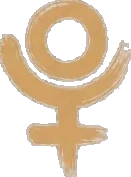 Pluto through your 10th house; this transit brings opportunities to leave a lasting legacy, such as publishing a book about your craft, starting a school or apprenticeship program, or preserving your family’s traditional skills for future generations.
Conclusion
The shadow expression of this placement is a life of hidden talent, unfulfilled potential, and burnout, where the individual hides their craft out of fear of exposure, or overworks themselves to prove their worth to the public, neglecting their own needs and the people they love. The path of integration begins with acknowledging that their craft is not just a private hobby, but a karmic gift meant to be shared with the world. They must learn to set clear boundaries between their private forge and their public role, so that they can share their work without feeling exposed or vulnerable. They must also learn to value their skill appropriately, recognizing that the unique, emotionally rooted mastery they hold is a rare and valuable gift that deserves recognition and fair compensation.
The highest expression of this placement is the individual who becomes a public guardian, using their hard-earned craft to build safe, nurturing spaces for their community, and whose legacy outlasts them for generations. They are the smith who forges the tools that entire communities use to build their lives, the healer who tends to the wounds of generations, the builder who creates the homes where families are raised. Their public identity is not a performance, but a natural extension of their deepest, most authentic self, and their work leaves the world softer, safer, and more nurturing than they found it.
This article was prepared by the [Astrobot](https://astrobot.chat) editorial team — your personal astrological assistant. The material is based on classical and modern astrological sources.

 Pisces. It creates a lifelong inner tension between the desire for unapologetic personal autonomy and the quest for universal spiritual or philosophical meaning, often manifesting as a pull to explore marginalized, forbidden, or suppressed systems of belief. The individual has an innate gift for perceiving hidden truths behind established dogma, but risks falling into escapism, self-deception, or self-sabotage if they cannot ground their mystical insights in practical reality. The core path of integration is to embrace the exiled parts of the self as a source of liberating wisdom, rather than a source of shame, and to use their unique perspective to challenge oppressive systems with compassion and courage.