 Natal Planets & Points in Houses & Signs
 Vulcan
Introduction
This natal placement is one of the personality’s core structural knots, fusing three foundational astrological elements: the transcendental planet Vulcan, the angular 1st house of core identity, and the cardinal water sign Cancer. Unlike temporary transits or progressions, this is a lifelong, innate pattern that shapes the individual’s character, motivations, and life path from childhood to old age. Vulcan, the divine smith of classical mythology, governs craft, deliberate creation, repair, and the transformation of raw, unformed material into lasting, functional structures. The 1st house, anchored by the Ascendant, represents the core self, first impressions, physical presence, and the fundamental way we engage with the world. Cancer, ruled by the Moon, governs emotional security, nurturing, home, memory, and the protection of the self and loved ones. Together, these elements create a personality where creative, hands-on work is not a hobby or side trait, but the very foundation of who the individual is.
 Moon, governs emotional security, nurturing, home, memory, and the protection of the self and loved ones. Together, these elements create a personality where creative, hands-on work is not a hobby or side trait, but the very foundation of who the individual is.
The Nature of the Aspect
This configuration is a conjunction between Vulcan and the Ascendant, the cusp of the 1st house, with an orb of up to 8° per classical astrological guidelines. Conjunction is the aspect of interpenetration and fusion, meaning Vulcan’s energy of deliberate creation is fully merged with the Ascendant’s energy of core identity, with no separation between the two functions. The 1st house is an angular house, the most prominent placement in the natal chart, so this conjunction is extremely powerful, shaping the individual’s entire approach to life and how they are perceived by others.
 conjunction between Vulcan and the Ascendant, the cusp of the 1st house, with an orb of up to 8° per classical astrological guidelines. Conjunction is the aspect of interpenetration and fusion, meaning Vulcan’s energy of deliberate creation is fully merged with the Ascendant’s energy of core identity, with no separation between the two functions. The 1st house is an angular house, the most prominent placement in the natal chart, so this conjunction is extremely powerful, shaping the individual’s entire approach to life and how they are perceived by others.
The strength of the aspect also depends on whether it is applying or separating at the time of birth. An applying conjunction (Vulcan moving closer to the Ascendant) acts as an inexorable inner demand: the individual feels a lifelong, unshakable compulsion to forge their identity through craft and creation, and will feel restless or unfulfilled if they are unable to work on hands-on projects. A separating conjunction (Vulcan having already passed the Ascendant) indicates the individual has already mastered the basics of integrating craft into their identity in past lives, and in this lifetime they refine that skill, focusing on sharing their creations with others and teaching their craft to their community.
Classical sources also note the effect of combustion: if Vulcan falls within 3° of the Sun at birth, it is “combust”, its creative drive obscured by the solar will. The individual may have many ideas for creative projects but struggle to manifest them, feeling like their identity is tied to others’ expectations rather than their own inner drive. If Vulcan falls between 3° and 17° of the , it is “in the Sun’s rays”, working in tandem with the solar will. The individual’s creative identity is visible to the public, their work is recognized as a core part of their persona, and they may build a reputation as a skilled artisan or builder.
 Sun at birth, it is “combust”, its creative drive obscured by the solar will. The individual may have many ideas for creative projects but struggle to manifest them, feeling like their identity is tied to others’ expectations rather than their own inner drive. If Vulcan falls between 3° and 17° of the
Symbolism and Mythology
In classical mythology, Vulcan (Hephaestus in Greek tradition) is the divine smith, patron of artisans, blacksmiths, inventors, and repairers. He is the only Olympian god with a physical disability, cast out of Mount Olympus but still forging the most beautiful and useful objects for the gods and heroes: Zeus’s thunderbolts, Achilles’ armor, the chains that bound Prometheus. His forge is a place of transformation, where raw, unformed metal is heated, hammered, and cooled into something strong, beautiful, and functional. His disability teaches that his power comes not from innate physical perfection, but from patient, deliberate effort, creativity, and skill — a perfect metaphor for this placement, where the individual’s strength comes from their willingness to put in the work to shape their world.
The Ascendant is the threshold of the self: the point where we enter the world, the first face we show to others, the core of our identity. It is the boundary between our inner world and the outer world, the mask we wear to engage with society. Cancer, the crab, is the protector of the home, ruled by the Moon, representing emotional security, nurturing, memory, and the need to create safe, comforting spaces for ourselves and our loved ones. The mythological image of this placement is Hephaestus standing at the threshold of his forge (the 1st house), taking raw, emotional, unformed energy (from Cancer) and shaping it into tools, armor, and beautiful objects that protect and nurture the community. In classical cultural context, this combination represents the archetype of the village smith or the homemaker-artisan: the quiet, steady person who uses their practical skills to build and maintain the safe, nurturing spaces that hold families and communities together.
The Principles of the Planets in the Chart
Vulcan in the Chart
Vulcan is a slow-moving transcendental planet, associated with Saturnian structure and limitation, but with a creative, constructive twist rather than just restriction. Its core function is deliberate creation: the ability to impose structure on raw, unformed material, to build things that last, to repair broken things, and to turn abstract ideas into tangible, useful objects. It governs craft skills, manual dexterity, patience, attention to detail, and the ability to work through tedious, repetitive tasks to achieve a lasting result. It also governs transformation through effort: the process of taking something rough, unformed, or broken and shaping it into something beautiful and functional.
When conjunct the Ascendant in the 1st house, Vulcan’s energy is fused with the core identity, so the individual does not just have craft skills as a side trait — their very sense of self is tied to their ability to create, build, and repair. Their first impression is of someone who is quiet, focused, practical, and reliable, with a quiet strength that comes from their ability to shape the world around them. If combust by the , their creative drive may feel obscured, and they may struggle to manifest their ideas, feeling like they are building to meet others’ expectations rather than their own needs. If in the Sun’s rays, their creative identity is visible to others, and their work is recognized as a core part of their public persona.
The Ascendant in the Chart
The Ascendant is the most personal point in the natal chart, representing the core identity, first impressions, physical appearance, and innate approach to life. It is the threshold between the inner self and the outer world, the mask we wear to engage with society. When a planet is conjunct the Ascendant, its energy is fully merged with the core identity, so it is not a trait the individual can turn off — it is simply who they are.
In this case, the Ascendant is fused with Vulcan’s energy of deliberate creation, so the individual’s identity is not fixed or innate — it is actively forged through the things they build, create, and repair. Their first impression is of someone who is practical, reliable, quiet, and capable, someone who seems like they can fix any problem or build any object. Their physical appearance often reflects this energy: strong, capable hands, a sturdy, solid build, features that look both gentle (from Cancer’s influence) and strong (from Vulcan’s influence), and a calm, steady gaze that conveys quiet competence. They may have a natural affinity for tools and manual work from a very young age, and may be known for their ability to fix broken toys, build small structures, or create useful objects for their family as children.
The Combined Influence
The fusion of Vulcan, the Ascendant, and Cancer creates a lifelong scenario where the individual’s core purpose is to build safe, nurturing, structured spaces for themselves and others. Their identity is tied to their output: the things they build, the spaces they create, the people they help are tangible manifestations of who they are. They do not find fulfillment in abstract ideas or passive experiences — they need to make things, to shape their environment, to turn their emotional needs (from Cancer) into tangible, structured creations (from Vulcan).
From childhood, this shows as a love of building toys, helping with home repairs, cooking or baking for their family, or creating small, useful objects for their loved ones. As they grow older, this energy manifests as a drive to build a safe, comfortable home, to create a career that involves building or nurturing others, or to contribute to their community by building spaces that provide security and comfort for people in need. The central tension in this combination comes from the push-pull between Cancer’s desire for emotional softness, connection, and vulnerability, and Vulcan’s need for structure, discipline, and deliberate effort. The individual may struggle to balance their need for emotional connection with their need to work alone on their craft projects, or to balance their desire to nurture others with their need to impose structure and boundaries on their time and energy.
Expression in Sign and House
Expression in Cancer
Cancer is a cardinal water sign, ruled by the Moon, focused on emotional security, nurturing, home, family, memory, and protection of the self and loved ones. Vulcan’s craft energy is colored by Cancer’s emotional focus, so the individual does not build random, impersonal structures — they build things that provide emotional comfort and security. Their creative work is tied to their own emotional needs: they may build or create things as a way to process their feelings, to create a safe space for themselves when they feel overwhelmed, or to honor their memories and personal history.
Their style of creation is warm, soft, and nurturing, rather than cold, industrial, or purely functional. They prefer natural materials, warm colors, soft edges, and designs that feel welcoming and comfortable, rather than imposing or austere. They may be drawn to crafts tied to home and family, such as cooking, baking, sewing, quilting, pottery, home renovation, or gardening, but may also be drawn to healing professions, where they can use their practical skills to help people rebuild their emotional lives after trauma. If the Moon, ruler of Cancer, is well-placed in the chart (in a harmonious aspect to Vulcan, in a strong house, in a favorable sign), the individual’s creative energy flows easily, they have strong support for their projects, and they can manifest their ideas into reality with little effort. If the Moon is poorly placed (in a hard aspect to Vulcan, in a weak house, in a challenging sign), the individual may struggle with emotional overwhelm that interferes with their creative work, feeling like their creative drive is constantly blocked by unresolved emotional issues, and may need to work through their feelings before they can create effectively. Reception between Vulcan and the Moon (if the Moon is in a sign associated with Vulcan, or Vulcan is in Cancer) softens any hard aspects and allows the creative and emotional energies to flow in harmony.
Expression in the 1st House
The 1st house is an angular house, the most prominent placement in the chart, representing the core identity, first impressions, physical body, and innate approach to life. Planets placed in the 1st house are highly visible in the individual’s personality, shaping how they present themselves to the world and how others perceive them. Vulcan in the 1st house means the individual’s craft skills and drive to create are not a hidden trait — they are front and center in their identity.
From childhood, they are known for their ability to build, fix, and create things, and others come to them for practical advice and help with projects. Their first impression is of someone who is quiet, steady, practical, and reliable, someone who seems like they can handle any problem that comes their way. Their physical appearance often reflects this energy: strong, capable hands, a sturdy build, a calm, steady demeanor, and a face that looks both gentle (from Cancer’s influence) and strong (from Vulcan’s influence). They may have a natural affinity for tools and manual work from a very young age, and may spend hours building things, fixing broken objects, or creating small gifts for their family and friends. The 1st house placement also means the individual cannot separate their identity from their creative work: if they are not building or creating something, they feel like they are not being themselves, and may feel restless, dissatisfied, or even depressed.
Combined Influence across Placements
The combination of Vulcan in Cancer in the 1st house creates unique strengths and challenges depending on the individual’s other chart placements. If Vulcan is in a tight conjunction with the Ascendant (within 3°), the individual’s identity is almost entirely tied to their creative work: they may be known publicly for their craft, their first impression is of a skilled builder or creator, and they may struggle to define themselves outside of their work. If the conjunction is wider (3-8°), the craft energy is still core to their identity, but they may also have other traits that shape their first impression, such as their emotional sensitivity, nurturing nature, or sense of humor.
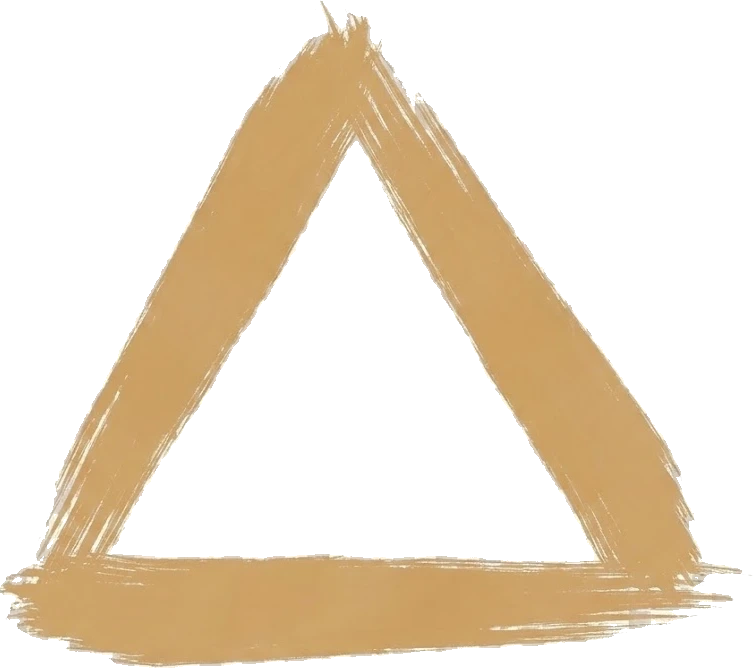
If the Moon (ruler of Cancer) is in a harmonious aspect ( trine, sextile) to Vulcan, the individual’s emotional and creative energies flow easily, they have a natural talent for turning their feelings into beautiful, functional creations, and they have strong support from their family and community for their work. If the Moon is in a hard aspect ( square, opposition) to Vulcan, the individual may struggle with emotional overwhelm that interferes with their creative work, feeling like their need to nurture others conflicts with their need to work on their own projects, and may need to work hard to balance their emotional and creative needs.
 trine,
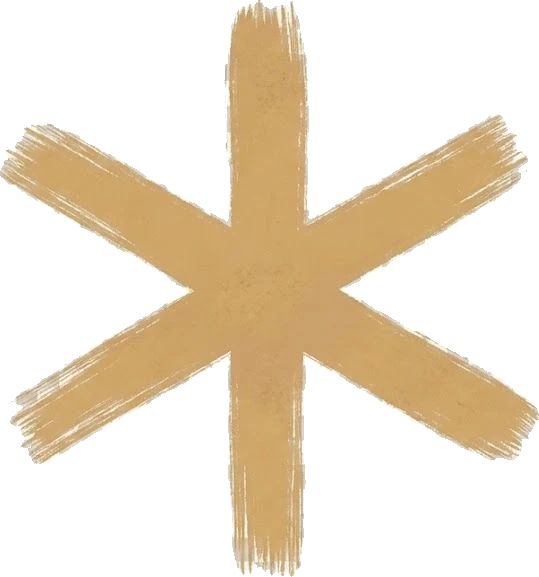 sextile) to Vulcan, the individual’s emotional and creative energies flow easily, they have a natural talent for turning their feelings into beautiful, functional creations, and they have strong support from their family and community for their work. If the Moon is in a hard aspect (
 square,
 opposition) to Vulcan, the individual may struggle with emotional overwhelm that interferes with their creative work, feeling like their need to nurture others conflicts with their need to work on their own projects, and may need to work hard to balance their emotional and creative needs.
Differences Between the Male and Female Chart
The Male Chart
For men with this placement, societal expectations of masculinity often clash with the combination of Vulcan’s craft energy and Cancer’s nurturing energy. Many men are taught they should prioritize public achievement, career success, and stoicism over nurturing, home-building, or emotional expression. As a result, men with this placement may hide their love of cooking, sewing, home renovation, or other “nurturing” crafts, even though these activities bring them deep fulfillment. They often express their love for their family through practical acts of service: building a deck for their partner, fixing their children’s toys, renovating their home, cooking their favorite meals, rather than through verbal expressions of affection.
They may struggle to express their emotions openly, as they are often taught that men should be strong and stoic, so they may bottle up their feelings until they manifest as psychosomatic illness or explosive anger. They may feel strong pressure to be the provider for their family, to build a safe, secure home for their loved ones, and may overwork themselves to meet this expectation, neglecting their own emotional and physical needs in the process. They may also struggle with asking for help when overwhelmed, as their identity is tied to being able to build and fix things for others, so they may see asking for help as a sign of weakness. The key growth area for men with this placement is learning to embrace their nurturing side, express their emotions openly, and ask for support when needed without feeling like they are failing as a man.
The Female Chart
For women with this placement, societal expectations of femininity often clash with Vulcan’s craft energy, which is frequently associated with “masculine” activities like woodworking, construction, or metalworking. Many women are taught they should prioritize nurturing, caretaking, and domestic work, but not building or creating tangible, structural things. As a result, women with this placement may hide their love of building, woodworking, or construction, even though these activities bring them deep fulfillment.
They are often drawn to careers that combine their craft skills with their nurturing energy, such as interior design, home renovation, teaching, therapy, or community organizing, where they can use their practical skills to create safe, nurturing spaces for others. They may be especially talented at creating beautiful, functional homes for their families, and are known for their ability to make any space feel warm, welcoming, and safe. They may struggle with setting boundaries, as their identity is tied to nurturing others and building things for them, so they may take on too many projects for other people, neglect their own needs, and feel resentful when their work is unappreciated. They may also tie their self-worth to their ability to create a perfect, safe home for their family, so if their home is messy or their projects are not perfect, they may feel like they are failing as a woman or mother. The key growth area for women with this placement is learning to embrace their craft skills, set clear boundaries around their time and energy, and recognize that their worth is not tied to their ability to build a perfect home or take care of everyone else’s needs.
Psychological Portrait
Character
Individuals with this placement are quiet, steady, practical, patient, persistent, nurturing, protective, and deeply reliable. They are not flashy or outgoing, but they are the person everyone goes to when they need something built, fixed, or a safe space to be in. They are deeply loyal to the people they care about, and will go to great lengths to build a safe, nurturing environment for their family, friends, and community. They are detail-oriented, focused on tangible results, and have a natural talent for seeing how different parts fit together to make a whole, whether that is building a piece of furniture, designing a community program, or helping someone rebuild their emotional life. They are not motivated by fame or fortune, but by the satisfaction of creating something useful and lasting that helps others feel safe and cared for.
Motivation
Their core motivation is to create tangible, lasting security for themselves and others. They are driven by a deep need to feel safe, and to make sure the people they love feel safe too. They believe the best way to create safety is to build, repair, and nurture tangible things: a safe home, a functional community space, a repaired relationship, a healed emotional wound. They are motivated by the process of creation itself: the feel of raw material in their hands, the satisfaction of turning a rough piece of wood into a beautiful, functional piece of furniture, the joy of seeing someone feel safe and comfortable in a space they built. They are also motivated by memory and personal history (from Cancer): they may build things to honor their past, to recreate the safe, nurturing spaces they experienced in childhood, or to create better spaces for the next generation.
Fears
Their core fear is of being unable to provide safety and security for themselves and their loved ones. They fear being powerless, of being unable to fix things when they break, of being forced to rely on others for their basic needs. They also fear being seen as useless or unskilled, as their entire identity is tied to their ability to create and build things. They may also fear emotional overwhelm, as Cancer’s emotional sensitivity can be intense, and they may not have the tools to process their feelings without turning to their craft as a coping mechanism. They may also fear change, as change threatens the safe, structured spaces they have built for themselves and others, and they may resist even positive change because it feels risky and uncertain.
Self-Esteem
Their self-esteem is tied directly to their ability to create and build things. When they are working on a project, when they are able to fix something for someone, when they see someone they love feeling safe and comfortable in a space they created, their self-esteem is very high. When they are unable to work, when their projects fail, when they are unable to provide safety for their loved ones, their self-esteem plummets. They may also tie their self-esteem to how others perceive their creations: if someone criticizes their work, they may take it as a personal rejection, as their work is a manifestation of who they are. Learning to separate their self-worth from their creative output is a key part of their personal growth.
Style of Thinking and Attachment
Their thinking style is practical, concrete, detail-oriented, and focused on tangible results. They do not care about abstract theories or ideas that cannot be turned into something practical and useful. They think in terms of steps, processes, materials, and end results, and they are very good at problem-solving, as they can look at a broken thing or a chaotic situation and figure out step-by-step how to fix it or build it into something functional and safe.
They have a secure, nurturing attachment style, but may struggle with enmeshment, as they tie their identity to taking care of others and building things for them. They may have a tendency to overgive, to take on too much responsibility for other people’s emotional and physical safety, as they believe their job is to build and maintain safe spaces for others. They may also struggle with vulnerability, as they are used to being the one who builds and fixes things, so they may not know how to ask for help or let others take care of them.
Spheres of Life
Career
Individuals with this placement thrive in careers that allow them to build, repair, or create tangible, nurturing spaces for others. Ideal careers include carpentry, woodworking, metalworking, pottery, ceramics, sewing, quilting, cooking, baking, home renovation, interior design, therapy, social work, teaching, community organizing, non-profit management focused on housing or food security, construction, plumbing, electrical work, or any career that involves building, fixing, or creating safe, supportive environments for people. They thrive in roles where they can see the tangible results of their work, work at their own pace, and use their skills to help others. They may struggle in careers that are purely abstract, involve a lot of bureaucracy or red tape, or require constant self-promotion and flashy displays of achievement. They may also struggle in corporate environments that prioritize profit over people, as they care more about creating safe, nurturing spaces than about making money for a company. Many with this placement eventually start their own businesses, running a craft workshop, home renovation company, bakery, or non-profit, so they can have full control over their work and align it with their values.
Relationships
In romantic and family relationships, they show their love through practical acts of service: building a bookshelf for their partner’s collection, cooking their favorite meals, renovating their home together, creating a safe, welcoming space for their family to gather. They are loyal, reliable, and protective of their loved ones, and will go to great lengths to make sure their partner and family feel safe and cared for. They may struggle with expressing their emotions openly, so they may come off as distant or unemotional at first, but their actions show how much they care. They are attracted to partners who are practical, reliable, and who appreciate their craft skills, rather than partners who are flashy or focused on material status. They may struggle with partners who are overly emotional or demanding, as they prefer to show love through actions rather than words, and may not know how to handle a partner who needs constant verbal affirmation. They may also struggle with setting boundaries in relationships, as they want to build a perfect, safe space for their partner, so they may take on too much responsibility and neglect their own needs. They are best suited to partners who appreciate their quiet, steady love, are willing to help them with their projects, and respect their need for alone time to work on their craft.
Finances
They are naturally good with money, as they understand the value of tangible, lasting things, and are good at budgeting and planning for the future. They are not flashy spenders: they prefer to spend their money on materials for their craft, on renovating their home, or on things that provide long-term security for themselves and their family, rather than on temporary, flashy purchases like luxury goods or expensive vacations. They are good at saving money, as they are focused on building long-term security, rather than spending money on temporary pleasures. They may have a natural talent for investing in real estate, as they understand the value of building a safe, lasting home that provides both emotional and financial security. They may struggle with spending money on things that are not tangible or useful, and may also struggle with asking for higher pay for their work, as they are humble and prefer to let their work speak for itself, rather than self-promoting. They are most financially secure when they are working for themselves, running their own craft business, or working in a career where they are paid for the tangible results of their work, rather than for hours worked.
Health
Their psychosomatic tendencies are tied to the combination of Cancer’s emotional sensitivity and Vulcan’s focus on manual work and structure. They may be prone to digestive issues, stomach aches, or other gastrointestinal problems, as stress and emotional suppression (from Cancer) can manifest in the digestive system. They may also have tension, pain, or repetitive strain injuries in their hands, wrists, shoulders, and back, from overworking on craft projects or working through physical pain to finish a project. They may also hold tension in their jaw and chest, as they struggle to express their emotions openly, so emotional energy gets stuck in the body. They may be prone to anxiety and insomnia when they are unable to work on their craft or when they feel like they are not providing safety for their loved ones, as their identity is tied to their ability to create and build. They may also have a tendency to comfort eat when stressed (from Cancer’s emotional eating tendency), which can lead to weight gain or digestive issues. The key to their health is balancing their need to create and build with rest and self-care, finding healthy ways to express their emotions rather than bottling them up, and taking regular breaks from manual work to stretch and rest their bodies.
Challenges and Gifts
Shadow Sides
- Obsessive perfectionism: Because their identity is tied to their creative work, they may become obsessed with making everything perfect, leading to procrastination, burnout, and never finishing projects because they are never good enough. They may also hold others to impossible standards, expecting them to be as meticulous and hardworking as they are.
- Emotional suppression: They may struggle to express their emotions openly, as they are used to dealing with feelings by building or creating something, so they may bottle up their emotions until they explode, or manifest as psychosomatic illness like stomach aches, headaches, or chronic pain.
- Overgiving and lack of boundaries: They may take on too many projects for other people, as they feel like their job is to build safe spaces for everyone, so they neglect their own needs and their own projects, leading to burnout, resentment, and exhaustion. They may also feel guilty for saying no to requests for help, even when they are already overwhelmed.
- Stubbornness and resistance to change: Cancer values security and routine, and Vulcan values building lasting, structured things, so they may be very resistant to change, even when their old ways of building or creating are no longer working. They may cling to old projects, old relationships, or old routines even when they are causing them pain, as they are afraid of losing the security they have built.
- Self-worth tied to productivity: They may feel like they are only worthy of love and respect if they are constantly building, creating, or fixing things, so when they are unable to work (due to injury, illness, or burnout), they may feel like they are worthless or unlovable. They may also feel guilty for resting or taking time for themselves, as they feel like they should be spending all their time building and creating for others.
Bright Sides
- Exceptional craft and building skills: They have a natural, innate talent for working with their hands, for turning raw material into beautiful, functional, lasting things, and can master almost any craft or building skill with patience and practice. They have a natural eye for design, structure, and function, and their creations are both beautiful and useful.
- Natural ability to create safe, nurturing spaces: They have a unique talent for building and designing spaces that feel emotionally safe, welcoming, and nurturing, so people feel comfortable and cared for in their presence and in the spaces they create. They have a natural sense of what people need to feel safe and comfortable, and are able to turn that into tangible, functional designs.
- Unwavering reliability and loyalty: They are the person everyone can count on to show up, to fix what is broken, to build what is needed, and are fiercely loyal to the people they care about. They never let people down, and always follow through on their promises, making them a trusted friend, partner, and community member.
- Quiet, steady resilience: They have a deep, inner strength that comes from their ability to build and create, even in the midst of chaos or emotional overwhelm. When life falls apart, they do not panic — they start building, fixing, and creating a new safe space, and have the patience and persistence to see it through, no matter how long it takes or how many obstacles they face.
- Natural healing ability: They have a unique talent for helping people rebuild their lives after trauma, as they understand the need for safe, structured, nurturing spaces, and have the practical skills to help people create those spaces in their own lives. They may be drawn to healing professions, or may just be the person in their community who everyone goes to for practical advice and support when they are going through a hard time.
- Ability to turn trauma into beauty: Because they have a deep understanding of the need for safety and security, and the ability to shape raw, painful experience into something beautiful and useful, they may have a unique talent for turning their own trauma or the trauma of others into beautiful, functional creations that help people heal. For example, a survivor of domestic violence may build safe homes for other survivors, or a person who grew up in poverty may build affordable housing for low-income families.
Practical Recommendations
| Sphere | Advice | Astrological Tool |
|---|---|---|
| Career Development | Prioritize roles that let you build, repair, or create tangible, nurturing spaces for others, such as carpentry, interior design, therapy, or community housing work; avoid purely administrative or abstract roles that do not let you see the impact of your work. | Cultivate a harmonious aspect between your natal Vulcan and your Midheaven (MC) by volunteering for small craft or building projects in your community, which will attract career opportunities that align with your core skills. |
| Emotional Wellbeing | Create a regular routine of expressing your emotions through your craft: set aside 30 minutes each day to work on a small creative project that helps you process your feelings, rather than bottling them up. | Use the energy of the full Moon (which rules Cancer) to journal about your emotions before starting a craft project, to infuse your work with emotional clarity and prevent emotional buildup. |
| Relationship Health | Communicate your love through your craft, but set clear boundaries around your time: let your partner know that you need alone time to work on projects, but also schedule regular quality time where you are not focused on building or fixing things. | Track your relationship transits, particularly aspects from Venus or Mars to your natal Vulcan, to identify times when you may be overgiving or taking on too much responsibility for your partner’s needs. |
| Financial Planning | Prioritize saving for long-term, tangible assets such as a home, a workshop, or materials for your craft, rather than spending money on temporary, flashy purchases; avoid speculative investments that do not have a tangible, lasting value. | Align your financial planning with the energy of Saturn (which rules Vulcan’s structured, long-term energy) by setting up a separate savings account for long-term assets, and make regular, consistent contributions to it. |
| Physical Health | Take regular breaks from craft work to stretch your hands, wrists, and shoulders, and avoid pushing through physical pain to finish a project; schedule regular check-ups for your digestive system, as stress and emotional suppression can manifest as stomach issues. | Use the energy of the 6th house (health) by creating a daily routine that includes 10 minutes of stretching for your hands and wrists before and after craft work, and a 10-minute walk after meals to support digestive health. |
| Creative Practice | Allow yourself to work on small, imperfect projects without the pressure to make them perfect, to avoid burnout and procrastination; experiment with different materials and styles to keep your creative practice fresh and joyful, rather than turning it into a chore. | Work with the energy of the 5th house (creativity) by setting aside one day each week to work on a creative project that has no practical purpose, just for fun, to reconnect with the joy of creation rather than just the need to produce useful things. |
| Personal Growth | Practice asking for help when you are overwhelmed, rather than trying to build or fix everything yourself; recognize that your worth is not tied to your productivity, and that it is okay to rest and be vulnerable sometimes. | Meditate on the energy of the Moon (ruler of Cancer) each night, to connect with your emotional needs and remind yourself that you do not have to earn love or security through your creative work. |
 Saturn (which rules Vulcan’s structured, long-term energy) by setting up a separate savings account for long-term assets, and make regular, consistent contributions to it.
Conclusion
The path of integrating this aspect moves from the shadow expression of overwork, perfectionism, emotional suppression, and tying self-worth to productivity, to the highest expression of a steady, nurturing builder of safe spaces for self and community. The shadow side emerges when the individual feels they must constantly create and build to earn love and security, neglecting their own needs and isolating themselves in their work. Integration begins with learning to separate their identity from their creative output: recognizing they are worthy of love and security even when they are not producing anything tangible. They learn to express their emotions openly, set clear boundaries, ask for help without shame, and rest without guilt, balancing their need for structure and creation with vulnerability and connection. The highest expression of this placement is a quiet, steady force for good: a carpenter who builds affordable, warm homes for low-income families, a therapist who uses practical, structured exercises to help trauma survivors rebuild their lives, a community organizer who builds gardens and food banks that feed entire neighborhoods, or a homemaker who creates a safe, loving haven for their family and friends. They find deep fulfillment in the act of creation itself, knowing their work leaves a lasting, positive impact on the world, and recognize that the most important thing they ever build is a safe, loving space for themselves and the people they care about.
This article was prepared by the [Astrobot](https://astrobot.chat) editorial team — your personal astrological assistant. The material is based on classical and modern astrological sources.

 Pisces. It creates a lifelong inner tension between the desire for unapologetic personal autonomy and the quest for universal spiritual or philosophical meaning, often manifesting as a pull to explore marginalized, forbidden, or suppressed systems of belief. The individual has an innate gift for perceiving hidden truths behind established dogma, but risks falling into escapism, self-deception, or self-sabotage if they cannot ground their mystical insights in practical reality. The core path of integration is to embrace the exiled parts of the self as a source of liberating wisdom, rather than a source of shame, and to use their unique perspective to challenge oppressive systems with compassion and courage.