 Natal Planets & Points in Houses & Signs
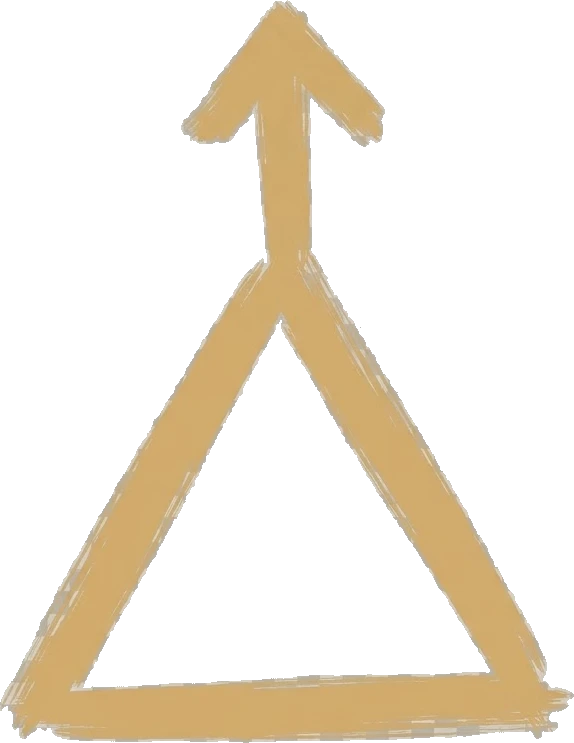 Vulcan
Introduction
This natal placement is one of the personality's key knots because it ties the most fundamental layer of the self — the 1st house core identity, personal agency, and physical presence — to two of the most powerful innate drives in the human psyche: the drive for mastery and self-transformation, and the drive for meaning, expansion, and truth-seeking. Unlike minor aspects that influence specific, narrow areas of life, this placement defines the individual's entire sense of self: they do not simply exist as passive recipients of circumstance, but are constantly in the active process of forging who they are, and every choice they make about their life path, relationships, and values is filtered through this core need to build, explore, and create meaning. It is a lifelong, unchanging structure of the personality, operating from the first breath to the last, shaping every experience and choice the individual makes.
The Nature of the Aspect
This configuration is a conjunction between Vulcan and the 1st house cusp (Ascendant), with a tight orb by virtue of house placement, meaning the functions of Vulcan and the core self are completely interwoven with no separation between the two. As a fast-moving inner planet, Vulcan manifests its energy early and easily, especially in Sagittarius, a fire sign aligned with its transformative, fiery nature, so the individual experiences the drive for mastery and self-forging as a natural, innate part of their identity from a young age, often gaining experience with craft, skill-building, and philosophical inquiry years before their peers. The conjunction is a fusion aspect, meaning the individual does not experience Vulcan energy as a separate, external force; it is the very core of who they are, as inseparable from their identity as their name or physical form. The primary tension of this placement comes from the mismatch between Sagittarius's mutable, expansive desire for rapid growth and new experiences, and Vulcan's need for deliberate, patient, structured crafting: the individual may often feel pulled between the urge to explore widely and the need to focus deeply on mastering a skill or building a stable identity. If the conjunction is applying ( moving towards the Ascendant at the time of birth), this tension is a lifelong compulsion, an inner demand to integrate these two drives, while if it is separating, the individual has already mastered this integration in past lives, and expresses this energy with ease and confidence, though they may still need to consciously avoid taking this mastery for granted.
 conjunction between
 Vulcan and the 1st house cusp (Ascendant), with a tight orb by virtue of house placement, meaning the functions of Vulcan and the core self are completely interwoven with no separation between the two. As a fast-moving inner planet,
 Sagittarius, a fire sign aligned with its transformative, fiery nature, so the individual experiences the drive for mastery and self-forging as a natural, innate part of their identity from a young age, often gaining experience with craft, skill-building, and philosophical inquiry years before their peers. The conjunction is a fusion aspect, meaning the individual does not experience Vulcan energy as a separate, external force; it is the very core of who they are, as inseparable from their identity as their name or physical form. The primary tension of this placement comes from the mismatch between
Symbolism and Mythology
Vulcan (Hephaestus in Greek tradition) is the divine smith, the god of the forge, fire, and craft, who shapes raw metal into divine weapons, tools, and works of art, despite being physically exiled from the Olympian court, working from the inner fire of volcanic mountains. He represents the power of deliberate transformation, the ability to take raw, unshaped material and turn it into something purposeful, beautiful, and lasting through patience, skill, and inner fire. Sagittarius is the archer, the centaur seeker who shoots arrows towards the horizon, representing the human drive for expansion, truth-seeking, higher learning, and exploration of the unknown, whether through physical travel, philosophical inquiry, or spiritual growth. The mythological meeting of these two archetypes is the image of the archer whose arrows are forged in the inner fire of the smith: every quest, every belief, every goal the archer pursues is shaped by the deliberate, intentional work of the forge. Culturally, this pairing echoes the tradition of the traveler-scholar, the artisan-explorer, who travels the world to gather knowledge and skills, then returns to forge that raw experience into wisdom, art, or useful tools for their community. It also reflects the archetype of the spiritual craftsman, who forges their own spiritual path through deliberate practice and exploration, rather than accepting pre-written dogma.
The Principles of the Planets in the Chart
Vulcan in the Chart
Vulcan governs the drive for mastery, the ability to transform raw energy and material into structured, purposeful forms, the inner fire of creation and refinement, and the capacity to work through obstacles by shaping them rather than fighting them. In this placement, Vulcan is not a separate, secondary function of the personality; it is fused with the core identity, meaning the individual experiences their sense of self as inherently tied to what they can build, master, and refine. They do not see themselves as passive recipients of life; they see themselves as active craftsmen of their own destiny, responsible for shaping their identity, their beliefs, and their legacy through deliberate effort. As a fast planet, this drive manifests early, with children with this placement often showing an unusual aptitude for building, crafting, or asking big philosophical questions from a young age.
The 1st House in the Chart
The 1st house governs the core identity, physical body, personal agency, first impressions, and the innate drive to assert oneself as a unique individual. It is the "mask" one presents to the world, the first impression one makes, and the foundation of all other personality functions. The presence of Vulcan here means that the individual's entire sense of self is filtered through the lens of craft and mastery: their physical presence often bears the marks of this work, whether through calluses, scars, a sturdy, crafted appearance, or a fiery, energetic aura that signals their constant drive to create and refine. They are often immediately recognizable as someone who is purposeful, capable, and always working on something, even when they are at rest.
The Combined Influence
The joint scenario of this placement is that the individual's life path is defined by the fusion of the seeker's quest and the smith's craft: they are driven to explore the world, gather knowledge, and learn new skills not just for the sake of experience, but to gather raw material to forge into a personal philosophy, a set of mastered skills, and a tangible legacy that reflects their core identity. They reject pre-made beliefs, pre-written life paths, and pre-determined identities, choosing instead to build their own through deliberate effort and exploration. Their personal agency is their greatest strength: they believe that they have the power to shape their own life, and they are willing to put in the work to do so, even in the face of obstacles or societal pressure to conform.
Expression in Sign and House
Vulcan in Sagittarius
Sagittarius is a mutable fire sign, ruled by Jupiter, associated with expansion, truth-seeking, exploration, higher learning, and idealism. The fire element aligns with Vulcan's transformative, fiery nature, so the Vulcan energy flows easily here, without the friction of an incompatible element, meaning the individual rarely struggles to access their drive for mastery and self-forging. The mutable modality means the individual's crafting process is adaptable, flexible, and open to change: they are willing to adjust their methods, their beliefs, and their skills as they gain new experiences, rather than being rigidly attached to a single way of doing things. The Sagittarian influence gives the individual's craft a big-picture, idealistic focus: they are not just crafting for personal gain, but to create something that serves a larger purpose, aligns with their highest ideals, and contributes to the greater good. They may be drawn to philosophical, spiritual, or educational crafts, such as writing, teaching, or creating art that explores big questions of meaning and truth. The dispositor of this placement is Jupiter, so the expression of Vulcan is shaped by Jupiter's condition in the chart: if Jupiter is strong and well-aspected, the individual's mastery and quest will be expansive, successful, and aligned with higher ideals; if Jupiter is weak or afflicted, the individual may struggle with overexpansion, excess, or difficulty turning their ideals into tangible form.
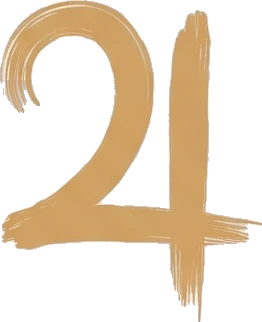 Jupiter, associated with expansion, truth-seeking, exploration, higher learning, and idealism. The fire element aligns with
Vulcan in the 1st House
The 1st house is the arena of personal identity, physical presence, personal agency, and first impressions. The placement of Vulcan here means that the forging energy is not hidden or internal; it is the first thing others notice about the individual. They may appear sturdy, capable, energetic, and purposeful, with an aura of someone who is always working on something, always building, always growing. Their physical body is often strong, resilient, and active, with a tendency towards movement and physical labor, as the forge fire is expressed through physical energy. They may have a distinctive personal style that reflects their forged identity, such as wearing clothing made by their own hands, carrying tools or symbols of their craft, or dressing in a way that reflects their cultural or philosophical explorations. They are often physically expressive, using gestures, movement, and tone of voice to convey their ideas and their identity, as their physical presence is a core part of their craft.
Combined Influence across Positions
The fusion of Vulcan in Sagittarius and the 1st house means that the individual's identity is defined by their quest for meaning and their mastery of craft: they are both the seeker and the smith, the explorer and the builder. Their raw material for forging their identity comes from diverse experiences: travel, higher education, cultural exchange, spiritual exploration, and hands-on skill-building. They may travel extensively in their early years to gather this raw material, then return to forge those experiences into a personal philosophy, a set of mastered skills, or a tangible legacy. Their physical presence and personal agency are the primary tools of their craft: they use their voice, their body, and their actions to shape their identity and influence the world around them, making their identity a living, evolving work of art rather than a fixed, static construct.
Differences Between the Male and Female Chart
The Male Chart
Societal norms often encourage men with this placement to externalize their Vulcan energy, expressing it through public, tangible achievements that align with Sagittarian ideals of expansion and leadership. They are often drawn to large-scale projects, such as building businesses, leading expeditions, writing influential philosophical works, or creating public art that reflects their quest for meaning. They may face societal pressure to prove their mastery through external markers of success, such as wealth, status, or public recognition, which can lead to overwork or a tendency to measure their self-worth by their achievements rather than the integrity of their craft. Their physical presence is often imposing, with a sturdy, athletic build that reflects their active, forging nature, and they may use physical activity, such as hiking, sports, or manual labor, as a way to channel their forge fire and refine their identity. Additionally, their love of exploration may lead them to take bold, sometimes reckless risks in pursuit of their quest, such as traveling to dangerous or remote regions, or investing in high-risk speculative ventures that align with their ideals.
The Female Chart
Societal norms often lead women with this placement to integrate their Vulcan energy with community and care work, expressing it through mastery of skills that serve others, such as teaching, healing, artisan work, or advocacy for social change. They are often drawn to crafts that combine their philosophical ideals with practical benefit, such as creating sustainable goods, teaching marginalized communities, or writing works that uplift underrepresented voices. They may face societal pressure to downplay their ambition or mastery in favor of traditional feminine roles, which requires them to consciously defend their right to pursue their own quest and forge their own identity, rather than adopting the identities prescribed by others. Their personal style and presence often reflect their forged identity, with a tendency to wear or carry symbols of their quest and craft, such as jewelry they made themselves, clothing from cultures they have explored, or accessories that reflect their philosophical beliefs. They may also form relationships with partners who support their exploration and mastery, rather than expecting them to prioritize domestic or caregiving roles above their own growth.
Psychological Portrait
Character
The individual with this placement is inherently enthusiastic, curious, and driven, with a deep need to build a personal identity that is both authentic and meaningful. They are natural learners, always seeking out new skills, new knowledge, and new experiences to add to their raw material for self-forging. They are honest, direct, and often blunt, with little patience for pretense, unexamined beliefs, or people who refuse to put in the work to forge their own lives. They are independent, self-reliant, and confident in their ability to shape their own destiny, but also open to new experiences and perspectives, as they see every new experience as an opportunity to add to their craft. They are often charismatic and energetic, with a warm, inviting aura that draws others to them, as their authenticity and passion are contagious.
Motivation
Their core motivation is to become a master of their own life, to turn their abstract ideals and desires into tangible, lasting forms that reflect their true self. They are motivated by the pursuit of truth, the joy of learning, the satisfaction of creating something of value, and the desire to leave a lasting legacy that aligns with their highest ideals. They are not motivated by external markers of success, such as wealth or status, unless those markers serve their larger quest for meaning and mastery. They are driven by an inner fire that cannot be extinguished by external criticism or failure, as every setback is seen as raw material for their craft.
Fears
Their deepest fear is being trapped in a pre-determined identity, of living a life that is not of their own making, of being forced to adopt beliefs or roles that do not align with their forged self. They also fear stagnation, of being unable to continue learning and growing, of their craft becoming routine or meaningless, and of losing their autonomy and ability to shape their own life. They may also fear being misunderstood, of others not seeing the depth and intentionality of their crafted identity, and being reduced to a superficial stereotype.
Self-Esteem
Their self-esteem is tied directly to their ability to master skills, achieve their goals, and live in alignment with their personal philosophy. They feel most confident when they are actively working on a project, learning something new, or exploring a new place, and feel insecure when they are stuck, unable to make progress, or forced to act in a way that contradicts their values. They do not seek validation from others, as their sense of self-worth comes from the integrity of their own craft and the authenticity of their identity. They may struggle with self-doubt when they are not actively creating or learning, as their sense of self is tied to their ongoing process of forging.
Style of Thinking
They think in big-picture terms, always connecting individual experiences to larger philosophical or ideological frameworks. They are logical, analytical, and detail-oriented when it serves their larger goals, but they are also deeply intuitive, able to see the underlying structure of things and how they can be shaped and improved. They are not interested in small, trivial details unless they serve a larger purpose, and they often become frustrated with people who get bogged down in minutiae and lose sight of the bigger picture. They are natural problem-solvers, able to see obstacles as opportunities to refine their craft, rather than as insurmountable barriers.
Attachment
They form attachments to ideas, projects, and people who support their quest and their craft. They are loyal to those who share their ideals, but have little patience for people who are close-minded, lazy, or unwilling to put in the work to forge their own lives. They often form long-distance relationships, or relationships with people from different cultures, as these align with their love of exploration and diversity. They are not clingy or possessive in relationships, as they value their own autonomy and the autonomy of their partners, and they see relationships as a partnership of two people forging their own paths together, rather than a merging of identities.
Spheres of Life
Career
This placement is ideal for careers that combine exploration, mastery, and the creation of something meaningful: common paths include teaching, academia, writing, philosophy, exploration, artisan crafts, entrepreneurship, leadership in non-profit or advocacy organizations, and careers in travel, publishing, or media. They thrive in roles that allow them to travel, learn new skills, and build something tangible that reflects their personal values. They struggle with routine, mundane jobs that do not allow for growth or creativity, and may change careers multiple times as they gather new experiences and refine their craft. They are often drawn to fields that involve working with fire, metal, or physical materials, or to fields that involve spreading ideas and inspiring others to pursue their own quests. If their dispositor Jupiter is strong and well-aspected in their chart, they are likely to achieve public recognition and success in their chosen field, as their mastery and authenticity resonate with others.
Relationships
In relationships, they seek partners who share their love of learning, exploration, and personal growth. They are attracted to people who are independent, have their own passions and crafts, and are willing to join them on their quest for meaning, rather than expecting them to settle down and abandon their exploration. They may have a tendency to idealize partners early in relationships, seeing them as part of their larger quest for truth, but they learn over time to see their partners as separate individuals with their own paths to forge. They are honest and direct in communication, but may be blunt to the point of hurting others' feelings, as they have little patience for emotional games or pretense. They may meet partners while traveling, or have long-distance relationships, as they value their autonomy and their need to explore, and they are often attracted to partners from different cultural or philosophical backgrounds.
Finances
Their approach to finances is tied to their love of exploration and desire for freedom: they are often willing to take calculated risks to fund their travels, education, or craft, but may be careless with money if they see it as a means to an end rather than an end in itself. They are often good at generating income through teaching, writing, selling the products of their craft, or speculative ventures that align with their ideals, but may struggle with saving money, as they prefer to spend it on experiences, learning, and travel. They are generous, often giving money to causes that align with their philosophical beliefs, and may struggle with debt if they overextend themselves in pursuit of their quest. They are most financially secure when they align their income streams with their craft and their ideals, rather than taking jobs solely for financial gain.
Health (Psychosomatic Tendencies)
Their health is closely tied to their energy levels and their ability to act on their quest: they are generally energetic, resilient, and have strong immune systems, but may suffer from health issues related to overexertion, burnout, or stagnation. Psychosomatic tendencies, aligned with Sagittarius's anatomical associations, include issues with the hips, thighs, liver, blood, and nervous system, such as hip pain, liver inflammation, sciatica, or anxiety and restlessness. They may also be prone to accidents related to travel, such as car crashes or injuries while hiking, if they act recklessly in pursuit of their quest. Overindulgence in food, drink, or physical activity, a common shadow expression of Sagittarian excess, can also lead to health issues over time. They thrive when they have a regular routine of physical activity that aligns with their love of exploration, such as hiking, dancing, or martial arts, which channels their forge fire productively and prevents restlessness.
Challenges and Gifts
Shadow Sides
1) Restlessness and inability to commit: Their love of expansion and new experiences can lead them to constantly jump from one project, one relationship, one location to another, never staying long enough to fully master a skill, build a stable relationship, or forge a consistent identity. They may leave a trail of unfinished projects and broken commitments, and struggle to build long-term stability, as they are always chasing the next new experience.
2) Dogmatism and self-righteousness: Because they have forged their own beliefs through deliberate effort and experience, they may become convinced that their beliefs are the only correct ones, and may look down on people who have not done the same work, or who hold different beliefs. They may become preachy, judgmental, and unwilling to consider other perspectives, turning their quest for truth into a quest to convert others to their way of thinking, which can alienate friends, family, and partners.
3) Impatience and recklessness: The Sagittarian desire for rapid expansion often clashes with the Vulcan need for deliberate, patient crafting, leading them to take unnecessary risks, rush through projects, or skip important steps in their mastery of a skill. They may take physical risks while traveling, invest in high-risk ventures without proper planning, or rush into relationships or commitments without fully thinking them through, leading to avoidable mistakes and losses.
4) Overidentification with their craft: Their sense of self is so tied to what they build and achieve that they may neglect their personal relationships, their health, or their own emotional needs in pursuit of their goals. They may become workaholics, sacrificing their well-being for the sake of their craft, and may feel lost or worthless if they are unable to work or create for any reason, such as injury or illness.
Bright Sides
1) Exceptional mastery and skill: Their drive to forge their identity through deliberate practice means they often become highly skilled in their chosen fields, with a depth of knowledge and ability that surpasses people who have not put in the same intentional work. They are often masters of multiple crafts, as their love of exploration leads them to learn a wide range of skills, from practical trades to philosophical and artistic pursuits.
2) Inspirational leadership: Their combination of personal authenticity, philosophical depth, and tangible skill makes them natural leaders, able to inspire others to pursue their own quests and forge their own identities. They are often charismatic teachers, mentors, and advocates, able to communicate their ideals in a way that is both compelling and practical, and they have a gift for helping others see their own potential for mastery and growth.
3) Resilience and adaptability: Their experience of constantly forging and refining their identity means they are highly resilient in the face of change and adversity. They are able to adapt to new situations, learn new skills quickly, and turn obstacles into opportunities for growth, as they see every challenge as raw material for their craft. They are not afraid of change or uncertainty, as they see these as part of the forging process, and they are able to bounce back from setbacks faster than most people.
4) Authenticity and integrity: Because they have built their identity through deliberate effort and experience, they are deeply authentic, with a strong sense of integrity that is rare in others. They are honest, direct, and reliable, as they practice what they preach, and their actions always align with their beliefs. They are trusted by others for their authenticity, and their word is their bond, making them valued friends, partners, and colleagues.
Practical Recommendations
| Sphere | Advice | Astrological Tool |
|---|---|---|
| Identity and Self-Expression | Regularly reflect on your core values and beliefs to ensure they are forged by your own experience, not adopted from others. Keep a journal of your quests and mastered skills to track your personal growth and avoid unexamined dogma. | Journaling during lunar cycles in Sagittarius, or when transiting Jupiter forms a trine or sextile to your natal Vulcan or 1st house cusp. |
| Career and Mastery | Choose careers that allow for both exploration and deliberate skill-building, and avoid routine jobs that stifle your growth. Set long-term goals for your craft, but allow space for spontaneous exploration to add new raw material to your work. | Elect a career start or project launch when transiting Jupiter is in a harmonious aspect to your natal Vulcan, or when the Moon is in Sagittarius for energetic support. |
| Relationships | Seek partners who share your love of learning and exploration, and communicate your need for space and autonomy openly. Avoid idealizing partners as part of your quest, and instead see them as separate individuals with their own crafts to forge. | Use synastry charts to identify partners whose natal Jupiter or Sun forms a harmonious aspect to your Vulcan, indicating shared values and mutual support for growth. |
| Finances | Allocate a portion of your income specifically for travel, learning, and skill-building, as these are the raw materials for your identity. Avoid impulsive spending on speculative ventures unless you have carefully forged a long-term plan for their success. | Create a financial plan during the new moon in Capricorn, the sign of structure and long-term planning, to align your finances with your long-term quest. |
| Health | Balance your high energy levels with regular rest and relaxation, as overexertion can lead to burnout and health issues related to the hips, liver, and nervous system. Engage in physical activities that combine movement and purpose, such as hiking, martial arts, or dance, to channel your forge fire productively. | Practice grounding yoga or meditation when transiting Saturn forms a harmonious aspect to your natal Vulcan, to build discipline and avoid overextending yourself. |
| Personal Growth | Consciously work to avoid dogmatism by regularly exposing yourself to new perspectives and challenging your own beliefs. Remember that your forged identity is a work in progress, not a finished product, and allow yourself to revise and refine your beliefs as you gain new experiences. | Study philosophy or spirituality from diverse traditions when transiting Mercury is in Sagittarius, to expand your perspective and avoid self-righteousness. |
| Creative Expression | Use your crafting skills to create tangible works that reflect your personal philosophy, such as writing, art, or handmade objects. Share your work with others to inspire them to forge their own identities, as your authenticity is a gift to the world. | Start creative projects during the waxing moon in Sagittarius, to align your creative energy with your quest for meaning and mastery. |
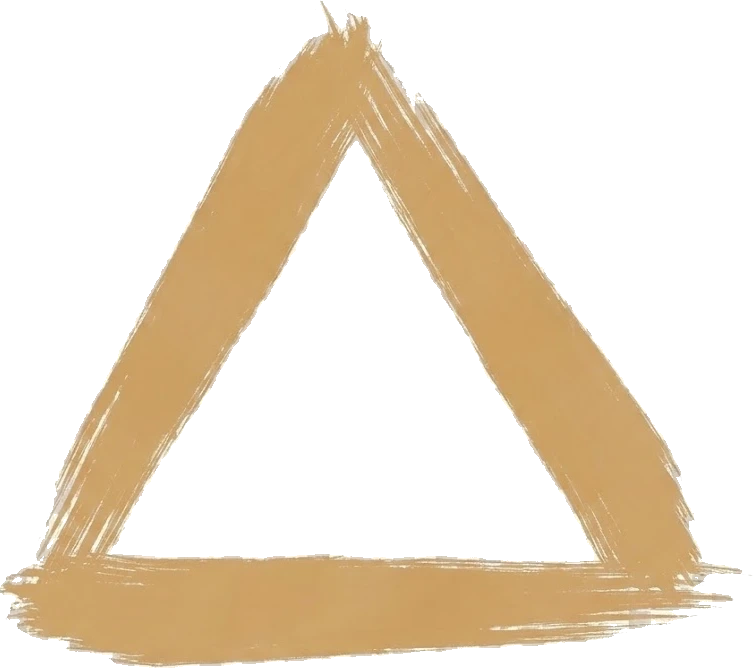 trine or
 sextile to your natal
 Sun forms a harmonious aspect to your
 Capricorn, the sign of structure and long-term planning, to align your finances with your long-term quest.
 Saturn forms a harmonious aspect to your natal
 Mercury is in
Conclusion
The path of integrating this aspect is to move from the shadow of restlessness, dogmatism, and overidentification with achievement, to the highest expression of the inner smith who forges a life of meaning, authenticity, and service to others. The individual learns to balance the Sagittarian desire for expansion with the Vulcan need for deliberate, patient work, to turn their quest for truth into a craft that not only shapes their own identity, but also inspires and supports others in forging their own paths. The highest expression of this placement is the wise teacher, the master artisan, the explorer who brings back knowledge and skills to share with their community, who lives a life that is both expansive and deeply rooted in their own forged values. They become a living example of the power of deliberate self-creation, showing others that identity is not something we are given, but something we forge through our own effort, our own quest, and our own commitment to mastery.
This article was prepared by the [Astrobot](https://astrobot.chat) editorial team — your personal astrological assistant. The material is based on classical and modern astrological sources.

 Pisces. It creates a lifelong inner tension between the desire for unapologetic personal autonomy and the quest for universal spiritual or philosophical meaning, often manifesting as a pull to explore marginalized, forbidden, or suppressed systems of belief. The individual has an innate gift for perceiving hidden truths behind established dogma, but risks falling into escapism, self-deception, or self-sabotage if they cannot ground their mystical insights in practical reality. The core path of integration is to embrace the exiled parts of the self as a source of liberating wisdom, rather than a source of shame, and to use their unique perspective to challenge oppressive systems with compassion and courage.