 Planet Overview
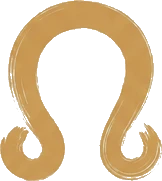 North Node
Introduction
The North Node () is one of the most profound karmic points in the natal chart, marking the soul’s evolutionary direction, unmet needs, and the life lessons the individual is here to master in this lifetime. Unlike planets, which represent active functions of the personality, the North Node is a fixed point of growth, a quiet, persistent pull toward experiences that feel both unfamiliar and deeply necessary. When the North Node falls in Cancer, the sign of the Crab, this growth mandate centers on emotional security, familial connection, intuitive nourishment, and the creation of safe, nurturing spaces—both literal homes and emotional sanctuaries for oneself and others. This placement is one of the chart’s most tender, enduring knots, as it asks the individual to trade the familiar, overlearned Capricornian drive for public achievement and emotional stoicism (the South Node’s domain) for the softer, often undervalued work of tending to the heart, the home, and the lineage. It is a lifelong curriculum of learning that safety and care are not weaknesses, but the very scaffolding of a meaningful, fulfilled life.
The Nature of the Aspect
As a sensitive point rather than a physical planet, the North Node does not form traditional aspects with other points in the chart, but its placement in Cancer creates a fixed, inherent tension with its opposite point, the South Node () in Capricorn, which lies exactly 180 degrees away. This opposition is not a harsh, disruptive square, but a gentle, persistent push-pull between two core parts of the self: the part that knows how to climb ladders, earn status, and suppress emotion to succeed (the South Node in Capricorn), and the part that longs for a safe home, close family bonds, and the freedom to feel and express emotion (the North Node in Cancer). There is no traditional orb for the North Node, but its influence is sharpest when it falls in a cardinal sign like Cancer, which amplifies its call to action: the individual will feel this pull toward Cancerian growth from childhood, even if they do not understand it at first. Unlike applying planetary aspects, which grow stronger over time, the North Node’s directive is fixed from birth: the soul has chosen this direction before incarnating, and the tension between the two nodes is a lifelong companion, a quiet reminder of what is being asked of them.
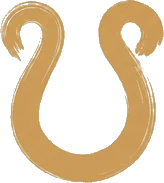 ) in Capricorn, which lies exactly 180 degrees away. This opposition is not a harsh, disruptive square, but a gentle, persistent push-pull between two core parts of the self: the part that knows how to climb ladders, earn status, and suppress emotion to succeed (the South Node in Capricorn), and the part that longs for a safe home, close family bonds, and the freedom to feel and express emotion (the North Node in Cancer). There is no traditional orb for the North Node, but its influence is sharpest when it falls in a cardinal sign like Cancer, which amplifies its call to action: the individual will feel this pull toward Cancerian growth from childhood, even if they do not understand it at first. Unlike applying planetary aspects, which grow stronger over time, the North Node’s directive is fixed from birth: the soul has chosen this direction before incarnating, and the tension between the two nodes is a lifelong companion, a quiet reminder of what is being asked of them.
Symbolism and Mythology
The archetype of Cancer is ruled by the Moon (), the planet of emotions, memory, the maternal, and the rhythms of the body and the natural world. In classical mythology, Cancer is the small, unassuming crab sent by the goddess Hera to distract the hero Heracles during his second labor, fighting the Hydra. The crab did not defeat Heracles, but it latched onto his foot and refused to let go, a small but persistent force of protection and disruption. The North Node, in Vedic astrological tradition, is the head of the dragon Rahu, a point of unquenchable desire for enlightenment and fulfillment, a drive to move toward the unknown even when it is frightening. In Western tradition, it is the point of the soul’s forward growth, the direction we are meant to walk even when it feels unfamiliar or unsafe. The meeting of these two symbols is a powerful, tender image: a soul that has spent lifetimes building hard, external structures, earning status, and suppressing emotion to survive (the Capricorn South Node) now being called to retreat into the soft, protective shell of the Crab to nourish its emotional core, care for its lineage, and build a home that feels like a sanctuary rather than a trophy. The mythological image is of a seasoned warrior laying down their armor to hold a crying child, or tend a garden, or sit with a grieving loved one—acts that feel alien and even shameful at first, but are the soul’s true work in this lifetime. The crab’s sideways movement is also a key symbol: growth with this placement does not happen in a straight line of achievement, but in small, protective, intuitive steps, moving side to side as needed to protect what matters most.
 ), the planet of emotions, memory, the maternal, and the rhythms of the body and the natural world. In classical mythology, Cancer is the small, unassuming crab sent by the goddess Hera to distract the hero Heracles during his second labor, fighting the Hydra. The crab did not defeat Heracles, but it latched onto his foot and refused to let go, a small but persistent force of protection and disruption. The North Node, in Vedic astrological tradition, is the head of the dragon Rahu, a point of unquenchable desire for enlightenment and fulfillment, a drive to move toward the unknown even when it is frightening. In Western tradition, it is the point of the soul’s forward growth, the direction we are meant to walk even when it feels unfamiliar or unsafe. The meeting of these two symbols is a powerful, tender image: a soul that has spent lifetimes building hard, external structures, earning status, and suppressing emotion to survive (the Capricorn South Node) now being called to retreat into the soft, protective shell of the Crab to nourish its emotional core, care for its lineage, and build a home that feels like a sanctuary rather than a trophy. The mythological image is of a seasoned warrior laying down their armor to hold a crying child, or tend a garden, or sit with a grieving loved one—acts that feel alien and even shameful at first, but are the soul’s true work in this lifetime. The crab’s sideways movement is also a key symbol: growth with this placement does not happen in a straight line of achievement, but in small, protective, intuitive steps, moving side to side as needed to protect what matters most.
The Principles of the Planets in the Chart
North Node () in the Chart
The North Node is not a planet, but a sensitive karmic point representing the soul’s evolutionary mandate, the unmet needs, and the growth direction the individual is here to pursue. It operates as a quiet, persistent pull, a sense of deep fulfillment when aligned, and restlessness, dissatisfaction, or a feeling of "something missing" when ignored. Unlike planetary functions, which can be expressed in a range of ways, the North Node’s directive is fixed: the individual is here to master the energies of the sign it occupies, and integrate them into their identity and life choices. For the North Node in Cancer, this means the core of the soul’s work is tied to emotional security, nurturing, domestic life, and connection to lineage and community.
Cancer as the Sign of the North Node
Cancer is a cardinal water sign, ruled by the Moon (), focused on the emotional body, the inner child, familial bonds, domestic safety, intuition, and protective care. It is the sign of the home, both the literal physical home and the emotional sense of belonging, and it values memory, tradition, and the quiet, uncelebrated work of caring for others. As the sign of the North Node, Cancer’s energies are the very framework of the soul’s growth: the individual is here to learn to honor their own emotional needs, build safe spaces for themselves and others, and connect with the wisdom of their ancestors and inner child.
The Combined Influence
This pairing makes the individual’s core life purpose inextricably tied to nurturing and protection. The soul is here to learn that care is not a secondary task to be completed after achieving professional or public success, but the primary work of a lifetime. The individual will feel a deep, unshakable need to belong, to create a safe home, and to care for others, even if their upbringing, past lives, or societal conditioning have taught them to prioritize status, discipline, and emotional stoicism. The tension with the South Node in Capricorn means they will often feel torn between the familiar pull of achievement and the unfamiliar, necessary pull of emotional connection, and their life’s work is to learn to integrate both, rather than choosing one over the other.
Expression in Sign and House
Expression in Cancer (the Sign)
Since the North Node falls in its own sign’s thematic domain here, the Cancerian mandate is un diluted and amplified: the call to emotional nourishment, domestic security, and familial care is the core of the individual’s life path. There is no sign modifier to soften or shift this directive, so the individual will feel this pull from a very young age, even if they cannot name it. They may have a natural, instinctive talent for caregiving, home-making, and intuitive reading of others’ emotional needs, but may also feel pressured to suppress these talents in favor of more "practical" Capricornian skills. The elemental nature of Cancer as a water sign means this growth is felt emotionally and intuitively, rather than logically: the individual will know they are on the right path when they feel safe, emotionally fulfilled, and connected to their loved ones, rather than when they have achieved a public milestone.
Expression Across Houses
The house placement of the North Node in Cancer tells us the specific arena of life where this growth will play out most directly:
- If the North Node falls in the 4th house (the house of home, family, and ancestral lineage), the individual’s core growth is tied to building a safe, nurturing home life, healing family wounds, and connecting with their ancestral roots. They may spend much of their life creating a home that feels like a sanctuary for themselves and their loved ones, and may feel called to heal intergenerational trauma in their family.
- If the North Node falls in the 10th house (the house of career and public reputation), the individual’s growth is tied to bringing Cancerian values of care and nurturing into their public life. They may thrive in careers focused on family support, childcare, healthcare, or community leadership, and may build a public reputation as a protector or nurturer, rather than a ruthless achiever.
- If the North Node falls in the 7th house (the house of partnerships and close relationships), the individual’s growth is tied to building secure, emotionally intimate partnerships, and learning to balance their own need for security with their partner’s needs. They may attract partners who are emotionally distant at first, as a way to learn to communicate their own needs and build vulnerability in relationships.
- If the North Node falls in the 1st house (the house of identity and self), the individual’s very identity is tied to being a nurturer and protector. They may be seen by others as a "safe person" to turn to in times of crisis, and their life’s work is to build a life that reflects their caring nature, rather than conforming to societal expectations of achievement.
Combined Influence Across Positions
The tighter the North Node is to the South Node (which is always in Capricorn, the opposite sign), the more intense the push-pull between the two directions. If the North Node is conjunct a personal planet (, , , , ), that planet’s function is directly tied to the soul’s growth: for example, North Node conjunct the Moon () in Cancer (the Moon’s domicile) makes emotional nourishment the absolute core of the individual’s life purpose, with an almost psychic ability to care for others, but also a need to learn to set boundaries to avoid being drained by others’ emotions. If the North Node is in a cadent house (3rd, 6th, 9th, 12th), the growth will be more internal, focused on emotional healing and intuitive development, while if it is in an angular house (1st, 4th, 7th, 10th), the growth will be more external, focused on building a life and reputation that reflects Cancerian values.
 ,
 ,
 ,
 ), that planet’s function is directly tied to the soul’s growth: for example, North Node conjunct the Moon (
Differences Between the Male and Female Chart
The Male Chart
Societal conditioning often teaches men to prioritize Capricornian values of achievement, status, and emotional stoicism, framing caregiving and domesticity as "unmanly" or secondary to professional success. For men with the North Node in Cancer, this often manifests as a quiet, persistent dissatisfaction with career success alone, a deep longing for a stable, loving home life that they may have been taught to suppress or hide. They may struggle to express vulnerability, viewing care work as a burden rather than a source of fulfillment, so their growth path involves learning to honor their own emotional needs and take on domestic and caregiving roles without shame. They are often drawn to careers that allow them to protect and nurture others in structured, practical ways, such as teaching, construction (building safe homes for families), healthcare, or community leadership focused on family support, and find deep fulfillment when they prioritize creating safe spaces for their loved ones over climbing the corporate ladder. Their shadow side may manifest as workaholism, emotional suppression, or using status symbols (expensive cars, large homes) to compensate for a lack of emotional security, so their growth requires learning to slow down, connect with their inner child, and build a home that feels like a sanctuary rather than a trophy.
The Female Chart
Societal conditioning often encourages women to prioritize Cancerian care and domesticity, framing caregiving as their natural role, and often discouraging them from pursuing Capricornian ambition or financial independence. For women with the North Node in Cancer, this often manifests as a need to move beyond the role of the perpetual caregiver for others, and learn to build a safe, secure home and emotional life for themselves first, rather than only for their family or partner. They may have a strong talent for Capricornian achievement (from the South Node) that they feel guilty about using, so their growth path involves learning that pursuing their own goals and building financial security is not a betrayal of their nurturing nature, but a way to create a more stable, safe life for themselves and their loved ones. They are often deeply connected to ancestral wisdom, maternal lineage, and intuitive healing, and may find their life’s work in roles that blend care and structure, such as social work, therapy, education, or leadership in community organizations focused on family support. Their shadow side may manifest as over-giving, neglecting their own needs to care for others, or using domestic perfectionism as a way to avoid addressing their own emotional wounds, so their growth requires learning to set boundaries, prioritize their own security, and accept that they do not have to earn love through caregiving.
Psychological Portrait
Character
Individuals with the North Node in Cancer are deeply empathetic, highly intuitive, and fiercely protective of their loved ones. They have a natural instinct for what others need to feel safe and seen, and often act as the "home base" for their friend and family group, the person people turn to when they need comfort, a listening ear, or a warm meal. They are often quiet, unassuming, and avoid the spotlight, preferring to work behind the scenes to support others, but they have a quiet strength and resilience that allows them to weather emotional storms that would overwhelm others. They are deeply connected to memory and tradition, and often have a rich inner world filled with memories of childhood, family gatherings, and small, meaningful moments.
Motivation
Their core drive is to create a world where everyone has a safe place to land, where vulnerability is honored, and where care is valued as much as achievement. They are motivated by a deep need to belong, and to help others feel like they belong too. They are not motivated by public fame or wealth, but by the quiet joy of seeing their loved ones happy, safe, and cared for. They will often go to great lengths to create a warm, welcoming home, and feel most fulfilled when they are able to support others through difficult times.
Fears
Their deepest, most persistent fear is abandonment, of being left without a safe home or a loving community, of being forced to be emotionally self-sufficient when they are hurting. They also fear being seen as weak, overly emotional, or "needy," especially if they have a strong Capricorn South Node influence that has taught them to suppress their emotions to succeed. They may fear that if they show their vulnerability, they will be rejected or taken advantage of, so they may put up a hard outer shell (like the crab) to protect their soft inner core.
Self-Esteem
Their self-worth is deeply tied to their ability to create safe, nurturing spaces for others, but they may struggle with self-worth if they feel they are not "achieving" enough by Capricorn societal standards. They may feel like they are "not doing enough" if they are not climbing the corporate ladder or earning a high income, even if they are creating a loving, stable home for their family. Their self-esteem grows when they learn to value their own emotional needs and the work of caring for others as equally important as professional achievement.
Style of Thinking
They think in patterns, memories, and emotional cues, rather than linear, logical steps. They are excellent at reading between the lines, picking up on unspoken needs, and remembering small, seemingly insignificant details that make others feel seen and cared for. They are not typically drawn to abstract, theoretical thinking, but prefer practical, tangible ways to care for others: cooking a meal, fixing a broken item in the home, or sitting with a friend who is grieving. They are highly intuitive, and often "know" things without being able to explain how they know them, as they are deeply connected to their subconscious and ancestral wisdom.
Attachment
They have a secure, protective attachment style when they feel safe, but can become clingy or withdrawn if they feel their emotional security is threatened. They value long-term, loyal relationships built on trust, mutual care, and shared domestic life, rather than casual connections or short-term flings. They are deeply committed to their loved ones, and will go to great lengths to protect and support them, but they need to learn to communicate their own needs and set boundaries, rather than only focusing on the needs of others.
Spheres of Life
Career
Individuals with the North Node in Cancer thrive in careers that allow them to nurture, protect, or care for others, or that involve creating safe, comfortable spaces for people. Ideal career paths include teaching, nursing, social work, therapy, interior design, residential real estate, culinary arts, childcare, community organizing, or any role that involves supporting families or vulnerable populations. They may struggle in high-pressure, cutthroat corporate environments that prioritize profit over people, and may feel deeply unfulfilled if their work does not allow them to express their caring nature. They are often drawn to servant-leadership roles, where they can support and uplift their team rather than just drive results, and may find success in leadership positions that focus on employee well-being or community impact. They may also be drawn to creative careers that allow them to create nurturing, beautiful spaces, such as interior design, floral design, or culinary arts.
Relationships
They are deeply loyal, devoted partners who prioritize creating a safe, loving home life with their partner above all else. They value emotional intimacy, quality time, and small, meaningful gestures of care over grand romantic displays, and may be scared of partners who are emotionally distant, avoidant, or prioritize their career over domestic life. They often have a strong connection to their partner’s family, and may view marriage as a way to build a shared home and lineage, rather than just a romantic union. They may struggle with partners who are not interested in building a stable, nurturing home life, and may need to learn to communicate their need for emotional security and quality time without guilt or apology. They are often the caregiver in their relationships, so they need to learn to set boundaries and ask for care in return, rather than only giving.
Finances
They have a practical, cautious approach to money, prioritizing security and stability over luxury or status symbols. They are often savers, prioritizing money for a home, emergency fund, or their family’s needs over spending on expensive clothes, cars, or vacations. They may be drawn to investments in real estate or family-focused assets, as these align with their core need for security and belonging. They may struggle with overspending on others, using money to buy love or approval, or using material possessions to create a sense of safety, so they need to learn to balance caring for others with caring for their own financial needs. They often find that their financial security increases when they prioritize nurturing their own skills and emotional well-being, rather than chasing high-paying jobs that make them miserable or require them to neglect their personal life.
Health (Psychosomatic Tendencies)
As Cancer rules the stomach, digestive system, chest, and emotional body, individuals with this placement are prone to psychosomatic issues in these areas when they are feeling emotionally insecure or over-extended. Stress for them often manifests as digestive issues, bloating, acid reflux, or chest tightness, especially when they are over-giving to others at the expense of their own needs, or when they feel their home or family life is unstable. They may also struggle with emotional eating, using food as a source of comfort when they are feeling unsafe or unmoored, or with fatigue if they are over-extending themselves caring for others. They need to prioritize emotional regulation practices, such as journaling, therapy, or spending time in nature or near water, to support their physical health, and learn to listen to their body’s signals when they are over-giving or neglecting their own needs.
Challenges and Gifts
Shadow Sides
1. Over-giving and people-pleasing: They may neglect their own physical, emotional, and financial needs to care for others, leading to burnout, resentment, and a lack of boundaries. They may feel guilty for saying no to requests, even when they are already over-extended, leading to chronic stress and health issues.
2. Emotional suppression: If they have been taught that vulnerability is weakness, or that they must be "strong" for others, they may shut down their emotions, leading to psychosomatic illness, disconnection from their intuition, and difficulty forming intimate relationships. They may also use food, shopping, or other comfort behaviors to avoid feeling their emotions, rather than processing them in a healthy way.
3. Clinging to the past: They may hold onto old hurts, family grudges, outdated traditions, or memories of a "perfect" past that never existed, preventing them from moving forward and building the new, safe life they are meant to create. They may idealize their childhood or past relationships, even if they were unhealthy, and struggle to let go of what no longer serves them.
4. Domestic perfectionism: They may put immense pressure on themselves to create the "perfect" home, family, or caregiving experience, leading to anxiety, self-criticism, and criticism of their loved ones when things do not go as planned. They may feel like they are failing if their home is messy, their family is not happy, or they cannot meet everyone’s needs.
5. Fear of abandonment: They may cling to relationships, jobs, or situations that are not good for them, out of a deep fear of being alone or without a safe home. They may tolerate mistreatment from others because they are scared of being left, rather than standing up for their own needs.
Bright Sides
1. Unmatched nurturing ability: They have a natural, almost psychic gift for making others feel seen, safe, and cared for. They can create warm, welcoming spaces that heal others just by being in them, and have a talent for anticipating others’ needs before they even ask for help.
2. Deep intuitive wisdom: They are deeply connected to their intuition and ancestral wisdom, and can often sense what is going on with others even when they are not saying anything. They are excellent at reading emotional cues, and often have a deep understanding of human nature that comes from their connection to the collective emotional unconscious.
3. Loyalty and devotion: They are fiercely loyal to their loved ones, and will go to great lengths to protect and support the people they care about. They are the person who will show up at 2am with soup when you are sick, or drive across the country to help you move, no questions asked.
4. Ability to build lasting, meaningful communities: They are natural community builders, and can create tight-knit, supportive groups of people who feel like family. They are often the glue that holds their friend group or family together, organizing gatherings, checking in on people, and creating a sense of belonging for everyone around them.
5. Resilience: Like the crab, they have a hard outer shell that protects their soft inner core, so they can weather emotional storms, loss, and setbacks that would overwhelm others. As long as they have a safe home base to return to, they can bounce back from almost anything, and often come out stronger and more compassionate on the other side.
Practical Recommendations
| Sphere | Advice | Astrological Tool |
|---|---|---|
| Emotional Wellbeing | Practice setting small boundaries daily, such as saying no to one request that drains you, to honor your own emotional needs alongside caring for others. | Journaling focused on identifying your own needs vs. others’ needs, paired with Moon () phase tracking to align with your natural emotional rhythms. |
| Home and Domestic Life | Create a small, dedicated sacred space in your home where you can retreat to recharge, even if it is just a corner with a comfortable chair and a plant. | Use Cancer-ruled symbols (shells, moonlight, white or silver decor, water features) in your sacred space, and perform a simple cleansing ritual with salt water during the full moon to clear stagnant energy. |
| Career | Seek roles that allow you to incorporate care and nurturing into your work, even if it is a small part of your job, such as mentoring a junior colleague or creating a welcoming space for clients. | Meditate on your North Node () placement each morning, setting an intention to bring one act of care into your workday, and track how this aligns with your sense of fulfillment. |
| Relationships | Communicate your need for emotional security and quality time with your partner clearly, rather than assuming they will know what you need, or withdrawing when you feel unheard. | Use the Moon () as a guide for scheduling important relationship conversations, as Cancer is ruled by the Moon, and emotional communication flows most easily during the waxing moon phase. |
| Finances | Allocate a portion of your income specifically to building a safe, stable home or emergency fund, as financial security is a core Cancerian need that will help you feel more grounded. | Create a "nurturing fund" that you use only for things that make you feel safe and cared for, such as home improvements, therapy, or time with loved ones, to align your spending with your North Node’s priorities. |
| Health | Practice gentle, nurturing movement such as yoga, swimming, or walking in nature, rather than high-intensity workouts that push you to ignore your body’s signals. | Track your digestive health and emotional state together in a journal, as psychosomatic stomach issues are common with this placement, and identify triggers related to emotional stress or over-giving. |
| Spiritual Growth | Connect with your ancestral lineage, whether through genealogy research, talking to elder family members, or honoring family traditions that feel meaningful to you. | Perform a simple ancestor offering ritual during the new moon in Cancer (or the new moon closest to your birthday) with food, water, or flowers, to strengthen your connection to the lineage that supports your soul’s growth. |
| Shadow Integration | When you feel the urge to people-please or over-give, pause and ask yourself: "What do I need right now?" before saying yes to a request. | Carry a small crab shell or moonstone with you as a physical reminder of your North Node’s mandate to prioritize your own emotional security, and touch it when you feel yourself neglecting your own needs. |
Conclusion
The path of integrating the North Node in Cancer is a journey of unlearning the Capricornian belief that worth is earned through achievement, status, and emotional stoicism, and learning that worth is inherent in our capacity to care, to belong, and to create safe spaces for ourselves and others. The shadow of this placement is to either over-give to the point of burnout and resentment, or shut down emotionally to avoid vulnerability, but the highest expression is to become a wise, protective nurturer who builds a life—and a world—where everyone has a place to call home. This is not a soft, easy path, because it asks the individual to confront the deep-seated fear that they are not "enough" unless they are achieving, but the reward is a life of deep, abiding fulfillment, rooted in love, belonging, and the quiet joy of caring for what matters most. Over time, the individual learns that the soft, tender work of nurturing is not a weakness, but the strongest, most enduring force in the world, and that by building a safe home for themselves, they create a safe harbor for everyone they love.
This article was prepared by the [Astrobot](https://astrobot.chat) editorial team — your personal astrological assistant. The material is based on classical and modern astrological sources.

 Pisces. It creates a lifelong inner tension between the desire for unapologetic personal autonomy and the quest for universal spiritual or philosophical meaning, often manifesting as a pull to explore marginalized, forbidden, or suppressed systems of belief. The individual has an innate gift for perceiving hidden truths behind established dogma, but risks falling into escapism, self-deception, or self-sabotage if they cannot ground their mystical insights in practical reality. The core path of integration is to embrace the exiled parts of the self as a source of liberating wisdom, rather than a source of shame, and to use their unique perspective to challenge oppressive systems with compassion and courage.