 Planet Overview
 South Node
 Capricorn
Introduction
This placement represents one of the most defining karmic knots in a natal chart, as the South Node anchors the individual’s innate, lifelong default patterns to the full spectrum of Capricorn’s archetypal energy. Unlike planetary aspects that link two active functions of the personality, the South Node in a sign marks a set of instinctive skills, behavioral reflexes, and unresolved karmic debts inherited from past lives, all filtered through the sign’s core themes. For those with this placement, Capricorn’s traits are not learned behaviors but deeply ingrained, automatic responses that feel as natural as breathing, shaping every choice from childhood through old age. This is not a temporary influence but a permanent structural undercurrent that defines how the individual approaches work, responsibility, relationships, and their own sense of purpose.
The Nature of the Aspect
The South Node is a karmic point marking the traits, skills, and behavioral patterns the soul has mastered across past incarnations, representing the path of least resistance in the current lifetime. When placed in Capricorn, a cardinal earth sign ruled by , this placement creates a permanent, innate channel between the soul’s karmic past and the archetypal energy of structure, duty, material mastery, and hierarchical order. There is no traditional angular aspect (conjunction, square, trine, etc.) associated with this placement, as it is a positional alignment rather than a planetary aspect, but its potency is amplified the closer the South Node falls to Capricorn’s critical degrees (0°, 15°, 29°) and the stronger the condition of its dispositor, , in the natal chart. Unlike planetary aspects that create active tension or ease between two functions, this placement operates as an unconscious default: the individual does not "choose" to embody Capricorn’s traits, they simply are, as these are the tools their soul has already honed over lifetimes. The core mechanic here is a karmic carryover of Saturnian mastery: the soul arrives in this lifetime already fluent in the language of discipline, strategic planning, and material accumulation, with these traits serving as both a greatest gift and a primary karmic obstacle to overcome.
 , this placement creates a permanent, innate channel between the soul’s karmic past and the archetypal energy of structure, duty, material mastery, and hierarchical order. There is no traditional angular aspect (conjunction, square, trine, etc.) associated with this placement, as it is a positional alignment rather than a planetary aspect, but its potency is amplified the closer the South Node falls to Capricorn’s critical degrees (0°, 15°, 29°) and the stronger the condition of its dispositor,
Symbolism and Mythology
In Vedic astrological tradition, the South Node (Ketu) is the disembodied head of the demon Rahu, severed by the god Vishnu for attempting to steal the elixir of immortality. Ketu represents the soul’s accumulated mastery from past lives, the traits and skills that feel instinctive and automatic, as well as a tendency to cling to the familiar and resist the growth required by the North Node. For Ketu placed in Capricorn, this karmic inheritance is filtered through the archetype of the Sumerian god Enki (Ea), the deity of wisdom, crafts, civilization, and water, whose symbol is the goat-fish that represents the bridge between the material and spiritual realms. Enki was the patron of builders, farmers, and rulers, gifted with the knowledge to create lasting structures, manage resources, and uphold the order of society. This placement also draws on the Greek myth of Cronus (), the Titan of time, harvest, and hierarchical order, who ruled over the mythological Golden Age, a time of strict discipline, hard work, and abundant material security for those who adhered to the rules. The meeting of the South Node and Capricorn is thus the archetype of the ancient steward or master builder: a soul who has spent lifetimes mastering the art of building empires, managing resources, and upholding duty, arriving in the current lifetime with these skills already hardwired into their being. The core mythological tension here is that of the mason who has already built a thousand stone cathedrals in past lives, arriving with the skill to cut stone already in their hands, but having forgotten that the cathedral is meant to house the divine, not just impress the world. The Capricorn symbol of the mountain goat climbing the rocky peak mirrors the South Node’s drive to keep climbing, to achieve the next milestone, without pausing to ask why they are climbing, or what they will find when they reach the top.
The Principles of the Planets in the Chart
South Node in the Chart
The South Lunar Node is a karmic point, not a physical planet, representing the soul’s accumulated skills, default behavioral patterns, and unresolved obligations from past incarnations. It marks the path of least resistance: traits and abilities the individual masters without effort, as they have practiced them across lifetimes. Unlike planetary functions that drive active will, the South Node operates unconsciously, shaping the individual’s automatic responses, innate talents, and even their unconscious fears and attachments to the past. It is always paired with the North Node, which represents the soul’s current life growth path, creating a lifelong tension between the familiar, mastered traits of the South Node and the new, unlearned lessons of the North Node.
Capricorn in the Chart
Capricorn is a cardinal earth sign ruled by , whose core archetypes revolve around structure, discipline, duty, material accumulation, hierarchical order, and long-term strategic planning. It is the sign of the builder, the steward, the ruler, and the elder, associated with tangible legacies, social status, financial security, and the slow, steady work of building something that lasts. Its shadow expression includes emotional repression, excessive rigidity, greed, a tendency to equate self-worth with external achievement, and a fear of vulnerability or loss of control. As ’s domicile, Capricorn’s energy is cold, structured, and focused on long-term results over short-term pleasure, with a deep respect for tradition, authority, and earned success.
The Combined Influence
When the South Node falls in Capricorn, the individual’s innate karmic inheritance is a full, fluent mastery of all Saturnian and Capricorn themes. This is not a set of learned skills but an unconscious, automatic fluency: the individual naturally understands hierarchy, thrives under discipline, has an innate talent for long-term planning, and feels most secure when building tangible, lasting legacies. The core dynamic here is a lifelong pull between the familiar, mastered path of Capricornian achievement (South Node) and the soul’s current growth path of emotional vulnerability, connection, and nurture (North Node in Cancer, the opposite sign). This placement does not create active tension between two planetary functions, but rather a permanent karmic undercurrent that shapes every life choice, from career path to relationship dynamics, as the individual unconsciously defaults to Capricornian strategies even when they no longer serve their growth.
Expression in Sign and House
Sign Expression
Since the South Node is placed in Capricorn itself, the sign’s elemental and modal qualities fully color the karmic inheritance. As a cardinal earth sign, Capricorn gives these traits an active, initiatory energy: the individual does not just passively accept structure, they actively build it, create it, and enforce it. The earth element grounds these traits in tangible, material reality: the individual’s karmic skills are not abstract, but focused on building physical structures, managing financial resources, climbing social hierarchies, and creating lasting, measurable legacies. The cardinal modality means these traits are not passive: the individual is a natural initiator of long-term projects, a leader who takes charge of building systems, and a strategic planner who always looks decades ahead. There is no variation from other signs here, as the South Node is placed in its home sign, so the Capricorn expression is pure, unfiltered, and instinctive.
House Expression
The house placement of the South Node in Capricorn determines the arena of life where these karmic traits manifest most automatically, often becoming the area where the individual over-relies on their mastered skills, avoiding the growth required in the opposite house (North Node). Common expressions include:
- South Node in Capricorn in the 1st house: The individual’s entire identity is built around Capricornian traits: they see themselves as disciplined, responsible, ambitious, and may define their self-worth entirely by their external achievements and social status. They may come across as cold, rigid, or overly serious to others, as they default to emotional restraint and a focus on duty over connection.
- South Node in Capricorn in the 4th house: The karmic inheritance plays out in the family and home sphere: the individual may come from a long line of disciplined, hardworking people, or may feel a deep, unconscious obligation to uphold family traditions, maintain the family legacy, or care for elderly relatives. They may have a natural talent for managing family assets, property, or long-term family projects, but may struggle to create a warm, emotionally open home environment.
- South Node in Capricorn in the 10th house: The karmic traits manifest most strongly in career and public life: the individual is a natural leader, a master of institutional systems, and has an innate talent for climbing the corporate or political ladder. They may have a long history of career success across past lives, and may default to defining their entire self-worth by their job title, public reputation, and professional achievements, avoiding personal vulnerability at all costs.
- South Node in Capricorn in the 8th house: The karmic traits play out in the realms of shared resources, inheritance, and transformation: the individual has a natural talent for managing other people’s money, navigating legal and financial systems, and building long-term security through shared assets. They may have a deep, unconscious fear of loss of control over shared resources, and may default to rigid, controlling behavior in intimate relationships to avoid vulnerability.
Combined Influence across positions
Regardless of house placement, the core dynamic remains the same: the individual will have a natural, effortless mastery of Capricornian themes in that life arena, often to the point of over-reliance. They may find that they achieve success in this area with minimal effort, as these are skills they have already mastered, but they may also feel stuck or unfulfilled, as they avoid the growth required in the opposite house (North Node in Cancer). The dispositor of the South Node, , will further color this expression: if is strong and well-placed in the chart (in Capricorn, Aquarius, Libra, or in angular houses), the individual will have even greater ease in expressing these Capricornian traits, and may achieve great material success. If is weak or afflicted, the individual may struggle with excessive rigidity, fear of failure, or a tendency to self-sabotage their own success due to unconscious beliefs about their unworthiness of achievement.
Differences Between the Male and Female Chart
The Male Chart
For men with this placement, the South Node in Capricorn often manifests as a deep, unconscious alignment with traditional masculine archetypes of the provider, the protector, and the authority figure. These men often grow up with an internalized belief that their worth is tied to their ability to provide material security for their families, climb social hierarchies, and uphold traditional gender roles. They may struggle with emotional expression, seeing vulnerability as a weakness, and may default to workaholism as a way to avoid emotional intimacy. In relationships, they may be reliable, responsible, and loyal, but may struggle to meet their partner’s emotional needs, as they prioritize duty and provision over connection. They may also have a tendency to be overly critical of themselves and others, holding themselves and their loved ones to impossibly high standards of achievement and discipline. The karmic challenge for these men is to learn to soften their rigid self-expectations, allow themselves to be vulnerable without feeling like they are failing in their role as provider, and recognize that their worth is not tied to their job title or bank account.
The Female Chart
For women with this placement, the South Node in Capricorn often manifests as a deep, unconscious alignment with traditional feminine archetypes of the matriarch, the family steward, and the behind-the-scenes power broker. These women often grow up with an internalized belief that their worth is tied to their ability to maintain family stability, uphold traditions, and manage the practical, material needs of their loved ones. They may struggle with self-advocacy, defaulting to putting others’ needs before their own, and may feel guilty when they prioritize their own desires or rest over duty. In relationships, they may be incredibly loyal, responsible, and supportive, but may default to a caretaker role, taking on all the practical responsibilities while avoiding their own emotional needs. They may also have a tendency to be overly self-critical, believing that they must earn love and acceptance through their hard work and sacrifice, rather than being worthy of it simply for existing. The karmic challenge for these women is to learn to prioritize their own needs and desires, let go of the belief that they must carry all the responsibility for others’ happiness, and recognize that their worth is not tied to how much they sacrifice or achieve for others.
Psychological Portrait
These individuals are naturally disciplined, strategic, and pragmatic, with a no-nonsense approach to life that can come off as cold or aloof to others. They are innately ambitious, with a long-term focus that allows them to achieve goals that others give up on, but they can also be stubborn, rigid, and unwilling to adapt to changing circumstances. They are deeply loyal to the people and systems they commit to, but they have a hard time letting go of outdated beliefs or relationships that no longer serve them. They have a dry, satirical sense of humor, often using sarcasm to deflect from emotional vulnerability, and they value honesty and directness over small talk or emotional manipulation.
Their core motivation is to build lasting, tangible security and legacies that will outlast them. They are driven by a deep need for control and stability, as they have a subconscious fear of chaos, poverty, and loss of status. They are motivated by duty, both to themselves and to the people and institutions they commit to, and they will work tirelessly for decades to achieve their goals, as they find deep satisfaction in the process of building something meaningful. They are also motivated by a desire to be respected and seen as competent, as their self-esteem is deeply tied to their ability to deliver results and uphold their responsibilities.
Their deepest fears revolve around loss of control, failure, and vulnerability. They have a subconscious fear of being seen as weak, incompetent, or dependent on others, as these traits are associated with the Capricorn shadow of inadequacy. They also fear chaos and uncertainty, as they thrive on structure and routine, and may become anxious or withdrawn when faced with unexpected changes or situations where they have no control. They may also have a deep fear of being abandoned or betrayed, as they invest so much of their energy into building stable, long-term relationships and systems, and the loss of these feels like a loss of their entire identity.
Their self-esteem is almost entirely tied to their external achievements and their ability to fulfill their responsibilities. When they are meeting their goals, upholding their duties, and building their legacies, they feel confident, capable, and worthy. When they fail to meet their own high standards, or when they experience a loss of status or security, their self-esteem can plummet, leading to depression, anxiety, and self-criticism. They have a hard time separating their sense of self from their achievements, and may struggle to feel worthy of love or respect when they are not actively "producing" or achieving.
Their style of thinking is logical, strategic, and fact-based, with little room for fantasy or wishful thinking. They are natural problem-solvers, able to break down complex, long-term goals into small, actionable steps, and they are incredibly persistent in pursuing these goals, even when faced with setbacks. They are skeptical by nature, requiring proof and evidence before they believe something, and they are wary of people who make promises they cannot keep. They are also deeply pragmatic, always weighing the costs and benefits of every decision, and prioritizing long-term security over short-term pleasure.
They tend to have a dismissive-avoidant attachment style, as they have been conditioned across lifetimes to prioritize duty and self-reliance over emotional connection. They may struggle to express their needs or vulnerabilities to others, as they see dependency as a weakness, and they may withdraw from relationships when they feel overwhelmed by emotional demands. However, they are deeply loyal and committed to the people they let into their inner circle, and they will go to great lengths to provide for and protect their loved ones, even if they struggle to express their affection verbally. In childhood, they may have learned to suppress their emotional needs to meet their caregivers’ expectations of good behavior and achievement, leading to a lifelong pattern of prioritizing others’ needs over their own.
Spheres of Life
Career
These individuals are natural leaders, strategists, and builders, with an innate talent for navigating institutional systems, managing large-scale projects, and building long-term legacies. They thrive in careers that require discipline, long-term planning, and tangible results, such as business, politics, law, engineering, architecture, finance, and management. They are not suited for fast-paced, unstructured work that requires quick, impulsive decisions, as they prefer to take their time to plan and execute their work perfectly. They may rise to high levels of authority in their field, as they are willing to put in the decades of hard work required to reach the top, and they have a natural talent for earning the respect of their peers and subordinates. However, they may struggle with workplace politics if they feel that the system is unfair or corrupt, as they have a deep respect for earned authority and may clash with less competent people in positions of power. They may also struggle with delegating tasks, as they have a hard time trusting others to meet their high standards, leading to burnout if they take on too much work themselves.
Relationships
In relationships, these individuals are loyal, reliable, and committed, but they often struggle with emotional expression and vulnerability. They show their love through acts of service, providing for their partner’s material needs, and upholding their commitments, rather than through verbal affection or grand romantic gestures. They may come off as cold or distant to partners who value emotional connection and verbal affirmation, as they default to emotional restraint and a focus on practical responsibilities over emotional intimacy. They may also be overly critical of their partners, holding them to the same high standards they hold themselves to, which can create tension in the relationship. They are deeply committed to long-term relationships, and they will work hard to maintain stability and security for their family, but they may struggle to adapt to changing relationship dynamics, preferring to stick to established routines and roles. Their karmic challenge in relationships is to learn to express their vulnerability, prioritize emotional connection over duty, and allow their partner to support them, rather than always taking on the role of the provider or protector.
Finances
These individuals have a natural talent for managing money, building long-term financial security, and accumulating material wealth. They are innately pragmatic and risk-averse, preferring to save and invest their money in tangible, stable assets (real estate, land, long-term investments) rather than spending it on short-term pleasures or speculative ventures. They have a deep respect for the value of money, and they are willing to work for decades to build a stable financial foundation for themselves and their families. They may be skilled at negotiating salaries, managing budgets, and building profitable businesses, as they have a natural talent for strategic financial planning. However, they may struggle with being overly frugal or even greedy, hoarding money and resources out of a fear of future poverty, and may struggle to spend money on themselves or their loved ones, even when they can afford it. They may also be overly focused on material accumulation, equating their self-worth with their net worth, and may neglect other areas of their life (such as relationships or personal growth) in pursuit of financial success.
Health
These individuals are prone to psychosomatic illnesses related to stress, repression, and overwork, as they tend to push themselves to their physical limits in pursuit of their goals, ignoring their body’s signals for rest and recovery. Their -ruled body parts (bones, joints, skin, teeth, adrenal glands) are particularly vulnerable to stress-related illness, as chronic stress and emotional repression can lead to issues such as joint pain, skin conditions like eczema or psoriasis, adrenal fatigue, dental problems from teeth grinding, and chronic back or neck pain from years of hunching over work. They may also struggle with digestive issues, as they tend to skip meals or eat quickly while working, and they may hold tension in their shoulders and jaw as a physical manifestation of their unconscious drive for control. Their tendency to repress emotions can also lead to chronic anxiety and depression, as they do not allow themselves to process negative emotions, instead bottling them up until they manifest as physical illness. They may also have a tendency to over-exercise or push their bodies too hard in pursuit of physical perfection, leading to injuries or chronic pain. The key to their physical health is learning to balance their drive for achievement with adequate rest, emotional release, and self-care, allowing themselves to slow down and prioritize their well-being over their work.
Challenges and Gifts
Shadow Sides
- Emotional repression: These individuals have a deep, unconscious fear of vulnerability, leading them to repress their emotions, avoid difficult conversations, and withdraw from relationships when they feel overwhelmed. This can lead to chronic loneliness, as they struggle to form deep, intimate connections with others, and can cause physical illness from bottled-up stress. Many develop alexithymia, or difficulty identifying and articulating their own emotions, after decades of prioritizing logic over feeling.
- Excessive rigidity: They are deeply committed to their plans, routines, and beliefs, and may struggle to adapt to unexpected changes or new information. This can lead to missed opportunities, as they refuse to deviate from their original plan even when it is no longer serving them, and can cause conflict with others who are more flexible or spontaneous. They may cling to outdated traditions or relationships long after they have stopped serving their growth, out of a fear of change or loss of control.
- Workaholism and burnout: Their drive for achievement and fear of failure can lead them to overwork themselves, neglecting their physical health, relationships, and personal growth in pursuit of their goals. This can lead to chronic burnout, health issues, and a sense of emptiness even when they achieve their goals, as they have no time to enjoy their successes or connect with the people they are building their legacies for.
- Equating self-worth with external achievement: Their self-esteem is deeply tied to their job title, net worth, social status, and ability to fulfill their responsibilities, leading them to feel worthless when they experience failure, job loss, or a loss of status. This can lead to chronic anxiety and depression, as they are never able to feel truly secure, no matter how much they achieve, as there is always another milestone to reach.
- Controlling behavior: Their need for stability and security can lead them to become overly controlling of their environment, their relationships, and the people around them, as they try to prevent chaos and uncertainty. This can push loved ones away, as they feel micromanaged or trapped by the individual’s rigid expectations, and can lead to conflict in the workplace when they refuse to delegate or trust others’ judgment.
Bright Sides
- Unparalleled discipline and focus: These individuals have a natural, effortless ability to set long-term goals and work steadily toward them, even in the face of setbacks. They are able to achieve what others consider impossible, as they are willing to put in the years of hard work required to build lasting legacies, and they rarely give up on their goals even when faced with repeated failure.
- Strategic thinking and problem-solving: They have a natural talent for breaking down complex problems into manageable steps, and for developing long-term strategies that account for potential risks and setbacks. They are invaluable in leadership roles, as they are able to see the big picture and make decisions that benefit the group in the long run, rather than seeking short-term gains or popularity.
- Loyalty and reliability: They are deeply committed to the people and institutions they care about, and they will go to great lengths to fulfill their obligations and support their loved ones. They are the people others turn to when they need help with practical problems, as they are always willing to put in the work to get things done, and they never abandon the people they promise to support.
- Natural talent for building and managing resources: They have an innate understanding of how to build tangible, lasting value, whether that is building a business, managing a family estate, or investing in long-term assets. They are able to create security and stability for themselves and their loved ones, and their work often outlasts them, leaving a lasting legacy for future generations.
- Pragmatism and realism: They have a no-nonsense approach to life, free of fantasy or wishful thinking, which allows them to make practical, informed decisions that lead to long-term success. They are not swayed by empty promises or emotional manipulation, and they are able to see situations for what they are, rather than what they wish them to be, making them trusted advisors and leaders in their communities.
Practical Recommendations
| Sphere | Advice | Astrological Tool |
|---|---|---|
| Career | Delegate low-stakes tasks to trusted team members first, to build trust in their ability to deliver quality work, rather than taking on all responsibilities yourself out of fear of imperfection. Practice accepting "good enough" results, rather than striving for unattainable perfection. | Track transits through your 6th and 10th houses to identify periods where you are being called to let go of control and recognize the value of collective effort. |
| Relationships | Practice sharing one small, vulnerable thought with your partner or close loved one each day, such as a fear, desire, or insecurity, to build comfort with emotional openness. Allow your loved ones to support you, rather than always taking on the role of the provider or protector. | Track North Node in Cancer transits to your 7th house to identify opportunities to practice reciprocity and emotional intimacy in partnerships. |
| Finances | Create a budget that allocates 10-15% of your income to enjoyment, self-care, and experiences, rather than saving every penny for future security. Allow yourself to spend money on things that bring you joy, without guilt or the need to justify the expense. | Work with transits through your 2nd house to identify opportunities to expand your relationship with money as a tool for joy and connection, not just security and control. |
| Health | Schedule mandatory rest and recovery time into your weekly routine, even when you have work to do. Prioritize 7-8 hours of sleep per night, and practice gentle, low-impact movement (such as walking or yoga) to release stored tension in your body. | Track the Moon’s monthly transits through your 6th house to identify times when you are prone to overwork and exhaustion, and plan rest days during these periods. |
| Personal Growth | Challenge the belief that your worth is tied to your achievements. Practice self-compassion when you make mistakes or fail to meet your own high standards, and remind yourself that you are worthy of love and respect even when you are not "producing" or achieving. | Work with transits through your 1st house to identify and heal core wounds related to self-worth, achievement, and the fear of being "not good enough." |
| Emotional Wellbeing | Create a regular practice for processing your emotions, such as daily journaling, weekly therapy, or talking with a trusted friend. Allow yourself to feel negative emotions (sadness, anger, fear) without judgment, rather than bottling them up to avoid vulnerability. | Work with transits through your 4th house to identify and release repressed emotions from your past, and to develop a healthier relationship with vulnerability and emotional expression. |
| Family Dynamics | Set clear, healthy boundaries with family members, rather than taking on all the responsibility for their well-being or upholding outdated family traditions that no longer serve you. Let others contribute to family tasks and decisions, rather than shouldering all the burden yourself. | Track transits through your 4th house to identify opportunities to release outdated karmic obligations to your family, and to create more balanced, supportive family dynamics. |
| Spiritual Growth | Connect with the spiritual dimension of your work and legacy, rather than focusing solely on material accumulation. Ask yourself how your skills and achievements can serve others, rather than just building your own status or wealth. | Work with the South Node’s annual transit through your 9th house to identify past life skills related to wisdom, service, and spiritual growth, and to integrate these into your current life’s work and purpose. |
 transits through your 2nd house to identify opportunities to expand your relationship with money as a tool for joy and connection, not just security and control.
 transits through your 1st house to identify and heal core wounds related to self-worth, achievement, and the fear of being "not good enough."
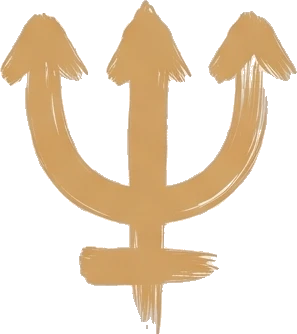 transits through your 4th house to identify and release repressed emotions from your past, and to develop a healthier relationship with vulnerability and emotional expression.
Conclusion
The path of integrating the South Node in Capricorn involves moving from the shadow expression of rigid, achievement-obsessed control to the highest expression of wise, compassionate stewardship. The soul arrives in this lifetime with a powerful gift: the ability to build lasting, tangible structures that benefit not just themselves, but entire communities. The core work is to release the karmic attachment to equating self-worth with external achievement, to allow themselves to be vulnerable and dependent on others, and to use their natural talents for discipline and strategic planning to serve a higher purpose, rather than just personal gain. When integrated, this placement produces individuals who are not just successful leaders and builders, but wise elders who use their power and resources to uplift others, creating legacies that are not just built of stone, but of love and service. The highest expression of this placement is the steward who builds a cathedral not to glorify themselves, but to create a space where others can connect with the divine, recognizing that the true summit of the mountain is not personal achievement, but collective well-being.
This article was prepared by the [Astrobot](https://astrobot.chat) editorial team — your personal astrological assistant. The material is based on classical and modern astrological sources.

 Pisces. It creates a lifelong inner tension between the desire for unapologetic personal autonomy and the quest for universal spiritual or philosophical meaning, often manifesting as a pull to explore marginalized, forbidden, or suppressed systems of belief. The individual has an innate gift for perceiving hidden truths behind established dogma, but risks falling into escapism, self-deception, or self-sabotage if they cannot ground their mystical insights in practical reality. The core path of integration is to embrace the exiled parts of the self as a source of liberating wisdom, rather than a source of shame, and to use their unique perspective to challenge oppressive systems with compassion and courage.