 Planet Overview
 Mars
Introduction
in is one of the most complex and nuanced planetary placements in the natal chart, representing a fundamental knot in the personality’s core operating system. Unlike an aspect between two separate planets, this is a permanent filter through which all of the native’s will, drive, and assertive energy is expressed. , the planet of personal will, competition, physical energy, and the drive to conquer and achieve, is placed in , the final mutable water sign ruled by (and in traditional astrology), associated with dissolution of boundaries, empathy, spirituality, illusion, the collective unconscious, and transcendence of the ego. This pairing creates a lifelong tension between the individual’s need to assert their separate identity and pursue personal goals, and the urge to merge with others, avoid conflict, and prioritize the needs of the collective or a higher spiritual purpose over personal gain. It is a key knot because it shapes every action the native takes, from small daily choices to major life decisions, and requires conscious integration to avoid the shadow manifestations of passive aggression, escapism, and self-sabotage.
 is one of the most complex and nuanced planetary placements in the natal chart, representing a fundamental knot in the personality’s core operating system. Unlike an aspect between two separate planets, this is a permanent filter through which all of the native’s will, drive, and assertive energy is expressed.
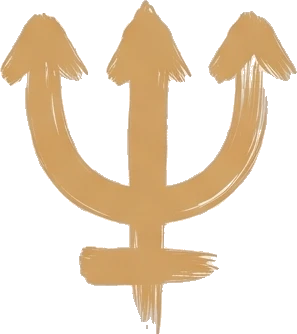 (and
 in traditional astrology), associated with dissolution of boundaries, empathy, spirituality, illusion, the collective unconscious, and transcendence of the ego. This pairing creates a lifelong tension between the individual’s need to assert their separate identity and pursue personal goals, and the
The Nature of the Aspect
This placement represents an inherent, lifelong interplay between two fundamentally opposing planetary energies: is a hot, dry, fiery, cardinal planet, oriented toward external action, individual assertion, and the establishment of clear boundaries; is a cold, wet, mutable water sign, oriented toward internal experience, boundary dissolution, and connection to the collective or spiritual realm. There is no traditional hard or harmonious aspect angle between these energies, as the sign placement creates a constant, unfiltered blending rather than a periodic tension or ease. Unlike applying or separating aspects between two moving planets, this is a static, permanent filter: the native never "switches off" this coloring of their drive, and it operates automatically in every situation, without needing to be triggered by transits or progressions. The mechanics of the interaction are straightforward: seeks to cut, assert, compete, and achieve personal goals, while seeks to soften edges, avoid conflict, and prioritize harmony and spiritual connection. As a result, the native’s drive is rarely expressed in the direct, aggressive manner typical of in or ; instead, it is refracted through empathy, leading to indirect action, covert motivation, and a tendency to channel energy into pursuits that benefit others rather than the self. The tighter the orb of any adjacent aspects to this placement (for example, a sextile from or a square from ), the more pronounced these traits will be, but the core dynamic of diluted, compassionate drive is present regardless of other chart factors.
 or
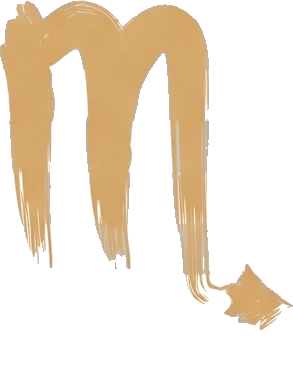 ; instead, it is refracted through
 sextile from
 or a
 square from
 ), the more pronounced these traits will be, but the core dynamic of diluted, compassionate
Symbolism and Mythology
In classical astrological tradition, is the Roman counterpart of the Greek god Ares, the deity of war, violence, courage, and masculine assertiveness. Ares was associated with the physicality of battle, the adrenaline of conflict, and the drive to protect one’s territory and assert dominance over competitors. He was a hot, impulsive god, often at odds with the more strategic, detached gods of Olympus, and his energy was seen as both necessary for survival and dangerous if left unchecked. , by contrast, is the sign of the two fish tied together with a cord, swimming in opposite directions, representing the duality of the material and spiritual worlds, the tension between merging with the collective and maintaining individual identity. It is ruled by , the Roman god of the sea, oceans, illusion, dreams, and spiritual transcendence, whose domain is the vast, boundaryless deep where all distinctions between self and other, reality and fantasy, dissolve.
The mythological image of in is that of Ares diving into the endless ocean of : his fiery armor cools as it is submerged, his sharp sword dissolves into sea foam, and his aggressive, combative energy is transformed into a powerful, fluid current that can heal, create, and connect rather than destroy. In cultural context, this placement has long been associated with artists, healers, mystics, and activists, people who use their drive and energy not to conquer, but to uplift, inspire, and protect others. Classical sources note that in natives often have a natural affinity for the occult, spiritual healing, and artistic expression, as their drive gives them the energy to pursue these often intangible, difficult paths, while their empathy gives them the sensitivity to connect with the unseen realms.
The Principles of the Planets in the Chart
in the Chart
is the planetary function of will, assertion, aggression, physical energy, competition, sexual drive, and the way we fight for what we want. In its natural expression, is direct, impulsive, and oriented toward individual achievement: it cuts through obstacles, asserts boundaries, and pursues personal goals with relentless energy. When placed in , this function is fundamentally altered: the native’s drive is no longer focused solely on personal gain or direct competition, but is filtered through empathy, leading them to prioritize the needs of others, avoid open conflict, and channel their energy into creative, spiritual, or compassionate pursuits. The placement softens ’ natural harshness, making the native less likely to engage in open aggression, but also less likely to assert their own needs when they conflict with the needs of others. The native may feel guilty for wanting personal success, as it feels selfish compared to the suffering of others, leading them to downplay their own ambitions in favor of supporting the people around them.
in the Chart
is the planetary function of empathy, intuition, spirituality, imagination, boundary dissolution, and connection to the collective unconscious. In its natural expression, is receptive, dreamy, and passive, absorbing the emotions and energies of the people around it without clear boundaries. When is placed in , this receptive function is infused with drive and energy, leading the native to act on their intuitive and spiritual insights rather than just passively absorbing them. The native may have a strong urge to help others, to create art that expresses the collective unconscious, or to pursue spiritual practices that connect them to something larger than themselves. However, the placement also amplifies ’ tendency toward escapism: the native may use their drive to pursue addictive behaviors, excessive daydreaming, or avoidance of responsibility, rather than channeling it into tangible, purposeful action.
The Combined Influence
The combined influence of in creates a personality that is both deeply compassionate and quietly driven, but often struggles to reconcile these two parts of themselves. The native’s core life scenario is a lifelong balancing act between asserting their own will and sacrificing their needs for others, between taking direct action and going with the flow, between fighting for their own goals and supporting the goals of the collective. They may find themselves drawn to causes or pursuits that allow them to combine their drive and empathy, such as activism, healing, or art, but may struggle with the competitive or confrontational aspects of these fields, preferring to work behind the scenes rather than in the spotlight. Unintegrated, this placement leads to a pattern of passive-aggression, self-sabotage, and resentment, as the native suppresses their own needs to avoid conflict, then resents the people who take advantage of their kindness. Integrated, it leads to a unique form of compassionate courage, where the native fights for what is right without losing their empathy or humanity.
Expression in Sign and House
The sign of colors the drive with its mutable, watery energy: the native’s action style is adaptive, intuitive, and emotional, rather than direct and logical. They do not fight with swords or loud arguments; they fight with words that heal, with art that moves, with quiet acts of resistance that challenge unjust systems without drawing attention to themselves. The mutable modality means their drive is highly adaptable, but also inconsistent: they may start many projects with enthusiasm, but struggle to follow through when the initial excitement fades, as their energy is diffused by indecision and a tendency to jump between different pursuits. The dispositor lords of , (traditional ruler) and (modern ruler), play a key role in how this placement is expressed: if is well-placed and strongly aspected, the native’s drive is channeled into expansive, benevolent pursuits, such as humanitarian work, higher education, or spiritual teaching; if is afflicted, the drive may be channeled into escapism, overindulgence, or self-sacrifice to the point of self-destruction. If is well-placed, the drive is channeled into creative or spiritual work that taps into the collective unconscious; if is afflicted, the native may use deception, self-pity, or manipulation to get what they want, rather than asserting their needs directly.
The house placement of in determines the arena of life where this energy is most actively expressed:
- In the 1st house, the native’s identity is tied to compassionate action; they may appear gentle and easygoing, but have a hidden inner strength and a willingness to fight for underdogs, though they may struggle to assert their own needs in personal interactions.
- In the 4th house, the drive is focused on home and family; the native may fight to protect their loved ones, create a safe, nurturing home environment, or heal intergenerational trauma, but may also use the home as a place of escape from the outside world.
- In the 7th house, the drive is expressed through one-on-one relationships; the native may attract partners who are aggressive, dependent, or emotionally unavailable, and may struggle to set boundaries, prioritizing their partner’s needs over their own to avoid conflict.
- In the 10th house, the drive is focused on career and public life; the native may achieve recognition for compassionate leadership, artistic achievement, or spiritual teaching, but may struggle with office politics or direct competition, preferring to work behind the scenes or for causes they believe in rather than for personal gain.
- In the 12th house, the drive is expressed through hidden, spiritual, or self-sacrificial action; the native may work behind the scenes for charitable causes, have a talent for psychic or energetic healing, but may also struggle with self-sabotage, hidden anger, or addiction as they avoid confronting their own unmet needs.
Differences Between the Male and Female Chart
The Male Chart
Traditional societal expectations pressure men to conform to norms of direct aggression, competitive assertiveness, and emotional stoicism, creating a core inner conflict for in men, whose natural action style is indirect, empathetic, and oriented toward harmony rather than dominance. This conflict often leads to repression of their empathy and compassionate drive, which manifests as passive-aggression, hidden resentment, or escapist behaviors such as workaholism, substance use, or spiritual bypassing to avoid confronting their unmet need for self-expression. The native is often drawn to careers that frame compassionate action as a form of strength, such as emergency medicine, military chaplaincy, humanitarian aid, or artistic leadership, where their drive to protect and heal is recognized as courage rather than weakness. In relationships, the native struggles to set clear boundaries, often prioritizing their partner’s needs over their own to avoid being seen as selfish or aggressive, which builds unspoken resentment that may erupt in sudden, uncharacteristic outbursts of anger when their limits are finally crossed. Many in men also have a hidden love of art, music, and spirituality, which they may repress in public to conform to masculine norms, but which they express freely in private or with trusted loved ones.
The Female Chart
Societal tolerance for feminine empathy can lead others to dismiss the in woman’s assertiveness as “overly sensitive” or “passive”, causing her to repress her drive or express it through indirect, often self-sabotaging channels such as people-pleasing, self-sacrifice, or covert emotional manipulation to get her needs met. The native has a strong tendency to idealize romantic partners, projecting her compassionate ideals onto them and ignoring red flags of abuse or neglect, as her drive to merge and sacrifice for others overrides her instinct for self-protection. She is often drawn to caregiving or creative careers such as nursing, teaching, art therapy, or social justice work, where her drive to nurture and uplift others is valued, but she may struggle to advocate for her own professional advancement or fair compensation, feeling guilty for prioritizing her own success. Unintegrated energy can manifest as chronic self-neglect, as she consistently puts the needs of others before her own, leading to burnout, unexplained physical illness, or sudden exits from relationships or jobs when her resentment becomes unbearable. Many in women also have a hidden talent for leadership and strategic action, which they may downplay to avoid being seen as “aggressive” or “unfeminine”, but which emerges naturally when they are fighting for a cause they believe in.
Psychological Portrait
The in native has a deeply empathetic, intuitive, and imaginative character, with a rich inner life that is often more vivid to them than the external world. They are highly attuned to the emotions of the people around them, often absorbing others’ pain and joy as if it were their own, which gives them a unique ability to connect with people on a deep level, but also makes it hard for them to separate their own feelings from those of others. They also often have telepathic or intuitive abilities, easily picking up on others’ unspoken thoughts and emotions, which can be both a gift and a burden, as they struggle to filter out the emotional noise of the people around them. Their core motivation is to connect with something larger than themselves, whether that is a spiritual cause, a creative project, or a community of people in need; they are driven by compassion and a desire to alleviate suffering, rather than personal gain or status, and may feel guilty for wanting personal success, as it feels selfish compared to the pain of others. Their deepest fears are of conflict, of being seen as aggressive or selfish, of hurting the people they love, and of losing their connection to their spiritual or creative source. They may also fear being trapped in a mundane, unfulfilling life that does not align with their ideals, leading them to avoid making long-term commitments or taking practical steps toward their goals.
The native’s self-esteem is tightly tied to their ability to help others and live up to their compassionate ideals; they may feel worthless when they are unable to act on their desires, or when they hurt someone they care about, even accidentally. Their style of thinking is intuitive and metaphorical, rather than linear and logical: they understand the world through images, symbols, and feelings, rather than facts and data, which makes them excellent artists, healers, and spiritual leaders, but can make it hard for them to navigate bureaucratic or highly structured environments that require rigid, logical thinking. In attachment, the native forms deep, empathetic bonds with loved ones, but may become overly enmeshed, losing their sense of self in the relationship as they prioritize their partner’s needs over their own. They may also avoid attachment altogether, fearing that closeness will lead to loss of their independence or to hurting the other person, leading them to withdraw when relationships become too intense.
Spheres of Life
Career
The native thrives in careers that allow them to combine their compassionate nature with purposeful action, such as healthcare (nursing, therapy, hospice care, veterinary medicine), creative fields (art, music, writing, film, design), spiritual work (chaplaincy, meditation teaching, energy healing, shamanism), humanitarian aid, social work, or environmental activism. They may also be drawn to occult or esoteric fields such as astrology, energy healing, or ceremonial magic, as their sensitivity to the unseen realms combined with drive gives them the courage to explore these often stigmatized paths. They struggle in highly competitive, aggressive environments such as high-stakes sales, corporate law, or cutthroat finance, where direct confrontation and ruthless competition are required, as they will either avoid conflict to their own detriment or become overwhelmed by the harshness and lack of empathy in the environment. They may also struggle with consistency and follow-through, as their mutable energy leads them to jump between projects, but when they find a cause or creative pursuit that aligns with their values, they can work with incredible dedication and passion, often working long hours without complaint if they feel they are making a difference. They may prefer to work behind the scenes rather than in a leadership role that requires them to be openly assertive, but they can be highly effective compassionate leaders who inspire others through their empathy and vision rather than command and control.
Relationships
In romantic relationships, the native is deeply devoted, romantic, and empathetic, often idealizing their partner and prioritizing their partner’s needs over their own to avoid conflict. They avoid open confrontation at all costs, often suppressing their own needs and resentments to keep the peace, which can lead to a buildup of unspoken anger that may erupt unexpectedly in sudden outbursts when their limits are finally crossed. They are highly attuned to their partner’s emotions, often taking on their partner’s problems as their own, which can lead to enmeshment and loss of personal boundaries. They may attract partners who are aggressive, dependent, or emotionally unavailable, as their natural tendency to sacrifice and merge draws people who are willing to take advantage of their kindness. They thrive in relationships where their partner respects their need for alone time and spiritual space, and where conflict is handled gently and empathetically, rather than through yelling or blame. They may also struggle with commitment, as their fear of being trapped conflicts with their deep desire for connection, leading them to pull away when relationships become too serious.
Finances
The native has a relaxed, often careless attitude toward money, as their focus on spiritual and emotional fulfillment makes material wealth feel unimportant or even corrupting. They may struggle with budgeting, as they are prone to spending money on creative projects, spiritual pursuits, or helping others in need, often leaving themselves short on cash. They may also avoid dealing with financial paperwork or confrontations with creditors, leading to unexpected debt or financial instability. However, when they align their financial goals with their values, such as donating a portion of their income to charity, or working for a nonprofit that aligns with their passions, they can attract unexpected financial opportunities through their network of compassionate contacts. They may also have a talent for making money through creative or artistic pursuits, as their imagination combined with drive can produce unique, marketable work that resonates with others on a deep level.
Health
Psychosomatically, the native is prone to stress-related illnesses that stem from suppressed anger and unspoken resentment, as their tendency to avoid conflict leads them to internalize negative emotions rather than express them in healthy ways. Common issues include migraines, chronic fatigue, immune system disorders, and digestive issues, as the drive to act is blocked by passivity, leading to energy stagnation in the body. They may also be prone to addiction, as their tendency to escape difficult emotions is amplified by the drive to seek intense experiences, leading them to use alcohol, drugs, or other addictive behaviors to avoid confronting their unmet needs for self-assertion. They may also have sensitive feet and a vulnerable lymphatic system, as rules these body parts, and ’ energy can exacerbate inflammation in these areas when the native is stressed or acting out of alignment with their values.
Challenges and Gifts
Shadow Sides
- Passive-aggression: The native avoids direct confrontation at all costs, so when their needs are not met, they express their anger through subtle sabotage, guilt-tripping, or silent treatment, rather than openly stating their grievances, leading to confusion and resentment in their relationships.
- Self-sabotage: When faced with the need to assert their own needs or take competitive action, the native may unconsciously undermine their own efforts, procrastinating, making careless mistakes, or abandoning projects just as they are about to succeed, as their fear of conflict and failure overrides their drive.
- Escapism: The native may use daydreaming, substance use, excessive sleep, or immersion in fantasy worlds (books, films, video games) to avoid taking responsibility for their actions or confronting difficult emotions, leading to stagnation and unmet potential.
- Martyrdom: The native may adopt a self-sacrificing, martyr-like attitude, consistently putting others’ needs above their own and resenting those who take advantage of their kindness, while refusing to set boundaries or ask for help, leading to burnout and chronic unhappiness.
- Decision paralysis: The combination of indecision and fear of making the wrong choice leads the native to struggle with even small decisions, as they worry about hurting others or making a choice that conflicts with their values, leading to missed opportunities and stagnation.
Bright Sides
- Compassionate courage: The native has a unique form of courage that is rooted in empathy, rather than aggression; they will stand up for underdogs, defend vulnerable people, and fight for just causes, even when it puts them at personal risk, without seeking recognition or praise.
- Creative genius: The combination of drive and imagination gives the native a powerful creative spark; they can produce art, music, writing, or inventions that are both deeply moving and full of energy, as they are able to channel their inner drive into tangible forms of beauty that resonate with others on a deep emotional level.
- Healing ability: The native has a natural talent for healing, whether that is physical healing (as a doctor or therapist), emotional healing (as a counselor or energy worker), or spiritual healing (as a meditation teacher or shaman); their drive to act combined with empathy allows them to connect with others’ pain and take effective, gentle action to alleviate it.
- Spiritual warrior: The native is able to fight spiritual battles that others cannot see; they may have a strong intuition for detecting deception, negative energy, or psychic attacks, and are able to use their drive and empathy to protect themselves and others from harm, without resorting to physical violence or aggression.
- Mediation and conflict resolution: The native has a unique ability to mediate conflicts between others, as their empathy allows them to understand both sides of an argument, and their drive allows them to take action to find a fair, compassionate solution that benefits everyone involved, rather than taking sides or escalating the conflict.
Practical Recommendations
| Sphere | Advice | Astrological Tool |
|---|---|---|
| Career | Prioritize roles that align with your compassionate values, such as healthcare, creative arts, humanitarian work, or spiritual leadership, rather than competitive, cutthroat environments that require open aggression. Avoid roles that force you to act against your ethical beliefs, as this will lead to resentment and burnout. | Work with the energy of your chart’s dispositor of ( or ): if is well-placed, seek opportunities for expansion and growth in your field; if is well-placed, lean into creative or spiritual projects that allow you to express your imagination. |
| Relationships | Practice setting clear, firm boundaries with loved ones early in relationships, rather than suppressing your needs to avoid conflict. Communicate your feelings directly but gently, using "I" statements rather than guilt-tripping or passive-aggressive behavior. | Use the energy of in your 7th house (if applicable) to attract partners who respect your boundaries: visualize a partner who values your empathy and assertiveness equally, and avoid relationships with people who are overly critical or demanding. |
| Personal Boundaries | Create a daily ritual for checking in with your own needs, rather than automatically prioritizing others’ needs. Practice saying "no" to small requests first, building up to larger boundaries over time, to avoid resentment building up. | Work with the energy of the 1st house: if you have planets in the 1st house, use their energy to strengthen your sense of self; if not, wear a piece of red agate or carnelian (stones associated with ) to remind you of your own worth and right to assert your needs. |
| Creative Expression | Channel your drive into a regular creative practice, such as writing, painting, music, or dance, to give your diffuse energy a tangible outlet. Avoid criticizing your creative work, as your sensitivity can lead to self-doubt that blocks your creative flow. | Use the energy of (the modern ruler of ) to access your imagination: meditate before creative work, listen to music that evokes emotion, or keep a dream journal to capture ideas from your subconscious. |
| Spiritual Practice | Develop a regular spiritual practice that helps you ground your energy and connect with your inner drive, such as yoga, meditation, tai chi, or walking in nature. Avoid spiritual bypassing, where you use spiritual practices to avoid taking responsibility for your actions or confronting difficult emotions. | Work with the energy of (the traditional ruler of ) to expand your spiritual perspective: study spiritual texts, join a compassionate community, or volunteer for a cause you believe in to give your drive a sense of purpose. |
| Health | Practice regular physical activity that you enjoy, such as swimming, dancing, hiking, or yoga, to move stagnant energy and prevent stress-related illness. Avoid overexerting yourself, as your sensitivity can lead you to push through exhaustion to help others, leading to burnout. | Work with the energy of in to choose low-impact, intuitive forms of exercise that connect your body and spirit, rather than high-intensity competitive sports that feel harsh or disconnected from your values. |
| Financial Management | Create a simple, flexible budget that allows for spontaneous giving to causes you care about, while also setting aside money for your own needs and goals. Avoid avoiding financial paperwork or confrontations with creditors, as this will lead to unnecessary stress and debt. | Work with the energy of to attract abundance through compassionate work: set an intention to attract financial opportunities that align with your values, and avoid taking on work that feels exploitative or unethical, even if it pays well. |
| Conflict Resolution | When faced with conflict, practice expressing your feelings directly but empathetically, acknowledging the other person’s perspective while also stating your own needs clearly. Avoid suppressing your anger or resorting to passive-aggressive behavior, as this will only lead to resentment on both sides. | Use the energy of in to practice compassionate communication: before a difficult conversation, meditate to calm your energy, and focus on finding a solution that benefits everyone involved, rather than "winning" the argument. |
Conclusion
The path of integrating in moves from the shadow of passive-aggression, self-sabotage, escapism, and martyrdom to the highest expression of the compassionate spiritual warrior. The unintegrated native avoids asserting their needs, suppresses their anger, and sacrifices their own happiness for others, resenting the people who take advantage of their kindness while fearing that being assertive will make them a "bad" person. The integrated native learns to honor their own needs as equally valid as the needs of others, to express their anger and assertiveness in gentle, direct ways that do not harm others, and to channel their drive into pursuits that benefit both themselves and the collective. They do not have to choose between being strong and being kind: they can be both, using their drive to act on their ideals in tangible, effective ways. The highest expression of this placement is the healer who fights for justice without losing their empathy, the artist who uses their work to inspire social change, the activist who protects the vulnerable with both courage and compassion, the spiritual leader who guides others to connect with their own inner drive without imposing their will on them. This placement is a gift, not a curse: it gives the native a unique ability to change the world not through force and domination, but through love, creativity, and quiet, persistent action that uplifts everyone it touches.
This article was prepared by the [Astrobot](https://astrobot.chat) editorial team — your personal astrological assistant. The material is based on classical and modern astrological sources.
