 Planet Overview
 Moon
Introduction
The Moon is the fastest-moving celestial body in the natal chart, completing its orbit around Earth in 27.3 days, making it the most personal, intimate point in the horoscope. Unlike the Sun, which represents our public, conscious identity and life purpose, the Moon is the hidden, private self that operates beneath the surface of awareness. As part of the classical Septener — the seven ancient celestial bodies used in traditional Western astrology — it is one of the core personal planets, shaping the most intimate parts of our identity, unlike the outer transpersonal planets which govern collective and generational themes. It is one of the key knots of the natal chart because its state shapes every experience we have, from how we react to stress to how we define safety and belonging, acting as the bridge between our conscious will and our subconscious, instinctual nature.
 Sun, which represents our public, conscious identity and life purpose, the Moon is the hidden, private self that operates beneath the surface of awareness. As part of the classical Septener — the seven ancient celestial bodies used in traditional Western astrology — it is one of the core personal planets, shaping the most intimate parts of our identity, unlike the outer transpersonal planets which govern collective and generational themes. It is one of the key knots of the natal chart because its state shapes every experience we have, from how we react to stress to how we define safety and belonging, acting as the bridge between our conscious will and our subconscious, instinctual nature.
The Nature of the Lunar Function in the Natal Chart
The Moon operates as a permanent, lifelong channel of interaction between the conscious will ( Sun) and the instinctual, subconscious self. Its aspects to other planets follow classical aspect mechanics: conjunctions () fuse the lunar function with the other planet’s energy, making that planetary trait feel instinctive and automatic; trines () and sextiles () create easy, flowing channels for emotional expression of that function, often taken for granted as a natural gift; squares () and oppositions () create friction that demands conscious integration, turning emotional reactivity into a source of strength and achievement once mastered. Classical orbs for lunar aspects are up to 10° for conjunctions with the Sun, up to 7° for oppositions and squares, up to 7° for trines, and up to 5° for sextiles. Applying aspects (where the Moon is moving toward the other planet) are stronger and more compelling, representing an inner drive to integrate that function, while separating aspects (where the Moon is moving away) represent patterns already mastered in past experience. As a nocturnal, feminine, receptive planet, the Moon absorbs the energy of every planet it touches, making its aspects especially potent for shaping emotional and subconscious patterns, with its changeable nature meaning its influences are felt dynamically rather than statically.
 ) fuse the lunar function with the other planet’s energy, making that planetary trait feel instinctive and automatic; trines (
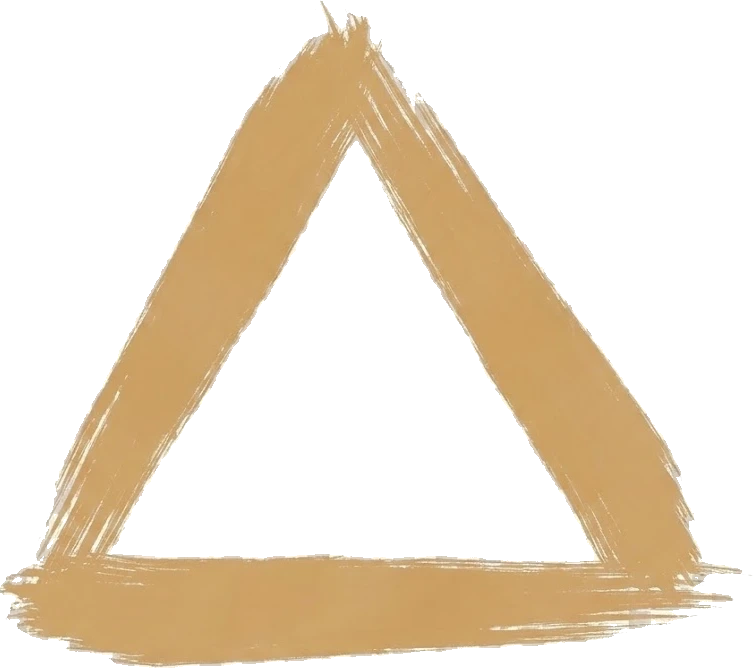 ) and sextiles (
 ) create easy, flowing channels for emotional expression of that function, often taken for granted as a natural gift; squares (
 ) and oppositions (
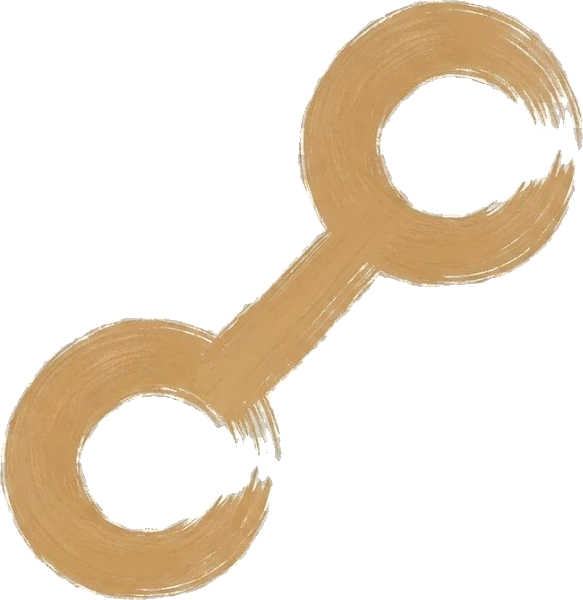 ) create friction that demands conscious integration, turning emotional reactivity into a source of strength and achievement once mastered. Classical orbs for lunar aspects are up to 10° for conjunctions with the Sun, up to 7° for oppositions and squares, up to 7° for trines, and up to 5° for sextiles. Applying aspects (where the Moon is moving toward the other planet) are stronger and more compelling, representing an inner drive to integrate that function, while separating aspects (where the Moon is moving away) represent patterns already mastered in past experience. As a nocturnal, feminine, receptive planet, the
Symbolism and Mythology
The archetype of the Moon is the Great Mother, the guardian of the night, the ruler of tides, cycles, fertility, intuition, and the hidden parts of the psyche. In ancient mythology, it is associated with Selene (Greek), Luna (Roman), Chang'e (Chinese), and countless other lunar deities who preside over intuition, protection, and the mysteries of the subconscious. Unlike the Sun, which is associated with public action, achievement, and conscious identity, the Moon is the companion of the inner world: it witnesses our unspoken thoughts, our private fears, our moments of vulnerability. It has no light of its own, only reflecting the Sun’s radiance, which mirrors its function as the reflector of the conscious self: it takes the Sun’s conscious goals and filters them through the lens of emotional need and subconscious pattern, shaping how we pursue our goals based on what feels safe and familiar. It is linked to the mother, the ancestral feminine, the home, and the body’s natural rhythms, as it is the closest celestial body to Earth, its influence felt as immediately as the rise and fall of the tides. In classical tradition, it is considered a generally beneficial but changeable planet, its energy shifting with the phases of the lunar cycle, reflecting the constant flux of emotional life.
The Principles of the Planets in the Chart
The Moon in the Chart
The core function of the Moon is the repository of emotional memory, instinct, intuition, and the fundamental need for security. It is the natural signalifier of the mother, domestic life, changes of residence, travel, the general public, the body’s fluids and regulatory systems, and the subconscious mind. It governs how we process comfort and discomfort, how we nurture ourselves and others, and how we respond to perceived threats to our safety. It is the natural ruler of the 4th house (the house of home, family, roots, and the private self) and the 3rd house (the house of communication, siblings, and short travel), so its placement in these houses amplifies its natural themes. Any aspect to the Moon tints that planetary function with emotional, instinctual, and subconscious coloring: for example, a Mercury aspect makes thought processes intuitive and memory vivid, while a Saturn aspect adds emotional restraint and a need for structure to feel safe.
 Mercury aspect makes thought processes intuitive and memory vivid, while a
 Saturn aspect adds emotional restraint and a need for structure to feel safe.
The Combined Influence
The Moon acts as the emotional filter for every other planet in the chart, so its interactions with other points shape how all other functions are experienced and expressed. A well-aspected Moon allows for smooth, intuitive expression of other planetary energies, while a hard aspect can create emotional friction that blocks or distorts those functions. The Moon’s placement by sign and house further specifies the arena and style of this emotional filtering, creating a unique emotional landscape for each individual.
Expression in Sign and House
Lunar Expression by Sign
The element of the Moon’s sign sets the style of emotional expression and the core of our security needs. Fire sign Moons (Aries, Leo, Sagittarius) express emotions impulsively, enthusiastically, and with a need for adventure and freedom; they feel secure when they can take initiative and express themselves openly. Earth sign Moons (Taurus, Virgo, Capricorn) express emotions practically, steadily, and with a focus on material security and routine; they feel safe when they have stable finances, a comfortable home, and predictable daily rhythms. Air sign Moons (Gemini, Libra, Aquarius) express emotions intellectually, communicatively, and with a need for social connection and mental stimulation; they feel secure when they can share their thoughts and connect with others through conversation. Water sign Moons (Cancer, Scorpio, Pisces) express emotions deeply, intuitively, and with high empathy; they feel safe when they have deep emotional bonds, creative outlets, and space to process their feelings.
Lunar Expression by House
The house the Moon occupies is the arena where we seek security, where our emotional needs are focused, and where we act on instinct. The 4th house is the Moon’s natural domicile, so a Moon here amplifies all lunar themes: a deep need for a stable home, strong ties to family and ancestry, and a private, nurturing inner world. A Moon in the 1st house makes emotional expression a core part of identity, with moods visible to others; a Moon in the 7th house focuses emotional needs on partnerships and close one-on-one relationships; a Moon in the 10th house ties emotional security to career success and public recognition; a Moon in the 12th house links emotions to the subconscious, spirituality, and hidden matters, often with a need for solitude to process feelings.
Combined Influence across Positions
The sign and house together create a unique expression of the lunar function. For example, a Moon in Scorpio in the 8th house gives intense, transformative emotions, a need for deep, honest emotional bonds, strong intuition about hidden or taboo matters, and a tendency to experience emotional extremes. The dispositor of the Moon’s sign further shapes this expression: for example, a Moon in Sagittarius (dispositor Jupiter) will express emotions through exploration, learning, and seeking meaning, while a Moon in Capricorn (dispositor Saturn) will express emotions through restraint, responsibility, and a need for structure.
 Jupiter) will express emotions through exploration, learning, and seeking meaning, while a Moon in Capricorn (dispositor
Differences Between the Male and Female Chart
The Male Chart
1. The Moon represents the inner feminine, or anima, so its placement and aspects reveal the man’s capacity for emotional vulnerability, his relationship with his own nurturing side, and his dynamic with women in his life. A well-aspected Moon indicates emotional maturity, the ability to form healthy, equal partnerships with women, and a strong connection to his own intuition.
2. Hard aspects to the Moon in a male chart often manifest as emotional volatility, difficulty expressing vulnerability, projection of emotional needs onto female partners, or conflicts with the mother or other maternal figures. These challenges often push the man to develop greater emotional awareness and integrate his inner feminine.
3. The Moon’s placement shows the type of woman he is naturally attracted to, and the nature of his domestic life: for example, a Moon in Taurus in the 4th house will seek a stable, nurturing partner, value a comfortable, well-appointed home, and prioritize family life, while a Moon in Aries in the 10th house may be drawn to independent, ambitious women, and prioritize career success over domestic stability.
The Female Chart
1. The Moon is the primary feminine signalifier, so its placement and aspects reveal the core of her emotional identity, her relationship with her own femininity, her maternal instincts, and her dynamic with her own mother. A well-aspected Moon indicates emotional resilience, strong intuition, natural nurturing capacity, and the ability to create a secure, welcoming home environment.
2. Hard aspects to the Moon in a female chart often manifest as emotional hypersensitivity, mood swings, difficulty setting emotional boundaries, or challenges related to motherhood, fertility, or domestic stability. These challenges often push the woman to develop greater emotional self-sufficiency and honor her own needs.
3. The Moon is more directly tied to physical reproductive health in the female chart, so its aspects can indicate tendencies toward hormonal imbalances, menstrual irregularities, or reproductive challenges, especially when under stress from hard aspects. For women, the Moon’s state is also closely linked to self-esteem and body image, as it governs the body’s fluids and physical form.
Psychological Portrait
People with a strong, well-aspected Moon are naturally empathetic, intuitive, and protective of their inner circle. They have a rich inner world, strong memory for past experiences, and a deep need to feel safe and connected to others. They are often drawn to caregiving roles, creative pursuits, and domestic activities that allow them to express their nurturing side. Their core motivation is to create and maintain security for themselves and their loved ones; they are driven by a need for belonging, for a place to call home, and for emotional intimacy, and will go to great lengths to protect the people and places they care about. Their deepest fears revolve around loss of security, abandonment, rejection, and being alone. They fear upheaval, change that threatens their home or family, and being unable to meet the emotional needs of their loved ones, and may also fear their own emotional intensity, worrying that their feelings will overwhelm them or others. Self-esteem is closely tied to how well they can meet their own and others' emotional needs, how secure they feel in their environment, and how well they can honor their intuition: when they feel safe and connected, they have strong, stable self-esteem; when their security is threatened, they may become insecure, clingy, or self-critical. They are associative, intuitive thinkers, processing information through feelings, images, and memories rather than pure logic, picking up on subtle emotional cues that others miss, and often making decisions based on their "gut feeling" rather than rational analysis. They form deep, loyal, long-lasting attachments to family, home, and familiar people and places, and can be clingy or overly protective of those they love, struggling with change that threatens their sense of security. They often hold onto past relationships or memories long after they have ended, and need time to adjust to new environments or routines, often recharging by retreating to their home or a familiar, quiet space.
Spheres of Life
Career
The Moon’s influence on career is tied to the need for emotional security in the work environment. People with strong lunar energy thrive in careers that involve nurturing, care, domestic work, food, hospitality, real estate, or anything related to home and family. They need a work environment that feels safe, supportive, and collaborative, not overly competitive or high-stress. Hard aspects to the Moon can lead to job instability, emotional burnout, or conflicts with coworkers, especially female coworkers, as the Moon absorbs the emotional atmosphere of the workplace. A Moon in the 10th house may lead to a career that is publicly visible, with emotional needs tied to recognition and status, while a Moon in the 6th house may lead to a career in care, service, or health, with emotional needs tied to feeling useful and needed.
Relationships
The Moon is the core of emotional intimacy, so its aspects reveal how we give and receive care, how we handle conflict, and our need for emotional closeness. A well-aspected Moon indicates the ability to be vulnerable, to nurture a partner, and to create a warm, stable home together. People with strong lunar energy are loyal, protective partners, but may struggle with emotional dependency or mood swings if their needs are not met. Hard aspects to the Moon can lead to difficulty communicating emotional needs, jealousy, or conflicts with the partner’s family or own family. A Moon in the 7th house will prioritize partnership above all else, while a Moon in the 11th house will prioritize friendship and community in relationships.
Finances
The Moon is linked to material security, so its aspects reveal our relationship with money as a source of safety. A well-aspected Moon indicates steady, reliable income, the ability to save, and financial security tied to home or family. People with strong lunar energy are often careful with money, but may spend impulsively when feeling emotionally overwhelmed. Hard aspects to the Moon can lead to financial instability, losses due to family or domestic matters, or reliance on women for financial support. A Moon in the 2nd house will tie emotional security directly to personal finances, while a Moon in the 8th house may tie finances to shared resources, inheritance, or a partner’s income.
Health (Psychosomatic Tendencies)
The Moon rules the body’s fluids, the stomach, the chest, the lymphatic system, the reproductive system (especially in women), and the emotional body. Psychosomatic tendencies are common, as emotional stress and unmet needs often manifest as physical symptoms. Common manifestations include digestive issues (bloating, nausea, irritable bowel syndrome), hormonal imbalances, menstrual irregularities, chest tightness, fluid retention, and headaches. Hard aspects to the Moon, especially with Saturn, Mars, or Mercury, can increase the risk of anxiety, depression, mood disorders, eating disorders, or hypochondria, especially when emotional needs are chronically unmet. The Moon also rules the eyes, so emotional stress can lead to eye strain, blurred vision, or other eye-related issues.
 Mars, or
Challenges and Gifts
Shadow Sides
1. Emotional volatility: Unintegrated lunar energy leads to extreme mood swings, overreacting to small slights, and being controlled by subconscious emotional triggers. The person may feel at the mercy of their emotions, unable to regulate their responses to stress, and may lash out at loved ones during emotional outbursts.
2. Clinging to the past: A fear of change and loss leads to holding onto old hurts, familiar but unhealthy relationships or environments, and an inability to let go of what no longer serves them. They may idealize the past and resist new experiences that could bring growth, staying in unfulfilling situations out of fear of the unknown.
3. Over-nurturing and people-pleasing: A need to feel needed leads to sacrificing their own needs to take care of others, becoming resentful when their efforts are not appreciated, and enabling unhealthy behavior in loved ones. They may struggle to say no, even when it harms their own well-being, and feel guilty when prioritizing their own needs.
4. Emotional dependency: A need for constant reassurance from others leads to feeling lost or insecure when alone, relying on external validation to feel worthy, and forming clingy, codependent relationships. They may struggle to self-soothe when upset, turning to external sources of comfort like food, substances, or other people’s approval to regulate their emotions.
5. Hypersensitivity and withdrawal: Unintegrated lunar energy leads to taking criticism personally, being easily hurt by others' words or actions, and withdrawing into a shell when overwhelmed. They may avoid social situations or conflict to protect their fragile emotional state, suppressing their feelings instead of processing them, which can lead to long-term emotional and physical health issues.
Bright Sides
1. Deep empathy and intuition: Integrated lunar energy gives the ability to sense others' unspoken emotions, read the emotional atmosphere of a room, and offer comfort and support to those who are hurting. They are often the person others turn to when they need to be heard and understood, and have a natural talent for counseling, healing, or caregiving.
2. Rich inner world and creativity: A strong Moon gives a vivid imagination, excellent memory, and a talent for creative pursuits like writing, art, music, or storytelling. They often have vivid dreams and a natural ability to tap into the collective subconscious, making them excellent artists, writers, or innovators in creative fields.
3. Natural nurturing capacity: They have a gift for creating warm, safe, welcoming environments for others, whether that is in their home, their workplace, or their relationships. They are often drawn to caregiving roles, and have a natural ability to make others feel seen, loved, and cared for, creating strong, loyal bonds with their loved ones.
4. Adaptability and resilience: The Moon’s natural cycles give people with strong lunar energy a high capacity to adapt to change, especially when it comes to meeting the emotional needs of others. They can bounce back from emotional setbacks quickly, and are able to adjust to new environments and circumstances with ease, making them reliable and supportive friends and partners.
5. Connection to inner guidance: Integrated lunar energy gives access to strong intuition, inner wisdom, and the ability to trust their gut feelings. They are often drawn to spiritual practices, psychology, or healing work, and have a natural ability to help others process their emotions and heal from past trauma, acting as a guide for others navigating emotional challenges.
Practical Recommendations
| Sphere | Advice | Astrological Tool |
|---|---|---|
| Career | Choose work that aligns with your need for emotional security: avoid overly competitive, high-stress environments if your Moon is in a water or earth sign; prioritize roles in care, hospitality, real estate, or food service if your Moon is in the 4th, 6th, or 10th house. | Track lunar transits to your natal Moon and Midheaven: start new career projects during the waxing Moon in your Moon's sign or a compatible sign (earth for earth Moon, water for water Moon, etc.) |
| Relationships | Communicate your emotional needs clearly instead of expecting your partner to read them; set boundaries to avoid over-nurturing or people-pleasing; schedule regular quality time with loved ones to feel secure. | Use the lunar cycle to plan relationship milestones: propose, move in, or have important conversations during the full Moon in your natal Moon's sign or a harmonious aspect to your natal Moon. |
| Finances | Build an emergency fund to reduce anxiety about financial instability; avoid impulsive spending when you are feeling emotionally overwhelmed; do not lend money to friends or family if it will compromise your own security. | Align savings goals with the lunar cycle: set financial intentions during the new Moon in your 2nd house or in a sign compatible with your natal Moon, review progress during the full Moon. |
| Health | Prioritize regular sleep and consistent daily routines to support your body's natural rhythms; practice stress-reduction techniques like meditation or journaling to process emotions before they manifest as physical symptoms; avoid skipping meals, as the Moon rules digestion. | Track lunar transits to your natal Moon and 6th house: avoid starting new health regimens during the waning Moon, schedule doctor's appointments and check-ups during the waxing Moon in a harmonious aspect to your Moon. |
| Personal Growth | Keep a dream journal to tap into your subconscious intuition; practice self-compassion when you experience mood swings, recognizing that your emotions are valid signals, not weaknesses; work on letting go of past hurts through ritual or therapy. | Work with lunar phases: release old emotional patterns during the waning Moon, plant new emotional intentions during the new Moon, celebrate emotional growth during the full Moon. |
| Family Life | Create a consistent, nurturing home environment that feels safe and welcoming; honor family traditions and maintain connections with maternal relatives to strengthen your sense of roots; avoid taking on responsibility for other family members' emotional well-being at the cost of your own. | Use lunar transits to plan family events: schedule family gatherings, home renovations, or moves during the waxing Moon in your 4th house or in a sign compatible with your natal Moon. |
| Spiritual Practice | Honor your intuition and inner guidance; work with lunar deities, moon magic, or meditation to connect with your subconscious and the collective unconscious; practice grounding rituals to stay present when you feel overwhelmed by emotional or psychic input. | Meditate during the full Moon and new Moon, especially when the Moon is in your natal sign or in a water sign; carry a moonstone or pearl as a talisman to strengthen your connection to lunar energy. |
Conclusion
The path of integrating the Moon’s energy is a journey from emotional reactivity to emotional maturity, from clinging to the past to honoring the present, from people-pleasing to honoring one’s own needs. The Moon is the bridge between the conscious Sun and the subconscious, the personal and the collective, the inner and outer worlds. When we honor its rhythms, honor our need for security, and learn to process our emotions instead of suppressing them, we unlock its highest gifts: the ability to nurture ourselves and others, to trust our intuition, to feel safe enough to pursue our deepest goals, and to create a sense of home and belonging wherever we go. The Moon’s cycles remind us that change is constant, and that every ending is a new beginning, allowing us to move through life with grace and resilience, rooted in the security of our own inner world.
This article was prepared by the [Astrobot](https://astrobot.chat) editorial team — your personal astrological assistant. The material is based on classical and modern astrological sources.

 Pisces. It creates a lifelong inner tension between the desire for unapologetic personal autonomy and the quest for universal spiritual or philosophical meaning, often manifesting as a pull to explore marginalized, forbidden, or suppressed systems of belief. The individual has an innate gift for perceiving hidden truths behind established dogma, but risks falling into escapism, self-deception, or self-sabotage if they cannot ground their mystical insights in practical reality. The core path of integration is to embrace the exiled parts of the self as a source of liberating wisdom, rather than a source of shame, and to use their unique perspective to challenge oppressive systems with compassion and courage.