 Planet Overview
 Moon
Introduction
This placement represents one of the most distinctive emotional configurations in the natal chart, fusing the Moon’s core function of regulating instinct, memory, and private emotional security with the fixed air energy of Aquarius, the sign of collective ideals, intellectual innovation, and rebellion against outdated tradition. Unlike more traditional lunar placements that prioritize domestic stability and intimate family ties, this pairing creates a lifelong pattern of processing personal feelings through the lens of broader social, scientific, or humanitarian frameworks. It is a key psychological knot because it creates a permanent, stable tension between two seemingly opposing needs: the Moon’s drive for intimate, familiar emotional nourishment, and Aquarius’s drive for detachment, autonomy, and alignment with group progress. This tension is not a flaw to be fixed, but a dynamic source of creativity and insight, shaping the person’s relationships, career, and life purpose from childhood to old age. The Moon is the fastest moving luminary in the chart, so this placement is common across generations, but its expression is uniquely shaped by the house it occupies, the aspects it forms with other planets, and the gender of the native.
The Nature of the Aspect
This is a planet-in-sign placement that functions as a permanent, stable fusion of lunar and Aquarian energies, with an effective orb spanning the entire 30 degrees of the Aquarius sign, meaning the core dynamic is consistent across all degrees of the sign, modified only by degree-specific influences and aspects to other planets. The aspect’s harmonic quality is a blend of structured and charged energy: the fixed nature of Aquarius gives the Moon a stable, consistent structure, reducing the usual waxing-and-waning volatility of lunar moods, but the inherent tension between lunar emotional need and Aquarian detachment creates a low-grade, lifelong friction that spurs the person to integrate these two parts of themselves. Unlike applying or separating aspects between two separate planets, this placement has a consistent "applying" quality: the Moon is permanently immersed in Aquarian energy, so the drive to contextualize emotions within collective frameworks is an inexorable inner demand, not a passing phase. The early degrees of Aquarius (0-10°) carry a stronger Saturnian influence, emphasizing structure, discipline, and long-term planning in emotional expression, while the later degrees (20-30°) carry a stronger Uranian influence, emphasizing spontaneity, eccentricity, and sudden shifts in emotional alignment with progressive causes. The Moon’s dispositors in this placement are (traditional ruler of ) and (modern ruler), so the condition of these two planets in the natal chart will significantly shape how this placement expresses itself: a well-placed will give the person the discipline to turn their progressive emotional insights into tangible, long-lasting projects, while a well-placed will give them the spontaneity to adapt to sudden changes in their social or emotional environment.
 (traditional ruler of
 ) and
 (modern ruler), so the condition of these two planets in the natal chart will significantly shape how this placement expresses itself: a well-placed
Symbolism and Mythology
The Moon’s archetype spans every major cultural and religious tradition: it is the Great Mother, the guardian of the subconscious, the keeper of memory and ancestral wisdom, the ruler of tides, cycles, and instinctual response. As a feminine, nocturnal, receptive planet, the Moon governs all that is private, intimate, and nurturing: the home, the family, personal habits, and unspoken emotional needs. Aquarius, by contrast, is a masculine, diurnal, active air sign, whose archetype is the Water-Bearer, the divine messenger who brings celestial knowledge down to humanity to uplift the collective. In Greek mythology, Aquarius is associated with Prometheus, the Titan who defied the gods to steal fire and give it to humanity, embodying the Aquarian drive to challenge oppressive authority, share knowledge freely, and prioritize the greater good over individual comfort.
The mythological image of their meeting is striking: Selene, the Moon goddess who usually traverses the night sky alone, tending to the earth’s private, hidden rhythms, meets Prometheus on his journey to share his gift with humanity. Instead of retreating to her private realm to process her emotions in solitude, Selene filters her nurturing light through the water Prometheus carries, choosing to share her emotional insights not just with her immediate family, but with all of humanity. This fusion creates a new form of emotional expression: one that is both deeply intuitive and universally focused, both nurturing and innovative, both private and collective. Classical sources note that the Moon is a nocturnal planet, while Aquarius is a diurnal sign, so their meeting balances the receptive, yin energy of the Moon with the active, yang energy of Aquarius, creating a harmonious integration of emotion and intellect, intuition and reason.
The Principles of the Planets in the Chart
The Moon in the Chart
As the second most important luminary in the natal chart, the Moon is the primary signalifier of emotional security, subconscious patterns, memory, instinct, the mother, domestic life, and personal habits. It reflects the native’s deepest, most unspoken needs, and governs how they seek comfort, process stress, and connect with others on an emotional level. In this placement, the Moon’s usual focus on private, intimate emotional needs is completely reframed by Aquarian energy: instead of seeking security solely in a close-knit nuclear family or private home life, the native seeks security in shared ideals, group belonging, and intellectual alignment with like-minded people. The Moon’s usual emotional reactivity is tempered by Aquarian detachment, so the native is far less likely to be swept away by raw, unfiltered feelings, instead processing them through a logical, objective lens before responding. The Moon’s connection to memory and the past is filtered through Aquarius’s future-oriented focus, so the native values past experiences only insofar as they can inform progressive, forward-thinking action, and may have little patience for traditional family stories or outdated cultural norms. The Moon is exalted in Taurus, an earthy, nurturing sign, so in Aquarius, its earthy, practical nurturing energy is translated into airy, intellectual forms: instead of showing love through physical care or domestic labor, the native shows love through sharing ideas, advocating for others’ rights, and creating systems that support collective well-being.
Aquarius in the Chart
Aquarius is a fixed air sign, ruled traditionally by (the planet of structure, discipline, limitation, and long-term responsibility) and modernly by (the planet of innovation, rebellion, sudden change, and collective awakening). Its core functions are to promote the collective good, challenge outdated social structures, foster intellectual curiosity, and encourage detachment from personal ego to see the bigger picture of human progress. When the Moon occupies Aquarius, the sign’s energy is infused with deep emotional weight: the native’s humanitarian ideals are not just abstract intellectual pursuits, but are rooted in instinctual, subconscious emotional needs. The Aquarian drive to innovate is channeled into creating new systems of emotional support, alternative family structures, mental health frameworks, and social policies that benefit the broader public. The Aquarian tendency toward detachment is softened by the Moon’s need for emotional connection, so the native is not cold or unfeeling, but rather expresses care through shared intellectual pursuits, group activities, and collective action rather than private, one-on-one emotional intimacy. Aquarius is associated with the 11th house of friends, groups, and collective hopes, so this placement emphasizes the native’s need for community and shared purpose as a core component of their emotional well-being.
The Combined Influence
This fusion creates a lifelong emotional scenario centered on the tension between personal need and collective good. The native’s emotional identity is inextricably tied to their role as a member of a collective, whether that is a social movement, a scientific community, a group of friends with shared interests, a non-profit organization, or a global community of people working toward a common progressive goal. They feel most secure, fulfilled, and emotionally nourished when they are part of a group that is working toward a future-oriented, inclusive goal, and feel most anxious, unmoored, and unhappy when they are isolated from like-minded people or forced to conform to restrictive, traditional emotional norms (such as the expectation to prioritize nuclear family obligations over community involvement, or to suppress unconventional feelings to fit in with social expectations). Their subconscious mind is wired to recognize patterns and connections that others miss, giving them intuitive insights into social trends, technological advancements, collective psychological shifts, and systemic injustices. They process personal trauma or emotional pain by analyzing it objectively, looking for lessons that can benefit others, rather than dwelling on the personal hurt. The fixed nature of Aquarius means this emotional pattern is remarkably consistent throughout their life: they will always prioritize collective good over personal emotional comfort, and will always seek to integrate their personal feelings into a broader intellectual or social framework. Even as their circumstances change, their core need to connect their emotional life to a larger purpose remains constant.
Expression in Sign and House
Aquarius is a fixed air sign, so its style is detached, analytical, innovative, and focused on long-term collective goals. The degree of the Moon in Aquarius modifies this expression: early degrees (0-10°) carry a stronger Saturnian influence, so the native is more disciplined, structured, and cautious in their emotional expression, more likely to create formal, sustainable systems for collective emotional support, and more hesitant to challenge authority without a clear, logical plan. Mid degrees (10-20°) balance Saturnian structure with Uranian innovation, so the native is both practical and creative, able to turn their progressive ideas into actionable, scalable projects that benefit large groups of people. Late degrees (20-30°) carry a stronger Uranian influence, so the native is more eccentric, spontaneous, and willing to take risks for their ideals, more likely to reject all traditional emotional norms, and more prone to sudden emotional shifts when their values are challenged or when they encounter new, innovative ideas.
The house placement of the Moon in Aquarius determines the arena of life where this core dynamic plays out, per classical astrological house significations:
- 1st House: The native’s emotional identity is their public persona. They are seen by others as detached, intellectual, progressive, and deeply committed to collective causes. Their mood is tied to their sense of personal autonomy and their ability to express their unique ideas to the world. They may have a reputation for being emotionally unavailable, but their care is expressed through advocacy, innovation, and leading by example.
- 2nd House: Emotional security is tied to financial independence and shared, ethical resource distribution. The native feels safe when they have enough financial stability to support their progressive ideals, and may earn income through work that benefits the collective (tech startups, social entrepreneurship, non-profit fundraising). They are cautious about spending money on personal luxuries, preferring to invest in group projects or causes they believe in, and may feel anxious if they are dependent on others for financial support.
- 3rd House: Emotional processing is tied to communication, learning, and local community. The native feels most comfortable talking through their feelings with friends, neighbors, or siblings, and may have a talent for writing, speaking, or teaching about emotional and social issues. They enjoy learning new ideas and sharing them with their immediate social circle, and may feel stifled if they are unable to engage in regular intellectual exchange with the people around them.
- 4th House: The home environment is unconventional, focused on intellectual exchange, group gatherings, and shared ideals rather than traditional nuclear family life. The native may have grown up in a household that prioritized progressive values, scientific inquiry, or community involvement over private emotional expression, leading to a sense of distance from family members as a child. They may feel a lifelong tension between their need for a stable, secure home base and their desire to be part of a larger collective, and may create alternative family structures (co-living with friends, communal child-rearing) that align with their values.
- 5th House: Emotional expression is tied to creativity, romance, and self-expression. The native expresses their feelings through creative projects that carry a social or progressive message (art, music, writing, film that advocates for social change), and is attracted to romantic partners who share their ideals and intellectual interests. They may feel uncomfortable with traditional courtship rituals, preferring to connect with partners through shared hobbies, activism, or intellectual debate, and may feel suffocated by partners who are overly emotionally dependent or traditional.
- 6th House: Daily routines and work are central to emotional well-being. The native feels most fulfilled when their daily work contributes to the collective good, and may work in fields like healthcare, education, social services, or environmental sustainability. They are meticulous about creating efficient, innovative systems for their daily life, and may become anxious if their routine is disrupted by unpredictable emotional or social events. They may also struggle with burnout if they overwork themselves on collective projects without taking time to rest and process their personal emotions.
- 7th House: Relationships are based on shared ideals and intellectual equality. The native is attracted to partners who are independent, progressive, and have their own unique interests and goals, and may feel suffocated by partners who are overly emotionally dependent, traditional, or lacking in intellectual curiosity. They process relationship conflicts by discussing them rationally, looking for solutions that benefit both parties and the broader community, rather than getting caught up in emotional drama. They may have a series of long-term relationships with partners from diverse backgrounds, as they value diversity and new perspectives.
- 8th House: Emotional depth is tied to shared resources, transformation, and collective trauma. The native has a talent for understanding group psychological patterns, and may be drawn to work in fields like psychology, crisis response, financial planning for collective projects, or end-of-life care. They may inherit money or resources from groups or organizations they are part of, rather than from biological family, and may feel a calling to support marginalized or oppressed groups who have experienced collective trauma.
- 9th House: Emotional fulfillment is tied to learning, travel, and exploring different cultures and philosophies. The native feels most alive when they are learning about new ideas, traveling to foreign countries, or engaging with people from different cultural, ideological, or religious backgrounds. They may have a talent for teaching progressive ideas to others, and may feel a calling to spread their ideals across the world through writing, teaching, or activism. They may feel restless if they are stuck in one place for too long, and may move countries multiple times throughout their life to pursue their ideals.
- 10th House: Career is tied to public service, innovation, and collective progress. The native is drawn to careers in politics, science, technology, social activism, or public policy, where they can use their emotional insights to drive progressive, large-scale change. They may achieve public recognition for their work, but may struggle with the expectation to conform to traditional professional norms or to prioritize profit over people in their career. They may change careers multiple times as they find new ways to contribute to the collective good.
- 11th House: This is the natural domicile of , making this the strongest placement for in . Emotional security is entirely tied to group belonging, shared ideals, and friendship. The native feels most comfortable in groups of like-minded people, and may have a large, diverse network of friends who share their progressive values. They are deeply committed to their social circles, often prioritizing group needs over personal needs, and may feel lost, anxious, and emotionally unmoored when they are isolated from their community. They may be a leader or organizer within their friend groups, planning events, rallies, or community projects that bring people together.
- 12th House: The subconscious mind is tied to the collective unconscious, hidden social patterns, and humanitarian ideals. The native has strong intuitive abilities, and may be able to sense the emotional needs of large groups of people without being told, often working behind the scenes on progressive projects that benefit marginalized or oppressed groups. They may struggle with feelings of isolation or alienation, as their emotional needs are often not understood by others, and may feel a calling to serve people who are hidden or overlooked by society (the unhoused, prisoners, refugees, etc.). They may also have a talent for working with the subconscious minds of others, such as through therapy, hypnosis, or artistic expression that taps into collective emotional themes.
Combined Influence across positions
Regardless of house placement, the core dynamic of in remains constant: the native’s emotional needs are filtered through Aquarian detachment and collective orientation. The house only determines the arena where this dynamic plays out. For example, in in the 4th house will express this dynamic through unconventional home life and family structures, while in in the 11th house will express it through deep involvement in friend groups and social movements. The condition of and (the dispositors of this placement) will also modify the expression: if is afflicted by hard aspects to or , the native may struggle with rigidity, emotional suppression, and a fear of change, while if is afflicted by hard aspects to or , the native may be overly impulsive, reckless, and disconnected from their own emotional needs. Harmonious aspects to or will soften the Aquarian detachment, making the native more emotionally expressive and compassionate, while hard aspects to or will amplify the tension between emotional need and detachment, leading to greater emotional volatility and a stronger drive to fight for progressive causes.
 or
 , the native may struggle with rigidity, emotional suppression, and a fear of change, while if
 , the native may be overly impulsive, reckless, and disconnected from their own emotional needs. Harmonious aspects to
 or
 will soften the Aquarian detachment, making the native more emotionally expressive and compassionate, while hard aspects to
Differences Between the Male and Female Chart
The Male Chart
In classical astrological tradition, the Moon is a feminine, receptive planet, so its expression in a male chart is often more internalized and less overt than in a female chart. For men with in , this means their emotional needs are even more likely to be expressed through intellectual and collective channels rather than private emotional vulnerability. First, societal expectations for men to be stoic, unemotional, and independent align perfectly with the Aquarian detachment of this placement, so many men with this configuration are not even aware of their own emotional needs until they are forced to confront them through a major crisis, such as a relationship breakup, a health scare, or a career failure. They may prioritize their involvement in social movements, professional projects, or friend groups over their personal relationships, leading to tension with partners who want more emotional intimacy and availability. Second, their relationship with their mother is often unconventional: their mother may have been a progressive, independent woman who encouraged them to think for themselves rather than conform to traditional masculine gender roles, or they may have felt distant from their mother as a child, finding more emotional connection with peers, mentors, or male role models than with their family. Third, they are often seen as emotionally cool or distant by romantic partners, as they show care through action (working on shared projects, advocating for their partner’s rights) rather than through verbal expressions of affection or emotional reassurance. While this can lead to initial relationship friction, they are deeply loyal to their partners, and will go to great lengths to support their partner’s goals and ideals once they are committed.
The Female Chart
For women with in , the traditional association of the Moon with femininity, motherhood, and domestic nurturing is completely reframed through Aquarian energy, leading to a unique set of experiences shaped by both astrological configuration and societal gender expectations. First, they are likely to reject traditional expectations of women to be nurturing, domestic, and emotionally available to their families at all costs. They may choose to delay or forgo motherhood to pursue their career or social activism, or may raise their children with progressive, unconventional parenting styles that emphasize independence, critical thinking, and social responsibility over obedience, emotional conformity, and traditional gender roles. This often leads to conflict with older female family members (mothers, grandmothers, aunts) who adhere to more traditional views of womanhood, leading to feelings of alienation from their biological family. Second, their emotional needs are often misunderstood by other women who adhere to traditional gender norms, leading them to feel more comfortable in mixed-gender groups or professional environments where their ideas are valued over their emotional expression. They may struggle to form close, intimate friendships with other women, as they often prioritize collective progress over individual emotional support, and may be seen as cold or uncaring by women who expect more emotional reciprocity. Third, they have a unique gift for advocating for women’s rights and collective feminist causes, as their emotional insights into systemic gender oppression are filtered through Aquarian analytical skills, allowing them to create effective, large-scale solutions to gender inequality. However, they may struggle to balance their commitment to collective feminist goals with their personal desire for romantic intimacy and family life, leading to internal conflict between their public activism and their private emotional needs.
Psychological Portrait
The native is intellectually curious, fiercely independent, deeply committed to collective progress, and naturally detached from petty emotional drama. They are innovative, always looking for new, more efficient, more just ways to do things, and are unafraid to challenge traditional norms if they believe those norms are harmful or outdated. They are loyal to their groups and their ideals, and will go to great lengths to support the causes they believe in, even if it means sacrificing personal comfort or social approval. They are often seen as eccentric or unconventional by others, as their ideas and values are often ahead of their time.
Their core, instinctual motivation is to create a better, more just, more equitable world for all people. They are driven by a deep, subconscious need to contribute to collective progress, and feel most fulfilled when their actions are making a tangible, positive difference in the lives of others. They are also strongly motivated by a need for intellectual stimulation and personal autonomy: they need to be free to think for themselves, explore new ideas, and challenge existing systems, and will feel stifled, anxious, and depressed if they are forced to conform to restrictive rules, traditional expectations, or hierarchical power structures.
Their deepest, most primal fear is isolation and irrelevance. They fear being cut off from their community, being unable to contribute to the collective good, and being forced to live in a world that does not value progress, innovation, or humanitarian ideals. They also fear being trapped in restrictive, traditional emotional roles (such as the expectation to be a perfect, self-sacrificing parent, a submissive romantic partner, or a loyal employee who never questions authority) that prevent them from pursuing their ideals and living authentically.
Their self-esteem is directly tied to their ability to contribute to collective progress and to be recognized as a thoughtful, innovative member of their community. They feel most confident when they are working on a project that benefits others, sharing their ideas with a receptive audience, or seeing their progressive ideas adopted by the broader public. They may struggle with low self-esteem if they feel that their ideas are being dismissed as eccentric or unrealistic, or if they are rejected by their community for being too unconventional or challenging to traditional norms.
Their thinking is abstract, pattern-oriented, and focused on the big picture, rather than getting caught up in small, trivial details. They are able to connect seemingly unrelated ideas and see trends, patterns, and systemic connections that others miss, giving them a unique ability to predict future social, technological, and cultural shifts. They are logical and objective, able to set aside their personal biases and emotional reactions to analyze problems fairly and come up with equitable solutions. They are also highly intuitive, able to pick up on the subconscious emotional needs of groups and individuals, though they may not always trust these intuitive insights if they cannot be backed up by logical evidence or data.
They tend to have a secure-avoidant attachment style: they are comfortable with intimacy and commitment, but prioritize independence and autonomy above all else. They show affection by sharing ideas, working on shared projects, and supporting their partner’s personal goals and ideals, rather than through constant physical affection or frequent emotional reassurance. They may struggle with partners who have an anxious attachment style, as they may perceive their partner’s need for frequent emotional validation as clingy, irrational, or stifling. They are not afraid of commitment, but they need a partner who respects their need for space, intellectual freedom, and involvement in collective projects.
Spheres of Life
Career
People with in are drawn to careers that allow them to contribute to collective progress, work collaboratively with like-minded people, and use their intellectual and intuitive skills to solve large-scale, systemic problems. Common career paths include STEM fields (science, technology, engineering, mathematics), social activism, non-profit management, humanitarian aid, teaching, psychology, journalism, political advocacy, environmental sustainability, and social entrepreneurship. They thrive in work environments that are innovative, collaborative, flat-structured, and focused on the greater good, and will feel deeply stifled in traditional, hierarchical workplaces that prioritize profit over people, adhere to outdated rules, or discourage independent thinking. They are often successful in fields that are on the cutting edge of innovation, as their intuitive ability to recognize future trends and connect disparate ideas gives them a significant competitive edge. They may change careers multiple times throughout their lives, as they are always looking for new ways to contribute to collective progress, and will not stay in a job that does not align with their values, even if it offers high pay or prestige.
Relationships
In romantic relationships, they seek partners who are independent, intellectually curious, open-minded, and share their progressive values. They are largely uninterested in traditional, conventional relationships that prioritize marriage, children, and domestic stability above all else, and may choose to remain single or enter into non-monogamous or non-traditional relationship structures if they feel that traditional relationships restrict their autonomy. They value personal space and independence, and expect their partner to have their own interests, goals, and social circles outside of the relationship. They show affection by sharing ideas, working on shared projects, and supporting their partner’s personal growth and goals, rather than through constant physical affection, verbal affirmations, or emotional reassurance. They may struggle with partners who are overly emotional, clingy, traditional, or lacking in intellectual curiosity, as they may perceive these traits as irrational, stifling, or regressive. They are deeply loyal to their partners, but their loyalty is tied to shared ideals and mutual respect rather than emotional dependency or social convention. In friendships, they are extremely loyal and committed to their chosen family, often having a large, diverse network of friends who share their values and interests. They are the friend who will show up to a protest, help you move, or brainstorm a new business idea with you at 2 a.m., but may not be the friend you call when you want to cry about a breakup (they will try to give you logical, actionable advice instead of emotional comfort). In family relationships, they often have a strained relationship with traditional family members who do not share their progressive values, and may feel more connected to their chosen family (friends, community members, mentors) than to their biological family. They may create unconventional family structures (co-living with friends, communal child-rearing, chosen family networks) that align with their ideals of collective support and mutual care.
Finances
Their approach to money is deeply tied to their collective values: they are far more interested in using money to benefit the group than in accumulating personal wealth or status symbols. They are often good at earning money through innovative, progressive work (tech startups, social entrepreneurship, non-profit fundraising, sustainable energy), but may be careless with personal finances, as they do not see the point of saving money for personal luxuries when it could be used to benefit others or fund progressive causes. They are generous to a fault, often giving money to causes they believe in or lending money to friends in need, even if it puts their own financial stability at risk. They may experience periods of financial instability if they prioritize unpaid activism or collective projects over paid work, but will often find unexpected sources of income through their large network of friends and community members. They are deeply averse to investing in traditional, exploitative industries (fossil fuels, weapons manufacturing, fast fashion), and prefer to invest in sustainable, ethical projects that align with their values, even if those investments offer lower short-term returns. They may also benefit from collective financial models (crowdfunding, community investment funds, cooperative businesses) that align with their Aquarian focus on shared resources and collective benefit.
Health (psychosomatic tendencies, no diagnoses)
The native’s emotional and physical health is closely tied to their sense of connection to their community and their ability to contribute to collective progress. They are prone to psychosomatic illnesses when they feel isolated, alienated, or unable to express their progressive ideas, as the conflict between their need for emotional connection and their desire for detachment creates internal tension that manifests physically. Common psychosomatic tendencies include tension headaches and migraines (from overthinking and intellectual stress), respiratory issues such as asthma or shortness of breath (from suppressing emotional expression and feeling "stifled" by restrictive social norms), and nervous system tension or anxiety (from the conflict between their personal emotional needs and their commitment to collective progress). They may also experience fatigue or burnout if they overextend themselves working on collective projects without taking time to rest and process their personal emotions. They benefit greatly from group physical activities (team sports, community yoga, group hikes, dance classes) that combine physical health with social connection, as these activities allow them to meet their need for community while improving their physical well-being. They may also benefit from practices that help them process emotions without over-intellectualizing, such as meditation, art therapy, journaling, or spending time in nature, as these practices help them connect with their subconscious emotional needs without feeling like they are "wasting time" on unproductive emotional processing.
Challenges and Gifts
Shadow Sides
1. Emotional suppression and over-intellectualization: The native may ignore or suppress their genuine emotional needs, preferring to analyze their feelings logically rather than allowing themselves to feel vulnerable. This can lead to emotional numbness, burnout, difficulty forming deep, intimate relationships, and psychosomatic illnesses from unprocessed emotion.
2. Detachment and perceived coldness: Their natural Aquarian detachment can make them seem emotionally unavailable, uncaring, or arrogant to others, even when they deeply care about people. They may dismiss other people’s emotional pain as irrational or unimportant, leading to strained relationships with friends, family, and romantic partners.
3. Rebelliousness and unnecessary contrarianism: Their Aquarian drive to challenge tradition can lead them to reject all social norms, even those that are beneficial or harmless, just to assert their independence. They may push people away by being unnecessarily argumentative or contrarian, or may engage in risky, self-destructive behavior just to prove they are not bound by social rules.
4. Idealism and dogmatism: Their commitment to collective ideals can lead them to become dogmatic, believing that their ideas are the only correct way to create progress. They may dismiss other people’s perspectives as ignorant or regressive, leading to conflict within their communities and alienation from people who might otherwise support their causes.
5. Neglect of personal relationships: Their focus on collective progress can lead them to neglect their personal relationships, prioritizing work, activism, or community involvement over their partner, family, or close friends. This can lead to feelings of resentment from their loved ones, and may leave them feeling isolated and unsupported when they need emotional help during a crisis.
Bright Sides
1. Innovative problem-solving: They have a unique, innate ability to see patterns and connections that others miss, allowing them to come up with creative, effective, scalable solutions to complex social, scientific, and personal problems. They are natural inventors, innovators, and reformers, able to turn abstract, idealistic ideas into tangible, life-changing projects that benefit millions of people.
2. Deep, universal empathy: Unlike people who are only empathetic to individuals they know personally, they have a deep, instinctual empathy for all of humanity, and are driven to create systems and policies that benefit the greatest number of people, especially marginalized and oppressed groups. They are natural humanitarians, activists, and advocates for social justice, able to see the systemic roots of suffering and work to address them at a structural level.
3. Exceptional emotional resilience: Their ability to process emotions through reason and detachment makes them extremely resilient in the face of trauma, crisis, and hardship. They are able to stay calm and objective in high-stress situations, and are often the person others turn to for logical, level-headed advice during emergencies or collective crises.
4. Gift for community building: They have a natural talent for bringing people together across differences of background, ideology, and identity, creating inclusive, supportive communities that are focused on shared ideals. They are able to connect people from different walks of life, fostering collaboration and mutual understanding across social, cultural, and ideological divides.
5. Intuitive insight into future trends: Their subconscious lunar intuition combined with Aquarian pattern recognition gives them a unique ability to predict future social, technological, and cultural trends. They are often ahead of their time, and their ideas may be dismissed as eccentric or unrealistic in their youth, only to be widely accepted and adopted later in life as society catches up to their vision.
Practical Recommendations
| Sphere | Advice | Astrological Tool |
|---|---|---|
| Emotional Processing | Practice allowing yourself to feel emotions without analyzing them immediately. Set aside 10 minutes a day to journal raw, unfiltered feelings without trying to make sense of them. | Meditate on the placement of in your natal chart to connect with your subconscious emotional needs; use the lunar phases (especially the full moon) to release suppressed emotions and honor your intuitive insights. |
| Romantic Relationships | Communicate your need for autonomy and intellectual connection to your partner early in the relationship. Seek partners who share your progressive values and have their own independent interests and goals. | Look for partners with strong Air or Fire sign placements, or in , , or , to ensure emotional compatibility. Avoid partners with strong Water sign placements (, , ) if you struggle with emotional intimacy, as their need for deep emotional connection may clash with your need for detachment. |
| Career Development | Prioritize work that aligns with your progressive values and allows you to collaborate with like-minded people in flat, non-hierarchical structures. Avoid traditional, hierarchical workplaces that prioritize profit over people or restrict your intellectual freedom. | Follow the transits of (modern ruler of ) and (traditional ruler of ) to identify periods of career change, innovation, and long-term growth; use your natal 10th house cusp sign to identify career paths that align with your public purpose and collective values. |
| Financial Management | Create a budget that allocates 10-20% of your income to causes and projects you believe in, while also setting aside savings for personal stability. Avoid lending large sums of money to friends or family unless you can afford to lose it, as your generosity may lead to financial strain. | Track the transits of (ruler of expansion and generosity) to avoid overspending during periods of idealism; use your natal 2nd house cusp sign to identify financial strategies that align with your values and support long-term security. |
| Physical and Mental Health | Incorporate group physical activities (team sports, community yoga, group hikes, dance classes) into your routine to combine physical health with social connection. Avoid isolating yourself when you feel stressed or anxious, as isolation will amplify your feelings of alienation. | Follow the lunar cycle to plan your wellness routine: use the waxing moon to start new health habits and collective projects, and the waning moon to release stress, negative thought patterns, and suppressed emotions. |
| Personal Growth | Challenge yourself to engage with emotional experiences that make you uncomfortable, such as crying, expressing vulnerability, or asking for help when you are struggling. Practice validating other people’s emotional experiences even if you do not understand them, to avoid coming across as cold or dismissive. | Work with the energy of your natal ’s aspects: if you have a hard aspect to , practice letting go of rigid emotional rules and allowing yourself to be spontaneous; if you have a harmonious aspect to , practice expressing affection through small, thoughtful gestures to your loved ones. |
| Community Engagement | Join groups or organizations that align with your progressive values, and prioritize regular participation in community activities to meet your need for collective belonging. Use your unique ability to see patterns and connect ideas to contribute to collective projects that benefit the broader public. | Follow the transits of the North Node (if it is in or aspecting your ) to identify karmic opportunities to contribute to collective progress; use your natal 11th house to identify the communities that will best support your emotional needs and align with your values. |
| Family Dynamics | Create a family structure that aligns with your values, even if it is unconventional (co-living with friends, communal child-rearing, chosen family networks). Communicate your needs and boundaries to your biological family clearly, and do not feel pressured to conform to traditional family expectations that make you unhappy. | Work with the energy of your natal 4th house cusp sign to identify what kind of home environment will make you feel most emotionally secure; use the transits of the to plan family gatherings that balance emotional connection with intellectual exchange and shared progressive activities. |
 , or
 , to ensure emotional compatibility. Avoid partners with strong Water sign
 ,
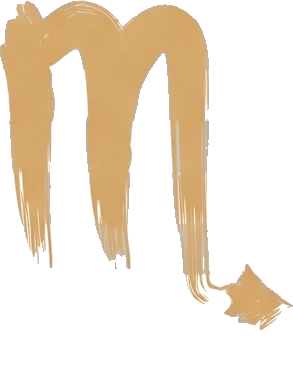 ,
 ) if you struggle with emotional intimacy, as their need for deep emotional connection may clash with your need for detachment.
Conclusion
The path of integrating in moves from the shadow of emotional suppression, intellectual arrogance, and neglect of personal relationships to the highest expression of balanced, compassionate collective leadership. In its lower expression, the native may spend their early life rejecting all emotional vulnerability, dismissing other people’s feelings as irrational, and prioritizing abstract ideals over the needs of the people closest to them, leading to burnout, alienation, and a deep, unspoken sense of emotional emptiness. The integration path begins when the native learns to honor their lunar need for emotional connection and vulnerability, rather than suppressing it in favor of Aquarian detachment. They learn that emotional intelligence is not a weakness, but a strength that enhances their ability to connect with others and create more compassionate, inclusive collective systems. They learn to balance their commitment to collective progress with care for their own personal well-being and their intimate relationships, recognizing that nurturing their own emotional health allows them to show up more fully for the causes and communities they care about. They also learn to temper their idealistic dogmatism with humility, recognizing that progress is built through collaboration and compromise, not just individual genius or rebellion. The highest expression of this placement is a person who acts as a bridge between the personal and the collective: they use their deep, intuitive understanding of human emotion to create innovative, inclusive systems that support both individual well-being and collective progress. They are the leaders of social movements, the inventors of life-changing technologies, the teachers who inspire future generations, and the trusted, caring members of their communities who are able to balance their fierce independence with deep, abiding compassion for all people. They prove that emotion and intellect are not opposing forces, but complementary ones, and that the most powerful progress is built on both logical innovation and deep, heartfelt care for humanity.
This article was prepared by the [Astrobot](https://astrobot.chat) editorial team — your personal astrological assistant. The material is based on classical and modern astrological sources.
