 Planet Overview
 Moon
Introduction
The is the most intimate, personal planet in the natal chart: it governs instinct, emotional memory, subconscious patterns, the need for safety, and the way we nurture ourselves and others. When the falls in , the mutable water sign ruled by , this core emotional function is immersed in the sign of dissolution, transcendence, and the collective unconscious. This placement is one of the personality’s key knots because it creates a permanent, unbreakable link between the individual’s private emotional world and the formless, boundary-less energies of the collective, making the native’s inner life inherently porous, sensitive, and attuned to realities beyond the material plane. Unlike aspects between two separate planetary functions, this is a fusion of the lunar essence with the archetype, shaping every emotional response, creative impulse, and relationship to safety and security for the entire lifetime. Unlike most placements, which have a fixed, defined emotional style, in has no consistent emotional baseline: the native’s moods shift to match the energies of their environment, making them a living mirror for the feelings of the people and places around them.
 , the mutable water sign ruled by
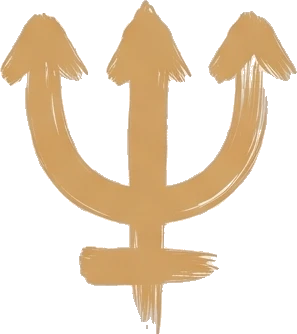 , this core emotional function is immersed in the sign of dissolution, transcendence, and the collective unconscious. This placement is one of the personality’s key knots because it creates a permanent, unbreakable link between the individual’s private emotional world and the formless, boundary-less energies of the collective, making the native’s inner life inherently porous, sensitive, and attuned to realities beyond the material plane. Unlike aspects between two separate planetary functions, this is a fusion of the lunar essence with the
The Nature of the Placement
This is not a traditional angular aspect between two separate planetary bodies, but a fundamental planetary placement that functions as a permanent fusion of the ’s core emotional nature with the archetypal energy of . The is a cold, moist, feminine, nocturnal planet, designed to absorb, reflect, and nurture; is a mutable cold, moist water sign defined by dissolution, boundarylessness, empathy, and connection to the collective unconscious. Their interaction is inherently harmonious in tone, as both share a moist, receptive, feeling-oriented nature, but it carries the risk of inertia and diffusion that comes with all easy, flowing energies, with no hard angular tension to force the native to define their emotional boundaries. There is no applying or separating dynamic here, as the placement is fixed for the native’s lifetime, but its strength is amplified if the falls close to the 3rd degree of (the degree of ’s exaltation, per classical sources) or sits in a cadent house (3rd, 6th, 9th, 12th), where energy is most naturally expressed. The dispositor of this placement is , the ruler of , whose strength and condition in the chart will directly shape how the in manifests: a strong, well-aspected amplifies the gifts of intuition and creativity, while an afflicted increases the risk of escapism, deception, and emotional instability. Classical sources note that the is a "quickly changing" planet that reflects the themes of any planet it is in close contact with, so this placement causes the native’s emotional nature to mirror the themes of in their chart: if is strong, they are a vessel for universal compassion; if is weak, they are vulnerable to illusion and emotional confusion.
Symbolism and Mythology
The ’s archetype spans the Greek goddesses Selene (the lunar tider who traverses the night sky), Artemis (the huntress of the wild, intuitive feminine), and Hecate (the guardian of crossroads and the subconscious), all embodying the cycles of change, the pull of instinct, and the private inner world that feeds our sense of safety. , ruled by , draws from the myth of the sea god who governs the vast, boundary-less ocean of the collective unconscious, as well as the classical story of the two fish tied by a cord, representing the tension between merging with the divine whole and maintaining a separate individual identity. The meeting of these two archetypes is embodied in the myth of the moon’s pull on the tides: the lunar emotional core stirs the deep, hidden waters of the collective, drawing forth unspoken feelings, prophetic dreams, and creative inspiration that belong to no single individual. In classical cultural context, this pairing has long been associated with mystics, healers, and artists who serve as vessels for universal emotion, translating the unspoken language of the collective into form through art, ritual, or compassionate care.
The Principles of the Planets in the Chart
The in the Chart
The governs the subconscious mind, emotional memory, instinctual responses, the need for safety, and the capacity for nurturing and being nurtured. In , this function loses its usual sharp, personal boundaries: the native does not experience emotion as a discrete, individual state, but as a current that flows between the self and the collective. The lunar instinct here is not to build a secure, defined emotional home, but to merge with something larger than the self — whether that is a spiritual ideal, a creative project, a loved one, or the collective emotional field. This placement amplifies the ’s natural sensitivity and receptivity, but also its tendency toward mood swings, as the native is constantly buffeted by ambient energies they cannot easily filter out. As a nocturnal, feminine planet, the in operates most powerfully at night, in dream states, or in quiet, unstructured environments where the subconscious can surface without interference.
in the Chart
is the mutable, water sign of the zodiac, representing the final stage of the evolutionary cycle where individual identity dissolves into the collective whole. Its archetypal energy is defined by boundarylessness, empathy, creativity, spiritual longing, and a tendency to blur the line between reality and illusion. As the domicile of , the planet of transcendence and dissolution, does not seek to define or structure experience, but to merge with it, to feel the underlying unity of all things. When any planet falls in , its energy is softened, expanded, and infused with a sense of the universal, losing its sharp individual edges in favor of a more fluid, formless expression that prioritizes feeling over fact, and connection over separation.
The Combined Influence
The fusion of the lunar emotional core with dissolution creates a personality whose inner world is a direct conduit to the collective unconscious. The native does not experience emotion as a private, individual state, but as a shared current that connects them to all living things, to unspoken cultural traumas, to creative inspiration that feels like it comes from an external source. Their fundamental need for security is not met by material stability or defined personal boundaries, but by feeling a sense of connection to something larger than the self: a spiritual ideal, a creative calling, a community, or a loved one they can merge with. This pairing gives the native a natural capacity for profound compassion, artistic genius, and spiritual insight, but also a lifelong struggle to distinguish their own feelings from the feelings of others, and to ground their diffuse, formless inner world in concrete, material reality.
Expression in Sign and House
The sign of is a mutable water sign, meaning its energy is fluid, adaptive, and deeply feeling-oriented, with no fixed structure to contain it. This colors the in with a relentless, ever-shifting emotional current: the native’s moods change as quickly as the tides, shaped by the people, environments, and spiritual energies around them, with no fixed emotional "baseline" to anchor them. The mutable quality also gives the native a remarkable ability to adapt to others’ emotional needs, but at the cost of their own sense of personal emotional identity.
The house placement of the in determines the arena where this emotional porosity plays out:
- 1st House: The native’s entire outward identity is shaped by their emotional sensitivity; they appear dreamy, compassionate, and unusually attuned to the feelings of others, often taking on the role of an informal counselor or healer in their social circle. They may struggle to define their own needs separate from the needs of those around them.
- 4th House: The native’s inner sense of safety is tied to the subconscious and the spiritual realm; their childhood home may have been unstructured, chaotic, or infused with artistic or mystical energy, and they may have a deeply idealized or ambiguous relationship with the mother figure. As adults, they require a home environment that feels fluid, creative, and free of rigid rules to feel secure.
- 7th House: The native seeks partners who are compassionate, artistic, or spiritually inclined, but has a lifelong tendency to merge with their partners to the point of losing their own emotional identity. They may attract partners who are unreliable, escapist, or emotionally unavailable, as they unconsciously seek someone who can provide the emotional stability they cannot generate for themselves.
- 10th House: The native’s public reputation is tied to their empathy, creativity, or spiritual gifts; they may find success in careers related to art, healing, spirituality, or humanitarian work, but may struggle with the rigidity of corporate or hierarchical structures, as their emotional nature requires freedom to flow.
- 12th House: This is the natural domicile of , so the here is amplified, giving the native extraordinary psychic sensitivity, vivid prophetic dreams, and a natural connection to the subconscious and the spiritual realm. They may have a lifelong pattern of withdrawing from the material world to recharge, and may struggle with hidden emotional fears, escapism, or a sense of being disconnected from concrete reality.
Combined Influence across Positions
The dispositor of the in is , so its placement and aspects will directly shape how this energy manifests: if is well-placed in a cadent or angular house with harmonious aspects to the , , or , the native will express the highest gifts of this placement: profound artistic talent, healing ability, and spiritual wisdom. If is poorly placed, afflicted by , , or , the native will struggle with the shadow sides of this placement: emotional diffusion, self-deception, addiction, and a tendency to escape from reality through fantasy, substance use, or unhealthy relationships.
 ,
 , or
 , the native will express the highest gifts of this placement: profound artistic talent, healing ability, and spiritual wisdom. If
 ,
 , or
 , the native will struggle with the shadow sides of this placement: emotional diffusion, self-deception, addiction, and a tendency to escape from reality through fantasy, substance use, or unhealthy relationships.
Differences Between the Male and Female Chart
The Male Chart
In the classical astrological framework, the is a feminine, nocturnal planet, so its placement in in a male chart often manifests as a highly developed capacity for empathy, emotional intuition, and creative expression that may be at odds with social expectations of masculine stoicism and rationality. First, the male native with this placement often has a rich inner emotional life that he may hide from others, fearing judgment for being "too sensitive," leading to a tendency to withdraw into fantasy, art, or spiritual practice rather than expressing his feelings openly. Second, he may attract women who are emotionally unstable, escapist, or in need of care, as his natural nurturing energy draws those who seek a safe emotional harbor, but this can lead to him taking on the role of the "fixer" in relationships, neglecting his own needs in the process. Third, his career success often comes in fields that value empathy and creativity: art, music, healing, counseling, or spiritual work, but he may struggle with competitive, cutthroat work environments that require emotional detachment, as his lunar sensitivity makes him vulnerable to workplace conflict and stress.
The Female Chart
In the female chart, the is a natural, familiar function, so its placement in manifests as an intensified, almost second-nature capacity for emotional absorption and spiritual connection, but also amplifies the classical risks associated with the ’s sensitive nature. First, the female native with this placement often has a lifelong struggle to distinguish her own emotions from the emotions of others, leading to a pattern of people-pleasing, taking on other people’s problems, and neglecting her own needs to care for those around her, which can lead to chronic burnout and resentment if unaddressed. Second, she may have a deeply idealized, almost mythical view of love and relationships, seeking a "soulmate" who can merge with her completely, which can lead to disappointment when partners fail to meet this impossible standard, or to staying in unhealthy relationships because she feels responsible for her partner’s emotional well-being. Third, she is naturally gifted with healing, artistic, or intuitive abilities, but may dismiss these gifts as "irrational" or "unimportant" due to societal devaluation of feminine emotional and spiritual knowledge, leading her to underachieve or hide her talents unless she actively works to honor and develop them.
Psychological Portrait
The native with in has a character defined by profound empathy, vivid imagination, and a relentless pull toward the unseen, emotional, and spiritual realms. Their motivation is rooted in a deep, instinctual need to feel connected to something larger than the individual self: whether that is a creative calling, a spiritual practice, a community, or a loved one, they seek to dissolve the boundaries of the ego to experience unity with the whole. Their greatest fear is abandonment, but also engulfment: they crave deep emotional intimacy, but fear losing their sense of self in the process of merging with others, leading to a lifelong push-pull between connection and withdrawal.
Self-esteem is tightly tied to the native’s ability to channel their inner world into something meaningful: they feel most valuable when they are creating art, healing others, or serving a cause they believe in, and feel worthless when they are forced to engage with mundane, material tasks that feel meaningless to them. Their style of thinking is non-linear, intuitive, and associative: they do not process information through logical, step-by-step reasoning, but through flashes of insight, emotional resonance, and symbolic interpretation, making them naturally gifted at understanding unspoken subtext, but prone to confusion and disorganization in structured, rule-bound environments. Their attachment style is often anxious-preoccupied or disorganized: they crave deep, soul-level connection with caregivers and partners, but their porous emotional boundaries make them vulnerable to taking on others’ emotions, leading them to either cling too tightly to loved ones or withdraw into fantasy to avoid being hurt.
Spheres of Life
Career
The native with in thrives in careers that allow them to express their empathy, creativity, and intuition without rigid structure or emotional detachment. Ideal professions include artist, musician, writer, healer, counselor, social worker, spiritual advisor, veterinarian, or worker in the nonprofit or humanitarian sector. They struggle in corporate, hierarchical, or highly competitive environments that require emotional suppression, strict adherence to rules, or cutthroat competition, as their porous emotional boundaries make them vulnerable to burnout, workplace conflict, and stress. They may have a pattern of job-hopping, not because they are unreliable, but because they need to feel emotionally connected to their work to stay motivated, and will leave roles that feel meaningless or emotionally draining even if they are financially stable.
Relationships
In relationships, the native is deeply loyal, compassionate, and devoted, but has a lifelong tendency to merge with their partner to the point of losing their own identity. They are naturally gifted at understanding their partner’s unspoken needs and emotions, but may take on their partner’s problems as their own, leading to resentment if their own needs are neglected. They are drawn to partners who are artistic, spiritual, or emotionally vulnerable, but may unconsciously attract partners who are escapist, unreliable, or in need of "fixing," as their nurturing energy draws those who seek a safe emotional harbor. They thrive in relationships that allow for creative collaboration, spiritual connection, and emotional openness, but struggle with partners who are emotionally distant, rigid, or dismissive of their intuitive gifts.
Finances
The native’s relationship with money is often fluid and unstructured, as they do not have a strong natural instinct for material security or financial planning. They may earn money through unconventional, creative, or service-oriented work, but struggle to save or budget, as they are prone to spending money on others, on artistic pursuits, or on experiences that feel emotionally meaningful rather than practical. They may have unexpected windfalls or financial support from unexpected sources (inheritance, gifts from loved ones, success in creative work), but also face periods of financial instability when they prioritize emotional or spiritual needs over material stability. They thrive when they align their financial goals with their values: earning money through work that serves others or expresses their creativity, rather than chasing wealth for its own sake.
Health
The native’s health is closely tied to their emotional and energetic state, as their porous boundaries make them vulnerable to absorbing the stress, illness, and negative emotions of those around them. They are prone to psychosomatic illnesses that manifest when they are overwhelmed by unprocessed emotion: chronic fatigue, headaches, digestive issues, or immune system weakness that has no clear medical cause. They are also at risk of escapism through substance use, overeating, or excessive screen time, as they use these methods to avoid processing difficult emotions or confronting harsh material reality. They thrive when they have regular routines that ground them in their bodies: yoga, meditation, walking in nature, or creative practice, which help them release absorbed energies and maintain a sense of energetic boundary.
Challenges and Gifts
Shadow Sides
1. Emotional Diffusion: The native’s porous boundaries make them unable to distinguish their own emotions from the emotions of others, leading to chronic people-pleasing, taking on other people’s problems, and losing their sense of self in relationships or group settings. They may feel overwhelmed, resentful, and exhausted from carrying the emotional weight of everyone around them, with no clear way to set boundaries.
2. Escapism and Avoidance: The native’s aversion to harsh material reality and difficult emotions leads them to escape into fantasy, substance use, excessive sleep, or unhealthy relationships rather than confronting problems head-on. They may have a pattern of avoiding responsibility, procrastinating on concrete tasks, and idealizing situations that are not healthy for them, leading to repeated cycles of disappointment and crisis.
3. Self-Deception and Naivety: The native’s tendency to blur the line between reality and illusion makes them vulnerable to self-deception, gullibility, and being taken advantage of by manipulative people. They may idealize others, ignore red flags in relationships, or convince themselves that a situation is better than it is to avoid the pain of confronting the truth, leading to repeated betrayal and hurt.
4. Emotional Instability and Mood Swings: The native’s sensitivity to ambient energies means their moods shift rapidly and without warning, leading to a pattern of emotional highs and lows that can be confusing and destabilizing for themselves and those around them. They may have difficulty regulating their emotions, leading to outbursts of tears or anger that feel out of proportion to the trigger, or periods of withdrawal and depression that they cannot explain.
5. Victimhood and Helplessness: The native may develop a pattern of seeing themselves as a victim of circumstances, other people’s emotions, or fate, rather than taking responsibility for their own choices and boundaries. They may feel powerless to change their situation, leading to passivity, resignation, and a reliance on others to "save" them, rather than taking action to improve their own lives.
Bright Sides
1. Profound Empathy and Compassion: The native has a natural, almost supernatural capacity to feel the emotions of others, making them exceptionally caring, supportive, and attuned to the needs of those around them. They are often the person that friends and family turn to for comfort, as they can hold space for pain without judgment, and offer compassion that feels truly seen and understood.
2. Creative and Artistic Genius: The native’s porous inner world gives them access to a limitless well of creative inspiration, making them naturally gifted at art, music, writing, dance, or any form of creative expression that allows them to translate their inner feelings into form. They often have a unique, otherworldly aesthetic that resonates deeply with others, and may produce work that feels like it comes from a universal, collective source rather than their own individual experience.
3. Intuitive and Psychic Gifts: The native has a natural ability to access information that is not available through logical reasoning: they may have prophetic dreams, strong gut feelings that prove to be accurate, or the ability to sense hidden emotions, motives, or energies in people and places. They are often drawn to spiritual practices, healing work, or occult studies, where they can develop these gifts to help others and navigate their own lives with greater clarity.
4. Spiritual Connection and Transcendence: The native has a natural, effortless connection to the spiritual realm, and may have experiences of unity, transcendence, or connection to the divine without needing to follow formal religious or spiritual practices. They are often drawn to nature, art, or acts of service as a way to experience this connection, and may serve as a bridge between the material and spiritual worlds for others, helping people connect with their own intuition and sense of purpose.
5. Healing Ability: The native’s combination of empathy, intuition, and compassion makes them a natural healer, able to comfort and support others through emotional, spiritual, or even physical illness. They may have a natural talent for hands-on healing, energy work, or counseling, and may find that their presence alone has a calming, restorative effect on those who are suffering.
Practical Recommendations
| Sphere | Advice | Astrological Tool |
|---|---|---|
| Emotional Boundaries | Practice daily boundary-setting exercises, such as saying "no" to requests that feel draining, and visualizing a protective white light around your aura to filter out absorbed energies. | Work with the Earth element (grounding meditations, walking barefoot, gardening) to strengthen your sense of personal boundary, as Earth is the opposite element of and helps anchor diffuse emotional energy. |
| Creative Expression | Commit to a regular creative practice (writing, drawing, music, dance) that allows you to channel your inner feelings and intuitive insights into form, even if you do not share your work with others. | Activate your 5th house (the house of creativity) by creating a dedicated creative space in your home, and work with the energy of (the planet of creativity and beauty) by surrounding yourself with art, music, and beautiful objects that inspire you. |
| Relationships | Communicate your needs clearly to partners and loved ones, rather than assuming they can read your mind or prioritizing their needs over your own. Schedule regular alone time to recharge and reconnect with your own identity outside of your relationships. | Work with the energy of (the planet of boundaries and structure) by setting clear, consistent relationship boundaries, and avoid merging with partners completely by maintaining separate hobbies, friend groups, and personal space. |
| Career | Seek work that aligns with your values of compassion, creativity, and service, rather than chasing high-paying roles that feel emotionally draining or meaningless. Avoid overly competitive or hierarchical work environments that require you to suppress your sensitivity. | Activate your 10th house (the house of career) by building a professional reputation based on your unique gifts, and work with the energy of (the planet of expansion and opportunity) by seeking roles in nonprofit, artistic, or healing fields that allow you to grow and serve others. |
| Finances | Create a simple, flexible budget that allows for both practical needs and occasional spending on creative or spiritual pursuits that bring you joy. Avoid lending money to others unless you can afford to lose it, as your natural generosity can lead to financial instability. | Work with the energy of (the planet of structure and discipline) by setting aside a small portion of your income each month for savings, and avoid impulsive spending by waiting 24 hours before making non-essential purchases to ensure they align with your values. |
| Health | Prioritize regular routines that ground you in your body and release absorbed energies: yoga, meditation, walking in nature, or energy healing sessions can help you maintain energetic boundaries and prevent psychosomatic illness. | Work with the energy of (the planet of energy and action) by engaging in regular physical activity that gets your body moving, and avoid escapism through substance use, overeating, or excessive screen time by replacing these habits with grounding, nourishing activities. |
| Spiritual Practice | Develop a regular spiritual practice that feels authentic to you, rather than following rigid dogmas or traditions that do not resonate with your intuitive nature. Use meditation, dream journaling, or time in nature to connect with your inner wisdom and the collective unconscious. | Activate your 12th house (the natural house of ) by creating a sacred space in your home for meditation and spiritual practice, and work with the energy of (the ruler of ) by engaging in activities that connect you to the divine: art, music, service to others, or time near water. |
| Escapism | When you feel the urge to escape from difficult emotions or situations, pause and name the emotion you are feeling, then take a small, concrete action to address the problem, rather than retreating into fantasy or avoidance. | Work with the energy of (the planet of logic and communication) by journaling about your feelings to process them in a concrete, structured way, and avoid isolation by reaching out to a trusted friend or counselor when you feel overwhelmed. |
 (the planet of logic and communication) by journaling about your feelings to process them in a concrete, structured way, and avoid isolation by reaching out to a trusted friend or counselor when you feel overwhelmed.
Conclusion
The in is a placement of profound spiritual and creative potential, but it requires conscious integration to avoid the shadow sides of emotional diffusion, escapism, and self-deception. The path to highest expression begins with the development of clear, consistent emotional boundaries: learning to distinguish your own feelings from the feelings of others, saying no to requests that drain you, and creating structured routines that ground you in the material world. As you learn to honor your natural gifts of empathy, intuition, and creativity without being overwhelmed by them, you will step into your role as a vessel for universal love and wisdom: a healer, artist, or spiritual guide who helps others connect with their own inner worlds, while remaining firmly rooted in your own sense of self. The ultimate gift of this placement is the ability to transcend the boundaries of the individual ego and experience the underlying unity of all things, but this gift can only be fully realized when you have built a stable, secure emotional foundation that allows you to navigate the formless waters of the collective without losing yourself in the tide.
This article was prepared by the [Astrobot](https://astrobot.chat) editorial team — your personal astrological assistant. The material is based on classical and modern astrological sources.
