 Planet Overview
 Moon
Introduction
This is a foundational, lifelong natal placement, not a temporary transit or cross-planet aspect, but a permanent wiring of the lunar function to Scorpio’s intense, transformative energy. It ranks among the most emotionally charged configurations in a natal chart, as it merges the Moon’s role as guardian of the subconscious, instinct, and personal security with Scorpio’s relentless demand for truth, depth, and reinvention. Unlike Moon placements in lighter, more social signs, this configuration does not allow for shallow emotional processing or fleeting moods; every feeling is filtered through a lens of secrecy, intensity, and a need to pierce illusion. For the native, emotional safety is never found in routine or familiar comfort, but in the process of confronting what is hidden, both within the self and in the world around them.
The Nature of the Aspect
This placement is not a traditional angular aspect between two separate celestial bodies, but a total fusion of the lunar function with the sign of Scorpio, creating an inseparable, permanent link between the two energies. The "angle" of this configuration is a 0° conjunction of function and sign, with an exact orb of 0°, meaning the energy operates at full intensity for the native’s entire life, with no separation between the Moon’s core needs and Scorpio’s inherent drives. This is an applying aspect, not a separating one: it represents an inexorable inner demand that the native cannot ignore or outgrow, rather than a lesson already mastered. There is no easy release for the emotions of this placement; every feeling is tied to a deeper, often unspoken truth, and the native will spend their life navigating the tension between the Moon’s desire for security and Scorpio’s need to transform that security into something more authentic and enduring. Unlike harmonious aspects that operate automatically, this placement requires conscious integration: if left unaddressed, it leads to emotional chaos and self-sabotage; if integrated, it becomes a source of profound strength and unparalleled healing power.
Symbolism and Mythology
The Moon’s archetype is the divine feminine, guardian of cycles, memory, instinct, the subconscious, the nurturing mother, the tides of emotion, and the bridge between the conscious and unconscious mind. It is the keeper of personal and ancestral memory, the part of the self that holds onto what others forget, and the source of our deepest emotional needs. Scorpio’s archetype is a fixed water sign ruled by Pluto (and traditionally Mars), associated with the scorpion, phoenix, and eagle, representing death, rebirth, taboo, hidden knowledge, sexuality, power, transformation, the underworld, and the secrets that lie beneath the surface of everyday life. Its core drive is to destroy illusion, confront what is hidden, and transform what is broken into something stronger and more real.
The mythological meeting of these two energies is best embodied by the story of Persephone: the maiden of spring, associated with the Moon’s nurturing, life-giving energy, is abducted by Hades ( Pluto, ruler of the underworld and Scorpio) and taken to the realm of the dead. There, she confronts the hidden, the taboo, and the parts of life that are ignored by the living, and ultimately gains the power to move between the world of light and the world of dark, bringing forth spring (rebirth) from the depths of the underworld each year. This mirrors the Moon in Scorpio’s journey: the emotional core is pulled into the depths of the subconscious, where it must confront hidden pain and trauma, but in doing so, gains the power to transform itself and others. The goddess Hecate, guardian of crossroads, magic, and the subconscious, also embodies this fusion: she holds the torch that lights the way through the dark, uncharted emotional undercurrents that the Moon in Scorpio navigates. Culturally, this placement has long been associated with keepers of secrets, healers, mystics, and those who work with the marginalized, the dying, and the hidden parts of society that others prefer to ignore.
 Pluto (and traditionally
 Mars), associated with the scorpion, phoenix, and eagle, representing death, rebirth, taboo, hidden knowledge, sexuality, power, transformation, the underworld, and the secrets that lie beneath the surface of everyday life. Its core drive is to destroy illusion, confront what is hidden, and transform what is broken into something stronger and more real.
The Principles of the Planets in the Chart
The Moon in the Chart
The Moon is the luminary of the subconscious, emotion, memory, instinct, personal security, the mother, the home, and the inner child. Its core function is to create a sense of safety, comfort, and belonging for the native. As a feminine, receptive planet, it absorbs emotional energy from its environment, storing it in the subconscious and using it to shape the native’s inner world. When placed in Scorpio, this need for security is completely rewired: the native no longer finds safety in superficial comfort or routine, but in depth, authenticity, and the process of emotional transformation. The Moon in Scorpio does not forget emotional wounds; it stores them in the subconscious, using them as fuel for later psychological excavation. This placement turns the emotional core into a deep well: it can hold immense pain, but also immense capacity for loyalty, healing, and intuitive insight. The native’s emotional responses are not impulsive or fleeting; they are slow to surface, but once they do, they are all-consuming and impossible to ignore. The Moon is in its fall in Scorpio, meaning its natural expression is challenged here: it must learn to find security not in comfort, but in truth, even when that truth is painful.
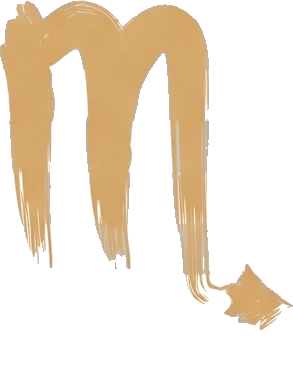 Scorpio, this need for security is completely rewired: the native no longer finds safety in superficial comfort or routine, but in depth, authenticity, and the process of emotional transformation. The Moon in Scorpio does not forget emotional wounds; it stores them in the subconscious, using them as fuel for later psychological excavation. This placement turns the emotional core into a deep well: it can hold immense pain, but also immense capacity for loyalty, healing, and intuitive insight. The native’s emotional responses are not impulsive or fleeting; they are slow to surface, but once they do, they are all-consuming and impossible to ignore. The Moon is in its fall in Scorpio, meaning its natural expression is challenged here: it must learn to find security not in comfort, but in truth, even when that truth is painful.
Scorpio in the Chart
Scorpio is a fixed water sign, ruled by Pluto (and traditionally Mars), associated with the 8th house of death, rebirth, shared resources, taboo, and the subconscious. Its core drive is to pierce illusion, confront what is hidden, transform what is broken, and access the deepest truths that others avoid. Scorpio does not tolerate superficiality; it demands total authenticity, and it is willing to destroy what is fake in order to make way for something real and lasting. When a planet is placed in Scorpio, its function is intensified, deepened, and given a transformative edge: it is no longer satisfied with surface-level expression, but must dig to the core of its purpose. For the Moon, this means that emotional processing is never shallow: every feeling must be examined, understood, and transformed into something meaningful.
The Combined Influence
This placement creates a single, unified scenario where the native’s entire emotional life is governed by the need for depth and transformation. They do not experience "small" feelings; every emotion is tied to a fundamental truth about themselves or the world. Their subconscious is a repository of hidden memories, unspoken secrets, and unresolved trauma, but it is also the source of their greatest strength: their ability to intuit the hidden motives of others, to heal emotional wounds through total presence, and to reinvent themselves after every crisis. This placement creates a person who is either a master of psychological transformation or a prisoner of their own unresolved emotional pain, depending on how they integrate the energy. There is no middle ground: the Moon in Scorpio either uses its depth to heal itself and others, or it drowns in the very undercurrents it is meant to navigate. The native will never be satisfied with superficial relationships or shallow pursuits; they are driven to uncover the truth, no matter how painful it may be.
Expression in Sign and House
The sign sets the style, tempo, and elemental quality of the expression, while the house sets the arena of life where this emotional depth unfolds most intensely. As a fixed water sign, Scorpio gives the Moon’s emotional responses a slow, persistent, and unyielding quality. Unlike Moon in Cancer (cardinal water, which seeks comfort in the familiar and the nurturing) or Moon in Pisces (mutable water, which seeks escape in fantasy and illusion), Moon in Scorpio seeks comfort in truth, even when that truth is painful or uncomfortable. The fixed nature of Scorpio means that once the native forms an emotional attachment, it is for life; they do not let go of people or wounds easily, but they also do not abandon those they love, no matter the hardship. The water element means that all emotional processing is intuitive, non-verbal, and tied to the subconscious: the native may not be able to articulate why they feel a certain way, but their feelings are almost always accurate, as they are picking up on hidden information that the conscious mind misses.
The house where Moon in Scorpio falls marks the arena of life where the native will experience the most intense emotional transformation, encounter the deepest secrets, and either heal or be wounded most profoundly. For example:
 Cancer (cardinal water, which seeks comfort in the familiar and the nurturing) or Moon in
 Pisces (mutable water, which seeks escape in fantasy and illusion), Moon in
- Moon in Scorpio in the 4th house (home, family, ancestry): the native’s childhood was likely marked by hidden family secrets, unspoken trauma, or intense, unspoken emotional bonds with the mother or primary caregiver. They may have a complicated relationship with the concept of "home," as their early environment was likely a place of hidden pain as well as deep loyalty.
- Moon in Scorpio in the 7th house (partnerships, marriage): the native will be drawn to intense, transformative partnerships that force them to confront their own emotional shadows. They may experience power struggles, jealousy, or betrayal in relationships, but these experiences ultimately lead to deeper intimacy and personal growth.
- Moon in Scorpio in the 10th house (career, public life): the native will be drawn to careers that involve healing, investigation, or transformation of societal structures. They may gain public recognition for their work in fields like psychology, crisis management, or investigative journalism, but they may also face public scrutiny or betrayal in their professional life.
Combined Influence across positions
The dispositor of the Moon (the planet that rules Scorpio, which is Pluto, or traditionally Mars) will shape how this energy is expressed in the native’s life. If Pluto is strong, well-aspected, and placed in a prominent house (such as the 1st, 10th, or 8th), the native will easily access the transformative, healing potential of this placement, using their emotional depth to help others and transform their own pain into power. If Pluto is afflicted (by hard aspects to Saturn, Mars, or Neptune) or placed in a challenging house (such as the 6th, 8th, or 12th), the native may struggle with obsession, jealousy, emotional manipulation, and a fear of vulnerability that leads to isolation. If Mars is the traditional dispositor and is strong and well-aspected, the native will have the drive to act on their emotional intuitions, to fight for truth, and to transform their pain into action; if Mars is weak or afflicted, they may struggle with repressed anger, passive-aggression, and a fear of taking emotional risks.
 Saturn,
 Neptune) or placed in a challenging house (such as the 6th, 8th, or 12th), the native may struggle with obsession, jealousy, emotional manipulation, and a fear of vulnerability that leads to isolation. If
Differences Between the Male and Female Chart
The Male Chart
Societal conditioning often discourages men from expressing deep, vulnerable emotion, so the male native with Moon in Scorpio typically learns early to hide his emotional depth behind a stoic, unreadable exterior. He may see vulnerability as a weakness, and instead channel his emotional intensity into work, power, or sexual expression. He is fiercely loyal to a small circle of trusted people, but he will cut off anyone who betrays him without warning, as he cannot tolerate disloyalty. He may have a complicated relationship with the feminine, either idealizing it as a source of mystery and depth or fearing it as a source of emotional pain, because his inner feminine (the Moon) is placed in the sign of the deepest, most mysterious feminine archetype. He is drawn to careers that involve investigation, crisis management, or healing, such as detective work, surgery, psychology, or emergency response, where he can use his emotional intuition to help others in moments of crisis. His emotional resilience is extraordinary; he can survive trauma and loss that would break others, but he may struggle to ask for help when he is hurting, as he sees self-reliance as a core value.
The Female Chart
The female native with Moon in Scorpio often has a more socially acceptable access to emotional depth, but she may still face stigma for being "too intense," "too much," or "too dark" for others. She may struggle with shame around her own emotional intensity, sexuality, or desire for power, as society often discourages women from expressing these traits. She may have a complicated relationship with her own femininity, either embracing the power of the Scorpio feminine (the priestess, the healer, the transformer) or rejecting it in an attempt to fit in with more superficial social norms. She is likely to have a powerful, almost psychic connection to her own body and emotions, and may be drawn to healing work, particularly around women’s issues, trauma, or sexuality. She may experience intense, transformative relationships with other women, particularly her mother, who may be a source of both deep wounding and profound healing. Unlike the male native, she is less likely to hide her emotional depth, but she may still struggle with trust, fearing that others will not be able to handle her intensity or will judge her for her darkness.
Psychological Portrait
- Character: The native is intensely private, perceptive, and unafraid of the dark, hidden parts of life. They hate small talk and superficial social interactions, preferring conversations that go to the core of human experience. They are fiercely loyal to the small circle of people they trust, but they are quick to cut off anyone who betrays them or proves to be inauthentic. They have a dry, sharp wit, and are not afraid to call out hypocrisy or illusion, even when it is socially uncomfortable. They are naturally drawn to the taboo, the mysterious, and the parts of life that others avoid, such as death, trauma, and the subconscious.
- Motivation: Their core motivation is to uncover truth, both about themselves and the world around them. They are driven by a need to understand the hidden mechanisms of life, to heal what is broken, and to transform pain into power. They are not motivated by superficial rewards like fame, status, or material wealth; they are motivated by depth, authenticity, and the ability to make a meaningful, lasting impact on the world. They are naturally drawn to roles where they can help others transform their lives, whether as a healer, investigator, or activist.
- Fears: Their greatest fear is betrayal, particularly emotional betrayal. They have a long memory for emotional wounds, and the fear of being hurt again leads them to be cautious about vulnerability. They also fear being powerless, of being unable to control the transformative processes that shape their life, and of being trapped in a superficial, meaningless existence. They fear being seen as "too much" or being rejected for their intensity, which leads them to hide their true selves from people they do not trust.
- Self-esteem: Their self-esteem is tied to their ability to be authentic, to confront their own shadows, and to transform their pain into strength. They do not care what others think of them, as long as they are living in alignment with their own truth. They may struggle with low self-esteem if they feel they are hiding their true selves, living a life that is not authentic, or failing to live up to their own standards of depth and honesty.
- Style of thinking: Their thinking is intuitive, deep, and non-linear. They do not rely solely on logic or facts; they rely on their gut instinct, which is almost always accurate, as it is picking up on hidden information that the conscious mind misses. They are excellent at reading between the lines, picking up on hidden motives, and seeing patterns that others miss. They are critical thinkers, but their criticism is not mean-spirited; it is aimed at uncovering truth and helping others grow.
- Attachment style: They crave deep, total emotional intimacy, but their fear of vulnerability leads them to test potential partners to see if they are trustworthy. If they have a history of secure attachment in childhood, they will have a secure attachment style as adults, able to be vulnerable and committed without fear. If they have a history of betrayal or trauma, they may have an anxious-preoccupied attachment style, clinging to partners and fearing abandonment, or a dismissive-avoidant style, withdrawing from intimacy to avoid being hurt. Once they trust someone completely, they are fully committed, and they expect the same level of honesty and loyalty in return.
Spheres of Life
Career
The native is drawn to careers that involve investigation, healing, transformation, or working with hidden or taboo subjects. They excel as psychologists, therapists, surgeons, detectives, crisis counselors, investigative journalists, occultists, healers, funeral directors, or anyone who works with death, rebirth, or transformation of systems. They are not suited for superficial, routine jobs that do not allow them to dig deep or engage with meaningful, transformative work. They work best in environments that allow them autonomy, and they are often drawn to roles where they can challenge unjust power structures or help marginalized people. They may struggle with authority if they feel it is inauthentic or corrupt, and they may be drawn to entrepreneurial or independent work where they can set their own rules and work on their own terms.
Relationships
Their relationships are intense, transformative, and all-consuming. They do not do casual dating or superficial friendships; they either commit fully or not at all. They are fiercely loyal, but they expect total honesty and authenticity from their partners, and they have zero tolerance for deception or betrayal. They are deeply sexual, and they see sex as a form of emotional and spiritual connection, not just physical pleasure. They may struggle with trust early in relationships, testing their partners to see if they are worthy of their vulnerability. Once they trust someone, they are fully committed, and they will fight for the relationship through any crisis, including infidelity, loss, or trauma. They are drawn to partners who are also deep, authentic, and willing to confront their own shadows, and they are often attracted to people who have experienced trauma or transformation themselves, as they can relate to their depth.
Finances
They have a complicated relationship with money, shaped by their need for security and their comfort with transformation. On one hand, they are excellent at managing shared resources, investments, and other people's money, because they have a deep understanding of value, transformation, and hidden potential. They may be drawn to careers in finance, banking, real estate, or inheritance law, where they can work with other people's resources and help them grow over time. On the other hand, they may struggle with obsessive spending or saving, using money as a way to control their emotional security or cope with unprocessed pain. They may be drawn to risky investments, because they are not afraid of loss and transformation, but they may also struggle with financial instability if they act on impulse rather than logic. They are best suited to long-term, stable financial strategies that align with their values, rather than get-rich-quick schemes that promise quick transformation without effort.
Health (psychosomatic tendencies)
The Moon rules the stomach, breasts, and reproductive system, while Scorpio rules the reproductive organs, colon, and immune system. The native may struggle with psychosomatic illnesses related to repressed emotion: chronic stomach issues, reproductive disorders, or immune system problems that arise from unprocessed trauma or unresolved emotional pain. They tend to hold tension in their pelvis and lower abdomen, and they may benefit from practices that help them release repressed emotion, such as somatic therapy, breathwork, yoga, or dance. They are at risk of obsessive behaviors, such as obsessive eating, obsessive exercise, or obsessive sexual behavior, as a way to cope with unprocessed emotion. They may also be prone to depression or anxiety if they do not have a safe outlet for their emotional depth. They need to learn to process their emotions as they arise, rather than repressing them, because repressed emotion will eventually manifest as physical illness.
Challenges and Gifts
Shadow Sides
1. Covert emotional manipulation: Their innate ability to read hidden motives and unspoken secrets can lead them to use that insight to control others, whether through guilt-tripping, leveraging private information, or subtle mind games to ensure loyalty or avoid vulnerability. They may do this unconsciously, as a way to protect themselves from being hurt, but it ultimately pushes people away and erodes trust.
2. Destructive obsession: Their capacity for deep emotional attachment can curdle into obsessive jealousy, possessive control, and an inability to let go of past wounds or relationships that no longer serve them. They may become fixated on a person or a past hurt, replaying it over and over in their mind, and sabotaging their own happiness as a result.
3. Repressed emotional volatility: Their fear of vulnerability leads them to bury painful feelings so deep that they erupt in sudden, disproportionate outbursts of rage, grief, or passive-aggression that shocks the people around them. They may also turn their pain inward, leading to self-destructive behaviors such as substance abuse, self-harm, or suicidal ideation, as they see no other way to cope with the intensity of their emotions.
4. Cynical isolation: Their history of betrayal and their awareness of the world’s hidden darkness can lead them to assume all people are untrustworthy, pushing them into isolation and preventing them from forming the deep, meaningful connections they crave. They may push people away before they can be hurt, leading to a life of loneliness even when they long for connection.
Bright Sides
1. Exceptional emotional and psychic intuition: Their deep connection to the subconscious allows them to pick up on hidden truths, unspoken feelings, and underlying patterns in people and situations that are invisible to others. They are often the person that others come to with their deepest secrets, because they know how to hold space for pain without judgment, and their insights are often uncannily accurate.
2. Extraordinary resilience: Their lifelong experience of emotional death and rebirth means they possess a nearly unbreakable spirit; they can endure loss, trauma, and crisis with a quiet strength that allows them to rebuild their lives from scratch after every setback. They are the phoenix of the zodiac, rising from the ashes of their own pain stronger and more wise each time.
3. Natural transformative healing ability: Their willingness to confront their own shadows and emotional pain gives them a unique capacity to help others heal; they do not shy away from others' trauma, and they can guide people through their own darkest moments with compassion, insight, and unwavering presence. They are natural therapists, healers, and guides, and their work often has a profound, lasting impact on the people they help.
4. Unconditional, deep loyalty: Once they have earned their trust, they are fiercely devoted to their loved ones, standing by them through any hardship, and expecting the same level of commitment in return. Their loyalty is not superficial; it is forged in the fire of emotional truth, and it will never waver, even when times are hard. They are the person you can call at 2 a.m. with a crisis, and they will show up, no questions asked.
Practical Recommendations
| Sphere | Advice | Astrological Tool |
|---|---|---|
| Emotional Processing | Prioritize regular, intentional emotional release rather than repressing feelings until they erupt unexpectedly. Journal about hidden emotions, or work with a trusted therapist to process unresolved trauma. | Track lunar transits to Scorpio or the 8th house to identify when buried emotions are surfacing, and schedule dedicated time for emotional release during these periods. |
| Relationships | Communicate your need for depth and authenticity early in relationships, rather than testing partners or withdrawing to avoid vulnerability. Set clear boundaries around secrecy, control, and betrayal. | Conduct synastry analysis with potential partners, looking for harmonious aspects between your Moon and their Venus or Jupiter to identify partners who can comfortably handle your emotional intensity. |
| Career | Choose work that allows you to engage with transformation, healing, investigation, or hidden truth, rather than superficial, routine tasks that do not align with your need for depth. Avoid roles that require you to hide your true self or engage in deception. | Analyze the placement of your Pluto (or traditional Mars, dispositor of Scorpio) in your chart to identify career paths aligned with your transformative energy; look for planets in the 10th house or midheaven in Scorpio for additional guidance. |
| Finances | Avoid impulsive, risky financial decisions driven by emotional need for control or a desire for quick transformation. Focus on long-term, stable investments that align with your values, rather than get-rich-quick schemes. | Track transits of Saturn to your 2nd (personal finances) or 8th (shared resources) house to identify periods of financial stability, and avoid making large financial decisions during challenging Saturn transits. |
| Health | Prioritize practices that help you release repressed emotion from the body, such as somatic therapy, breathwork, yoga, or dance. Avoid using food, alcohol, or other substances to numb emotional pain. | Pay attention to lunar transits to your 6th house (health) or Scorpio, as these periods may highlight psychosomatic symptoms related to repressed emotion, and schedule extra self-care during these times. |
| Personal Growth | Confront your own shadow traits, such as jealousy, manipulation, or obsession, rather than projecting them onto others. Practice vulnerability with people you trust, even when it feels scary, to build deeper connections. | Work with the concept of the "shadow self" in your chart, tracking hard aspects between your Moon and Pluto or Mars to identify areas where you need to integrate repressed parts of yourself to achieve wholeness. |
| Spiritual Practice | Engage with spiritual practices that honor the cycle of death and rebirth, such as meditation on the underworld, working with ancestral spirits, or ritual practices that mark personal transformation and release of old patterns. | Work with your South Node (if placed in Scorpio or the 8th house) to identify karmic patterns related to emotional repression and transformation that you are here to heal, and create rituals to release these patterns. |
 Venus or
 Jupiter to identify partners who can comfortably handle your emotional intensity.
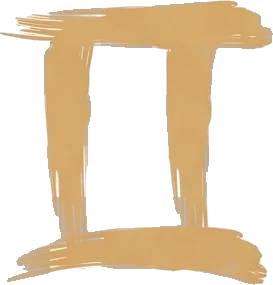 South Node (if placed in
Conclusion
The Moon in Scorpio is not a "difficult" placement in the sense of being inherently negative, but it is a deeply challenging one that requires the native to do the inner work of confronting their own darkness in order to unlock their greatest gifts. The shadow expression is marked by emotional manipulation, obsession, repression, and isolation, as the native avoids vulnerability and uses their depth to control others rather than heal. The highest expression is that of the healer, the mystic, the transformer: the native who has done the work to confront their own trauma, integrate their shadow, and use their profound emotional intuition to help others transform their pain into power. They become a guide for others navigating the darkest parts of life, holding space for grief, trauma, and loss without fear, and helping others to rise from the ashes of their own pain, just as they have done themselves. The path of integration requires learning to let go of the need for control, to be vulnerable with trusted others, and to trust that their emotional depth is a gift, not a curse. When integrated, this placement gives the native a wisdom and resilience that can only be forged in the depths, allowing them to live a life of profound meaning, authenticity, and transformative impact on the world.
This article was prepared by the [Astrobot](https://astrobot.chat) editorial team — your personal astrological assistant. The material is based on classical and modern astrological sources.
