 Planet Overview
 Sun
Introduction
The placement of the Sun in Aquarius is one of the most fundamental and defining configurations in a natal chart, as it shapes the very core of the native’s identity, will and life purpose. Unlike angular aspects between separate planets, this is a planet-sign fusion: the Sun’s inherent nature as the source of individual consciousness, vitality and ego expression is permanently filtered through Aquarius’s archetypal energy of collective enlightenment, intellectual independence and radical reform. This combination creates a lifelong personality pattern where the drive for personal self-actualization is inextricably linked to the desire to advance the greater good, making the native a natural pioneer, reformer and connector of like-minded communities. It is a key knot of the personality because it resolves the fundamental tension between individual identity and collective belonging, a tension that shapes every major life choice from career to relationships to personal values.
 Aquarius is one of the most fundamental and defining configurations in a natal chart, as it shapes the very core of the native’s identity, will and life purpose. Unlike angular aspects between separate planets, this is a planet-sign fusion: the Sun’s inherent nature as the source of individual consciousness, vitality and ego expression is permanently filtered through Aquarius’s archetypal energy of collective enlightenment, intellectual independence and radical reform. This combination creates a lifelong personality pattern where the drive for personal self-actualization is inextricably linked to the desire to advance the greater good, making the native a natural pioneer, reformer and connector of like-minded communities. It is a key knot of the personality because it resolves the fundamental tension between individual identity and collective belonging, a tension that shapes every major life choice from career to relationships to personal values.
The Nature of the Aspect
As a planet-in-sign placement, this configuration operates as a permanent, exact fusion of energies with no orb requirement, meaning its influence is consistent and unmodified by distance from other points in the chart. The Sun is a hot, dry, masculine, diurnal planet, the primary luminary of the chart, governing conscious will, ego identity, vitality, the need for recognition and the core drive to express one’s unique self. Aquarius is a fixed air sign, traditionally ruled by Saturn and modernly ruled by Uranus, characterized by intellectual detachment, commitment to collective progress, rejection of outdated tradition, love of freedom and fascination with future-facing innovation. The inherent tension of this pairing comes from the Sun’s focus on individual self-expression and personal recognition, contrasted with Aquarius’s tendency to prioritize group needs, downplay individual ego and reject conventional markers of status. The harmony of the pairing lies in the Sun’s ability to give focus, drive and personal identity to Aquarius’s often abstract, diffuse focus on collective good, turning vague progressive ideals into tangible, actionable change led by a unique individual voice. The dispositor of Aquarius (either Saturn or Uranus, depending on the astrologer’s preferred rulership scheme) will significantly shape how this tension and harmony play out: a well-placed, strong dispositor channels the energy into structured, impactful progressive work, while a weak or afflicted dispositor leads to erratic, rebellious or detached expression of the placement. Unlike applying or separating angular aspects between separate planets, this is a static, lifelong fusion: the native does not "master" this energy over time, but rather learns to balance its inherent tensions throughout their life.
 Saturn and modernly ruled by
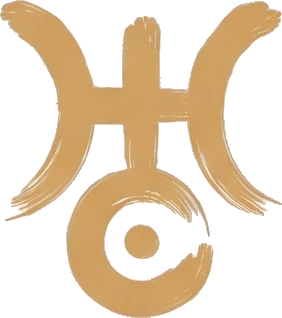 Uranus, characterized by intellectual detachment, commitment to collective progress, rejection of outdated tradition, love of freedom and fascination with future-facing innovation. The inherent tension of this pairing comes from the Sun’s focus on individual self-expression and personal recognition, contrasted with Aquarius’s tendency to prioritize group needs, downplay individual ego and reject conventional markers of status. The harmony of the pairing lies in the Sun’s ability to give focus, drive and personal identity to Aquarius’s often abstract, diffuse focus on collective good, turning vague progressive ideals into tangible, actionable change led by a unique individual voice. The dispositor of Aquarius (either
Symbolism and Mythology
The archetype of the Sun is universal across cultures: it is the divine spark of life, the conscious ego, the heroic individual who brings order, light and vitality to the world. In classical mythology, the Sun is associated with Helios, the Greek god who drives his chariot across the sky each day, bringing light to all people regardless of status, and with Apollo, the god of reason, art and individual prophecy. The archetype of Aquarius is the Water Bearer, the cupbearer to the gods in Greek myth, often identified as Ganymede, who was chosen by the gods for his beauty and purity to carry the waters of knowledge and enlightenment from Mount Olympus to humanity below. Aquarius is also deeply linked to the Titan Prometheus, who defied the gods to steal fire (the divine spark of the Sun) and give it to humanity, enabling progress, art and civilization. The mythological image of this pairing is thus the Sun (the divine spark of individual identity and creative will) meeting the Water Bearer/Prometheus, who does not hoard the spark for personal glory, but channels it to illuminate and empower all of humanity. The fixed air element of Aquarius represents the stable, enduring current of ideas and progressive principles that the Sun’s individual radiance is channeled into: not fleeting, emotional inspiration, but lasting, systemic change that benefits generations to come. The traditional ruler Saturn adds the layer of structure and time: the Aquarian Sun’s progressive work is not impulsive, but built over time, breaking down outdated Saturnine structures to build new, more equitable systems for the future.
The Principles of the Planets in the Chart
The Sun in the Chart
The Sun is the primary luminary and functional ruler of the natal chart, representing the native’s conscious ego, sense of self, vital energy, willpower and core drive to express their unique identity in the world. It is the "king" of the chart, the central point around which the personality is organized, and its placement by sign and house shapes every aspect of the native’s life, from their core motivations to their public image. In this placement, the Sun’s inherent drive for individual recognition and self-expression is filtered through Aquarius’s collective, progressive lens: the native does not seek to stand out as a unique individual for personal glory, but to use their unique gifts to contribute to a larger collective mission. Their sense of self is not tied to traditional markers of status (wealth, power, conventional success) but to their ability to be original, to advance progressive ideas and to belong to a community of like-minded change-makers.
Aquarius as the Sign of Expression
Aquarius is a fixed air sign, the last of the air signs, representing the culmination of intellectual development: the ability to take abstract ideas and turn them into stable, collective systems that benefit society as a whole. Its core themes are intellectual independence, radical innovation, humanitarianism, rejection of arbitrary tradition, love of freedom, detachment and focus on the collective good. It is the sign of the reformer, the inventor, the community organizer, the visionary who sees the potential for a better future and works to build it. As a fixed sign, Aquarius’s energy is stable, consistent and long-term oriented: the native does not chase fleeting trends, but works to build lasting, systemic change that endures beyond their own lifetime. Its traditional ruler Saturn gives it a focus on structure, discipline and long-term planning, while its modern ruler Uranus adds the spark of originality, rebellion and sudden, revolutionary insight.
The Combined Influence
The fusion of the Sun and Aquarius creates a personality whose core identity is tied to collective progress and intellectual innovation. The native’s will is not focused on personal gain or traditional success, but on advancing ideas and systems that benefit all of humanity. They express their individuality not through personal style or ego-driven achievement, but through their unique contributions to collective causes: their original inventions, their progressive advocacy, their leadership of community movements. The inherent tension of this pairing is the clash between the Sun’s need for individual recognition and Aquarius’s tendency to downplay the individual in favor of the group: the native may struggle with feeling unseen or unappreciated for their personal contributions, or may feel torn between pursuing their own personal goals and dedicating themselves to collective work. When integrated, this combination gives the native the rare ability to lead collective movements with both personal charisma and intellectual rigor, turning abstract progressive ideals into tangible, real-world change that improves the lives of thousands or millions of people.
Expression in Sign and House
Expression in Sign
As a fixed air sign, Aquarius gives the Sun a stable, consistent, intellectual and detached expression. The native’s identity is rooted in their ideas, their values and their membership in progressive communities, rather than in their emotions, personal relationships or material possessions. Early degrees of Aquarius (0°–10°) carry more of Saturn’s influence, making the native more disciplined, structured and focused on building long-term institutional change through policy, organization or systemic reform. Later degrees of Aquarius (20°–30°) carry more of Uranus’s influence, making the native more revolutionary, erratic and focused on sudden, disruptive change that breaks down outdated systems entirely. The air element ensures that the native’s self-expression is primarily mental and communicative: they define themselves through their ideas, their writing, their speaking and their ability to connect with others through shared intellectual interests.
Expression in House
The house placement of the Sun in Aquarius indicates the arena of life where this Aquarian identity is most actively expressed:
- 1st House: The native’s entire identity is defined by their originality, independence and progressive values. They are seen by others as eccentric, visionary, and a natural leader of collective movements. They prioritize personal freedom above all else, and reject all conventional expectations of how they "should" behave or present themselves.
- 2nd House: The native’s self-worth and income are tied to their ability to contribute original, progressive ideas to the world. They make money through innovative ventures, tech, social enterprise or collective investment schemes, and see money as a tool to fund progressive causes rather than a status symbol.
- 3rd House: The native’s core identity is expressed through communication: writing, speaking, teaching or sharing progressive ideas with their local community, siblings, neighbors and peers. They are a natural storyteller and educator, able to explain complex progressive ideas in accessible ways.
- 4th House: The native’s home life and early family environment are unconventional, focused on intellectual freedom and progressive values rather than traditional family structures. As an adult, they may live in communal housing, or turn their home into a hub for progressive groups and activities.
- 5th House: The native’s creative expression, romance and leisure activities are tied to innovation and collective joy. They are drawn to creative pursuits that involve technology, group collaboration or social commentary, and are attracted to romantic partners who are original, independent and share their progressive values.
- 6th House: The native’s daily work and routines are focused on efficiency, innovation and collective good. They thrive in work environments that allow for flexibility and intellectual stimulation, and may work in tech, research, social work or other progressive fields. Their health is tied to their mental stimulation and sense of purpose, and they suffer from stress and burnout if trapped in routine, unfulfilling work.
- 7th House: The native’s partnerships and one-on-one relationships are with independent, progressive, original people who challenge them to grow and contribute to collective causes. Conflict often arises from the native’s need for freedom clashing with their partner’s need for emotional closeness, and they may attract partners who are authoritarian or traditional, forcing them to assert their independence.
- 8th House: The native’s identity is tied to shared resources, transformation and collective crisis. They may work in collective finance, impact investing, or support marginalized groups through shared resources. They experience deep personal transformation through collective movements, or through letting go of personal ego to serve a larger cause.
- 9th House: The native’s identity is tied to higher education, travel, philosophy and global collective movements. They are drawn to studying progressive philosophy, traveling to connect with global activist communities, or teaching progressive ideas to a global audience. They may have a lifelong commitment to global social justice and cross-cultural exchange.
- 10th House: The native’s public image and career are the primary outlet for their Aquarian identity. They are likely to hold leadership roles in progressive organizations, tech companies, political movements or social enterprises, and are seen by the public as a visionary, reformer and pioneer. Their ambition is focused on advancing collective causes rather than personal status or wealth.
- 11th House: This is the natural domicile of Aquarius, so the native’s identity is entirely tied to their friends, groups, collective hopes and wishes. They are a natural leader of friend groups, activist organizations and community initiatives, and draw their entire sense of self from their membership in and contribution to progressive collectives.
- 12th House: The native’s identity is tied to hidden, collective unconscious work, such as behind-the-scenes progressive activism, occult or spiritual study, or service to marginalized and hidden groups. They may feel a deep, unspoken connection to humanity as a whole, but struggle to express their individual identity publicly, preferring to work anonymously for the greater good.
Combined Influence across Positions
The condition of Aquarius’s dispositor ( Saturn or Uranus) will modify the expression of the Sun in Aquarius across all houses. If Saturn is well-placed in a cardinal or fixed sign, the native is more disciplined, structured and focused on building long-term, sustainable progressive institutions. If Uranus is well-placed in a mutable or air sign, the native is more adaptable, original and able to pivot their ideas to fit changing collective needs. If the Sun is conjunct other planets in Aquarius, this will further shape its expression: a conjunction with Mercury in Aquarius amplifies the native’s intellectual gifts and ability to communicate progressive ideas, while a conjunction with Saturn in Aquarius makes the native more disciplined, patient and focused on incremental, systemic change rather than sudden revolution.
 Mercury in Aquarius amplifies the native’s intellectual gifts and ability to communicate progressive ideas, while a conjunction with
Differences Between the Male and Female Chart
The Male Chart
1. The Sun’s inherent masculine, active energy is amplified by Aquarius’s status as a masculine air sign, making the male native more likely to take public, visible leadership roles in progressive movements, tech innovation or social reform, with a strong, outward-facing drive to lead collective change.
2. Societal pressure to conform to traditional masculine norms (provider, protector, authoritative leader) will clash sharply with his Aquarian need for independence, rejection of arbitrary hierarchy and focus on collective good over personal status, leading to early life conflict with family, traditional authority figures and institutional structures.
3. He may struggle with emotional vulnerability, as the combination of the Sun’s masculine focus on action and Aquarius’s detached, intellectual focus leads him to prioritize public, collective work over private emotional connection, often leading to strained romantic relationships and feelings of isolation from loved ones.
4. His self-esteem is tightly tied to his public impact and recognition as a visionary or reformer, so he may become overly identified with his public role, neglecting his personal life, private needs and close relationships in favor of advancing his collective mission.
The Female Chart
1. The Sun’s core identity is filtered through Aquarius’s radical rejection of traditional gender roles, making the female native likely to reject conventional expectations of femininity (domesticity as primary role, emotional passivity, prioritization of family over career) in favor of pursuing independent, progressive careers in tech, academia, activism or leadership.
2. She faces additional societal pressure for defying traditional gender norms, often being labeled "too independent," "too intellectual" or "neglectful of her personal life" for prioritizing her career or collective work, leading to internalized conflict between her desire for personal connection and her need for autonomy.
3. Her expression of femininity is entirely unconventional: she may reject traditional beauty standards, dress in functional, eccentric or gender-neutral clothing, and prioritize her progressive work or personal freedom over traditional romantic or family milestones, often leading to judgment from more traditional social circles.
4. She is a natural leader of feminist, LGBTQ+ and other gender justice movements, using her unique position as a woman to advocate for collective liberation rather than personal power, giving her a unique ability to bridge the gap between individual women’s needs and broader collective goals for gender equality.
Psychological Portrait
Character
The native with Sun in Aquarius is characterized by a restless, original intellect, a deep commitment to social justice and a fierce, unshakable independence. They are logical, detached and prioritize reason over emotion, but this detachment is not coldness: it is a tool to allow them to see the big picture and make fair, impartial decisions that benefit the collective. They are eccentric, unconventional and reject all arbitrary rules and traditions, but their rebellion is not for its own sake: they only reject norms that they see as harmful, unjust or outdated. They are highly curious, always seeking out new ideas, new technologies and new ways to improve the world, and are natural connectors, able to bring together people from diverse backgrounds to work toward common goals.
Motivation
Their core motivation is to contribute original, innovative ideas and actions that advance the progress of humanity and create a more just, equitable and free world for all. They are not motivated by personal wealth, status or glory, but by a deep, innate belief in the power of collective action and the potential for human progress. They are driven by a desire for freedom—both personal freedom to live life on their own terms, and collective freedom for all people to live without oppression or injustice.
Fears
Their deepest fear is being trapped in a conventional, unoriginal life, forced to conform to outdated norms that they see as unjust or meaningless. They also fear being isolated, of being unable to connect with like-minded people who share their progressive values, or of their ideas being ignored, co-opted or used to harm the very people they are trying to help. They fear being seen as a sell-out, of compromising their progressive values for personal gain or social acceptance.
Self-Esteem
Their self-esteem is tied to their ability to be original, to contribute to collective progress and to be recognized as an honest, innovative thinker who acts in the service of the greater good. They do not care about traditional status symbols like wealth, luxury or fame, but they care deeply about being seen as intellectually rigorous, ethically consistent and committed to their values. They feel most confident when they are working on a project that benefits a larger group, or when they are sharing a new idea that they believe will make the world a better place.
Style of Thinking
Their thinking is abstract, logical, future-oriented and systems-focused. They are excellent at seeing patterns, predicting future trends and identifying root causes of social problems, rather than just treating symptoms. They are not swayed by emotional arguments or personal bias, but are convinced by data, evidence and proof of collective benefit. They are natural strategists, able to see the long-term implications of actions and policies, and to come up with innovative solutions to complex, systemic problems that others cannot see.
Attachment Style
They tend to have a dismissive-avoidant attachment style, valuing independence and autonomy above close emotional connection. They are not incapable of love or care, but they show affection through action—by supporting their partner’s independence, by working on collective causes together, by sharing ideas and intellectual stimulation—rather than through overt emotional expression or grand romantic gestures. They need partners who respect their need for personal space and intellectual freedom, and who share their commitment to progressive values, rather than expecting them to conform to traditional relationship norms.
Spheres of Life
Career
The native thrives in careers that involve innovation, technology, social reform, research, community organizing or education. They are natural pioneers, able to see future trends before others, and are well-suited to fields like software engineering, renewable energy, social work, political advocacy, academic research, journalism or non-profit management. They despise routine, hierarchical, traditional work environments that require conformity to arbitrary rules, and prefer flexible, collaborative, mission-driven workplaces where they have autonomy to pursue their original ideas. They are not motivated by salary or traditional career advancement, but by the opportunity to contribute to a larger cause. They may clash with authoritarian bosses or traditional institutional structures, and may quit jobs that require them to compromise their progressive values. Many natives with this placement choose self-employment or freelance work, to maintain maximum independence and control over their work.
Relationships
In romantic and platonic relationships, the native values independence, intellectual connection and shared progressive values above traditional romantic gestures or emotional intensity. They are loyal and committed to their loved ones, but need a great deal of personal space and freedom to pursue their own interests and collective work, and may feel smothered by partners who are overly clingy or demanding of emotional attention. They are attracted to people who are original, independent, intelligent and share their commitment to social change, and are uninterested in traditional relationship milestones like marriage or children unless they align with their personal and collective values. Conflict often arises when partners feel that the native prioritizes collective causes or personal freedom over the relationship, and the native may struggle to express their emotions in ways that their partner can understand, leading to feelings of distance or neglect.
Finances
The native has a casual, utilitarian attitude toward money, seeing it as a tool to fund progressive causes and personal freedom rather than a status symbol or measure of success. They are good at generating income through innovative, original ventures, especially in tech, social enterprise, impact investing or collective business models, but are not skilled at traditional, conservative financial planning. They may make risky, high-reward investments in new, unproven ideas or progressive startups, leading to large financial gains or significant losses. They are highly generous, often donating a large portion of their income to progressive causes, funding community projects or supporting friends and family who are working on collective initiatives, and may struggle to save for personal long-term goals like retirement or home ownership.
Health
The native’s physical and mental health is tightly tied to their sense of purpose and mental stimulation. They are prone to stress, anxiety, nervous system issues and insomnia if they feel trapped in a conventional, unfulfilling life, or if they are unable to pursue their intellectual and collective interests. They may neglect their physical health in favor of pursuing their work or causes, leading to issues like digestive problems, headaches or chronic fatigue from overwork. They are at higher risk of accidents related to technology, electricity, machinery or travel, especially if Uranus is afflicted in the chart. They thrive on regular mental stimulation, physical activity that allows for social connection and independence (such as hiking groups, team sports or cycling) and a sense of purpose tied to contributing to the greater good. Burnout is a common risk if they do not set clear boundaries between their collective work and personal rest.
Challenges and Gifts
Shadow Sides
1. Emotional detachment: The native may become so focused on intellectual and collective pursuits that they neglect their own emotional needs and the emotional needs of their loved ones, leading to strained relationships, feelings of isolation and a lack of deep emotional connection.
2. Rebelliousness without purpose: The native may reject all tradition, authority and social norms out of habit, even when those norms are beneficial or just, leading to unnecessary conflict, self-sabotage and a failure to build stable, lasting change.
3. Intellectual arrogance: The native may believe that their progressive ideas and intellectual perspective are the only correct ones, dismissing the perspectives and experiences of people who are less educated, less progressive or from different backgrounds, leading to a lack of empathy and an inability to build inclusive, cross-group movements.
4. Neglect of personal needs: The native may prioritize collective causes and the needs of others over their own personal well-being, leading to burnout, resentment, health issues and a sense of emptiness from never pursuing their own personal desires and goals.
5. Difficulty with intimacy: The native’s need for independence and emotional detachment can make it hard for them to form close, intimate romantic or platonic relationships, leading to loneliness and a lack of the deep emotional support that all humans need to thrive.
6. Erratic, impulsive action: If Uranus is afflicted in the chart, the native may act on sudden, unplanned impulses in the name of "progress" or "innovation," leading to reckless decisions that harm themselves and others, and undermine their long-term collective goals.
Bright Sides
1. Visionary leadership: The native has a unique, rare ability to see future trends and possibilities before others, and to lead collective movements to turn those visions into tangible, real-world change. They are natural pioneers, able to inspire and mobilize large groups of people to work toward a common progressive goal.
2. Intellectual originality: The native is highly intelligent, creative and original, able to come up with innovative solutions to complex, systemic problems that have stumped others for decades. They are natural inventors, researchers and thought leaders in their fields, and their ideas often shape the direction of entire industries or social movements.
3. Unwavering commitment to collective good: The native has a deep, genuine, unshakable commitment to social justice, equality and the well-being of all people, making them a powerful, ethical force for positive change in the world. They are not motivated by personal gain, and are willing to sacrifice personal comfort and status to advance the greater good.
4. Adaptability to change: The native is comfortable with uncertainty, disruption and change, and is able to pivot quickly when new information or changing collective needs require it. They are not tied to outdated ideas or plans, and are able to embrace new possibilities as they arise, making them well-suited to lead change in a rapidly evolving world.
5. Cross-group bridge-building: The native is skilled at bringing together people from diverse backgrounds, perspectives, identities and ideological positions to work toward common collective goals. They are natural diplomats and community organizers, able to build inclusive movements that represent the needs of all marginalized groups, not just the most privileged.
6. Impartial objectivity: The native is able to see situations clearly, without being swayed by personal bias, emotional attachment or tribal loyalty, making them fair, trusted leaders in their communities. They are able to make difficult, unpopular decisions that benefit the collective in the long term, even when those decisions are personally costly.
Practical Recommendations
| Sphere | Advice | Astrological Tool |
|---|---|---|
| Emotional Connection | Schedule regular, low-pressure time with loved ones focused on shared activities and emotional expression, without bringing up collective work or intellectual debates, to build deeper emotional intimacy. | Journaling during Moon transits through air signs ( Gemini, Libra, Aquarius) to process emotions in a logical, structured way that feels comfortable for the Aquarian Sun, without dismissing or avoiding feelings. |
| Avoiding Burnout | Set clear, non-negotiable boundaries between your collective work and personal time, and schedule regular rest and leisure activities that have no connection to your mission or work, to avoid overextending yourself for the sake of others. | Meditation during Saturn transits to your 6th or 10th house to build discipline around self-care routines and boundaries, and to avoid overworking in pursuit of long-term collective goals. |
| Balancing Individual and Collective Needs | Make a weekly practice of checking in with your own personal needs, desires and goals, separate from the needs of the groups you work with, to ensure you are not neglecting your own well-being for the sake of collective causes. | Solar return chart analysis each year to identify areas where you are overprioritizing collective needs at the expense of your own personal growth, and to set individual goals that are separate from your collective work. |
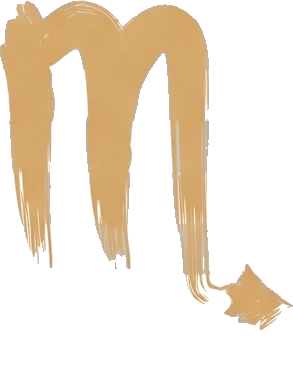
| Avoiding Intellectual Arrogance | Seek out perspectives from people with different backgrounds, education levels, ideological positions and life experiences than your own, and practice active listening without immediately dismissing ideas that conflict with your own. | Transits of Mercury through water signs ( Cancer, Scorpio, Pisces) to practice empathetic, emotional communication and open your mind to non-logical, experience-based perspectives that you may otherwise dismiss. |
| Managing Finances | Work with a financial advisor who specializes in impact investing and progressive ventures, to balance your desire to fund innovative collective projects with the need for long-term personal financial security and stability. | Transit of Jupiter through your 2nd house to identify new, innovative income streams that align with your progressive values, while avoiding overly risky speculative investments that could jeopardize your financial stability. |
| Career Fulfillment | Seek out work that aligns with your progressive values and allows for intellectual independence, flexibility and autonomy, rather than accepting traditional, hierarchical roles that require you to conform to outdated norms or compromise your values. | Midpoint analysis between your Sun and Saturn/ Uranus to identify career paths that balance your need for innovation and progress with the structure and discipline needed to turn your ideas into tangible, lasting collective impact. |
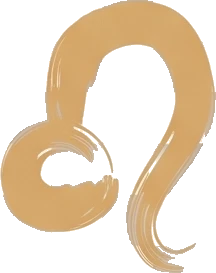
| Health Maintenance | Incorporate regular physical activity that allows for social connection and mental stimulation, such as team sports, hiking groups or dance classes, to support both your physical and mental well-being, and avoid overexertion in high-risk tech or machinery-related work. | Transit of Mars through fire signs ( Aries, Leo, Sagittarius) to boost your energy and motivation for physical activity, while being mindful of impulsive, risky behavior during these transits. |
| Relationship Harmony | Communicate your need for independence, personal space and intellectual stimulation clearly to your partners early in the relationship, and make a regular practice of checking in with their emotional needs to avoid emotional distance. | Synastry analysis with romantic partners to identify how your Sun in Aquarius interacts with their personal planets, and to find compromise between your need for freedom and their need for emotional connection and closeness. |
 Moon transits through air signs (
 Gemini,
 Libra,
 Cancer,
 Scorpio,
 Pisces) to practice empathetic, emotional communication and open your mind to non-logical, experience-based perspectives that you may otherwise dismiss.
 Jupiter through your 2nd house to identify new, innovative income streams that align with your progressive values, while avoiding overly risky speculative investments that could jeopardize your financial stability.
 Mars through fire signs (
 Aries,
 Leo,
 Sagittarius) to boost your energy and motivation for physical activity, while being mindful of impulsive, risky behavior during these transits.
Conclusion
The path of integrating the Sun in Aquarius moves from the shadow of detached rebellion, intellectual arrogance and neglect of personal and emotional needs, to the highest expression of the Promethean visionary: the individual who uses their unique gifts, charisma and intellectual brilliance to empower all of humanity, rather than seeking personal glory. The native first must learn to balance their drive for collective progress with care for their own personal well-being, recognizing that their own health and happiness are just as important as the needs of the collective. They must learn to value emotional vulnerability and connection as a strength, not a weakness, recognizing that collective change is built not just on ideas, but on deep, empathetic relationships between people. They must learn to respect tradition and authority when those structures serve the collective good, rather than rejecting all norms out of hand, and to listen to and center the perspectives of marginalized people who are most affected by the systems they are trying to change. When fully integrated, this placement gives the native the power to be a true revolutionary in the most positive sense: not a destructive rebel, but a builder of new, more just, more innovative and more equitable systems that benefit all people, carrying the divine spark of the Sun to light the path for generations to come. They become the Water Bearer, not just carrying the waters of progress for themselves, but sharing them freely with all of humanity, creating a future that is freer, more just and more full of possibility for everyone.
This article was prepared by the [Astrobot](https://astrobot.chat) editorial team — your personal astrological assistant. The material is based on classical and modern astrological sources.
