 Planet Overview
 Sun
Introduction
This placement represents a foundational, lifelong structural link between the solar function and the archetypal energy of the fourth sign of the zodiac, rather than a temporary angular aspect between two moving planets. It is one of the personality’s key knots because it ties the conscious will, identity, and vital life force to the subconscious emotional core, creating a permanent dynamic between the drive for public expression and the need for private, domestic security. Unlike cross-planet aspects that describe tension or harmony between separate internal functions, this placement shapes the very foundation of how the individual experiences their own sense of self, making it a core driver of their life choices, relationships, and values across every stage of life.
The Nature of the Aspect
This is a static, innate blending of (a diurnal, fiery, male principle planet, representing the conscious ego, core will, creative vitality, and sense of purpose) and (a cardinal, watery, feminine sign ruled by , the Moon, representing emotional security, home, family, memory, and protective instinct). The nature of their interaction is one of filtration: the fiery, individualistic, outward-focused energy of the Sun is softened and channeled through the receptive, nurturing lunar energy of Cancer, so the individual’s identity is never defined by personal ambition alone, but by their connection to the people and places that make them feel safe. The dispositor of this placement is , the ruler of , so the condition of the Moon in the natal chart (its sign, house, and aspects) acts as the primary modifier of this link: a strong, well-placed amplifies the positive traits of the placement, while a weak or afflicted can create tension between the solar will and the lunar need for security, leading to emotional volatility that undermines the individual’s sense of self. Unlike applying or separating aspects that unfold over time, this is a permanent, lifelong structure, meaning the dynamic between the solar and lunar functions is an unchanging part of the personality’s makeup. The tightness of the placement (how close is to the cusp of or to its dispositor ) affects its strength: a at 0° amplifies the cardinal, initiatory energy of the sign, while a at 29° adds a touch of Leo’s fiery individualism to the blend.
 (a cardinal, watery, feminine sign ruled by
 , the Moon, representing emotional security, home, family, memory, and protective instinct). The nature of their interaction is one of filtration: the fiery, individualistic, outward-focused energy of the Sun is softened and channeled through the receptive, nurturing lunar energy of Cancer, so the individual’s identity is never defined by personal ambition alone, but by their connection to the people and places that make them feel safe. The dispositor of this placement is
Symbolism and Mythology
The archetype of is the divine hero, the conscious self, the source of light and life, represented in Greek myth by Apollo, god of the sun, light, truth, and creative expression, and in Roman myth by Sol, the personification of the sun. The archetype of is the guardian of the threshold, the protector of the home and family, tied to the lunar goddesses of the ancient world: Selene, Greek goddess of the moon; Artemis, goddess of the hunt, childbirth, and wild nature; and Hecate, goddess of crossroads, magic, and ancestral memory. In myth, the crab that bears the sign of Cancer was placed in the stars by Hera, queen of the gods, as a reward for its loyalty: during Hercules’ second labor, when he fought the multi-headed Hydra, the crab bit Hercules’ foot to distract him, and though Hercules crushed it under his foot, Hera honored its dedication by giving it a place among the constellations. This mythological image captures the core of in : the solar hero (Hercules/Apollo) is supported and protected by the loyal, nurturing lunar guardian (the crab), who prioritizes the safety of its home and loved ones over its own safety. The crab, the symbol of , is a crustacean that carries its home on its back, a perfect metaphor for the in individual, who carries their sense of emotional security and home with them wherever they go, rather than being tied to a specific physical location. Culturally, the crab is a symbol of retreat and protection across many traditions: when threatened, it withdraws into its hard shell, a metaphor for the Cancerian need for a safe, private space to recharge, which directly shapes the solar identity of those with this placement, who often build their public identity around their role as a protector and nurturer of their inner circle.
The Principles of the Planets in the Chart
in the Chart
is the most important point in the natal chart, representing the conscious ego, the "I am", the core will, vital life force, creative expression, and the individual's sense of purpose. When placed in , ’s usual fiery, individualistic, outward-focused expression is filtered through the lunar, emotional, inward-focused energy of Cancer. The individual’s sense of self is no longer defined by personal achievement or public recognition alone, but by their ability to create safety, nurture others, and maintain strong connections to their family and roots. The in individual does not seek the spotlight for its own sake; instead, they seek to use their personal vitality and leadership to support and protect the people and places they love. As a diurnal planet, is more comfortable in masculine, fiery, airy signs, so its placement in the feminine, watery, nocturnal softens its expression, making the individual less overtly dominant and more receptive to the emotional needs of others.
as Dispositor in the Chart
Since is ruled by , the Moon is the dispositor of in this placement, meaning the Moon’s function is the primary channel through which the solar will is expressed. represents the emotional body, subconscious instincts, intuition, nurturing capacity, and connection to the past and the unconscious. A strong, well-placed (in its own sign , in a comfortable house, with harmonious aspects to other planets) allows the in individual to express their will with confidence, emotional stability, and strong intuition; they feel secure in their identity and can easily create the safe, nurturing environment they crave. An afflicted or weak (in difficult aspects to , , or , in a challenging house like the 8th or 12th) can lead to emotional volatility, insecurity, and difficulty asserting the solar will; the individual may feel torn between their desire to express themselves publicly and their fear of emotional vulnerability, leading to mood swings, clinginess, or emotional manipulation.
 ,
 , or
 , in a challenging house like the 8th or 12th) can lead to emotional volatility, insecurity, and difficulty asserting the solar will; the individual may feel torn between their desire to express themselves publicly and their fear of emotional vulnerability, leading to mood swings, clinginess, or emotional manipulation.
The Combined Influence
The fusion of and (via the dispositor) creates a personality whose identity is inseparable from their emotional and domestic roots. The individual’s core drive is to build a safe, loving home for themselves and their loved ones, and to use their personal vitality and leadership to support their family and community. They are naturally protective of the vulnerable, and often take on caretaking roles in their family and social circles, not out of obligation, but out of a deep-seated need to nurture and protect. Their creative expression is often tied to themes of home, family, and memory: they may enjoy cooking, gardening, writing family histories, or creating art that celebrates their heritage. Unlike more individualistic solar placements, in individuals measure their success not by their public status or wealth, but by the strength of their family bonds and the safety of their home.
Expression in Sign and House
The Influence of Cancer as the Sign
is a cardinal water sign, meaning it is initiatory, emotional, and focused on creating security and stability. The elemental blend of fire () and water () means the individual’s will is expressed through emotional intuition rather than pure logic or brute force: they make decisions based on how they feel about a situation, and how it will impact their loved ones, rather than just cost-benefit analysis. The cardinal modality means they take initiative to create the security they crave: they will actively work to build a home, support their family, and defend their loved ones, rather than waiting for security to come to them. is also tied to the subconscious, memory, and ancestral lineage, so the individual’s identity is deeply shaped by their childhood experiences, family history, and cultural traditions. They often have a strong intuitive sense of what their ancestors would want for them, and may feel a deep responsibility to honor their family’s legacy.
The Influence of the House Position
Since rules the 4th house (the house of home, family, roots, ancestry, and inner security), in is inherently tied to 4th house themes, regardless of which house it occupies in the natal chart. The house where in falls is the arena where the individual will seek to create security, express their nurturing nature, and build a lasting legacy. For example:
- If in falls in the 1st house, the individual’s core personality is warm, nurturing, and protective; they are seen by others as a "homebody" who prioritizes emotional connection and domestic comfort, and their identity is deeply tied to their role as a caregiver.
- If in falls in the 7th house, the individual seeks a partner who values domestic stability and emotional intimacy as much as they do; their relationships are centered on building a home and family together, and they may prioritize their partner’s needs as much as their own.
- If in falls in the 10th house, the individual’s public career is tied to nurturing and caretaking: they may work in healthcare, social work, education, or run a family business, and their public reputation is built on their reputation as a caring, reliable leader who prioritizes the well-being of their community.
- If in falls in the 8th house, the individual has a deep connection to ancestral inheritance, emotional transformation, and other people’s resources; they may work in fields like estate planning, grief counseling, or crisis support, using their nurturing instinct to help others navigate times of loss and change.
Combined Influence across Positions
The dispositor modifies the expression of in dramatically. For example, if is in (Leo), the individual will express their nurturing nature through public, creative leadership: they may run a community center for children, host large family gatherings, or work in a creative field that celebrates family and home. If is in (Scorpio), their nurturing is more intense and transformative: they may work in end-of-life care, support survivors of trauma, or have a talent for helping others process deep emotional pain. If is in (Aquarius), they may express their solar will through community-focused caretaking, working for social justice or building supportive communities for marginalized groups, rather than just focusing on their immediate family.
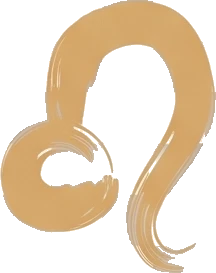 (Leo), the individual will express their nurturing nature through public, creative leadership: they may run a community center for children, host large family gatherings, or work in a creative field that celebrates family and home. If
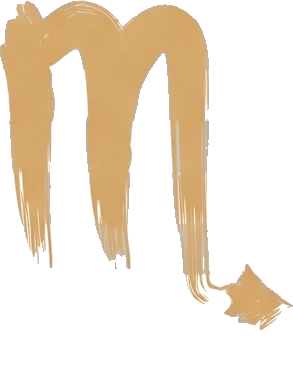 (Scorpio), their nurturing is more intense and transformative: they may work in end-of-life care, support survivors of trauma, or have a talent for helping others process deep emotional pain. If
 (Aquarius), they may express their solar will through community-focused caretaking, working for social justice or building supportive communities for marginalized groups, rather than just focusing on their immediate family.
Differences Between the Male and Female Chart
The Male Chart
1. Societal expectations of masculinity often pressure males with in to suppress their natural emotional sensitivity and nurturing instinct, leading to an internal conflict between their desire to care for others and the pressure to be "tough" and independent. Many males with this placement express their solar will through traditionally masculine caretaking roles: providing for their family, protecting their home and loved ones, or working in caretaking professions like firefighting, emergency medicine, or coaching youth sports.
2. They often have a very strong attachment to their mother or other maternal figures, and their identity is deeply shaped by their childhood home life; a stable, loving childhood will give them a strong sense of security, while a chaotic or abusive childhood can lead to lifelong struggles with trust and emotional vulnerability.
3. They may struggle with overt assertiveness, preferring to avoid conflict to preserve domestic harmony, but when their loved ones are threatened, they can be fiercely protective, snapping like a crab to defend their inner circle. They often retreat into their home when stressed, recharging their emotional batteries by spending time with family or engaging in domestic hobbies like cooking, gardening, or home renovation.
4. Their creative expression is often tied to domestic themes: they may enjoy building or renovating homes, cooking for large groups, or creating family traditions, and may find deep fulfillment in building a legacy for their children and grandchildren.
The Female Chart
1. Females with in often find their natural nurturing instinct aligned with societal expectations of femininity, which can lead to them being pigeonholed into unpaid caretaking roles without recognition for their own individual achievements. Many females with this placement need to consciously cultivate their own independent goals outside of their domestic role, to avoid losing their sense of self in service to their family.
2. They have a strong, innate emotional intuition, tied to their rulership, which allows them to read emotional undercurrents easily and anticipate the needs of others, but can also lead to them taking on other people’s emotional burdens, leading to burnout if they do not set clear boundaries.
3. Their public expression and career (if is in a public house) often centers on care work: they are drawn to professions like nursing, teaching, social work, or childcare, where they can combine their nurturing instinct with their desire to make a public impact. They may also find fulfillment in running a home-based business, as it allows them to combine their love of home with their desire for financial independence.
4. They often have a strong connection to their maternal lineage, and may find that their personal power grows as they honor their family’s traditions, stories, and heritage; many females with this placement become the keepers of their family’s history, passing down stories and traditions to future generations.
Psychological Portrait
Individuals with in are deeply empathetic, loyal, and protective of their inner circle. They are sentimental, with a strong memory for emotional events, and often keep mementos, photos, and heirlooms that connect them to their past. They are naturally nurturing, and often take on caretaking roles for their family, friends, and even strangers who are in need. They can be moody, as their emotional state is closely tied to their environment: a chaotic, stressful environment will leave them feeling drained and anxious, while a safe, comfortable home will make them feel confident and energized. They are not naturally confrontational, preferring to avoid conflict to preserve harmony, but will become fiercely defensive if their loved ones or their home are threatened.
Their core motivation is to create safety, security, and belonging for themselves and their loved ones. They are driven by a desire to build a lasting legacy of care, to preserve family traditions and memories, and to create a safe space where others can feel nurtured and supported. They do not seek power or status for its own sake; instead, they seek the resources and stability needed to care for the people they love.
Their deepest fear is abandonment, loss of home or family, and having their inner emotional sanctuary violated. They fear being alone, being rejected by their loved ones, or being forced to leave the home and community that gives them a sense of identity. They also fear being seen as weak or overly emotional, as they want to be seen as capable and reliable, even as they feel emotions deeply.
Their self-worth is closely tied to their ability to care for others and maintain a secure, stable home. When they feel they are successfully nurturing their loved ones and creating a safe environment, their self-esteem is high; when they feel they are failing at these tasks, or when their home life is chaotic, their self-esteem drops sharply. They often measure their success not by their public achievements, but by the happiness and security of their family.
Their thinking style is rooted in feelings, memories, and relationships, rather than pure logic or abstract analysis. They make decisions based on how they feel about a situation, and how it will impact their loved ones, rather than just cost-benefit calculations. They have a strong intuitive sense, and often "know" something is right or wrong based on a gut feeling, rather than logical evidence. They are excellent at reading emotional undercurrents, and can often tell when someone is lying or hiding their true feelings, even if they say everything is fine.
Their attachment style is shaped by their early childhood experiences: if they had a stable, loving childhood, they develop a secure attachment style, feeling comfortable with both intimacy and independence, and able to form strong, lasting relationships. If they experienced early instability, neglect, or abandonment, they may develop an anxious attachment style, clinging to loved ones for fear of being abandoned, or an avoidant attachment style, retreating into their shell when they feel vulnerable to avoid being hurt. They often struggle with vulnerability, as they fear that showing their true emotions will lead to rejection or loss of security.
Spheres of Life
Career
in individuals thrive in careers that allow them to combine their nurturing instinct with their desire to create lasting, meaningful impact. Ideal careers include healthcare (nursing, occupational therapy, hospice care), education (early childhood education, special education, school counseling), social work, hospitality, residential real estate, family law, or any role that involves creating safety and support for others. They are loyal, reliable employees, and often go above and beyond to support their coworkers and clients, but they struggle in highly competitive, cutthroat work environments that require them to be aggressive or ruthless, as these environments feel unsafe and undermine their natural nurturing instincts. They may also excel at running a home-based business, as they have a natural talent for creating a comfortable, productive work environment, and may prioritize flexibility to care for their family. Many in individuals are drawn to family businesses, and may find deep fulfillment in continuing a family legacy in their career.
Relationships
They are deeply loyal and committed partners, who prioritize building a stable, loving home with their partner above all else. They express love through acts of service: cooking meals, caring for their partner when they are sick, creating a comfortable home environment, and remembering small, meaningful details about their partner’s preferences. They are naturally protective of their partner, and will go to great lengths to support them through hard times. However, they may be prone to clinginess or possessiveness, and may struggle with partners who value independence over domestic stability. They need a partner who respects their need for occasional retreat into their private space, and who values emotional intimacy as much as they do. They often see marriage as a merging of two families, not just two individuals, and may prioritize building a relationship with their partner’s family as much as their own. They are most compatible with partners who are also nurturing, value home and family, and can provide the emotional security they crave.
Finances
They are generally careful and responsible with money, prioritizing saving for their family’s security and their home over frivolous spending. They are more likely to spend money on things that create a sense of home and family: a comfortable couch, a family vacation, a new kitchen appliance, or a sentimental heirloom, than on luxury items or status symbols. They often have a strong intuition for real estate, and may find success investing in residential property, as they have a natural sense of what makes a home valuable, comfortable, and safe. However, they may struggle with emotional spending: when they are feeling stressed, insecure, or lonely, they may turn to retail therapy or comfort eating to cope, leading to unnecessary expenses. They are most financially secure when they have a stable home and a solid emergency fund for their family.
Health
Their physical health is closely tied to their emotional state: when they are stressed, feeling insecure, or dealing with family conflict, they are prone to psychosomatic illnesses, particularly digestive issues (stomach aches, irritable bowel syndrome) and respiratory issues (asthma, frequent colds), as these are the body parts ruled by and respectively. They may also struggle with weight gain, as they often turn to comfort food to cope with emotional stress. They are prone to hypochondria, worrying excessively about their own health and the health of their loved ones, which can lead to unnecessary stress and medical visits. To maintain good health, they need to prioritize emotional regulation: regular journaling, therapy, or creative expression can help them process emotions instead of bottling them up or turning to unhealthy coping mechanisms. They also benefit from regular time in nature, and from creating a calm, comfortable home environment where they can relax and recharge.
Challenges and Gifts
Shadow Sides
1. Clinginess and possessiveness: Their deep need for security can lead them to cling to their loved ones, smothering them with attention and preventing them from having the independence they need. They may become jealous or controlling if they feel their partner or family member is pulling away, using guilt or emotional manipulation to keep them close.
2. Emotional manipulation: When they feel insecure or unheard, they may use guilt, passive-aggression, or emotional outbursts to get their needs met, rather than communicating their feelings directly. They may also use their role as the "nurturer" to guilt others into doing what they want, framing their demands as acts of care.
3. Resistance to change: They hate disruption to their home and family life, and may resist necessary changes (like moving to a new city, ending a toxic relationship, or changing careers) even when those changes would be beneficial in the long run, because they fear losing their sense of security and familiarity.
4. Over-sacrificing: They have a tendency to prioritize the needs of their loved ones over their own, to the point of burnout. They may neglect their own health, hobbies, and personal goals to care for others, leading to resentment and exhaustion over time.
5. Holding grudges: They have a strong memory for emotional slights, and may hold onto past hurts for years, letting them fester and damage their relationships. They may bring up old arguments from years ago, and struggle to forgive people who have hurt them or their family.
Bright Sides
1. Exceptional nurturing ability: They have a natural, almost magical talent for making others feel safe, loved, and cared for. They can create a warm, welcoming home environment for anyone, and are often the person that friends and family turn to when they need support, comfort, or a place to stay.
2. Unwavering loyalty and commitment: Once they commit to a person, cause, or home, they will defend and care for it unconditionally, through thick and thin. They are the people who will show up at 2am to pick you up from the airport, or stay up all night caring for a sick loved one, without complaining.
3. Deep emotional intuition: They can read emotional undercurrents easily, and often know what others need before they even ask. This makes them excellent caregivers, counselors, and leaders, as they can anticipate the needs of their team or family and address them before they become problems.
4. Resilience and adaptability: Like the crab, they can retreat into their shell to recover from setbacks, and will always return to their loved ones and their home to recharge. They are incredibly resilient in the face of emotional hardship, and can bounce back from loss, trauma, or disappointment as long as they have a strong support system.
5. Keeper of memory and tradition: They are often the keepers of their family’s history, traditions, and stories, and can create a strong sense of continuity and belonging for their family and community. They are the ones who organize family reunions, pass down family recipes, and preserve old photos and heirlooms, ensuring that their family’s legacy lives on for future generations.
Practical Recommendations
| Sphere | Advice | Astrological Tool |
|---|---|---|
| Career | Prioritize roles that align with your natural nurturing instincts, such as healthcare, education, social work, or residential real estate, and avoid highly competitive, cutthroat environments that require you to suppress your empathy. | Identify the house and sign of your natal (the dispositor of your in ) and choose a career path that aligns with its themes; for example, if your is in (Virgo), you may excel in healthcare administration or nutritional counseling. |
| Relationships | Communicate your need for emotional security and occasional private retreat openly with your partner, rather than withdrawing or using guilt to get your needs met. Set clear boundaries to avoid smothering your loved ones with overprotection. | Work with hard aspects to your natal : if your is in (square) to (Mars), practice anger management techniques to avoid lashing out at loved ones when you feel insecure. |
| Personal Growth | Cultivate individual goals and interests outside of your role as a caregiver or family member, to avoid losing your sense of self in service to others. | Set aside 1 hour each week for a hobby or activity that is unrelated to your family or home life, and track your progress against the phases of the moon: new moons are ideal for setting new personal goals. |
| Emotional Health | Develop a regular emotional release practice, such as journaling, therapy, or creative expression, to process emotions instead of bottling them up or turning to comfort eating or retail therapy when stressed. | Track your emotional cycles against the lunar calendar: the full moon will amplify your emotional sensitivity, so plan rest and release activities (like journaling or talking to a trusted friend) during this time to avoid emotional overwhelm. |
| Financial Management | Create a budget that prioritizes long-term security for your home and family, but set aside a small discretionary fund for personal pleasures to avoid feeling deprived or resentful. | Work with your 2nd house and its ruler: if your 2nd house is in a water sign (, , ), implement a 24-hour waiting period for all non-essential purchases to avoid impulsive emotional spending. |
| Home Life | Invest time and energy into creating a safe, comfortable, and welcoming home space that reflects your personal history and family traditions, as this is the foundation of your emotional well-being. | Place sentimental items (family photos, heirlooms, mementos from meaningful trips) in the 4th house area of your home (the north corner of your space, per classical house traditions) to strengthen your connection to your roots and enhance your sense of security. |
| Boundary Setting | Practice saying "no" to requests that drain your emotional energy or interfere with your need for rest and security, without feeling guilty. | Work with your 7th house and its ruler: if your 7th house is in , practice assertive communication scripts for situations where you feel pressured to prioritize your partner’s needs over your own. |
| Creative Expression | Channel your emotional memories and love for home into creative projects, such as writing family histories, gardening, cooking, or creating art that celebrates your heritage. | Start new creative projects during the waxing moon phase, when lunar energy is building, to amplify your ability to tap into your emotional memories and create work that feels meaningful and personal. |
 (Virgo), you may excel in healthcare administration or nutritional counseling.
 (square) to
 (Mars), practice anger management techniques to avoid lashing out at loved ones when you feel insecure.
 ), implement a 24-hour waiting period for all non-essential purchases to avoid impulsive emotional spending.
Conclusion
The path of integrating in is a journey from the shadow of clinginess, emotional manipulation, over-sacrificing, and grudges, to the highest expression of the nurturing, protective leader who builds a legacy of care for their entire community. The highest expression of this placement is the person who uses their personal vitality, will, and emotional intuition to create safe spaces for others to thrive, who honors their family’s roots and traditions while building a secure, loving home for future generations, and who balances their need for private retreat with the courage to step out into the world to share their gifts with others. When integrated, this placement gives the individual the power to be a source of comfort, stability, and love for everyone around them, creating a legacy that lasts far beyond their own lifetime.
This article was prepared by the [Astrobot](https://astrobot.chat) editorial team — your personal astrological assistant. The material is based on classical and modern astrological sources.
