 Planet Overview
 Sun
Introduction
The placement of the in represents a fundamental fusion of the natal chart’s central identity function with the air sign’s core principles of balance, relational reciprocity, aesthetic refinement, and equitable exchange. Unlike a transient aspect between separate planets, this is an innate, lifelong wiring of the self to the archetype, shaping every layer of the individual’s personality from their earliest childhood expressions to their ultimate life purpose. It is one of the personality’s key knots because it defines not only how the person projects their will into the world, but also how they measure their own worth, navigate conflict, and seek fulfillment through connection and beauty.
 represents a fundamental fusion of the natal chart’s central identity function with the air sign’s core principles of balance, relational reciprocity, aesthetic refinement, and equitable exchange. Unlike a transient aspect between separate planets, this is an innate, lifelong wiring of the self to the
The Nature of the Aspect
This configuration represents an innate, lifelong structural link between the ’s essential function as the core of identity, will, and vitality, and the archetypal energy of , the cardinal air sign ruled by . Unlike a geometric aspect between two separate celestial points, this is a fundamental wiring of the self to ’s principles, marked by the ’s classical status of fall in the sign: a subtle but persistent tension between the ’s natural hot, dry, self-directed expression and ’s cool, moist, relationally focused, equilibrium-seeking nature. This tension is not a harsh conflict, but a gentle, inexorable inner demand to reconcile the need for individual self-expression with the need for social harmony and partnership. There is no applying or separating dynamic here, as the placement is fixed for life, but the closer the is to ’s exact degree boundaries (especially within 3° of the cusp), the more powerfully this tension operates, sharpening the individual’s awareness of the balance between self and other. The tightness of the placement within the sign (i.e., early, middle, or late ) further colors the expression: early s feel the pull of Aries’ self-assertion more strongly, while late s lean into Scorpio’s depth of relational insight, but all carry the core dynamic of integrating personal will with collective harmony.
 . Unlike a geometric aspect between two separate celestial points, this is a fundamental wiring of the self to
Symbolism and Mythology
The carries the archetype of the central life force, the divine spark of individual identity, the heroic will that seeks to express its unique essence into the world. It is the star that anchors the entire solar system, the source of light, warmth, and vitality that gives life to all beneath it. , by contrast, carries the archetype of the balanced scales, the principle of equitable exchange, relational harmony, aesthetic refinement, and impartial justice. In classical mythology, is associated with Themis, the Titaness of divine law and order, whose scales weighed the souls of the dead to determine their fate, as well as with (Aphrodite), the goddess of love, beauty, and social connection, who governs all forms of pleasurable exchange and partnership.
The mythological image of the in is that of the solar hero entering the autumnal equinox, the time of year when day and night are exactly equal, and the scales hang in perfect balance. Here, the radiant, self-focused must learn to temper its light to avoid tipping the scales, to shine in a way that uplifts the collective equilibrium rather than dominating it. This placement echoes the myth of the Sun god Helios passing through the domain of , learning to blend his fiery, individual energy with her cool, harmonious grace to create a light that is both uniquely his and welcoming to all. Culturally, has long been associated with diplomacy, marriage, and the arts, so the in carries the weight of these archetypal themes in its core identity.
The Principles of the Planets in the Chart
The in the Chart
The is the chart’s central identity marker, the seat of the ego, vital will, conscious purpose, and the core of the individual’s unique expression. It governs how a person projects themselves into the world, what they consider their "self," and where they seek to leave their mark. In classical astrology, the is a hot, dry, masculine, diurnal planet, oriented toward active, outward, self-directed expression. When placed in , its natural fiery, self-assertive energy is tempered by ’s cool, moist, relationally oriented, balancing energy, creating a core identity that is defined as much by connection to others as by individual will.
in the Chart
is the cardinal air sign, ruled by , governing themes of balance, harmony, justice, partnership, aesthetic refinement, and equitable exchange. It is the sign of the mediator, the diplomat, the artist, and the partner, oriented toward creating equilibrium in all areas of life, from personal relationships to social systems. As a cardinal sign, is action-oriented, but its action is focused on establishing and maintaining harmony rather than pursuing individual gain. In the natal chart, ’s energy seeks to avoid conflict, prioritize fairness, and create beauty in all forms.
The Combined Influence
The fusion of the ’s core identity with ’s archetype creates a personality that defines itself through its ability to create harmony, mediate conflict, and build equitable partnerships. The individual’s sense of self-worth is deeply tied to their ability to maintain balance in their relationships and their environment, and they often feel most alive when they are acting as a bridge between opposing forces. Unlike a in a fire or earth sign, which defines the self through individual achievement or material security, the defines the self through connection, reciprocity, and aesthetic expression. The core tension of this placement is the push-pull between the ’s need for individual recognition and ’s need to prioritize the collective equilibrium, forcing the individual to constantly negotiate how much of their own needs to prioritize versus the needs of others. The dispositor of is , so the placement, sign, and aspects of in the natal chart will further modify how this energy expresses itself: a with in will have a more grounded, sensual approach to beauty and relationships, while a with in will have a more unconventional, reformist approach to partnership and justice.
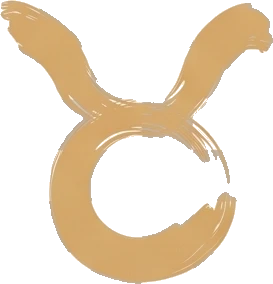 will have a more grounded, sensual approach to beauty and relationships, while a
 will have a more unconventional, reformist approach to partnership and justice.
Expression in Sign and House
Expression Across ’s Decans
The three decans of each add a unique layer to the expression of the in the sign. The first decan (0–10° ) is ruled by itself, amplifying pure energy: these individuals have an extremely strong focus on partnership, diplomacy, and aesthetic refinement, but may struggle with extreme indecision and a fear of rocking the boat. The second decan (10–20° ) is ruled by , adding a layer of structure, responsibility, and seriousness to the energy: these individuals are deeply committed to justice and long-term equity, and they may take on excessive responsibility for maintaining harmony in their relationships and communities, often to their own detriment. The third decan (20–30° ) is ruled by , adding expansiveness, optimism, and philosophical depth to the energy: these individuals have a broad, global perspective on harmony and justice, and they are often drawn to cross-cultural exchange, international law, or large-scale artistic projects, but may struggle with unrealistic idealism in their partnerships.
 , adding a layer of structure, responsibility, and seriousness to the
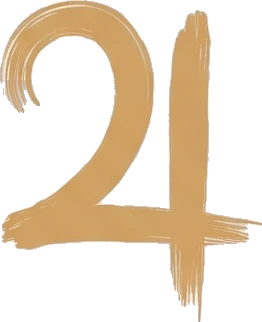 , adding expansiveness, optimism, and philosophical depth to the
Expression by House Placement
The house where the falls in the natal chart determines the arena of life where this core identity dynamic plays out:
- in in the 1st house: Identity is tied to diplomacy, charm, and aesthetic appearance; the individual is seen as a natural peacemaker, but may struggle to assert their own needs for fear of disrupting their public image.
- in in the 2nd house: Self-worth is tied to financial balance and the acquisition of beautiful, high-quality possessions; the individual may earn money through artistic or diplomatic work, but may overspend to maintain a harmonious lifestyle.
- in in the 3rd house: Communication is diplomatic and harmonious; the individual is drawn to writing, art, or short trips related to partnership, and siblings may act as important collaborators or mediators in their life.
- in in the 4th house: Home life is the core of identity; the individual prioritizes creating a beautiful, harmonious home environment, and may have grown up mediating conflict between family members.
- in in the 5th house: Creative expression and romance are central to identity; the individual has strong artistic talents, but may be indecisive in romantic pursuits and avoid conflict with romantic partners at all costs.
- in in the 6th house: Work is oriented toward service and harmony; the individual thrives in collaborative work environments, often in artistic, care, or diplomatic roles, but may experience stress-related health issues from unresolved workplace conflict.
- in in the 7th house: This is the natural domicile of , so partnership is the absolute core of identity; the individual defines themselves through their one-on-one relationships, and may struggle with codependency if they do not learn to maintain their own sense of self outside of partnerships.
- in in the 8th house: Identity is tied to deep, transformative partnerships and shared resources; the individual may have a talent for mediating conflict related to inheritance, shared assets, or intimate relationships, and may be drawn to occult or psychological studies.
- in in the 9th house: Identity is tied to philosophical ideas of justice and cross-cultural harmony; the individual is drawn to careers in law, international relations, or global art, and may find fulfillment through travel and learning about other cultures.
- in in the 10th house: Career is oriented toward public service, diplomacy, or art; the individual is seen as a fair, balanced leader, and their public image is tied to their ability to build consensus and create harmonious systems.
- in in the 11th house: Identity is tied to group harmony and social justice; the individual is a natural community organizer or activist, and draws energy from collaborating with like-minded groups to create social change.
- in in the 12th house: Identity is tied to hidden, spiritual harmony; the individual may have a talent for behind-the-scenes mediation, and may feel a calling to work for justice in unseen ways, but may struggle with hidden relationship conflict or a fear of asserting their needs publicly.
Combined Influence Across Positions
The dispositor of is , so ’s placement, sign, and aspects modify the entire expression of the in . For example, a with in will have a more grounded, sensual approach to harmony and beauty, while a with in will have a more unconventional, reformist approach to partnership and justice. in hard aspect to will add a layer of responsibility and possible restriction to relationships, while in to will expand the individual's opportunities for partnership and artistic success.
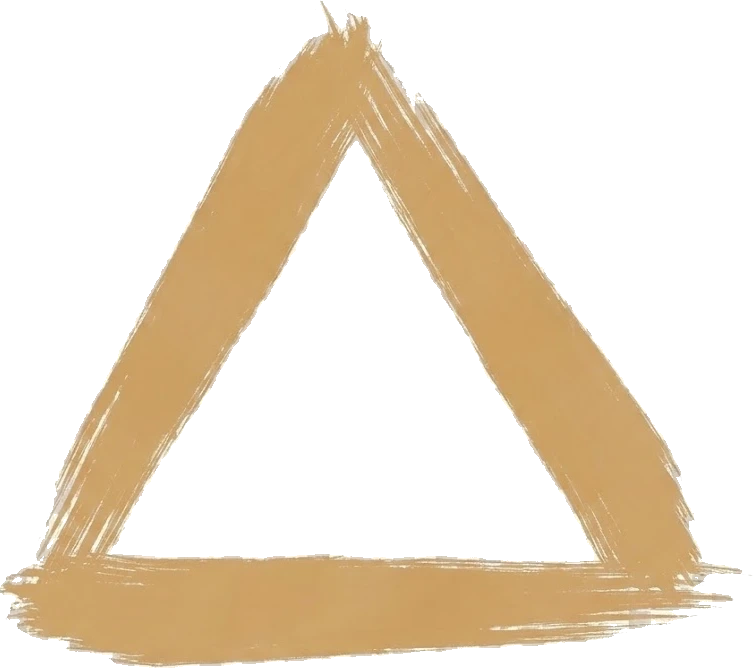 to
Differences Between the Male and Female Chart
The Male Chart
For individuals with a male birth chart (traditional gender framing, aligned with classical astrological doctrine), the in expresses its masculine, active energy through relational and diplomatic channels, rather than through overt self-assertion. First, the male is likely to pursue leadership and public recognition through collaborative, team-oriented efforts rather than individual competition, preferring to lead by mediating conflict and building consensus rather than dominating others. Second, his sense of masculine identity is deeply tied to his ability to be a fair, supportive partner, and he may feel emasculated if he is unable to maintain harmony in his relationships or contribute to equitable exchanges. Third, he is likely to express his vitality through artistic or aesthetic pursuits, as well as through advocacy for justice and fairness, channeling his active energy into creating beautiful, balanced systems rather than pursuing aggressive individual goals. Fourth, he may struggle with traditional masculine expectations of assertiveness and independence, feeling torn between the need to stand his ground and the desire to keep the peace, which can lead to passive-aggressive behavior if he does not learn to assert his needs without disrupting harmony.
The Female Chart
For individuals with a female birth chart, the in expresses its core identity through the receptive, relationally oriented energy of , aligning with traditional feminine archetypes of harmony and partnership, while also pushing against limiting gender expectations. First, the female defines her identity through her connections to others, but she is less likely to sacrifice her own needs for the sake of harmony than societal stereotypes might suggest, as the ’s core drive for individual expression pushes her to demand equity in her relationships. Second, she is likely to be seen as a natural peacemaker and diplomat in her social and professional circles, but she may face pressure to be "nice" and avoid conflict, which can lead to resentment if she does not learn to set boundaries. Third, her vitality and self-esteem are deeply tied to her ability to express her creativity and aesthetic sense, and she may feel drained if she is stuck in a monotonous, un-beautiful environment or in relationships that do not value reciprocity. Fourth, she may struggle with the cultural expectation that women should prioritize relationships over individual achievement, but the in pushes her to build a life that balances personal success with meaningful connection, often leading her to careers in law, art, diplomacy, or counseling that allow her to combine her personal ambitions with her desire to help others.
Psychological Portrait
The ’s psychological core is shaped by the constant negotiation between the need for individual self-expression and the need for relational harmony, creating a personality that is both charming and diplomatic, yet often plagued by indecision and fear of conflict. Their core motivation is to create balance in their world, to be seen as fair, kind, and aesthetically refined, and to build relationships that are based on mutual respect and reciprocity. They are deeply motivated by beauty, justice, and connection, and will go to great lengths to avoid disharmony, often to their own detriment.
Their greatest fear is rejection and isolation, stemming from the deep-seated belief that their worth is tied to their ability to maintain harmony in their relationships. They may also fear being seen as selfish, aggressive, or "too much," leading them to suppress their own needs and desires to avoid disrupting the equilibrium of those around them. This can lead to chronic people-pleasing and a lack of clear personal boundaries, as they prioritize others' comfort over their own well-being.
Their self-esteem is directly tied to their ability to navigate social situations with grace, to resolve conflict, and to create beauty in their environment. When they are able to mediate a dispute, create a harmonious home, or produce a work of art that is well-received, their self-worth soars. When they are faced with conflict or feel they have failed to maintain balance, their self-esteem plummets, leading to anxiety and withdrawal.
Their style of thinking is logical, diplomatic, and focused on finding win-win solutions. They are natural mediators, able to see all sides of an argument and find common ground, but this can lead to decision-making paralysis, as they struggle to choose one option over another for fear of upsetting the balance. They are highly attuned to the needs and feelings of others, often picking up on subtle social cues that others miss, but this hyper-awareness can lead to overthinking and anxiety about whether they are doing the right thing.
In terms of attachment style, s often have an anxious-preoccupied attachment style, as they crave close, harmonious connection but fear abandonment if they assert their own needs. They may also have elements of avoidant attachment if they have been hurt in past relationships, leading them to prioritize independence over connection to avoid the pain of conflict. Their ideal attachment style is secure, where they can balance their own needs with the needs of their partner, creating a relationship that is both fulfilling and equitable.
Spheres of Life
Career
s thrive in careers that allow them to use their diplomatic, aesthetic, and relational skills, and they are often drawn to fields that involve partnership, justice, or creative expression. They excel as lawyers, mediators, diplomats, counselors, artists, designers, event planners, and public relations specialists, as these roles allow them to use their natural talent for harmony and balance. They are not well-suited for highly competitive, cutthroat environments that prioritize individual achievement over collective good, as they will feel drained and unmotivated in such settings. They work best in collaborative environments where they can build consensus and create beautiful, functional systems, and they often thrive in roles that allow them to work with a partner or team. Their career success is often tied to their ability to build strong, equitable professional relationships, and they may find themselves advancing through networking and partnership rather than individual hustle. They may also struggle with decision-making in their career, as they weigh all options carefully to avoid making a choice that will disrupt the balance of their professional life.
Relationships
Relationships are the core of the ’s identity, and they place the highest value on partnership, equity, and mutual respect. They are natural partners, attentive, charming, and willing to compromise to maintain harmony, but they can struggle with codependency and people-pleasing if they do not learn to set boundaries. They are deeply averse to conflict, and will often go to great lengths to avoid open confrontation, which can lead to unresolved resentment if they do not communicate their needs clearly. They are attracted to partners who are intelligent, kind, and aesthetically pleasing, and they value fairness above all else in their relationships, expecting equal give and take. They are most fulfilled in long-term, committed partnerships where they can build a shared life based on mutual respect and shared values, and they may feel lost or unmoored if they are single for long periods of time. They are also natural mediators in their social circles, often called upon to resolve disputes between friends and family members, and they derive great satisfaction from helping others find common ground.
Finances
s have a natural talent for managing shared resources and building equitable financial systems, but they may struggle with impulsive spending on beautiful, luxurious items that bring them joy. They value financial balance, and they are often careful with their money, but they may spend freely on things that enhance their aesthetic environment or their relationships, such as expensive dinners, art, or gifts for loved ones. They are not naturally motivated by material accumulation for its own sake, but they do value financial security as a way to maintain harmony in their lives. They often do well in financial roles that involve partnership or mediation, such as financial planning for couples, estate planning, or art dealing, and they may benefit from working with a financial partner who can help them stay grounded in their financial goals. They may also experience financial ups and downs related to partnership, such as gains or losses from a marriage or business partnership, and they need to learn to maintain financial independence even within a committed relationship to avoid losing their sense of self.
Health
The psychosomatic tendencies of the are closely tied to their fear of conflict and their tendency to suppress their own needs to maintain harmony. They are prone to stress-related manifestations in the areas of the body traditionally associated with : the kidneys, lower back, and skin. They may experience discomfort in these areas when they are under chronic stress from relationship conflict or when they feel they are carrying too much responsibility for others' happiness. They may also experience skin irritation or inflammation when they are feeling emotionally unbalanced or when they are suppressing their true feelings to avoid conflict. They are also prone to anxiety and low mood, stemming from their fear of rejection and their tendency to overthink social situations. To maintain their well-being, they need to learn to express their needs clearly, set boundaries, and process conflict in a healthy way, rather than suppressing their emotions to keep the peace. They also benefit from activities that promote balance and relaxation, such as yoga, meditation, and spending time in beautiful, natural environments.
Challenges and Gifts
Shadow Sides
- Chronic people-pleasing: The ’s deep fear of conflict and need for harmony can lead them to suppress their own needs and desires to the point of losing their sense of self, leading to resentment, burnout, and a lack of authentic connection with others. They may agree to things they do not want to do, stay in unhealthy relationships to avoid being alone, and neglect their own goals to prioritize others' happiness.
- Decision-making paralysis: Their natural desire to weigh all options and find the perfect balance can lead to chronic indecision, as they fear making a choice that will disrupt the equilibrium of their life or upset others. This can lead to missed opportunities, stagnation, and frustration for themselves and those around them.
- Passive-aggressive behavior: Because they avoid open conflict at all costs, they may express their anger and frustration in indirect, passive-aggressive ways, such as the silent treatment, sarcasm, or subtle sabotage, rather than communicating their needs clearly. This can erode trust in their relationships and create more conflict in the long run.
- Codependency: Their deep need for connection and fear of being alone can lead them to become overly reliant on their partners for validation, decision-making, and emotional regulation, losing their sense of self in the process. They may neglect their own goals and needs to prioritize their partner's happiness, leading to an unbalanced, unfulfilling relationship.
- Superficiality: Their love of beauty and harmony can lead them to prioritize surface-level appearance and social niceties over deeper, more meaningful connection, leading to shallow relationships and a lack of authenticity. They may avoid difficult conversations or conflict to maintain a perfect facade, even if it means ignoring underlying problems.
Bright Sides
- Natural diplomatic talent: The has an innate ability to see all sides of a conflict and find win-win solutions, making them natural mediators and peacemakers in both their personal and professional lives. They are able to navigate tense situations with grace and tact, and they are often called upon to resolve disputes between others.
- Strong aesthetic sense: Their -ruled energy gives them a natural talent for art, design, and beauty, and they are able to create environments that are harmonious, beautiful, and welcoming. They have a keen eye for color, form, and balance, and they often express their creativity through art, fashion, interior design, or other aesthetic pursuits.
- Commitment to fairness and justice: Their core energy gives them a deep sense of fairness and a desire to create equitable systems, making them natural advocates for justice and equality. They are able to see the inherent worth of all people, and they are often drawn to careers in law, social work, or activism that allow them to fight for the rights of others.
- Relationship-building skills: Their natural charm, attentiveness, and desire for harmony make them excellent partners, friends, and colleagues, able to build strong, lasting relationships based on mutual respect and reciprocity. They are able to make others feel seen and heard, and they are often the glue that holds their social and professional circles together.
- Ability to see the big picture: Their air sign energy gives them a broad, objective perspective, allowing them to see the big picture and find solutions that benefit everyone, rather than getting stuck on small, petty details. They are able to step back from conflict and see the underlying dynamics at play, making them excellent problem-solvers.
Practical Recommendations
| Sphere | Advice | Astrological Tool |
|---|---|---|
| Self-Expression | Prioritize your own needs and desires at least once a day, even if it feels uncomfortable, to avoid losing your sense of self in the needs of others. | Meditate on your ’s placement in your natal chart, and journal about times when you prioritized your own happiness over harmony. |
| Relationships | Practice setting clear, direct boundaries with loved ones, rather than avoiding conflict to keep the peace. | Work with your natal (’s ruler) to identify your core values in relationships, and communicate them clearly to your partner. |
| Career | Seek out collaborative, partnership-oriented work that allows you to use your diplomatic and aesthetic skills, rather than competitive, individualistic roles that drain you. | Look for careers in your 10th house that align with themes: law, art, diplomacy, counseling, or design. |
| Decision-Making | Set a time limit for making decisions, and commit to a choice once the time is up, even if it is not perfect, to avoid chronic indecision. | Use your natal (the planet of decision-making) to identify your core priorities, and rank your options based on how well they align with those priorities. |
| Finances | Create a budget that allocates a small amount of money each month for aesthetic or relationship-related expenses, so you do not overspend on beautiful items or gifts for others. | Work with your natal 2nd house (the house of finances) to build a financial plan that prioritizes both security and enjoyment, and avoid making large financial decisions during relationship conflicts. |
| Health | Practice expressing your emotions in a healthy way, such as through journaling, art, or talking to a therapist, rather than suppressing them to avoid conflict, to reduce stress-related discomfort. | Pay attention to your body’s signals, especially in the kidneys, lower back, and skin, as these are the areas most affected by suppressed emotions related to relationship conflict. |
| Creativity | Make time for creative pursuits each week, even if it is just drawing, arranging flowers, or listening to beautiful music, to express your natural aesthetic sense and recharge your energy. | Look to your natal 5th house (the house of creativity) for clues about the types of creative activities that will bring you the most joy and fulfillment. |
| Boundary Setting | Practice saying "no" to small requests first, to build your confidence in setting limits with others without fearing rejection. | Work with your natal (the planet of boundaries and discipline) to identify your non-negotiable limits, and practice communicating them clearly and kindly. |
 (the planet of decision-making) to identify your core priorities, and rank your options based on how well they align with those priorities.
Conclusion
The path of integrating the in is a lifelong journey of moving from people-pleasing and performative harmony to authentic, self-anchored equilibrium. The shadow expression of this placement is defined by codependency, indecision, and a loss of self in the service of others’ comfort, where the individual prioritizes external harmony over their own needs, leading to resentment and a lack of genuine connection. The highest expression, by contrast, is a personality that can shine their unique light while creating space for others to do the same, acting as a bridge between opposing forces to create balance that benefits everyone.
To reach this highest expression, the must learn to prioritize their own needs and desires as much as they prioritize the needs of others, recognizing that true harmony cannot be built on the sacrifice of the self. They must learn to assert their boundaries clearly and kindly, to make decisions without fear of imperfection, and to express their anger and frustration in healthy, direct ways rather than suppressing them to avoid conflict. When they integrate these lessons, they become powerful forces for good in the world, using their natural diplomatic talent, aesthetic sense, and commitment to fairness to build more equitable, beautiful, and harmonious communities. They learn that their own light does not dim the light of others, but instead makes the entire world brighter, and that their unique identity is not a threat to balance, but a necessary part of it.
This article was prepared by the [Astrobot](https://astrobot.chat) editorial team — your personal astrological assistant. The material is based on classical and modern astrological sources.

 Pisces. It creates a lifelong inner tension between the desire for unapologetic personal autonomy and the quest for universal spiritual or philosophical meaning, often manifesting as a pull to explore marginalized, forbidden, or suppressed systems of belief. The individual has an innate gift for perceiving hidden truths behind established dogma, but risks falling into escapism, self-deception, or self-sabotage if they cannot ground their mystical insights in practical reality. The core path of integration is to embrace the exiled parts of the self as a source of liberating wisdom, rather than a source of shame, and to use their unique perspective to challenge oppressive systems with compassion and courage.