 Planet Overview
 Venus
Introduction
Venus is one of the seven classical planets, and one of the two inner minor planets whose orbits lie between the Sun and Earth, making it a close, intimate function of the personality that operates just beneath the surface of conscious will. Ancient astrologers classified Venus as a nocturnal, feminine benefic planet, the lesser of the two benefics (second only to Jupiter), with its own signs of Taurus (earth, fixed) and Libra (air, cardinal), and a degree of exaltation at 27° Pisces. It is the primary governor of pleasure, aesthetic appreciation, personal values, affection, and the capacity for harmonious connection with others, acting as the bridge between our inner needs and the external world of sensory and emotional reward. Unlike the outer planets that shape collective or transpersonal forces, Venus is a deeply personal, everyday function that dictates what we find attractive, what we are willing to invest our time and energy in, and how we measure our own worth. It is a key knot of the personality because it ties together our desires for joy, our need for belonging, and our ability to create beauty and stability in our lives, making it central to both personal fulfillment and social functioning. Often called the Morning Star or Evening Star for its prominence at dawn and dusk, Venus sits at the threshold between light and dark, conscious and unconscious desire, making it a liminal force that shapes both our public social grace and our private intimate needs.
The Nature of the Aspect
Venus functions as a benefic, feminine planetary principle with a natural affinity for harmony, pleasure, and connection, operating as a receptive, absorbing force that draws in beauty, affection, and resources aligned with its values. As an inner minor planet, its influence is intimate and personal, shaping daily preferences, relational dynamics, and self-worth more immediately than the outer, transpersonal planets. The strength of its expression depends on the angular aspects it forms with other natal planets: harmonious trines (, 120°) and sextiles (, 60°) create free, easy channels for its themes to flow, often manifesting as natural talent for art, charm, or attracting good fortune, but carrying the risk of inertia if these gifts are taken for granted. Hard aspects — squares (, 90°) and oppositions (, 180°) — create productive friction that pushes the personality to consciously define its values, rather than defaulting to superficial pleasure, with applying aspects (where Venus is moving toward the other planet) creating an inexorable inner drive to pursue pleasure and connection, and separating aspects indicating patterns of value and affection already mastered through past experience. Conjunctions (, 0°) fuse Venus’s themes of pleasure and worth with the function of the planet it touches, creating a blended expression that can range from artistic genius to overindulgence depending on the partner planet’s nature; a tight conjunction (within 3°) to the Sun can cause causal combustion, scorching Venus’s themes and making the personality overly focused on appearance and social approval, while a wider conjunction simply tints the solar identity with Venusian charm and aesthetic sense.
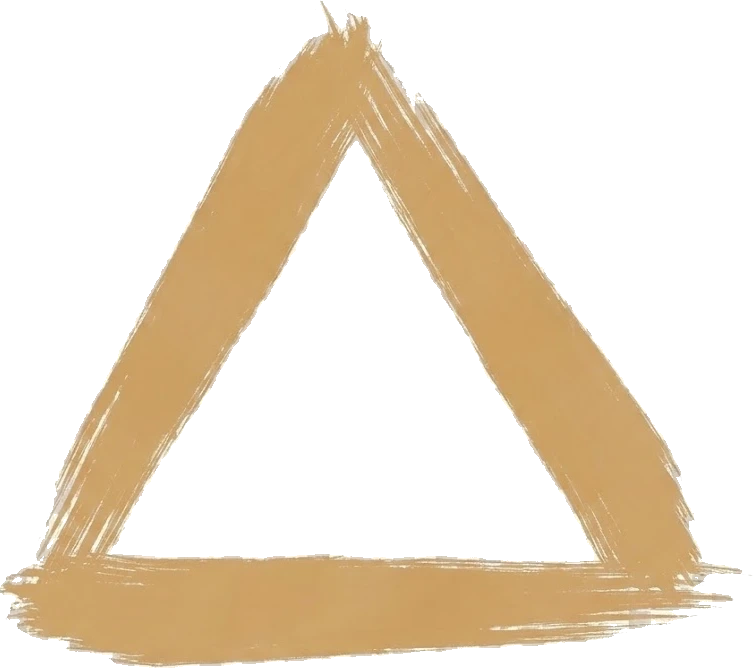 , 120°) and sextiles (
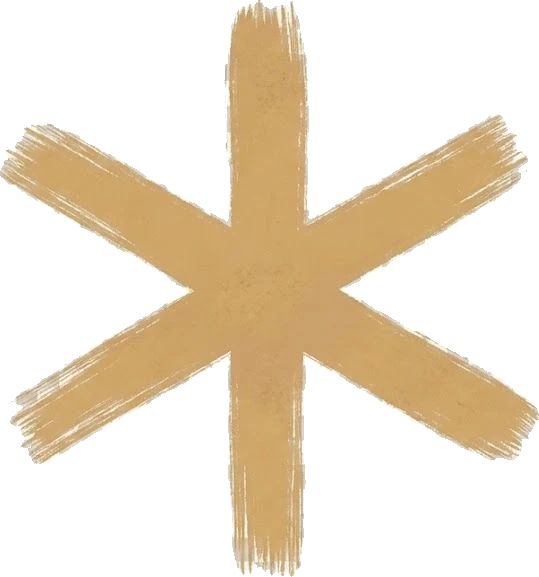 , 60°) create free, easy channels for its themes to flow, often manifesting as natural talent for art, charm, or attracting good fortune, but carrying the risk of inertia if these gifts are taken for granted. Hard aspects — squares (
 , 90°) and oppositions (
 , 180°) — create productive friction that pushes the personality to consciously define its values, rather than defaulting to superficial pleasure, with applying aspects (where Venus is moving toward the other planet) creating an inexorable inner drive to pursue pleasure and connection, and separating aspects indicating patterns of value and affection already mastered through past experience. Conjunctions (
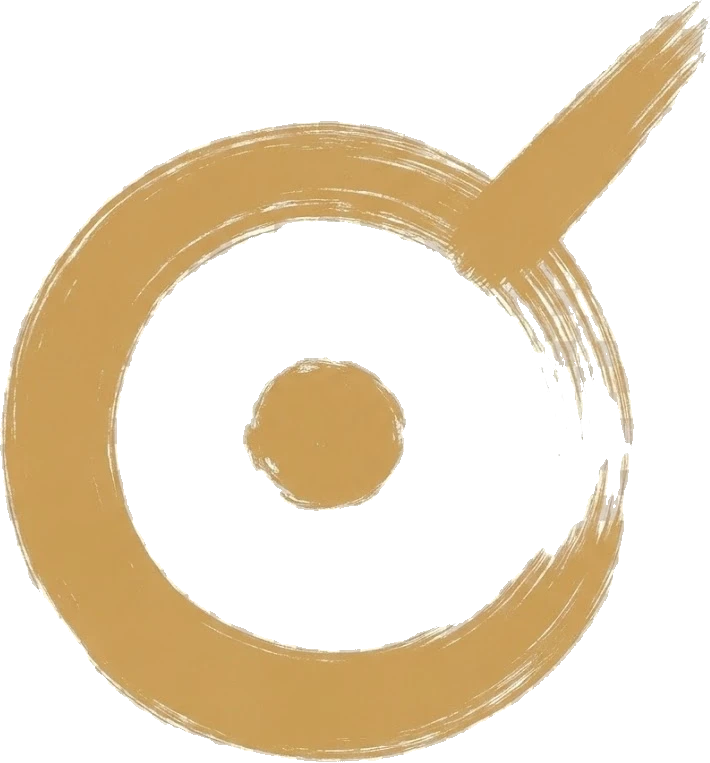 , 0°) fuse Venus’s themes of pleasure and worth with the function of the planet it touches, creating a blended expression that can range from artistic genius to overindulgence depending on the partner planet’s nature; a tight conjunction (within 3°) to the Sun can cause causal combustion, scorching Venus’s themes and making the personality overly focused on appearance and social approval, while a wider conjunction simply tints the solar identity with Venusian charm and aesthetic sense.
Symbolism and Mythology
The archetype of Venus draws from the Greek goddess Aphrodite, the Roman goddess Venus, and the Sumerian goddess Inanna, figures who govern not only romantic love and physical pleasure but also beauty, artistic creation, procreation, commerce, and the social bonds that hold communities together. Unlike the war god Mars or the stern Saturn, Venus represents the soft, attractive force that draws people together, the appreciation of form and harmony that underpins art and culture, and the desire for comfort and connection that is fundamental to human experience. As the Morning Star (Phosphorus) and Evening Star (Hesperus), Venus is the celestial body that appears at the thresholds of day and night, symbolizing her role as the bridge between conscious desire and unconscious longing, between public social grace and private intimate need. In ancient mythology, she was also a patron of sailors and merchants, reflecting her association with both emotional and material exchange, and her role as the mother of the hero Aeneas ties her to the founding of civilization and the transmission of cultural values across generations. In classical astrology, she is often depicted holding a mirror, symbolizing her role as the arbiter of beauty and self-worth, and a girdle, symbolizing her power to inspire desire and attraction in others.
The Principles of the Planets in the Chart
Venus in the Chart
Venus’s core function is to act as the personality’s internal compass for pleasure, worth, and attraction, dictating what we find beautiful, what we consider valuable enough to invest our time and energy in, and how we experience and express affection. It governs our aesthetic taste, our capacity for harmony in relationships, our ability to attract resources and social goodwill, and our fundamental sense of self-worth, operating as the part of us that seeks to create comfort, beauty, and connection in our lives. When Venus is strong and well-aspected in the natal chart, it manifests as natural charm, artistic talent, an easy ability to attract positive relationships and material comfort, and a stable sense of self-worth that does not depend on external validation. When Venus is weak or afflicted, it can manifest as overindulgence in sensory pleasure, shallow values, difficulty setting boundaries in relationships, or a chronic sense of inadequacy and unworthiness. Venus also acts as a protective force in the chart: harmonious aspects to Venus can soften the impact of hard aspects from more challenging planets like Saturn or Mars, while its presence in a harmonious configuration with the Sun or Moon can indicate long life, happiness, and material prosperity.
The Planetary Functions That Interact With Venus
Every planet in the natal chart forms an angular aspect with Venus, creating a permanent "wire" between Venus’s themes of pleasure, value, and attraction and the other planet’s core function. For example, a harmonious aspect between Venus and Mercury fuses the themes of communication and pleasure, creating a talent for writing, speaking, or artistic expression that brings both joy and reward; a hard aspect between Venus and Saturn creates tension between the desire for pleasure and the need for structure and discipline, pushing the personality to build lasting, meaningful values rather than chasing fleeting gratification. The nature of the aspect (harmonic, hard, conjunction) determines whether the interaction between Venus and the other planet flows easily or requires conscious integration to avoid shadow expressions. Venus also has a unique affinity with Jupiter, the greater benefic: harmonious aspects between Venus and Jupiter amplify good fortune, abundance, and joy, while hard aspects can lead to overindulgence or unrealistic expectations of pleasure. Venus also has a challenging relationship with Mars, its complementary opposite: harmonious aspects between Venus and Mars create passionate, dynamic energy that fuels creative and romantic pursuits, while hard aspects can lead to conflict between desire and action, or impulsive, reckless behavior in pursuit of pleasure.
The Combined Influence
The combined influence of Venus and any other planet creates a distinct life scenario centered on the intersection of that planet’s function with Venus’s themes of pleasure, value, and connection. For example, a Venus-Mars aspect blends the drive for action and desire with the pursuit of pleasure, creating a personality that is passionate, charismatic, and drawn to creative or competitive pursuits that allow for self-expression and sensual enjoyment; a Venus-Saturn aspect blends the need for structure and long-term security with the desire for pleasure, creating a personality that values stability, commitment, and tangible, lasting rewards over fleeting gratification, but may struggle with self-criticism or fear of not being "good enough" to deserve love or pleasure. Every Venus aspect shapes how the personality pursues joy, defines worth, and relates to others, creating a lifelong pattern of behavior and preference that is unique to the individual’s chart. Classical sources note that Venus’s influence is amplified when it is in its own signs (Taurus, Libra) or exalted in Pisces, and weakened when it is in detriment (Aries, Scorpio) or fall (Virgo), as these signs express its themes in more challenging, unbalanced ways.
Expression in Sign and House
The sign Venus occupies colors the style and tempo of its expression, shaping how the personality experiences and pursues pleasure and value. Venus rules the earth sign Taurus and the air sign Libra, so its expression is most natural and balanced in these signs, where it can express its themes of tangible comfort, aesthetic harmony, and relational connection without friction. In fire signs (Aries, Leo, Sagittarius), Venus becomes more passionate, enthusiastic, and bold, drawn to exciting, adventurous pleasures, grand romantic gestures, and creative self-expression that is visible to others; in water signs (Cancer, Scorpio, Pisces), Venus becomes more emotional, intuitive, and nurturing, focused on deep emotional connection, spiritual beauty, and pleasure derived from caring for others. In earth signs (Taurus, Virgo, Capricorn), Venus becomes more practical, grounded, and focused on tangible, sensory pleasures (good food, comfortable surroundings, material security), while in air signs (Libra, Gemini, Aquarius), Venus becomes more social, intellectual, and focused on connection, communication, and aesthetic ideas.
The house Venus occupies is the arena of life where its themes of pleasure, value, and connection unfold most prominently. Venus in the 1st house makes the personality charming, attractive, and focused on personal appearance and self-worth, with a natural ability to make a good first impression; Venus in the 2nd house focuses on material values, earning capacity, and pleasure derived from possessions and financial security; Venus in the 3rd house focuses on pleasure from communication, learning, short trips, and interactions with siblings and neighbors; Venus in the 4th house focuses on pleasure from home, family, and domestic security, with a strong desire to create a beautiful, harmonious home environment; Venus in the 5th house focuses on pleasure from creativity, romance, play, children, and leisure activities; Venus in the 6th house focuses on pleasure from work, service, health routines, and small daily tasks, with a desire to create beauty and harmony in everyday work; Venus in the 7th house focuses on pleasure from one-on-one partnerships, marriage, and close business partnerships, with a strong desire for balanced, harmonious relationships; Venus in the 8th house focuses on pleasure from deep intimacy, shared resources, transformative experiences, and exploration of taboo or hidden topics; Venus in the 9th house focuses on pleasure from travel, higher learning, philosophy, cultural exploration, and spiritual growth; Venus in the 10th house focuses on pleasure from career, public recognition, and social status, with a desire to be admired for one’s beauty, charm, or creative talents; Venus in the 11th house focuses on pleasure from friendships, community involvement, collective causes, and social groups; Venus in the 12th house focuses on pleasure from solitude, spiritual practice, behind-the-scenes work, and connection to the unconscious.
Combined Influence across positions
The sign and house together shape how Venus’s themes play out in the individual’s life: for example, Venus in Taurus in the 2nd house amplifies themes of material security, tangible pleasure, and stable self-worth tied to possessions, while Venus in Scorpio in the 8th house amplifies themes of deep intimacy, shared resources, and pleasure derived from transformative, intense experiences. The dispositor of Venus (the planet that rules the sign Venus is in) also shapes its expression: if Venus is in Aries, its dispositor is Mars, so its themes of pleasure and value are filtered through Mars’s drive, initiative, and impulsivity, making the personality drawn to exciting, competitive pleasures and quick, decisive action in pursuit of what they want. If Venus is in its own sign (Taurus or Libra), it is its own dispositor, amplifying its natural themes of harmony, pleasure, and value, while if it is in detriment or fall, its dispositor may be a challenging planet that adds tension to its expression.
Differences Between the Male and Female Chart
Classical astrology classifies Venus as a feminine, nocturnal planet, so its expression differs meaningfully between the male and female natal chart, reflecting its role as the principle of receptivity, attraction, and relational harmony.
The Male Chart
For men, Venus represents the anima, or inner feminine, shaping their idealized image of women, their values around relationships, and their capacity for emotional expression, affection, and aesthetic appreciation. Men with strong, well-aspected Venus tend to be naturally charming, romantic, and appreciative of beauty, often drawn to partners who embody grace, warmth, and emotional intelligence; they may have a natural talent for art, music, or other creative pursuits, and often attract good fortune and social goodwill through their warm, affable nature. Men with afflicted or poorly aspected Venus may struggle with commitment, overindulge in sensual pleasure, have shallow or unrealistic expectations of partners, or attract unhealthy, codependent relationships, as their inner feminine is unbalanced or unintegrated. Venus also governs a man’s relationship with female figures in his life, including his mother, sisters, and female friends, so a strong Venus indicates positive, supportive relationships with these figures, while a weak Venus may indicate conflict, distance, or unhealthy dynamics with the women in his life.
The Female Chart
For women, Venus represents the core feminine identity, self-worth, personal values, and the expression of their own attractiveness, charm, and creative power. Women with strong, well-aspected Venus tend to be naturally charismatic, aesthetically attuned, and confident in their self-worth, able to attract positive relationships and material comfort easily without compromising their values; they often have a talent for art, design, caregiving, or other Venusian pursuits, and may find success in fields related to beauty, fashion, hospitality, or the arts. Women with afflicted or poorly aspected Venus may struggle with low self-esteem, people-pleasing, overindulgence in food, shopping, or other sensory pleasures to cope with emotional pain, or unhealthy relationship patterns where they give too much without receiving enough in return, as their core sense of worth is tied to external validation. Venus also governs a woman’s ability to set healthy boundaries in relationships, so a strong Venus allows her to prioritize her own needs and values, while a weak Venus may lead her to tolerate mistreatment or neglect to avoid being alone.
Psychological Portrait
The Venus function shapes the core of the personality’s character, motivation, fears, self-esteem, thinking style, and attachment patterns, creating a lifelong framework for how the individual experiences joy, worth, and connection.
- Character: People with strong, well-aspected Venus are typically charming, sociable, cooperative, and appreciative of beauty, with a natural ability to diffuse tension and create harmony in their environment. They are often diplomatic, tactful, and good at finding compromise in conflicts, but may struggle with avoidance of difficult conversations or confrontation to keep the peace. People with afflicted Venus may be manipulative, superficial, or overly critical of themselves and others, with a tendency to prioritize appearance over substance.
- Motivation: The core motivation of the Venus function is to create pleasure, beauty, and harmony in the individual’s life and the lives of others, to feel loved and valued, and to surround themselves with people, objects, and experiences that align with their core values. They are driven by a desire for connection, comfort, and aesthetic fulfillment, and will often go out of their way to create beautiful, welcoming environments for themselves and their loved ones.
- Fears: The deepest fear of the Venus function is being unloved, unworthy, or forced to live without beauty or comfort. They fear rejection, abandonment, and being deprived of the things that bring them pleasure, and may go to great lengths to avoid these outcomes, even if it means compromising their values or their own well-being.
- Self-esteem: Self-esteem for Venus-ruled individuals is tied directly to their sense of being loved and valued by others, and their ability to create beauty and harmony in their environment. When they feel appreciated and surrounded by things they love, their self-esteem is high and stable; when they feel rejected, unappreciated, or deprived of pleasure, their self-esteem can plummet, leading to feelings of inadequacy and unworthiness.
- Thinking style: Venus-ruled individuals think in terms of aesthetics, harmony, and value, often making decisions based on how something makes them feel rather than purely logical criteria. They are good at seeing the best in people and situations, but may avoid difficult truths or negative emotions to maintain harmony, leading to denial or repression of problems that need to be addressed.
- Attachment style: People with well-aspected Venus tend to have a secure, affectionate attachment style, comfortable with both giving and receiving love, and able to maintain healthy boundaries in relationships. People with afflicted Venus may develop an anxious attachment style, clinging to partners for validation and fearing abandonment, or an avoidant attachment style, pushing others away to protect themselves from rejection, often alternating between the two extremes.
Spheres of Life
Career
Venus governs all careers related to beauty, art, design, fashion, music, hospitality, counseling, event planning, and any field that requires charm, diplomacy, or an eye for aesthetics. People with strong Venus thrive in roles that allow them to create beauty, help others feel comfortable and valued, or work with luxury goods and services, as they have a natural talent for making others feel seen and appreciated. They may struggle in highly competitive, cutthroat work environments that require aggression, harsh criticism, or constant conflict, as Venus prefers harmony and cooperation over confrontation. Hard aspects to Venus can create challenges in the workplace, such as office politics, jealousy from colleagues, or difficulty asserting themselves in negotiations, while harmonious aspects make them popular with coworkers and supervisors, often leading to career advancement through social connections and charm. Classical sources note that women with strong Venus often find success in female-dominated fields or careers that allow them to express their feminine energy, while men with strong Venus often thrive in roles that allow them to express their creative or diplomatic side.
Relationships
Venus is the primary governor of all one-on-one relationships, from casual friendships to romantic partnerships and marriage, dictating what we find attractive in others, how we express affection, and what we need to feel loved and valued in a relationship. People with strong Venus are naturally charming, affectionate, and cooperative, making them easy to get along with and popular in social circles; they value harmony, compromise, and mutual pleasure in relationships, and are willing to put in the work to maintain connection. Hard aspects to Venus can create challenges in relationships, such as codependency, people-pleasing, jealousy, or a tendency to attract unhealthy, unbalanced partners who do not reciprocate their affection, while harmonious aspects make it easy for them to attract loving, supportive partners and build long-lasting, fulfilling relationships based on mutual respect and shared values.
Finances
Venus governs our relationship with money, material possessions, and the values that guide our spending habits, dictating what we consider worth spending money on, how we attract financial resources, and how we use money to create pleasure and comfort in our lives. People with strong Venus tend to have a natural talent for attracting money, whether through their charm, their artistic talents, or their ability to identify valuable opportunities; they enjoy spending money on beautiful, high-quality things that bring them pleasure, but are not usually reckless with their finances, as they value stability and long-term security as much as immediate enjoyment. Hard aspects to Venus can lead to overspending, poor financial decisions driven by the desire for pleasure or social approval, or a tendency to attract financial loss through unhealthy relationships or get-rich-quick schemes, while harmonious aspects make it easy for them to build stable, abundant financial lives aligned with their values, often attracting wealth through artistic or social pursuits.
Health
Venus governs the physical body’s capacity for pleasure, the reproductive system, the skin, the throat, the sense of touch, and the endocrine system, with psychosomatic tendencies centered on the balance between pleasure and self-care. People with strong Venus tend to have good health, a love of physical comfort, and a natural ability to recover from illness, but may struggle with overindulgence in food, alcohol, or other sensory pleasures that can lead to weight gain, hormonal imbalances, reproductive issues, or skin conditions. Hard aspects to Venus can manifest as low libido, hormonal disorders, chronic skin conditions, or eating disorders, often rooted in a distorted sense of self-worth or a tendency to use food or other pleasures to cope with emotional pain; harmonious aspects support good health, a healthy relationship with the body, and a natural ability to find pleasure in healthy, nurturing activities like cooking, gardening, spending time in nature, or practicing yoga.
Challenges and Gifts
Shadow Sides
1. Overindulgence and hedonism: When Venus is unbalanced, the personality can become obsessed with fleeting sensory pleasure, overindulging in food, alcohol, sex, or luxury goods to avoid emotional pain, leading to financial instability, health issues, and a sense of emptiness when the pleasure fades, as they never address the underlying emotional need driving the overindulgence.
2. Shallow values and people-pleasing: Unintegrated Venus can lead to a focus on superficial attractiveness and social approval, causing the personality to prioritize others’ expectations over their own needs, adopt shallow values to fit in, and neglect deeper, more meaningful sources of fulfillment, leading to a sense of emptiness even when they have everything they thought they wanted.
3. Codependency and unhealthy attachment: Afflicted Venus can create a pattern of clinging to partners or friends for validation, losing one’s own sense of self in relationships, tolerating abuse or neglect to avoid being alone, and using charm or manipulation to keep others close, rather than building relationships based on mutual respect and authenticity.
4. Financial recklessness: Unbalanced Venus can lead to impulsive spending on luxury goods or experiences to boost self-worth, making poor financial decisions driven by the desire for pleasure or social status, and relying on others for financial support rather than building independent stability, leading to long-term financial insecurity.
5. Manipulation through charm: Unintegrated Venus can use its natural charm and attractiveness to manipulate others into getting what they want, rather than being honest and direct, leading to shallow, untrustworthy relationships and a lack of genuine connection with others, as people sense the inauthenticity behind the charm.
Bright Sides
1. Natural charm and social grace: Well-aspected Venus gives the personality an easy, natural charm that makes them popular in social circles, able to diffuse tension, build rapport with others, and attract positive opportunities through their warm, affable nature, making it easy for them to build a strong social network that supports their goals.
2. Artistic and aesthetic talent: Venus is the primary governor of artistic ability, giving the personality a natural eye for beauty, a talent for music, visual art, design, writing, or other creative pursuits, and the ability to create works that bring joy and harmony to others, often leading to success in artistic fields or the ability to bring beauty to everyday life.
3. Attraction of abundance and good fortune: Strong Venus acts as a magnet for material comfort, good relationships, and positive opportunities, making it easy for the personality to attract the resources and connections they need to build a fulfilling, abundant life, often experiencing "lucky" breaks that align with their values and desires.
4. Capacity for deep, loving relationships: Integrated Venus gives the personality the ability to give and receive affection freely, to build long-lasting, supportive relationships based on mutual respect and pleasure, and to create a warm, harmonious home environment that nurtures themselves and their loved ones, making them a source of comfort and joy for everyone around them.
5. Strong sense of self-worth: When Venus is integrated, the personality has a stable, internal sense of worth that does not depend on external validation, allowing them to set healthy boundaries, pursue their values without fear of judgment, and feel content and fulfilled even when alone, free from the need for constant external approval.
6. Diplomatic and mediating skill: Well-aspected Venus gives the personality a natural ability to mediate conflicts, find compromise, and bring opposing sides together, making them valuable in team settings, community organizing, and any role that requires building consensus and fostering harmony between different groups of people.
Practical Recommendations
| Sphere | Advice | Astrological Tool |
|---|---|---|
| Career | Prioritize roles that align with your values and allow you to create beauty, harmony, or comfort for others, rather than taking high-paying jobs that require you to act against your core values or create constant conflict; avoid roles that require harsh criticism or cutthroat competition if your Venus is in a water or earth sign. | Identify your Venus sign and house placement, and work with its dispositor and the 10th house ruler to map career paths that align with your natural Venusian talents; for example, Venus in the 5th house may thrive in creative or entertainment fields, while Venus in the 6th house may thrive in caregiving or service roles. |
| Relationships | Practice setting clear boundaries and communicating your needs openly, rather than people-pleasing to avoid conflict; prioritize partners who respect your values and make you feel valued, rather than chasing superficial attraction or staying in relationships that make you feel bad about yourself. | Meditate on Venus’s placement in your 7th house and its aspects to the Moon and Mars to identify recurring relationship patterns; use Venusian rituals like creating a shared beauty ritual with your partner or exchanging small, thoughtful gifts to strengthen connection and build mutual appreciation. |
| Finances | Create a budget that allocates funds for small, regular pleasures that align with your values, rather than making impulsive large purchases to boost your mood; avoid using money to buy affection or validation from others, and prioritize spending on experiences and objects that bring you lasting joy rather than temporary status. | Track your spending for one month to identify what you truly value spending money on; work with the 2nd house ruler and Venus’s aspects to Jupiter to build a financial plan that supports long-term abundance rather than short-term pleasure, avoiding get-rich-quick schemes that promise quick returns with little effort. |
| Health | Prioritize pleasure in your health routine, choosing activities you enjoy (like dancing, gardening, cooking, or yoga) rather than punishing exercise or restrictive diets that feel like a chore; practice moderation with sensory pleasures to avoid overindulgence that harms your long-term health. | Pay attention to Venus’s sign and house placement to identify what forms of pleasure support your health: for example, Venus in Taurus may benefit from cooking nourishing, delicious meals, while Venus in Libra may benefit from group exercise classes or spending time in beautiful, natural settings. |
| Personal Growth | Practice distinguishing between fleeting pleasure and lasting fulfillment by asking yourself if a choice aligns with your long-term values, rather than just giving you immediate gratification; build your self-worth through internal validation rather than external approval, by acknowledging your own strengths and accomplishments rather than seeking praise from others. | Keep a values journal to track what activities and relationships bring you lasting joy vs. temporary pleasure; work with hard aspects to Venus (squares, oppositions) to identify where you are avoiding difficult growth in favor of easy comfort, and set small, achievable goals to build self-worth over time. |
| Social Life | Cultivate friendships and community connections that align with your values and bring you joy, rather than maintaining social connections out of obligation or a desire for social status; use your natural charm to support others rather than manipulate them for personal gain, and avoid gossip or social drama that disrupts harmony. | Host small, intimate gatherings centered around shared aesthetic or creative interests (like a dinner party, art exhibit visit, or music night) to build meaningful connections; practice active listening and empathy in social interactions to deepen your connections with others. |
| Creative Pursuits | Make time for regular creative practice that brings you joy, even if you do not plan to monetize it; allow yourself to experiment with different art forms without judgment, as Venus values the process of creation as much as the final product, and creative expression is one of the highest expressions of the Venus function. | Create a dedicated creative space in your home that is beautiful and inspiring, aligned with Venus’s 4th or 5th house placement; work with harmonious aspects to Venus (trines, sextiles) to identify your natural creative talents and develop them over time, without putting pressure on yourself to be "perfect." |
| Self-Care | Build a self-care routine that prioritizes sensory pleasure and beauty, such as taking a bath with scented oils, wearing clothes that make you feel confident, or spending time in nature; avoid using self-care as an excuse for overindulgence or avoidance of responsibility, and prioritize care that nourishes both your body and your soul. | Create a Venusian altar with objects that bring you joy (flowers, crystals, art, favorite scents) to ground yourself in your values; work with Venus’s aspects to the Moon to identify what forms of care make you feel most nurtured and loved, and make time for these activities regularly, even when you are busy. |
Conclusion
Integrating the Venus function is a lifelong journey of moving from the shadow of superficial pleasure and external validation to the highest expression of authentic joy, deep connection, and lasting worth. The shadow side of Venus manifests as hedonism, people-pleasing, and a reliance on external approval to feel worthy, leading to a life of empty pleasure and unfulfilling relationships, while the highest expression manifests as the ability to create beauty and harmony in the world, to love and be loved freely without fear, and to build a life aligned with one's deepest values that brings both personal fulfillment and joy to others. By consciously working with Venus’s aspects, sign, and house placement, the personality can transform the desire for pleasure into a force for good, using their natural charm, artistic talent, and capacity for connection to build a life of meaning, abundance, and love that is rooted in authentic worth rather than fleeting gratification. The ultimate goal of the Venus function is to turn the pursuit of personal pleasure into a path of service and connection, creating a life that is not only enjoyable for the self, but that also brings beauty and joy to everyone the individual touches.
This article was prepared by the [Astrobot](https://astrobot.chat) editorial team — your personal astrological assistant. The material is based on classical and modern astrological sources.

 Pisces. It creates a lifelong inner tension between the desire for unapologetic personal autonomy and the quest for universal spiritual or philosophical meaning, often manifesting as a pull to explore marginalized, forbidden, or suppressed systems of belief. The individual has an innate gift for perceiving hidden truths behind established dogma, but risks falling into escapism, self-deception, or self-sabotage if they cannot ground their mystical insights in practical reality. The core path of integration is to embrace the exiled parts of the self as a source of liberating wisdom, rather than a source of shame, and to use their unique perspective to challenge oppressive systems with compassion and courage.