 Planet Overview
 Descendant
Introduction
The Descendant (DSC) is one of the four cardinal angular points of the natal chart, marking the cusp of the 7th house and the exact 180° opposition to the Ascendant (ASC), the point of self-identity and outward expression. Unlike planets, which represent active inner functions, the DSC is a receptive, magnetic point that governs all one-to-one dynamics: romantic partnerships, business collaborations, open adversaries, and even casual one-on-one interactions with strangers. It is one of the personality's key knots because it defines the fundamental tension between the need for individual autonomy (represented by the ASC) and the need for connection and relationship (represented by the DSC). Every person navigates this tension across their lifespan, and the DSC's placement, sign, and aspects reveal the unique patterns that shape how they engage with others, what they attract into their lives, and how they grow through relationship. Unlike transits or progressions, which activate temporary life events, the DSC is a permanent, innate structure of the personality, operating as a lifelong lens through which all one-to-one experiences are filtered.
The Nature of the Aspect
The DSC forms an inherent opposition with the ASC, creating the core 1st/7th house axis of the chart, which represents the fundamental dichotomy between the self and the other. As an angular cusp, the DSC carries the full strength of a chart angle, making its influence on personality and life experience as powerful as any planetary placement. The orbs for aspects to the DSC follow classical astrological guidelines: conjunctions (planets aligned with the DSC cusp, within 8° of exact) are the most powerful, as they fuse the planet's energy directly to the relationship function; oppositions and squares (within 7°) create charged tension that drives dynamic, often challenging relationship patterns; trines (within 7°) create a free, easy channel of talent in relating that is often taken for granted; sextiles (within 5°) offer opportunities to develop relationship skills that require conscious effort to activate. The direction of the aspect also matters: an applying aspect (a planet moving toward the DSC in forward motion) acts as an inexorable inner demand, compelling the individual to engage with the relationship themes the aspect represents; a separating aspect (a planet moving away from the DSC) indicates experience with these themes that the individual has already begun to master, and that will manifest less compulsively over time.
Symbolism and Mythology
The DSC carries the deep archetype of the liminal threshold, the boundary between the known world of the self and the unknown world of the other. In classical mythology, it is aligned with the western horizon, the point where the sun () sets each day, marking the transition from the conscious, visible world of daylight to the unconscious, hidden world of night. This association ties the DSC to the realm of the shadow, the disowned parts of the personality that we cannot see in ourselves but recognize clearly in others. It is also linked to the archetype of the sacred partner, embodied by figures such as Hera, queen of the gods and goddess of marriage, who governs the bond of mutual commitment, trust, and shared purpose between two people. The story of Persephone, who travels between the upper world of the living and the lower world of the dead, mirrors the DSC's function as the bridge between the self and the other, the conscious and the unconscious, the known and the unknown. Across cultures, the western horizon has long been associated with the realm of the dead, the afterlife, and the unknown, reinforcing the DSC's role as the point where we confront the parts of ourselves and the world that lie beyond our individual control.
 ) sets each day, marking the transition from the conscious, visible world of daylight to the unconscious, hidden world of night. This association ties the DSC to the realm of the shadow, the disowned parts of the personality that we cannot see in ourselves but recognize clearly in others. It is also linked to the archetype of the sacred partner, embodied by figures such as Hera, queen of the gods and goddess of marriage, who governs the bond of mutual commitment, trust, and shared purpose between two people. The story of Persephone, who travels between the upper world of the living and the lower world of the dead, mirrors the DSC's function as the bridge between the self and the other, the conscious and the unconscious, the known and the unknown. Across cultures, the western horizon has long been associated with the realm of the dead, the afterlife, and the unknown, reinforcing the DSC's role as the point where we confront the parts of ourselves and the world that lie beyond our individual control.
The Principles of the Planets in the Chart
The Descendant as a Chart Point
The DSC is not an active planetary function, but a receptive point that acts as a magnet for the kinds of people, experiences, and relationship dynamics that match its energy. Its core function is to facilitate the integration of the self through interaction with the other: by engaging with people who embody different traits, values, and perspectives, the individual is able to see parts of themselves they would otherwise remain unaware of, and to grow into a more whole, integrated personality. The DSC's sign placement sets the style of relating the individual unconsciously seeks in others: for example, a DSC in (Libra) will seek harmonious, fair, and aesthetically pleasing partnerships, while a DSC in (Aries) will seek passionate, independent, and dynamic partnerships that allow for individual autonomy. The house placement of the DSC sets the arena of life where relationship dynamics will most often play out: a DSC in the 10th house will see relationship dynamics tied to career and public life, while a DSC in the 4th house will see relationship dynamics tied to family and domestic life.
 (Libra) will seek harmonious, fair, and aesthetically pleasing partnerships, while a DSC in
 (Aries) will seek passionate, independent, and dynamic partnerships that allow for individual autonomy. The house placement of the DSC sets the arena of life where relationship dynamics will most often play out: a DSC in the 10th house will see relationship dynamics tied to career and public life, while a DSC in the 4th house will see relationship dynamics tied to family and domestic life.
Planetary Aspects to the Descendant
When a planet forms an aspect to the DSC, it tints the entire relationship function with that planet's core energy and motivations. For example, a (Moon) conjunct DSC will make emotional security, nurturing, and emotional compatibility core needs in all one-to-one relationships, while (Mars) square DSC will create a pattern of conflict, competition, and a need for independence in partnerships, often leading to power struggles if not consciously integrated. The nature of the aspect determines whether these relationship patterns come easily or require effort: harmonious aspects ( trine, sextile) bring natural ease in relating, with the individual often taking their relationship talents for granted; hard aspects ( square, opposition) create charged tension that drives relationship dynamics, requiring conscious effort to integrate but leading to deeper growth and stronger character when mastered.
 (Moon) conjunct DSC will make emotional security, nurturing, and emotional compatibility core needs in all one-to-one relationships, while
 (Mars) square DSC will create a pattern of conflict, competition, and a need for independence in partnerships, often leading to power struggles if not consciously integrated. The nature of the aspect determines whether these relationship patterns come easily or require effort: harmonious aspects (
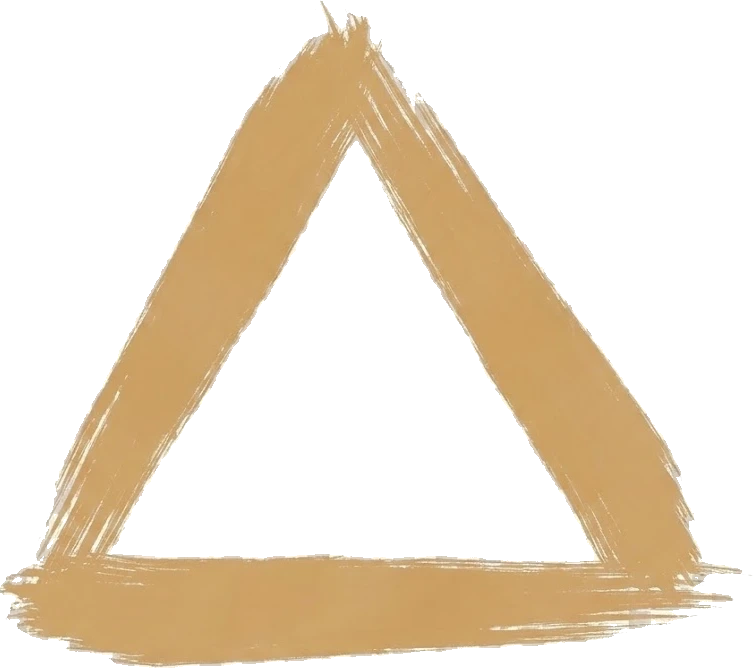 trine,
 sextile) bring natural ease in relating, with the individual often taking their relationship talents for granted; hard aspects (
 square,
 opposition) create charged tension that drives relationship dynamics, requiring conscious effort to integrate but leading to deeper growth and stronger character when mastered.
The Combined Influence of DSC and Its Aspects
The DSC's baseline energy (set by its sign and house) is modified by planetary aspects to create a unique relationship blueprint. For example, a DSC in (Cancer) in the 4th house with (Venus) trine DSC will bring a natural ease in forming nurturing, domestic partnerships that feel like family, with a strong desire to create a shared home with a partner. In contrast, a DSC in (Capricorn) in the 10th house with (Saturn) square DSC will create a pattern of delaying marriage or committed partnership to focus on career, with relationships feeling like a responsibility rather than a joy, requiring conscious effort to balance professional and personal needs.
 (Cancer) in the 4th house with
 (Venus) trine DSC will bring a natural ease in forming nurturing, domestic partnerships that feel like family, with a strong desire to create a shared home with a partner. In contrast, a DSC in
 (Capricorn) in the 10th house with
 (Saturn) square DSC will create a pattern of delaying marriage or committed partnership to focus on career, with relationships feeling like a responsibility rather than a joy, requiring conscious effort to balance professional and personal needs.
Expression in Sign and House
The sign on the DSC cusp defines the style of relating the individual unconsciously seeks in partners, as well as the traits they are most likely to project onto others. The house the DSC falls in defines the arena of life where relationship dynamics will be most prominent, and where the individual will encounter the most significant partners and relationship experiences.
Combined Influence across positions
Fire sign DSCs ( Aries, Leo, Sagittarius) seek partners who are passionate, adventurous, and independent, and may project their own need for excitement or recognition onto others. Earth sign DSCs ( Taurus, Virgo, Capricorn) seek stable, reliable, practical partners who offer security, and may project their own need for stability or criticism onto others. Air sign DSCs ( Gemini, Libra, Aquarius) seek intellectual, communicative, independent partners who stimulate conversation, and may project their own need for connection or detachment onto others. Water sign DSCs ( Cancer, Scorpio, Pisces) seek emotionally deep, intuitive, nurturing partners who offer emotional security, and may project their own emotional needs or fears onto others.
For house placement: a DSC in the 1st house makes relationships central to personal identity, with the individual often attracting partners who mirror their own traits and values; a DSC in the 4th house ties relationships to family and domestic life, with the individual often attracting partners who become like family, or who trigger childhood attachment patterns; a DSC in the 7th house (its natural domicile) makes committed partnership a core life focus, with the individual often prioritizing marriage or long-term collaboration above other goals; a DSC in the 10th house ties relationships to career and public life, with the individual often attracting partners who are also professional collaborators, or who support their public ambitions; a DSC in the 12th house brings karmic, hidden, or unavailable partners into the individual's life, with relationships often involving secrets, spiritual connection, or unresolved past-life patterns.
 Leo,
 Sagittarius) seek partners who are passionate, adventurous, and independent, and may project their own need for excitement or recognition onto others. Earth sign DSCs (
 Taurus,
 Virgo,
 Gemini,
 Aquarius) seek intellectual, communicative, independent partners who stimulate conversation, and may project their own need for connection or detachment onto others. Water sign DSCs (
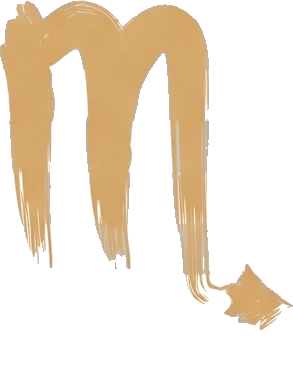 Scorpio,
 Pisces) seek emotionally deep, intuitive, nurturing partners who offer emotional security, and may project their own emotional needs or fears onto others.
Differences Between the Male and Female Chart
In classical astrology, the gender of the chart is determined by the position of the luminaries: a day chart ( above the horizon, below) is considered masculine, while a night chart ( above the horizon, below) is considered feminine. These gender distinctions shape how the DSC's energy is expressed, as the masculine principle is oriented toward outward action and assertion, while the feminine principle is oriented toward receptivity and integration.
The Male Chart
Men with a prominent DSC (e.g., DSC on an angle, conjunct a personal planet, or with multiple aspects) tend to express the DSC's energy actively, seeking out partners and relationship experiences that complement their outward-facing identity. They often project their own emotional needs () or creative desires () onto partners, expecting their partners to fulfill needs they have not yet developed in themselves. Hard aspects to the DSC (, ) in the male chart often manifest as conflict with authority figures in relationships, or a pattern of attracting partners who challenge their independence and force them to confront their own vulnerability. Harmonious aspects (, ) bring natural ease in forming business partnerships and collaborative ventures, as the masculine energy is channeled into productive one-to-one dynamics that support career and personal growth. Men with a DSC conjunct (Mars) may have a pattern of pursuing intense, passionate partnerships, but may struggle with compromise if the aspect is hard; those with DSC conjunct (Mercury) may prioritize intellectual connection in relationships, but may struggle with emotional vulnerability if the aspect is hard.
 (Mercury) may prioritize intellectual connection in relationships, but may struggle with emotional vulnerability if the aspect is hard.
The Female Chart
Women with a prominent DSC tend to internalize the DSC's energy, as the feminine principle is oriented toward receptivity and the integration of the other into the self. They often have a strong intuitive sense of what they need in partners, and may attract partners who reflect their own inner emotional state, acting as a mirror for their unacknowledged feelings. Hard aspects to the DSC in the female chart often manifest as a pattern of losing personal boundaries in relationships, prioritizing the needs of partners over their own to the point of resentment, or attracting partners who are emotionally unavailable or dismissive of their needs. Harmonious aspects bring natural ease in nurturing one-to-one connections, with a talent for mediating conflict, creating harmony in partnerships, and building long-term, supportive relationships that feel like a safe harbor. Women with a DSC conjunct (Moon) may have a strong need for emotional security in relationships, but may struggle with codependency if the aspect is hard; those with DSC conjunct (Venus) may have a natural talent for creating beauty and harmony in partnerships, but may struggle with people-pleasing if the aspect is hard.
Psychological Portrait
The DSC shapes the core of the personality's relational identity, influencing character, motivation, fears, self-esteem, thinking style, and attachment patterns in lasting ways.
Character
People with a prominent DSC are highly relational by nature, defining themselves through their connections to others rather than through individual achievement alone. They are natural mediators, collaborators, and partners, with a strong innate sense of fairness and a desire for balance in all one-to-one dynamics. They are often highly empathetic, able to pick up on the unspoken needs and feelings of others, and are skilled at building consensus and resolving conflict. However, they may also struggle with indecisiveness, as they are constantly weighing the needs of others against their own, and may avoid taking a stand to avoid disrupting harmony.
Motivation
Their core motivation is to achieve a sense of wholeness through relationship, to integrate the parts of themselves they cannot see alone by engaging with others who embody different traits and perspectives. They are driven to understand the viewpoints of others, and often have a deep curiosity about the inner lives of the people they connect with. They are often drawn to careers or hobbies that involve collaboration, counseling, or service to others, as these allow them to fulfill their core need for connection and mutual growth.
Fears
Their deepest fear is abandonment and isolation, as the DSC represents the fundamental human need for connection to feel whole. They may also fear conflict in relationships, avoiding necessary confrontations to keep the peace, or fear losing their independence by becoming too enmeshed with a partner. People with hard aspects to the DSC may also have a fear of being betrayed or taken advantage of in relationships, leading them to either push people away or become overly controlling.
Self-Esteem
Their self-esteem is often closely tied to the quality of their one-to-one relationships: they feel most confident, valued, and capable when they are in a harmonious, supportive partnership, and may feel lost, unmoored, or unworthy when single or in conflict with loved ones. They may also struggle with self-doubt in social situations, constantly worrying about how they are perceived by others, and adjusting their behavior to gain approval.
Style of Thinking
They think relationally, always considering how their actions, words, and decisions will affect the people around them. They are skilled at seeing multiple sides of a conflict, and often prioritize compromise and mutual benefit over winning an argument. However, they may also struggle with indecisiveness, as they are constantly weighing the needs of others against their own, and may have difficulty making choices that prioritize their own well-being over the needs of a relationship.
Attachment Style
Their attachment style is shaped by the aspects to the DSC: those with harmonious aspects (, ) tend to have a secure attachment style, comfortable with both intimacy and independence, and able to form stable, long-term relationships. Those with hard aspects (, ) tend to have an anxious or disorganized attachment style, craving closeness but fearing loss, leading to cycles of pursuing and withdrawing from partners. Those with DSC in water signs () or with aspects to the DSC may have a more anxious attachment style, while those with DSC in air signs () or with aspects may have a more avoidant attachment style.
Spheres of Life
The DSC's influence permeates every area of life that involves one-to-one interaction, shaping career success, relationship satisfaction, financial stability, and even physical health.
Career
People with a prominent DSC thrive in careers that involve one-to-one interaction, collaboration, or service to others: counseling, law, mediation, sales, consulting, teaching, healthcare, and any role that requires building and maintaining relationships with clients, patients, or collaborators. Hard aspects to the DSC may bring conflict with coworkers, business partners, or clients, requiring the individual to learn to assert their own needs, set boundaries, and negotiate fair terms in professional relationships. Harmonious aspects bring natural ease in forming profitable, long-term professional partnerships, and a talent for building networks of supportive contacts that advance career goals. A DSC in the 10th house may even bring relationship success through career connections, with the individual meeting their most significant partner through work or public life.
Relationships
This is the core sphere of the DSC, governing all one-to-one dynamics from casual acquaintances to romantic partnerships to open adversaries. The DSC's sign and aspects reveal the traits the individual unconsciously seeks in partners, the patterns of conflict and harmony they are likely to encounter, and the lessons they are here to learn through relationship. People with a DSC conjunct (Moon) will prioritize emotional security and nurturing in relationships, often attracting partners who act as a source of emotional support; those with DSC conjunct (Mars) will seek passionate, dynamic partnerships that allow for independence and adventure, but may struggle with conflict if the aspect is hard. Hard aspects to the DSC often manifest as a pattern of attracting partners who mirror the individual's own unresolved issues, leading to cycles of conflict, breakups, and reconciliation until the underlying patterns are consciously integrated. Harmonious aspects bring natural ease in forming long-term, harmonious partnerships, with a talent for compromise, mutual support, and shared growth.
Finances
The DSC's influence on finances is primarily tied to partnerships and shared resources: people with a prominent DSC often experience financial gain or loss through relationships, whether through marriage, business partnerships, or disputes with partners. A DSC conjunct (Jupiter) or with trine DSC brings financial gain through partnerships, with partners often acting as a source of opportunity and abundance. A DSC conjunct (Saturn) or with square DSC may bring financial challenges through relationships, such as shared debt, disputes over assets, or the need to support a partner financially. Hard aspects to the DSC may bring financial instability due to relationship conflict, while harmonious aspects bring financial stability through shared resources and collaborative ventures.
 (Jupiter) or with
Health (Psychosomatic Tendencies)
The DSC's psychosomatic influence centers on the physical manifestation of stress from relationship conflict. People with hard aspects to the DSC often experience chronic stress, tension headaches, digestive issues, or immune system weakness when in conflict with loved ones, as the tension between the need for connection and the need for autonomy manifests physically in the body. The sign on the DSC can indicate specific vulnerable areas: DSC in (Aries) may experience tension headaches or jaw pain from relationship conflict; DSC in (Cancer) may experience digestive issues or stomach ulcers from emotional stress in relationships; DSC in (Scorpio) may experience reproductive or pelvic issues from unresolved conflict in intimate relationships. Harmonious aspects to the DSC act as a buffer against stress, with positive relationships acting as a source of emotional support that improves overall physical health.
Challenges and Gifts
The DSC's energy can be expressed in either shadow, unintegrated forms or bright, integrated forms, depending on the individual's level of self-awareness and willingness to engage with its themes.
Shadow Sides
1. Projection of disowned traits: The most common shadow expression of the DSC is the projection of unacknowledged parts of the self onto partners. The individual attracts people who embody the traits they refuse to own in themselves, leading to cycles of idealization and demonization of partners, and repeated relationship conflicts that feel unavoidable.
2. Loss of personal boundaries: To avoid conflict or abandonment, the individual may prioritize the needs of others over their own, leading to resentment, enmeshment, and a loss of personal identity in relationships. They may struggle to say no, and may feel responsible for the emotions and well-being of their partners to an unhealthy degree.
3. Fear-driven relationship choices: The core fear of abandonment and isolation may lead the individual to stay in unhealthy, abusive, or unfulfilling relationships far longer than is good for them, or to rush into commitments with people they do not truly know in order to avoid being single.
4. Competitive conflict in partnerships: Hard aspects (especially square and opposition) to the DSC can create a pattern of viewing relationships as a battle for dominance, with the individual constantly fighting to assert their independence or control over their partner, leading to repeated breakups and power struggles.
5. Attraction to unavailable partners: The individual may unconsciously seek out partners who are emotionally or physically unavailable, as the distance allows them to avoid the vulnerability of true intimacy, and to continue projecting their disowned traits onto an idealized, unattainable other.
Bright Sides
1. Natural talent for collaboration: People with a well-integrated DSC have an innate ability to work with others, seeing the value in different perspectives and building consensus, making them excellent team players, business partners, and mediators.
2. High relational intelligence: They are highly attuned to the needs, feelings, and motivations of others, making them natural counselors, therapists, teachers, and supportive partners who are able to create safe, nurturing spaces for others to be vulnerable.
3. Growth through relationship: They use one-to-one dynamics as a mirror for self-growth, learning about their own strengths, weaknesses, and blind spots through interaction with others, leading to deep, lasting personal development across their lifespan.
4. Ability to form long-term, meaningful partnerships: Harmonious aspects to the DSC bring a natural ease in building lasting, supportive relationships, both personal and professional, that provide stability, joy, and mutual growth over decades.
5. Skill in negotiation and compromise: They have a natural talent for finding middle ground in conflicts, making them effective at resolving disputes in both personal and professional settings, and able to create win-win outcomes that benefit all parties involved.
Practical Recommendations
| Sphere | Advice | Astrological Tool |
|---|---|---|
| Recurring Relationship Pattern Identification | Keep a weekly journal of all one-to-one interactions, noting repeated conflicts, attractions, and power dynamics to spot patterns tied to your DSC placement. | Track applying hard aspects ( square, opposition) from transiting (Mars) and (Saturn) to your natal DSC, as these periods bring relationship dynamics to the surface for conscious review. |
| Healthy Boundary Setting | Practice articulating your needs in low-stakes relationships first, before applying boundary-setting to romantic or professional partnerships, to build confidence without fear of loss. | Work with the dispositor of your DSC sign: if your DSC is in (Taurus), its dispositor is (Venus); meditate on 's energy to cultivate self-worth that supports healthy boundaries. |
| Projection of Disowned Traits | When you feel extreme positive or negative reactions to someone, write down the specific trait you are reacting to, then reflect on whether you suppress that trait in your own behavior. | Use the opposition axis of your ASC and DSC: when you notice a trait in a partner that triggers you, check if that trait is the opposite of your ASC sign's core expression, indicating a disowned part of yourself. |
| Partner Selection | Make a list of the core traits you seek in a partner, then cross-reference each trait with a corresponding trait you already possess, to avoid seeking partners to fill gaps in your own identity. | Evaluate the aspects of potential partners' charts to your DSC: harmonious aspects ( trine, sextile) indicate easy, supportive dynamics, while hard aspects ( square, opposition) indicate opportunities for growth through conscious conflict resolution. |
| Conflict Resolution in Partnerships | Practice active listening in conflicts, repeating your partner's point back to them before stating your own, to avoid the DSC's natural tendency to prioritize the other's needs over your own or to fight for dominance. | Track transiting (Moon) aspects to your DSC: lunar transits activate emotional needs in relationships, making them ideal times to practice vulnerable, non-defensive communication. |
| Career Partnership Navigation | Clearly define roles, responsibilities, and financial terms with business partners at the start of any collaboration to avoid the DSC's tendency to blur boundaries in professional relationships. | If your DSC falls in the 10th house, use the energy of (Jupiter) (the natural ruler of the 9th house, which squares the 10th) to cultivate a sense of shared purpose with professional partners, rather than focusing solely on individual gain. |
| Karmic and Long-Term Relationship Work | For relationships that feel fated or repeatedly trigger the same patterns, work with a therapist or astrologer to identify karmic themes tied to your DSC's aspects to (Pluto) or (North Node). | Track the transit of (North Node) over your DSC: these periods (lasting ~18 months) bring fated relationship experiences that are designed to help you integrate the lessons of your DSC axis. |
| Self-Identity Integration | Dedicate regular solo time to activities that reinforce your own identity separate from your relationships, to avoid losing yourself in the needs of others. | Meditate on the opposition between your ASC and DSC: visualize a healthy balance between your own needs and the needs of others, rather than seeing them as mutually exclusive. |
 (Pluto) or
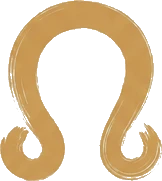 (North Node).
Conclusion
The natal Descendant is not a fixed fate, but a flexible blueprint for how we engage with the world through one-to-one relationship. Its unintegrated, shadow expression leads to cycles of projection, conflict, enmeshment, and loss of self in relationships, while its integrated, bright expression leads to deep, meaningful connections that support mutual growth, joy, and wholeness. The path of integrating the DSC's energy begins with self-awareness: recognizing the patterns we repeat in relationships, owning the disowned traits we project onto others, and learning to balance our own needs with the needs of the people we love. The highest expression of the DSC is the ability to form relationships that honor the autonomy of both the self and the other, creating partnerships that are a source of strength, support, and mutual evolution rather than a site of conflict or loss. By engaging consciously with the DSC's themes, we can transform the fundamental tension between self and other from a source of pain into a source of profound growth and connection.
This article was prepared by the [Astrobot](https://astrobot.chat) editorial team — your personal astrological assistant. The material is based on classical and modern astrological sources.
