 Planet Overview
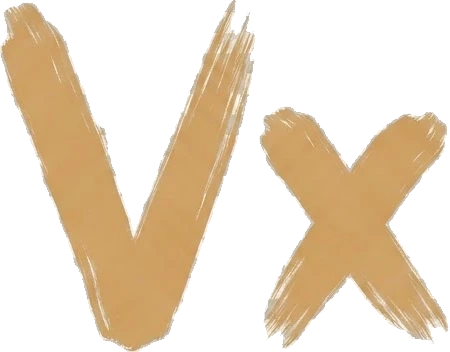 Vertex
Introduction
The Vertex-Vertex aspect, also known as the Vertex axis, refers to the exact 180-degree opposition between the Vertex () and its opposite point, the anti-Vertex, a unique pairing of two calculated sensitive points that sit in fixed opposition across the natal chart. Unlike planetary aspects that link two active psychological functions, this axis connects two fixed thresholds of intersection between the ecliptic and the prime vertical, marking the boundary between the self's directed life path and the unplanned, transformative encounters that reshape that path from the outside. For a person born with this axis prominent in their chart, fated meetings are not random coincidences but a core structural feature of their life experience, operating as a lifelong mechanism that introduces unexpected people, opportunities, and turning points that cannot be planned or anticipated. This axis is one of the personality's key knots because it ties the individual's sense of self and life direction directly to the broader web of human connection, making other people the primary vehicle for fate's work in their life.
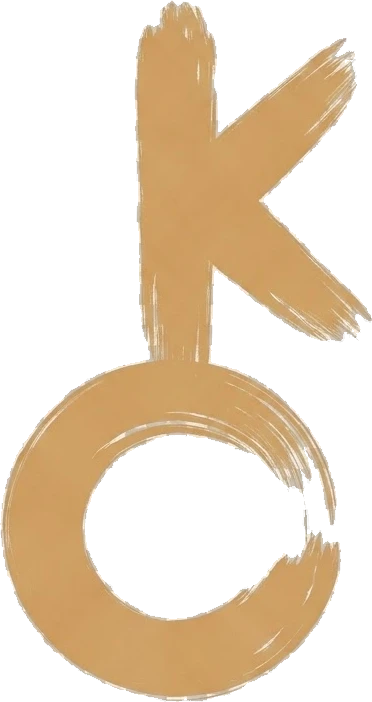 ) and its opposite point, the anti-Vertex, a unique pairing of two calculated sensitive points that sit in fixed opposition across the natal chart. Unlike planetary aspects that link two active psychological functions, this axis connects two fixed thresholds of intersection between the ecliptic and the prime vertical, marking the boundary between the self's directed life path and the unplanned, transformative encounters that reshape that path from the outside. For a person born with this axis prominent in their chart, fated meetings are not random coincidences but a core structural feature of their life experience, operating as a lifelong mechanism that introduces unexpected people, opportunities, and turning points that cannot be planned or anticipated. This axis is one of the personality's key knots because it ties the individual's sense of self and life direction directly to the broader web of human connection, making other people the primary vehicle for fate's work in their life.
The Nature of the Aspect
The Vertex-Vertex aspect is an exact 180-degree opposition by definition, as the anti-Vertex is the precise mirror point of the Vertex across the ecliptic, sitting exactly half a zodiac circle away. As a hard aspect, it operates via the classical mechanics of the opposition: it creates a persistent, lifelong tension between two poles of experience that cannot be resolved by prioritizing one side over the other, but only through conscious integration of both. The orb of this aspect is fixed, as the two points are always exactly opposed, but the strength of its expression is amplified when the axis aligns closely with the chart's cardinal angles (Ascendant, Descendant, Midheaven, Immum Coeli) or when natal planets form tight aspects (orb 7° for oppositions and squares, 5° for sextiles) to either end of the axis. Unlike planetary aspects that apply or separate over time, the Vertex axis is a static, fixed structure that does not change its angle; its influence is activated by external triggers such as transits, progressions, and interactions with other people, which "switch on" one or both poles of the axis at key life turning points. The tension of the opposition ensures that the person cannot avoid either side of the fated exchange: they cannot only receive transformative encounters without also acting as a catalyst for others, and vice versa, creating a lifelong dynamic of give-and-take that shapes their relationships, opportunities, and life direction.
Symbolism and Mythology
The archetype of the Vertex is rooted in the classical concept of the "point of the other", a liminal threshold where the self's planned path intersects with the unplanned influence of external people and events. Mythologically, this axis is tied to the universal symbol of the crossroads, a sacred liminal space where different paths meet, where ordinary rules of cause and effect do not apply, and where fate intervenes directly in human affairs. In Greek mythology, the crossroads are the domain of Hecate, goddess of transition, magic, and fate, who appears to travelers at crossroads to offer guidance, challenge, or transformation, embodying the dual nature of the Vertex axis as both a source of unexpected opportunity and a site of necessary change. The Roman equivalent, Trivia, goddess of three-way crossroads, represents the Vertex's role as a point of choice, where a single encounter can send a person down a completely new life path. In Slavic folklore, the Mora, a spirit of fate and dreams, is said to appear at crossroads to guide lost travelers toward their destiny, mirroring the Vertex's function as a guidepost for fated encounters. The anti-Vertex, as the opposite pole of the axis, embodies the role of the traveler who becomes the guide: the person who, through unplanned interactions, serves as a Hecate or Mora for others, offering unexpected guidance or transformation without conscious intent.
The Principles of the Points in the Chart
The Vertex in the Chart
The Vertex is a sensitive, non-physical point in the chart that functions as a fixed marker for fated, unplanned encounters that redirect a person's life path. Unlike planets, which represent active psychological functions, the Vertex is a passive threshold: it does not act on its own, but is activated by transits, progressions, and interactions with other people that trigger its energy. When activated, the Vertex brings unexpected meetings, sudden opportunities, or unplanned events that feel "fated" or outside the person's control, often leading to major life changes that would not have occurred through deliberate planning alone. As one pole of the opposition axis, the Vertex represents the receptive side of fate: the experiences, people, and opportunities that come to you from the outside, unbidden.
The Anti-Vertex in the Chart
The anti-Vertex is the exact opposite point of the Vertex, sitting 180 degrees across the chart. It functions as the complementary pole of the fated axis, representing the active side of fate: the times when you are the unplanned, transformative encounter in someone else's life. When the anti-Vertex is activated, the person may find themselves unexpectedly stepping into a role as a guide, catalyst, or turning point for a stranger, often without realizing the impact of the interaction at the time. Like the Vertex, the anti-Vertex is a passive threshold, activated by external circumstances, but it points to the person's role in the broader web of fated connections that make up the collective life path.
The Combined Influence
The opposition between the Vertex and anti-Vertex creates a single, integrated scenario of fated exchange: the person's life is structured around a constant, two-way flow of transformative encounters. They will repeatedly experience unexpected meetings that change their direction, while also serving as that unexpected, life-changing encounter for others, often without conscious intent. This axis does not operate as a series of random events, but as a coherent pattern that aligns with the person's deeper karmic or life purpose, with each fated encounter serving to unfold a specific part of their potential or resolve a karmic thread. The tension of the opposition ensures that the person cannot avoid either side of the exchange: they cannot only receive fated encounters without also becoming a source of fate for others, and vice versa.
Expression in Sign and House
The sign occupied by the Vertex and anti-Vertex colors the style and tone of the fated encounters a person experiences, following the classical elemental associations of the zodiac. If the Vertex falls in fire signs (Aries, Leo, Sagittarius), fated encounters will be dynamic, action-oriented, often involving travel, adventure, or passionate, high-energy connections that push the person to take risks they would not otherwise take. If the Vertex falls in earth signs (Taurus, Virgo, Capricorn), encounters will be practical, stable, and long-term, often involving work opportunities, material resources, or commitments that ground the person's life in tangible, lasting ways. If the Vertex falls in air signs (Gemini, Libra, Aquarius), encounters will be intellectual, social, and communication-focused, involving ideas, group connections, or opportunities that expand the person's social network and intellectual horizons. If the Vertex falls in water signs (Cancer, Scorpio, Pisces), encounters will be emotional, spiritual, and deeply intimate, involving healing, karmic release, or profound emotional bonding that transforms the person's inner world.
The house occupied by the Vertex is the specific arena of life where fated encounters will enter the person's life, while the house of the anti-Vertex is the arena where they will act as a fated catalyst for others. For example, a Vertex in the 7th house will bring fated romantic partnerships, business partnerships, or close one-on-one encounters that redirect the person's life path, while an anti-Vertex in the 1st house means the person will act as a fated catalyst for others' sense of identity and personal direction, often meeting strangers who see them as a role model or turning point. The dispositor lords of the signs of the Vertex and anti-Vertex add an additional layer of meaning: if the dispositor of the Vertex's sign is strong and well-placed in the chart, fated encounters will be positive, aligned with the person's goals, and easy to integrate; if the dispositor is weak or challenged, encounters may be more difficult or disruptive, but will still ultimately serve the person's growth.
Combined Influence across Positions
The combined sign and house placement of the axis creates a specific "genre" of fated encounters that define the person's life pattern. For example, a Vertex in Scorpio in the 8th house, paired with an anti-Vertex in Taurus in the 2nd house, will bring fated encounters involving deep psychological transformation, shared resources, inheritance, or intimate bonding that changes the person's material or emotional security, while the person will act as a fated catalyst for others' financial stability, self-worth, or connection to material comfort. The closer the axis aligns with the angular houses (1st, 4th, 7th, 10th), the more public and impactful the fated encounters will be, with events that affect not only the person's private life but also their public reputation and life direction.
Differences Between the Male and Female Chart
The Male Chart
- For men, the Vertex axis most often manifests through fated encounters with women, as the Vertex is traditionally associated with the feminine principle of receptivity and the "other". These encounters are often romantic or deeply emotional, and tend to arrive unexpectedly, disrupting the man's planned life path and introducing new emotional or relational dimensions he had not previously considered.
- The anti-Vertex in a male chart often points to times when the man acts as a fated catalyst for women's lives, often through acts of protection, support, or unexpected guidance that he may not recognize as significant at the time. These encounters often involve younger or less experienced women who see the man as a mentor or turning point.
- Societal conditioning often leads men with a prominent Vertex axis to initially resist or downplay the impact of fated encounters, viewing them as "unplanned distractions" from their career or personal goals, until a repeated pattern of transformative meetings forces them to acknowledge the axis's influence.
- In terms of life themes, men with this axis often experience major life turning points tied to relationships with women: a chance meeting with a future spouse, a female mentor who redirects their career, or a female friend who introduces them to a life-changing opportunity.
The Female Chart
- For women, the Vertex axis often manifests through fated encounters with men, as the anti-Vertex (the active pole) is traditionally associated with the masculine principle of action and outreach. These encounters are often unexpected romantic connections, professional opportunities introduced by male colleagues, or male mentors who open new doors in the woman's life.
- The Vertex (receptive pole) in a female chart often brings fated encounters with other women who act as mirrors, healers, or catalysts for the woman's personal growth, often arriving at times of emotional crisis or transition to offer unexpected support or guidance.
- Women with a prominent Vertex axis are often more intuitively aware of the axis's influence from an early age, as societal conditioning encourages women to pay attention to relational patterns and intuitive "hits" about people, making them more likely to recognize the significance of fated encounters as they occur.
- In terms of life themes, women with this axis often experience major life turning points tied to both romantic relationships with men and deep, transformative friendships with women, with both types of encounters serving to expand their sense of self and life direction.
Psychological Portrait
A person with a prominent Vertex axis has a psychological makeup that is deeply oriented toward relational experience, with a core belief that life's most meaningful moments come through unplanned interactions with others, rather than deliberate solo effort. Their motivation is often driven by a subconscious desire to encounter the "right" people at the "right" time, leading them to be naturally curious about others, open to new social experiences, and willing to take risks on unexpected connections, even if they seem illogical on the surface. Their core fear is being disconnected from their fated path, which manifests as a fear of missing out on important encounters, of being stuck in a life that feels predetermined or lacking in unexpected possibility, or of being the cause of harm to others through an unthinking fated interaction. Their self-esteem is often tied to the quality of their relationships and the impact they have on others: they feel most confident and alive when they are either receiving transformative support from others or acting as a catalyst for someone else's growth. Their style of thinking is associative and pattern-oriented, with a natural ability to see connections between disparate people and events, and a tendency to interpret random coincidences as meaningful signs of fate at work. In terms of attachment style, they often have a secure but open attachment pattern, comfortable with intimacy and vulnerability, but also able to let go of relationships that no longer serve their growth, trusting that new fated encounters will arrive when needed.
Spheres of Life
Career
For people with a prominent Vertex axis, career paths are rarely linear or planned in advance. Fated encounters play a central role in their professional life: a chance meeting at a conference leads to a dream job, a random conversation with a stranger leads to a business partnership, or an unexpected layoff leads to a completely new career direction they had never previously considered. They thrive in careers that involve working with people, especially roles that involve connecting others: networking, human resources, event planning, therapy, teaching, or sales. They may experience frequent, unexpected career changes, each triggered by a fated encounter that opens a new door, and they often feel unfulfilled in rigid, structured careers that leave little room for unplanned interactions. Their greatest career strength is their ability to leverage unexpected connections to create opportunities that others miss, but their challenge is avoiding the temptation to chase every random encounter at the expense of long-term career goals.
Relationships
Relationships are the core arena of the Vertex axis's expression, and people with this axis often have a pattern of meeting romantic partners, close friends, and mentors through completely unplanned, serendipitous circumstances. They may meet their spouse at a random party they almost did not attend, find their best friend after a chance conversation in a coffee shop, or meet a mentor who changes their life after a random act of kindness. Fated encounters in relationships are often intense and transformative, feeling like they were "meant to be" from the first meeting, and they often bring major life changes: moving to a new city, changing careers, or adopting a new worldview. Their challenge in relationships is avoiding the tendency to idealize fated encounters as "perfect" and ignoring red flags, or staying in relationships that have run their course because they believe the encounter was "fated" to last forever.
Finances
Financial fortunes for people with this axis are often tied to fated encounters and unplanned opportunities. They may receive unexpected financial windfalls from a stranger, get a job offer out of the blue, or lose their savings due to a chance encounter with a bad investment opportunity. They are often good at making money through people-oriented ventures: networking, consulting, or sales, where their ability to form unexpected connections leads to financial gain. Their challenge is avoiding impulsive financial decisions based on the feeling that an opportunity is "fated" to work out, without doing proper due diligence. Psychosomatic tendencies related to finances may include stomach tightness or tension headaches during periods of financial uncertainty, tied to the stress of feeling that their financial path is out of their control.
Health
The Vertex axis has no direct correlation to specific physical illnesses, but its psychosomatic tendencies are tied to the stress of unplanned change and the pressure of being a catalyst for others' lives. People with this axis may experience fatigue or immune system dips during periods of frequent fated encounters, as their energy is drained by the constant influx of new people and experiences. They may also experience anxiety or restlessness during periods of relative stability, as their subconscious craves the stimulation of new fated encounters, leading to difficulty relaxing or feeling "stuck" in a routine. Chronic stress from feeling responsible for the impact of their actions on others (as the active pole of the axis) may lead to tension in the shoulders and neck, or digestive issues related to "processing" the experiences and emotions of the people they encounter.
Challenges and Gifts
Shadow Sides
- Victimhood and passivity: People with a weak or unintegrated Vertex axis may fall into the trap of believing that all life events are fated, leading them to avoid taking responsibility for their choices, blaming "fate" for their mistakes, and waiting passively for life to happen to them rather than taking deliberate action toward their goals.
- Codependency and boundary issues: The axis's focus on relational fate can lead to codependent patterns, where the person prioritizes fated encounters over their own needs, loses their sense of self in relationships, or fails to set boundaries with people they feel "meant" to meet, even if those relationships are harmful.
- Chasing serendipity at the expense of stability: The desire for fated encounters can lead to a pattern of constantly seeking new, exciting connections, abandoning stable jobs, relationships, or living situations in pursuit of the next "fated" opportunity, leading to a lack of long-term security or fulfillment.
- Guilt over unintended harm: As the active pole of the axis, the person may carry excessive guilt over unintended negative impacts they have on others, even if those impacts were part of a larger fated pattern for the other person, leading to self-blame and difficulty letting go of past interactions.
- Idealization of fate: They may idealize fated encounters as inherently "good" or "perfect", ignoring red flags or harmful patterns in relationships or opportunities because they believe the encounter is "meant to be", leading to repeated pain and disappointment.
Bright Sides
- Exceptional networking and connection skills: Their natural openness to unexpected encounters makes them excellent at building diverse, meaningful networks, often connecting people who would never have met otherwise, creating opportunities for themselves and others through serendipitous connections.
- Resilience to change: Because they are accustomed to unplanned life changes from fated encounters, they are often highly adaptable and resilient, able to roll with unexpected setbacks or changes in direction without becoming overwhelmed, trusting that the change is part of their fated path.
- Catalytic impact on others: They have a natural, often unconscious ability to act as a turning point for others, helping strangers see new possibilities, make life changes, or heal from past trauma through simple, unplanned interactions, leaving a positive impact on a wide circle of people throughout their life.
- Rich, varied life experience: Their life is often filled with a wide range of unique experiences, people, and opportunities that most people never encounter, leading to a deep, nuanced understanding of human nature and a rich, fulfilling life story.
- Intuitive insight into fate and pattern: They often have a strong intuitive sense of when an encounter is fated, allowing them to recognize and leverage high-impact opportunities that others miss, and to avoid harmful encounters that are not aligned with their path.
Practical Recommendations
| Sphere | Advice | Astrological Tool |
|---|---|---|
| Career | Avoid making impulsive career changes based solely on the feeling that an opportunity is "fated"; always research and evaluate opportunities against your long-term goals before acting. | Track transits of Jupiter and Saturn to your Vertex and anti-Vertex: Jupiter transits bring positive fated career opportunities, while Saturn transits bring necessary, if challenging, career turning points that align with your long-term growth. |
| Relationships | Set clear boundaries with fated encounters, even if they feel "meant to be"; a fated connection does not obligate you to stay in a relationship that is harmful or unfulfilling. | Track transits of Venus and Mars to your Vertex axis: Venus transits bring fated romantic encounters, while Mars transits bring fated passionate or conflictual encounters that help you clarify your relationship needs. |
| Finances | Avoid making large financial decisions based on a "gut feeling" that an opportunity is fated; always consult a financial advisor and do due diligence before investing in unplanned opportunities. | Track transits of Jupiter and Uranus to your Vertex axis: Jupiter transits bring unexpected financial windfalls, while Uranus transits bring sudden, unexpected financial changes that require quick adaptation. |
| Personal Growth | Keep a journal of fated encounters, noting the patterns of when they occur, what they bring, and how they align with your life path, to help you distinguish between true fated opportunities and random coincidences. | Calculate your Vertex and anti-Vertex house and sign placements, and study the dispositor lords of those signs to understand the underlying themes of your fated encounters. |
| Health | Prioritize rest and self-care during periods of frequent fated encounters, as your energy can be drained by constant social interaction and unplanned change. | Track transits of the Moon and Neptune to your Vertex axis: Moon transits bring emotional fated encounters that require processing, while Neptune transits bring spiritual or karmic encounters that may feel confusing but are ultimately transformative. |
| Social Life | Cultivate a diverse social network, as your fated encounters can come from any area of life, and being open to meeting new people increases the likelihood of positive fated interactions. | Use electional astrology to plan social events, travel, or networking events during Jupiter transits to your Vertex axis to maximize the likelihood of positive fated encounters. |
| Spiritual Practice | Meditate on the theme of surrender and trust in fate, recognizing that not all encounters need to be understood or controlled to be meaningful, and that even challenging fated encounters serve a larger purpose in your growth. | Study the aspects natal planets make to your Vertex axis: planets in harmonious aspect (trine, sextile) to the axis bring easier, more positive fated encounters, while planets in hard aspect (square, opposition) bring more challenging but ultimately transformative encounters. |
Conclusion
The Vertex axis is not a marker of predestined fortune or misfortune, but a permanent structural channel for fated, transformative encounters that unfold a person's karmic potential and life purpose. The shadow expression of this aspect manifests as passivity, codependency, and a lack of boundaries, where the person blames fate for their choices, chases random encounters at the expense of stability, or idealizes harmful connections as "meant to be". The highest expression of the aspect, however, is a conscious partnership with fate: the person recognizes the pattern of fated encounters in their life, sets clear boundaries to avoid being overwhelmed by unplanned change, and actively leverages their natural ability to connect with others to create positive change for themselves and the people they meet. They learn to balance the receptive pole of the Vertex (allowing fated encounters to come to them) with the active pole of the anti-Vertex (consciously acting as a catalyst for good in the lives of others), becoming a conscious weaver of the tapestry of fate rather than a passive thread pulled by unseen forces. Over time, they come to see every encounter, planned or unplanned, as part of a larger, coherent life pattern, and find deep fulfillment in the knowledge that their life is not just a solo journey, but a shared, co-created path woven together with the lives of countless others.
This article was prepared by the [Astrobot](https://astrobot.chat) editorial team — your personal astrological assistant. The material is based on classical and modern astrological sources.

 Pisces. It creates a lifelong inner tension between the desire for unapologetic personal autonomy and the quest for universal spiritual or philosophical meaning, often manifesting as a pull to explore marginalized, forbidden, or suppressed systems of belief. The individual has an innate gift for perceiving hidden truths behind established dogma, but risks falling into escapism, self-deception, or self-sabotage if they cannot ground their mystical insights in practical reality. The core path of integration is to embrace the exiled parts of the self as a source of liberating wisdom, rather than a source of shame, and to use their unique perspective to challenge oppressive systems with compassion and courage.