 Planet Overview
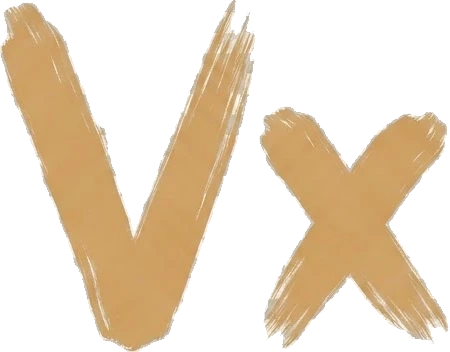 Vertex
 Cancer
Introduction
The Vertex is one of the most understudied but powerful sensitive points in the natal chart: a fixed mathematical point formed by the intersection of the ecliptic (the Sun’s path) and the prime vertical (the great circle running north-south through the east and west horizon points). Unlike planetary aspects, which describe interactions between conscious will functions, the Vertex’s sign placement describes a lifelong, unchanging channel of karmic experience, a permanent knot in the personality that ties their life path to specific archetypal themes. When the Vertex falls in Cancer, the sign of the Moon, the Great Mother, and the hearth, this karmic channel is filtered entirely through themes of home, family, emotional memory, and ancestral connection, making this placement one of the most emotionally charged and domestically focused configurations in the chart. It is a key knot because it means the person’s entire sense of life direction is not shaped by their conscious choices alone, but by a deep, inexorable pull toward experiences that will help them heal emotional wounds, build security, and connect to their roots.
 Moon, the Great Mother, and the hearth, this karmic channel is filtered entirely through themes of home, family, emotional memory, and ancestral connection, making this placement one of the most emotionally charged and domestically focused configurations in the chart. It is a key knot because it means the person’s entire sense of life direction is not shaped by their conscious choices alone, but by a deep, inexorable pull toward experiences that will help them heal emotional wounds, build security, and connect to their roots.
The Nature of the Aspect
This configuration is not a traditional planetary aspect, but a fixed sign placement of a karmic point with no orb of influence: its energy operates at full, consistent strength throughout the person’s life, with no variation in intensity. The Vertex’s core function is to act as a doorway for fated, unplanned events: chance encounters with people who redirect your life, sudden shifts in your circumstances that you did not plan, and moments that feel like "destiny" rather than choice. Cancer is a cardinal water sign, ruled by the Moon, with a core function of connecting us to our emotional roots, our family line, our need for safety, and our capacity to nurture and be nurtured. The interaction between these two functions is a permanent, unbreakable channel: every fated turn that enters your life through the Vertex will be colored by Cancer’s themes, with no exceptions. Unlike planetary aspects, which can be integrating or challenging depending on the planets involved, the Vertex in Cancer is a neutral channel—its expression as positive or challenging depends entirely on the person’s willingness to lean into its energy, and the condition of Cancer’s ruler, the Moon, in the natal chart. There is no separating aspect here: the Vertex’s influence is always applying, an ongoing inner pull toward experiences that align with its themes, which you cannot avoid or ignore without experiencing emotional stagnation.
Symbolism and Mythology
The Vertex’s archetype is rooted in the Greek concept of moira, or fate: the three Moirai (Fates) who spin, measure, and cut the thread of human life, marking the points where the thread turns in directions you did not choose. The Vertex is tied to these turning points, as well as to the idea of the "fated other"—the people you meet by chance who change your life in ways you could never have planned. Cancer’s archetype is symbolized by the crab, a creature that carries its home on its back, retreating into its shell when threatened, and moving in tandem with the tides of the ocean. It is ruled by the Moon, the celestial body tied to emotion, memory, cycles, and the Great Mother archetype. In mythology, Cancer is linked to the crab that attacked Heracles during his battle with the Hydra, placed in the stars by Hera as a reward for its service, but also tied to the myth of Demeter and Persephone, where the cycles of growth and loss are tied to the maternal bond and the seasons of home and separation. The mythological image of the Vertex meeting Cancer is the Moirai turning the thread of life not toward public glory or adventure, but toward the hearth fire: a chance meeting at a family reunion, a sudden move back to a childhood home, an unexpected caregiving responsibility that forces you to confront your emotional roots. In cultural context, nearly every culture marks life’s major turning points (birth, marriage, death, coming of age) with rituals tied to the home and family, reflecting the universal understanding that these are the moments that shape our sense of belonging and identity—exactly the energy of the Vertex in Cancer.
The Principles of the Planets in the Chart
The Vertex in the Chart
The Vertex is a fixed, non-planetary sensitive point in the natal chart, formed by the intersection of the ecliptic and the prime vertical. Unlike planets, which represent conscious functions of the personality, the Vertex represents the entry point of unplanned, karmic events into your life: chance encounters, sudden life shifts, and moments of fate that feel outside of your control. It is most often associated with meetings with people who redirect your life path, but it can also manifest as unplanned changes to your domestic circumstances, sudden family revelations, or unexpected opportunities that align with your karmic lessons. The Vertex operates outside of conscious will: you cannot plan for the events it triggers, and trying to resist its pull will only lead to emotional stagnation and repeated cycles of the same karmic lessons.
Cancer in the Chart
Cancer is a cardinal water sign, the domicile (own sign) of the Moon, ruled by the lunar archetype of the Great Mother, emotional memory, and the hearth. Its core function is to connect us to our roots: our family line, our childhood home, our emotional needs, and our capacity to nurture and be nurtured. Planets or points in Cancer are filtered through the lens of emotional security, belonging, and the past: their energy is tied to what feels safe, familiar, and emotionally resonant, rather than what is logical or outwardly ambitious. As the Moon’s own sign, Cancer amplifies the lunar energy of cycles, intuition, and emotional sensitivity, making any point placed here deeply tied to the inner emotional world and the need for a secure, nurturing base.
The Combined Influence
When the Vertex falls in Cancer, the karmic turning points of your life will always be tied to Cancer’s core themes: home, family, emotional security, ancestry, and caregiving. You will not experience random fated encounters with strangers in public spaces—every person who enters your life by chance and redirects your path will be tied to your domestic or familial sphere: a family member of a friend, a neighbor you meet while moving into a new apartment, a caregiver you meet while helping an aging parent. Unplanned life shifts will almost always involve home: a sudden move, an unexpected inheritance of property, a family crisis that forces you to return to your childhood home, or a chance to buy a house that feels like it was "waiting for you." The karmic lesson of this placement is to learn to recognize these fated turns as opportunities to heal old emotional wounds, build a secure domestic foundation, and connect to your ancestral roots, rather than resisting them as disruptions to your plans.
Expression in Sign and House
Cancer is a cardinal water sign, so its energy is both emotional (water) and initiatory (cardinal). This means the fated turns triggered by the Vertex in Cancer are not passive, emotional experiences—they are active, life-starting events that push you to initiate new chapters in your domestic or emotional life. For example, you may not just have a random encounter with a family member: you may have a chance meeting that leads you to start a new family tradition, or to move to a new city to be closer to your kin, or to start a home-based business that supports your family. The water element means these turns are deeply intuitive: you will often feel a "pull" toward these events before they happen, a sense that they are "meant to be," even if they don’t make logical sense. The house the Vertex falls in shows the arena where these fated turns will play out, but all will be filtered through Cancer’s domestic energy:
- If the Vertex in Cancer falls in the 4th house (the house of home, family, and ancestry), the fated turns will be directly tied to your physical home: sudden moves, property purchases, family inheritances, or ancestral revelations that change your understanding of your roots.
- If it falls in the 7th house (the house of partnerships and close relationships), the fated turns will be tied to romantic partnerships or close friendships that involve merging domestic lives: moving in with a partner, marrying into a family, or meeting a friend who becomes like family.
- If it falls in the 10th house (the house of career and public life), the fated turns will be tied to your public life but filtered through domestic themes: a fated job offer in your hometown, a career in caregiving or real estate, or public recognition for work that honors your family or cultural heritage.
Combined Influence across positions
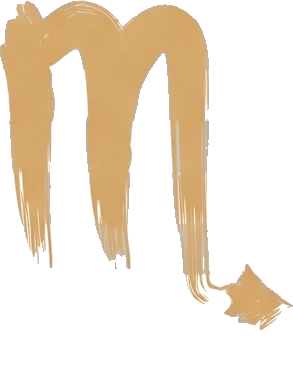
The strength of the placement depends on two key factors: the condition of Cancer’s ruler, the Moon, in the natal chart, and the angularity of the Vertex. If the Moon is in its own sign ( Cancer) or exalted ( Taurus), in an angular house (1st, 4th, 7th, 10th), and has harmonious aspects to other planets, the fated turns will be overwhelmingly positive, leading to greater security, belonging, and emotional wholeness. If the Moon is in its fall ( Scorpio) or detriment ( Capricorn), in a cadent house (3rd, 6th, 9th, 12th), or has hard aspects to Saturn, Pluto, or Mars, the fated turns may initially feel like losses or disruptions: a sudden eviction, a family conflict, or the loss of a loved one, but they still carry karmic lessons that lead to long-term growth. If the Vertex falls in an angular house, the fated turns will be public, impactful, and impossible to ignore; if it falls in a cadent house, they will be more private, internal, and tied to emotional processing and inner healing rather than external life events. Additionally, if the Vertex is within 3 degrees of the Sun (causal combustion), the fated turns will be tied to your sense of identity and conscious will: you may feel a strong pull to build a public life that honors your domestic roots, or to use your personal story of home and family to help others.
 Taurus), in an angular house (1st, 4th, 7th, 10th), and has harmonious aspects to other planets, the fated turns will be overwhelmingly positive, leading to greater security, belonging, and emotional wholeness. If the
 Scorpio) or detriment (
 Capricorn), in a cadent house (3rd, 6th, 9th, 12th), or has hard aspects to
 Saturn,
 Pluto, or
 Mars, the fated turns may initially feel like losses or disruptions: a sudden eviction, a family conflict, or the loss of a loved one, but they still carry karmic lessons that lead to long-term growth. If the Vertex falls in an angular house, the fated turns will be public, impactful, and impossible to ignore; if it falls in a cadent house, they will be more private, internal, and tied to emotional processing and inner healing rather than external life events. Additionally, if the Vertex is within 3 degrees of the
 Sun (causal combustion), the fated turns will be tied to your sense of identity and conscious will: you may feel a strong pull to build a public life that honors your domestic roots, or to use your personal story of home and family to help others.
Differences Between the Male and Female Chart
The Male Chart
1. Fated life turns for men with this placement are often tied to their role as a provider or caregiver for their family. They may experience unplanned shifts in their career to accommodate a family need (e.g., leaving a high-powered job to care for a sick parent, or taking over a family business unexpectedly), or meet a romantic partner who redirects their life path toward building a stable domestic life. Many report feeling an inexplicable pull to start a family or care for aging relatives, even if it disrupts their original five-year plans.
2. Their fated encounters almost always involve women who embody the Cancer archetype: mothers, sisters, female caregivers, or romantic partners who prioritize home and family over outward achievement. These encounters often challenge their tendency to prioritize work and public status, pushing them to confront their own emotional needs and desire for belonging.
3. Men with this placement often struggle with expressing emotional vulnerability, as societal conditioning teaches them to prioritize strength and independence over emotional connection. The fated turns forced by the Vertex often push them to break this pattern, teaching them that asking for help or prioritizing home life is not a sign of weakness, but a path to greater fulfillment.
4. If the Moon is well-placed in the chart, these men often build successful, stable careers in fields related to home, real estate, food, or caregiving, with fated opportunities arriving through family connections or chance encounters at domestic events.
The Female Chart
1. Fated life turns for women with this placement are often tied to their own emotional healing, ancestral trauma, or their role as a mother or caregiver. They may experience unplanned pregnancies, sudden moves to care for a family member, or encounters that force them to confront childhood wounds related to home, abandonment, or family conflict. Many report that their life path shifts dramatically after having a child, or after caring for an aging parent, even if they did not plan for these responsibilities.
2. Their fated encounters often involve people who help them heal old emotional patterns: therapists, distant relatives who share family history, or partners who provide the consistent, nurturing environment they crave as children. These encounters often help them break negative generational patterns, such as codependency or emotional unavailability, that have run in their family for generations.
3. Women with this placement often have a strong intuitive pull toward domestic life, and the fated turns triggered by the Vertex often reward them for leaning into this: for example, a chance to buy their childhood home, a fated opportunity to start a home-based business that aligns with their nurturing energy, or a sudden windfall from a family inheritance that allows them to create the secure home they always wanted.
4. If the Moon is poorly placed in the chart, these women may experience repeated disruptions to their domestic life (frequent moves, family conflict, loss of a home) that force them to learn to build internal security rather than relying on external circumstances. These challenges ultimately teach them that their sense of belonging comes from within, not from a physical place or a specific family dynamic.
Psychological Portrait
Character
People with Vertex in Cancer are deeply intuitive, emotionally sensitive, and have an innate pull toward creating safe, nurturing spaces for themselves and others. They are natural caregivers, often putting the needs of their family and loved ones before their own, but they may hide their vulnerability behind a tough, self-sufficient exterior to avoid being hurt. They have a strong connection to the past: they love old photographs, family stories, and traditions, and they often feel a deep sense of nostalgia for their childhood home or the home of their ancestors. They are fiercely loyal to their loved ones, and they will go to great lengths to protect and support the people they care about.
Motivation
Their core motivation is to build a sense of safety and belonging, both for themselves and for the people they love. They are driven by a deep need to heal old emotional wounds, both their own and those of their family line, and to create a stable, nurturing environment where they and their loved ones can thrive. They are not motivated by public fame or outward achievement, unless those achievements serve to support their domestic life or help their family.
Fears
Their deepest, most primal fear is abandonment: being cut off from their family, losing their home, or being left without a safe place to belong. They also fear vulnerability, as they associate opening up emotionally with being hurt or rejected. Many people with this placement have a fear of "being too much" for others, of overwhelming people with their emotional needs, so they may hide their feelings to avoid pushing loved ones away.
Self-Esteem
Their self-esteem is inextricably tied to their ability to create a safe, nurturing environment for others, and to their connection to their family and roots. When they feel like they are providing for their loved ones, or that they have a secure home to return to, their self-esteem is high. When they feel disconnected from their family, or like they have no safe place to belong, their self-esteem plummets, and they may become withdrawn or depressed.
Style of Thinking
They think in terms of feelings, memories, and emotional resonance, rather than logic or rational analysis. They make decisions based on how a situation feels to them, rather than on pros and cons or external advice. They have a strong intuitive sense of what is "right" for them, even if it doesn’t make logical sense to others, and they often trust their gut instinct over outside opinions. They are deeply retrospective, often thinking about past experiences and how they shape their present, and they have a strong memory for emotional events, even if they forget small, practical details.
Attachment Style
Their attachment style is shaped by their early childhood experiences with caregivers, but all people with this placement crave deep, consistent emotional connection and a sense of belonging. Those with secure early attachments are warm, nurturing, and open to emotional intimacy, while those with anxious or avoidant early attachments may struggle with clinginess or fear of intimacy, pushing loved ones away to avoid being abandoned. They are fiercely loyal to the people they let into their inner circle, and they expect the same loyalty in return.
Spheres of Life
Career
People with Vertex in Cancer will find that their career path is shaped by fated, unplanned turns tied to domestic, caregiving, or ancestral themes. They may suddenly get a job offer in their hometown, or take over a family business unexpectedly, or switch careers to work in a field related to home, family, or nurturing. They thrive in careers that allow them to care for others or connect to their roots: common paths include real estate, childcare, elder care, food service, genealogy, interior design, or social work focused on family support. They struggle in high-pressure, competitive corporate environments that prioritize profit over people, as these roles conflict with their core need for emotional safety and belonging. Fated career opportunities often arrive through family connections, or through chance encounters at domestic events (a family barbecue, a community potluck, a home renovation project).
Relationships
Their romantic life is almost entirely shaped by fated encounters that happen in domestic settings. They often meet their long-term partners through family introductions, while moving into a new home, while caregiving for a loved one, or at a community event focused on home or family. Their relationships often involve merging domestic lives early on: they may move in with a partner within months of meeting, or meet their partner’s family very early in the relationship, as these domestic connections feel fated and natural to them. They are drawn to partners who prioritize home and family, and who are willing to build a stable, nurturing life together. They may have a pattern of attracting partners who need caregiving, or who have unresolved family wounds, as these encounters help them work through their own karmic lessons around family and belonging. Fated relationship turns often involve moving in together, getting married, or starting a family, even if these steps feel sudden or unplanned.
Finances
Their financial life is tied to fated turns related to home and family. They may receive an unexpected inheritance of property, get a low-interest loan from a family member to buy a home, or have a sudden financial windfall from a family-related business venture. They may also experience sudden financial losses related to home repairs, family emergencies, or caregiving costs, but these losses almost always lead to long-term financial stability if they lean into the lesson. They are most financially secure when they invest in property or home-based assets, rather than high-risk speculative investments, as these assets align with their core need for security. Fated financial opportunities often arrive through family connections, or through chance encounters with people who work in real estate or domestic services.
Health
Their physical health is deeply tied to their emotional and domestic well-being. When they feel safe, secure, and connected to their home and family, they are robust and resilient. When they feel disconnected from their roots, forced to live in an unfamiliar place, or overwhelmed by caregiving responsibilities, they are prone to stress-related illnesses. Common psychosomatic tendencies include digestive problems (the stomach and digestive tract are ruled by Cancer), anxiety, insomnia, and immune system deficiencies when they are under chronic emotional stress. They may also experience physical symptoms when they are forced to neglect their own needs to care for others, such as fatigue, headaches, or joint pain. They heal best when they are in a familiar, safe home environment, surrounded by loved ones, and when they take time to rest and process their emotions rather than pushing through stress.
Challenges and Gifts
Shadow Sides
1. Resistance to fated domestic change: People with this placement often cling to familiar home environments, even if those environments are unhealthy or toxic, because they fear the unknown and the loss of security that comes with change. They may stay in an unhappy family situation, a rundown childhood home, or a codependent relationship longer than is healthy for them, resisting the fated turns that would lead them to a more secure, fulfilling life.
2. Over-attachment to the past: They may become stuck in nostalgia for a "perfect" past, idealizing their childhood home or family dynamics even if those dynamics were abusive or dysfunctional. This prevents them from moving forward and creating new, healthy domestic lives, as they are constantly comparing their present to an idealized version of the past that never existed.
3. Over-nurturing and boundary violations: Their natural caregiver energy can lead them to take on too much responsibility for other people’s emotions and needs, neglecting their own boundaries and well-being in the process. They may enable codependent family members, take on caregiving responsibilities that are not theirs to carry, or feel guilty for prioritizing their own needs, leading to burnout and resentment.
4. Emotional manipulation: When they feel their security or belonging is threatened, they may resort to emotional manipulation to keep loved ones close: guilt-tripping family members for spending time away, playing the victim to get attention, or withholding affection to punish people they feel have abandoned them. This behavior pushes loved ones away, creating the very abandonment they fear.
5. Fear of independence: They may be afraid to leave their family or home environment, even if it is holding them back, because they equate independence with abandonment and loneliness. They may turn down career opportunities, avoid moving to a new city, or stay in unhealthy relationships because they are afraid of being on their own, even if staying is causing them more pain in the long run.
Bright Sides
1. Natural talent for creating safe spaces: They have an innate ability to turn any space into a warm, welcoming, nurturing home, no matter how temporary or small the space is. They are the people others turn to when they need comfort, a hot meal, or a safe place to stay, and they have a gift for making even strangers feel like they belong.
2. Ancestral healing: They are often the "black sheep" or the "healer" in their family, the ones who break negative generational patterns of trauma, addiction, or emotional unavailability that have run in their family for generations. The fated turns they experience often give them the opportunity to confront and heal these patterns, creating a better future for their descendants.
3. Reliable intuitive guidance: They have a strong, reliable inner compass that tells them when a person, place, or opportunity is aligned with their highest good, even if it doesn’t make logical sense. They often have dreams or premonitions about fated turns before they happen, and they can trust these intuitive hits to guide them toward greater belonging and security.
4. Unconditional loyalty and devotion: They are fiercely loyal to the people they love, and they will go to great lengths to support and protect their family and chosen family. They are the people who show up at 2 a.m. with soup when you’re sick, who help you move across the country, who remember every small detail about your life and make you feel seen and valued.
5. Ability to help others find belonging: They often act as unintentional guides for people who feel lost or disconnected from their roots, helping them reconnect with their families, find a sense of home, or heal old emotional wounds. They have a natural talent for creating community and bringing people together around shared meals, traditions, and domestic activities.
6. Resilience in the face of loss: Even when they experience the loss of a home, a family member, or a long-held domestic dream, they have an innate ability to rebuild and create new, secure lives for themselves. They draw strength from their emotional roots and their connection to the past, allowing them to recover from loss faster than almost any other placement.
Practical Recommendations
| Sphere | Advice | Astrological Tool |
|---|---|---|
| Emotional Wellbeing | Keep a journal of emotional triggers tied to home and family to identify ancestral patterns you are here to heal, and practice naming your emotions instead of suppressing them to avoid feeling vulnerable. | Meditate on the placement of your natal Moon (ruler of Cancer and the Vertex) to understand your core emotional needs and how to meet them without relying on external validation or circumstances. |
| Career | Prioritize roles that involve nurturing, domestic support, or connection to your roots (real estate, childcare, elder care, food service, genealogy, interior design) over high-pressure corporate roles that conflict with your need for emotional safety. | Track lunar transits to your Vertex and natal Moon to identify fated career opportunities that align with your domestic values, and be open to chance encounters at family or community events that could lead to new work. |
| Relationships | Be open to meeting partners through family introductions, home-related events, or caregiving contexts, rather than dismissing these encounters as "not romantic" or "too familiar." | Work with the Moon’s aspects to your natal Venus and Mars to understand your needs for emotional security in partnerships, and set clear boundaries with partners who do not respect your need for a stable, nurturing home life. |
| Finances | Prioritize saving for a home or property as a long-term security asset, and avoid high-risk speculative investments that could destabilize your domestic life; be open to financial support or opportunities that come through family connections. | Track transits of Jupiter (the planet of expansion and opportunity) to your Vertex and 4th house cusp to identify fated financial opportunities related to home, inheritance, or family business. |
| Family Dynamics | Set clear, compassionate boundaries with family members who drain your emotional energy, and recognize that fated family conflicts are opportunities to heal generational trauma rather than unavoidable punishments. | Work with the South Node (karmic past) in your chart to identify ancestral patterns you are here to release, and the North Node (karmic future) to identify the healthy domestic patterns you are building for future generations. |
| Personal Growth | Lean into unplanned domestic changes (sudden moves, family reunions, unexpected caregiving responsibilities) rather than resisting them, as these are the fated turns that will lead you to greater belonging and emotional wholeness. | Practice grounding rituals (lighting a candle, cooking a family recipe, tending to a houseplant, visiting a childhood home) when you feel unmoored, to connect to Cancer’s energy of home and security. |
| Health | Prioritize regular self-care and rest, especially when you are caring for others, as neglecting your own emotional needs will lead to stress-related digestive issues, anxiety, and immune system weakness. | Track transits of Saturn (the planet of structure and boundaries) to your natal Moon and Vertex to identify periods where you need to build stronger boundaries around your time and energy to protect your physical and emotional health. |
 Venus and
 Jupiter (the planet of expansion and opportunity) to your Vertex and 4th house cusp to identify fated financial opportunities related to home, inheritance, or family business.
Conclusion
The path of integrating the Vertex in Cancer is a journey of learning to trust the fated turns that draw you toward home, family, and emotional belonging, rather than resisting them in favor of logic or outward ambition. The shadow expression of this placement manifests when you cling to unhealthy family patterns, resist unplanned domestic changes, or neglect your own needs to care for others, leading to emotional stagnation, resentment, and repeated cycles of loss and displacement. The highest expression emerges when you embrace these karmic turns as opportunities to heal ancestral wounds, build a secure, nurturing home for yourself and your loved ones, and act as an emotional anchor for others who are seeking belonging. Over time, you will come to see that your life’s direction is not something you have to force or plan, but something that unfolds naturally when you honor your roots, trust your intuition, and prioritize the emotional security that is your birthright. You will become a guide for others, helping them find their way back to their own hearths and their own sense of belonging, fulfilling the deep karmic purpose of this placement.
This article was prepared by the [Astrobot](https://astrobot.chat) editorial team — your personal astrological assistant. The material is based on classical and modern astrological sources.

 Pisces. It creates a lifelong inner tension between the desire for unapologetic personal autonomy and the quest for universal spiritual or philosophical meaning, often manifesting as a pull to explore marginalized, forbidden, or suppressed systems of belief. The individual has an innate gift for perceiving hidden truths behind established dogma, but risks falling into escapism, self-deception, or self-sabotage if they cannot ground their mystical insights in practical reality. The core path of integration is to embrace the exiled parts of the self as a source of liberating wisdom, rather than a source of shame, and to use their unique perspective to challenge oppressive systems with compassion and courage.