 Planet Overview
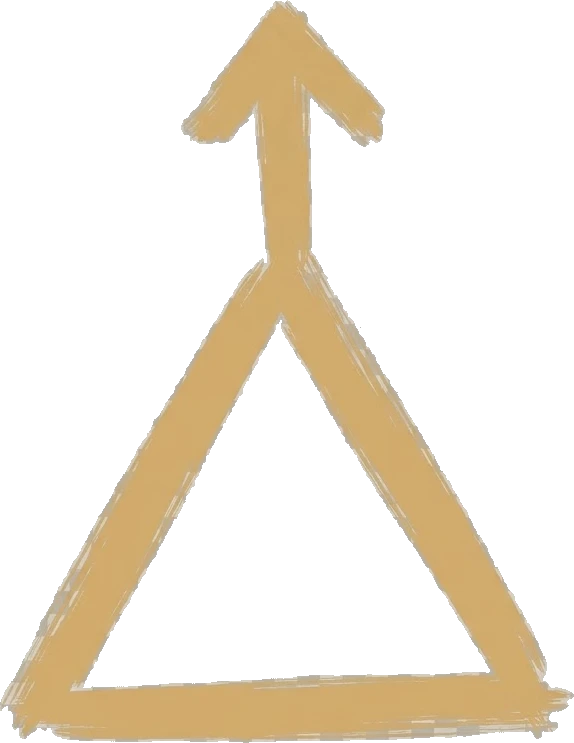 Vulcan
 Cancer
Introduction
This placement represents a conjunction of Vulcan, the inner planet of hidden mastery, karmic skill, and the transformative power of the forge, with the sign of Cancer, ruled by the Moon, the archetype of home, emotional memory, nurture, and ancestral lineage. It is one of the personality’s core structural knots because it ties the most fundamental human need for safety and belonging to the individual’s innate capacity for deliberate, skilled creation. Unlike fleeting talents, this drive is a lifelong survival mechanism, shaping every choice the individual makes about how they care for themselves and others, and how they process emotional experience across their entire lifespan. It is not a temporary phase or a response to external events, but an innate wiring that defines how the person relates to their inner world and the people they love.
 of
 Vulcan, the inner planet of hidden mastery, karmic skill, and the transformative power of the forge, with the sign of
 Moon, the archetype of home, emotional memory, nurture, and ancestral lineage. It is one of the personality’s core structural knots because it ties the most fundamental human need for safety and belonging to the individual’s innate capacity for deliberate, skilled creation. Unlike fleeting talents, this drive is a lifelong survival mechanism, shaping every choice the individual makes about how they care for themselves and others, and how they process emotional experience across their entire lifespan. It is not a temporary phase or a response to external events, but an innate wiring that defines how the person relates to their inner world and the people they love.
The Nature of the Aspect
The core aspect here is the fusion of Vulcan’s function with the lunar principle of Cancer, meaning the two energies interpenetrate completely, with no separation between the urge to craft and the need for emotional safety. Vulcan is a fast inner planet with an orbit interior to Mercury, so classical orbs for conjunction are tight: within 3° for a causal combust placement, where the planet is overwhelmed by the Sun’s rays, or up to 8° for a standard conjunction. If Vulcan falls within 3° of the Sun (when the Sun is also in Cancer or an adjacent sign), it is considered "burnt": the individual may have many ideas for craft projects related to home and family, but struggle to bring them to fruition, as the solar will overshadows the Vulcan function of tangible manifestation. If Vulcan falls between 3° and 17° of the Sun, it is "in the Sun’s rays": the craft is tied directly to the individual’s core identity, and their ability to create emotional safety is a central part of how they express their will in the world. An applying conjunction (where Vulcan is moving toward exact alignment with the Sun or the Moon’s degree of Cancer) acts as an inexorable inner demand to develop craft skills to meet unmet emotional needs, while a separating conjunction indicates the individual has already mastered the ability to turn emotion into form, and is now moving to share that skill with others. Unlike hard aspects ( square, opposition) that create friction requiring active integration, this conjunction operates as a free-flowing, fused function, but carries the risk of inertia: the individual may take their craft for granted, and fail to recognize its value to themselves and others.
 Mercury, so classical orbs for conjunction are tight: within 3° for a causal combust placement, where the planet is overwhelmed by the
 Sun’s rays, or up to 8° for a standard conjunction. If
 square,
 opposition) that create friction requiring active integration, this conjunction operates as a free-flowing, fused function, but carries the risk of inertia: the individual may take their craft for granted, and fail to recognize its value to themselves and others.
Symbolism and Mythology
Vulcan (Hephaestus in Greek tradition) is the divine blacksmith, cast from the Olympian realm for his physical lameness, who forges legendary artifacts in the hidden, fiery forge beneath a volcano. He creates the thunderbolts of Jupiter, the armor of Mars, the jewelry of Venus, all from raw, unrefined ore, working in secret because his craft is deemed "imperfect" by the elite of the gods. His work is never flashy, but it is the foundation of the gods’ power, and the source of every lasting, useful creation in the mythological world. Cancer is the sign of the Moon, tied to the myth of Demeter and Persephone: the grief of the mother who loses her daughter, the cycle of death and rebirth, the pomegranate seed that binds Persephone to the underworld for part of the year, and the sanctuary of the home that holds both joy and sorrow. The meeting of these two archetypes is the image of Hephaestus building a hidden, fire-warmed sanctuary beneath the volcano for Demeter to grieve, where she can turn her sorrow into the first seeds of grain, the first harvest, the first tradition of nurturing the living from the memory of loss. It is the archetype of the hidden craftsman who builds emotional safety from the raw material of pain, memory, and love, whose work is never seen by the world but is the foundation of all lasting nurture.
 Jupiter, the armor of
 Mars, the jewelry of
 Venus, all from raw, unrefined ore, working in secret because his craft is deemed "imperfect" by the elite of the gods. His work is never flashy, but it is the foundation of the gods’ power, and the source of every lasting, useful creation in the mythological world.
The Principles of the Planets in the Chart
Vulcan in the Chart
Vulcan is the planet of karmic craft, governing the ability to transform raw, unprocessed experience—trauma, joy, grief, memory—into tangible, enduring, useful forms. It rules hidden skills, mastery that comes from thousands of hours of unseen practice, and the "forge of the soul" where inner experience is melted down and reshaped into art, structure, or service. It is never concerned with fame or recognition; its value is measured by the lasting impact of its work, and the safety and comfort it provides to those it serves. A well-integrated Vulcan gives the individual the patience and skill to turn even the most painful emotional experience into something that can nurture themselves and others.
Cancer in the Chart
Cancer is the lunar sign of home, emotional memory, nurture, ancestral lineage, and the fundamental human need for safety. It governs the inner emotional world, the way we care for ourselves and others, the connection to the past through family and tradition, and the ability to create spaces that hold and comfort vulnerable feeling. It is the sign of the tide, the cycle of growth and decay, the part of the self that never forgets where it came from, and always seeks to return to a place of safety.
The Combined Influence
This placement fuses the drive to craft with the core need for emotional security, so that the individual cannot process emotion without turning it into something tangible. They do not just feel grief; they build a memorial garden to process it. They do not just feel joy at a family gathering; they write down the recipe for the meal they shared, so it can be passed down to future generations. Their craft is never just for art’s sake; it is always rooted in the need to create safety, to preserve memory, to nurture life. They are the ones who build the family home, who repair heirlooms, who write the family history, who create the rituals that hold the family together through hard times. Their work is the hidden foundation of their family’s emotional safety, even if no one else recognizes it.
Expression in Sign and House
Sign Expression
Cancer is a cardinal water sign, so the Vulcan placement is proactive: the individual builds safety before crisis hits, creating nurturing structures out of a need to prevent future pain. If Vulcan falls in a tight conjunction with the Moon (the ruler of Cancer), this drive is even stronger: the individual’s emotional needs and their craft are completely fused, and they cannot feel safe unless they are actively creating something that nurtures themselves or others. If Vulcan is in a hard aspect to another planet, the craft may be used as a defense mechanism, to build walls instead of sanctuaries.
House Expression
The house placement tells us the arena where the individual will apply their craft to build emotional safety:
- If in the 1st house: the individual’s identity is completely tied to their role as a creator of safety. They are seen by others as the person who fixes things, who builds home spaces, who is always ready to nurture. Their physical appearance may be marked by a practical, craftsman-like quality, with strong, capable hands, and a demeanor that feels steady and reliable.
- If in the 4th house (the natural domicile of Cancer): this is the strongest possible placement for this energy. The craft is directly tied to the home and family: the individual may work from home, build or renovate homes, preserve family history, or create family traditions. Their deepest emotional security comes from their ability to create a safe, nurturing home environment, and they may feel lost or unmoored if they are unable to do so.
- If in the 7th house: the individual uses their craft to build safe, nurturing partnerships. They may marry a partner who shares their love of home and craft, or build a business with a partner focused on home, family, or nurture. They need a partner who respects their need for a safe home space, and who appreciates the care they show through acts of service.
- If in the 10th house: the individual’s public reputation is tied to their craft as a nurturer. They may be famous architects, home renovators, family therapists, chefs who preserve culinary traditions, or historical preservationists. Their career is built on creating safety and nurture for others, and they may receive public recognition for their work, even if they are personally private.
Combined Influence across Positions
Regardless of house placement, the core drive remains the same: to turn emotion into tangible safety. For example, Vulcan in Cancer in the 2nd house will build financial security through craft related to home or family, such as real estate, home-based food businesses, or family heirlooms that appreciate in value. In the 9th house, the individual may build philosophical or spiritual frameworks that provide emotional safety, or travel to preserve ancestral cultural traditions, turning their experience of foreign lands into tangible forms that nurture their sense of belonging.
Differences Between the Male and Female Chart
The Male Chart
Societal conditioning often discourages men from expressing vulnerability, so this placement in a male chart often manifests as a hidden, secret craft that is only shared with trusted loved ones. The male may build a hidden workshop in the garage or basement, where he crafts furniture, repairs family heirlooms, or builds home improvements as a way of processing grief, stress, or anxiety, without telling anyone outside his immediate family. He may be the "strong, silent type" who provides for the family through his craft, but struggles to talk about his own emotional needs, seeing vulnerability as a weakness. He may have a tendency to overwork, using craft as a way to avoid dealing with difficult emotions, which can lead to burnout or physical health issues related to stress. He may also be fiercely protective of his home and family, using his craft to build physical and emotional safety for his loved ones, but struggle to ask for help when he is hurting, because he sees himself as the provider, not the one who needs care.
The Female Chart
Societal conditioning often encourages women to prioritize nurture and home, so this placement in a female chart is more likely to be expressed openly, but still often tied to a hidden, unacknowledged skill. The female may be the one who preserves family recipes, sews heirlooms for her children, builds a home that is a sanctuary for the entire family, but may hide her own creative ambitions, seeing her craft as just "taking care of the family" rather than a valid skill or career. She may struggle with boundaries, giving all her energy to nurturing others through her craft, and neglecting her own needs for emotional safety, leading to resentment or burnout. She may also have a tendency to internalize family trauma, using her craft to process ancestral pain, but taking on the emotional labor of fixing family dynamics that are not her responsibility.
Psychological Portrait
Character
Individuals with this placement are quiet, observant, deeply empathetic, with a rich inner world that they rarely share with others. They are not flashy or showy; their value is demonstrated through their actions, not their words. They are fiercely loyal to their home and family, and will go to great lengths to protect the people they love, often without seeking recognition for their efforts. They are patient, persistent, and practical, with a deep understanding of how tangible objects and spaces can hold and shape emotional experience.
Motivation
Their core motivation is to create safety, both for themselves and for others. They are driven by a deep need to turn the chaos of unprocessed emotion into something stable, reliable, and nurturing. They are motivated by memory, by the desire to preserve the good parts of the past and heal the bad parts, so that future generations do not have to suffer the same pain they did. They are also motivated by a sense of duty to their ancestors, to carry forward the traditions and skills that have been passed down to them.
Fears
Their greatest fear is loss of home, loss of safety, and loss of the people they love. They also have a deep fear of exposure of their inner emotional world, because they see their vulnerability as a weakness that could be used to hurt them or their loved ones. They fear that their craft is not good enough, that they cannot provide the safety they need for themselves and their family. They also fear abandonment, that the people they love will leave them, and they will be left without a home or a sense of belonging.
Self-Esteem
Their self-esteem is tied directly to their ability to create and maintain safety. When they are able to build a safe home, nurture their loved ones, create something tangible from their emotions, they feel strong, capable, and worthy of love. When they are unable to do that—whether due to external circumstances or their own self-doubt—they feel inadequate, helpless, and unworthy. They do not seek praise or recognition for their work; the knowledge that their loved ones are safe is enough to build their self-esteem, but if they fail to provide that safety, they can fall into deep self-criticism.
Style of Thinking
They think in terms of patterns, memory, and tangible form. They do not deal well with abstract, ungrounded ideas that have no clear practical application. They are very good at seeing the emotional undercurrents of situations, and turning those insights into practical, actionable steps to create safety. For example, if they see that their child is anxious about starting school, they might build a small, comforting object for the child to keep in their backpack, instead of just telling them "it will be okay." They are concrete, practical thinkers, who trust what they can see, touch, and feel more than abstract theories.
Attachment
Their attachment style is shaped by their early childhood experiences of home and safety, but all individuals with this placement have a strong need for a "home base"—a physical or emotional space where they feel completely safe, accepted, and nurtured. They attach deeply to people, places, and objects that represent safety and continuity, and can struggle to let go of things that are tied to their emotional memory, even if those things are no longer useful. They are slow to trust new people or new places, but once they feel safe, they are fiercely loyal and committed.
Spheres of Life
Career
Individuals with this placement thrive in careers that involve building, nurturing, or preserving tangible forms of safety. This includes architecture, interior design, home renovation, real estate, culinary arts (especially traditional or family recipe development), textile crafts (sewing, quilting, weaving heirlooms), family therapy, historical preservation, genealogy, and any career that involves caring for the home or family. They are not suited for fast-paced, high-risk careers that require them to be away from home for long periods, or that involve frequent public exposure. They work best when they can work at their own pace, and when their work has a clear, tangible impact on the safety and well-being of others. They may struggle with corporate careers that require them to prioritize profit over people, as that conflicts with their core need to nurture.
Relationships
They are deeply loyal, nurturing partners, who show their love through acts of service rather than grand romantic gestures. They show they care by cooking for their partner, fixing up the home, creating small, meaningful gifts that represent their emotional bond, and creating a safe, welcoming space for their partner to rest and be themselves. They need a partner who respects their need for privacy, their need to have a safe home space, and their need to process emotions through craft. They can struggle with partners who are flighty, unreliable, or dismissive of their need for stability, as that threatens their core sense of safety. They may also struggle to express their own emotional needs verbally, preferring to show love through action, which can lead to miscommunication if their partner does not recognize their acts of service as expressions of love.
Finances
They are generally careful, responsible with money, because they see financial security as a core part of emotional safety. They are more likely to invest in property, home goods, or family heirlooms than in risky stocks or speculative ventures, as they value tangible, lasting security over quick profits. They may have a hidden talent for making money through craft, especially if the craft is related to home or family, such as selling homemade food, handmade home goods, or family recipes. They can struggle with overspending on their home or family, because they see those expenses as necessary for safety, and may feel guilty if they spend money on themselves instead of their loved ones.
Health
Psychosomatic tendencies: because they tend to internalize emotional stress rather than express it verbally, they are prone to digestive issues ( Cancer rules the stomach and digestive tract), as well as issues with the chest and breasts ( Cancer rules the chest area). They may hold tension in their shoulders and upper back, from carrying the emotional weight of their family’s problems. They may also struggle with anxiety, especially related to home and family safety, which can manifest as insomnia, restlessness, or a constant feeling of being "on edge." They need to express their emotions through physical, tangible activities, like crafting, gardening, or cooking, to release stored tension and avoid psychosomatic illness. They are also prone to Seasonal Affective Disorder, as their emotional state is tied to the lunar and seasonal cycles, and may feel more anxious or depressed during the winter months when they are unable to spend time outdoors or tend to their home and garden.
Challenges and Gifts
Shadow Sides
1. Avoidance of vulnerability: They may bury themselves in their craft to avoid dealing with difficult emotions, using work as a way to distract themselves from grief, anger, or fear, rather than processing those feelings.
2. Overcontrol: They may become overly controlling of their home and family, using their craft to impose their own idea of safety on others, without respecting the needs and autonomy of their loved ones. They may see any deviation from their carefully crafted routines as a threat to safety, leading to conflict with family members.
3. Hoarding: They may hoard both material objects (heirlooms, craft supplies, mementos) and emotional pain, seeing every object and every memory as necessary for safety, leading to clutter, emotional stagnation, and difficulty letting go of the past.
4. Codependency: They may use their craft to nurture others to the point of neglecting their own needs, taking on the emotional labor of fixing everyone else’s problems, and resenting others for not appreciating their work. They may struggle to say no to family members who ask for help, even when it is detrimental to their own well-being.
5. Secrecy and isolation: They may be overly secretive about their craft and their emotions, refusing to let anyone see their inner world, leading to loneliness and disconnection from others. They may feel that no one understands them, because they never share their true feelings or their creative work.
Bright Sides
1. Alchemical transformation of pain: They have an innate, karmic gift for turning even the most traumatic emotional experience into tangible, nurturing forms that can heal themselves and others. A person with this placement who has experienced loss may create a memorial craft that helps other grieving people process their pain, turning personal sorrow into collective healing.
2. Mastery of sanctuary creation: They are masters of creating safe, welcoming home environments that make everyone who enters feel nurtured and cared for. Their homes are not just physical spaces; they are emotional sanctuaries that hold the joy, grief, and memory of everyone who lives there.
3. Ancestral preservation: They have a deep, intuitive connection to ancestral memory, and can preserve family traditions, stories, recipes, and heirlooms that would otherwise be lost to time. They are the keepers of family history, and their work ensures that future generations have a connection to their past.
4. Fierce, practical loyalty: They show their love through action, not words, and will go to any length to provide for the safety and well-being of their loved ones. They are the ones who fix the broken roof, who cook the meal when someone is sick, who build the crib for their new grandchild, without ever asking for recognition.
5. Lasting, meaningful impact: Their craft is never superficial; every object they make, every tradition they preserve, every home they build has a lasting, positive impact on everyone who encounters it. Their work outlasts them, continuing to nurture people for generations after they are gone.
6. Intuitive emotional problem-solving: They have a unique ability to see the unspoken emotional needs of others, and create tangible, practical solutions to meet those needs. If a friend is grieving, they will not just bring a casserole; they will build a small memorial bench for the friend’s lost loved one, a tangible object that holds space for the grief and provides a place for the friend to sit and remember.
Practical Recommendations
| Sphere | Advice | Astrological Tool |
|---|---|---|
| Career | Prioritize work that allows you to create tangible, nurturing forms, and negotiate remote or home-based work arrangements if possible. Avoid high-stress, fast-paced roles that require frequent travel or long hours away from your home base. | Align your career path with the dispositor of Vulcan in your chart: if Vulcan is in Cancer, its dispositor is the Moon, so prioritize roles tied to home, family, or emotional care. |
| Relationships | Practice expressing your emotional needs verbally, rather than only showing love through acts of service. Schedule regular check-ins with your partner to share vulnerable feelings, instead of burying them in craft projects. | Work with the Moon’s 28-day cycle: set aside time during the full moon to share your feelings with loved ones, when emotional energy is highest and communication is clearest. |
| Finances | Allocate 20-30% of your income to long-term security assets (property, savings, heirlooms) instead of spending all discretionary funds on home goods or family expenses. Set a budget for emotional spending to avoid overspending when you are feeling anxious or stressed. | Work with Saturn in your chart to build disciplined financial habits: set up automatic transfers to a savings account, and avoid impulsive purchases tied to emotional triggers. |
| Health | Release stored emotional tension through regular physical crafting activities (gardening, woodworking, cooking, textile work) instead of internalizing stress. Schedule regular check-ins with your body to identify areas of tension, especially in the stomach, chest, and shoulders. | Follow the lunar cycle for emotional release: during the waning moon, write down stressful emotions and burn the paper (safely) as a ritual of release, and spend time engaging in hands-on craft to process feelings. |
| Personal Growth | Share your craft with others, either through teaching, selling your work, or gifting pieces to loved ones, to overcome the fear of exposure and recognize the value of your skills. Set aside dedicated time for your craft as a sacred practice, not just a chore to be completed for others. | Work with the tight orb of your Vulcan conjunction: if it is within 3° of the Sun, practice small, low-stakes sharing of your work first (gifting a small craft to a friend) to build confidence before sharing more publicly. |
| Family Dynamics | Set clear boundaries with family members who dump their emotional labor on you, and recognize that you are not responsible for fixing everyone else’s emotional pain. Practice saying no to requests that would compromise your own emotional safety. | Work with the North Node in your chart to identify karmic patterns related to family and home: if your North Node is in a sign or house that encourages independence, prioritize your own needs over family obligations at least once a week. |
| Spiritual Growth | Use your craft as a meditative practice to connect with your inner emotional world and the ancestral memory that flows through you. Create rituals around your craft, such as lighting a candle before you start working, to honor the sacred nature of your skill. | Work with the South Node in your chart to release karmic patterns of over-nurturing others: if your South Node is in Cancer, practice setting boundaries and prioritizing your own needs, instead of always putting your family first. |
 Saturn in your chart to build disciplined financial habits: set up automatic transfers to a savings account, and avoid impulsive purchases tied to emotional triggers.
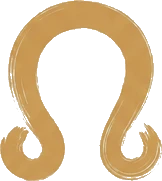 North Node in your chart to identify karmic patterns related to family and home: if your North Node is in a sign or house that encourages independence, prioritize your own needs over family obligations at least once a week.
 South Node in your chart to release karmic patterns of over-nurturing others: if your South Node is in
Conclusion
The path of integrating this aspect is a journey from the shadow of hiding both craft and emotion, to the highest expression of using your mastery to build sanctuaries for yourself and others. The individual with this placement is a hidden architect of emotional safety, whose work is often unseen but forms the foundation of their family’s and community’s well-being. The key to integration is to recognize that your craft is not just a chore or a hobby, but a sacred karmic gift that allows you to transform pain into nurture, and create lasting safety in a chaotic world. When you stop hiding your work and your feelings, you become a source of healing for everyone around you, turning the raw material of human emotion into the enduring structures of love, home, and belonging.
This article was prepared by the [Astrobot](https://astrobot.chat) editorial team — your personal astrological assistant. The material is based on classical and modern astrological sources.

 Pisces. It creates a lifelong inner tension between the desire for unapologetic personal autonomy and the quest for universal spiritual or philosophical meaning, often manifesting as a pull to explore marginalized, forbidden, or suppressed systems of belief. The individual has an innate gift for perceiving hidden truths behind established dogma, but risks falling into escapism, self-deception, or self-sabotage if they cannot ground their mystical insights in practical reality. The core path of integration is to embrace the exiled parts of the self as a source of liberating wisdom, rather than a source of shame, and to use their unique perspective to challenge oppressive systems with compassion and courage.