 Planet Overview
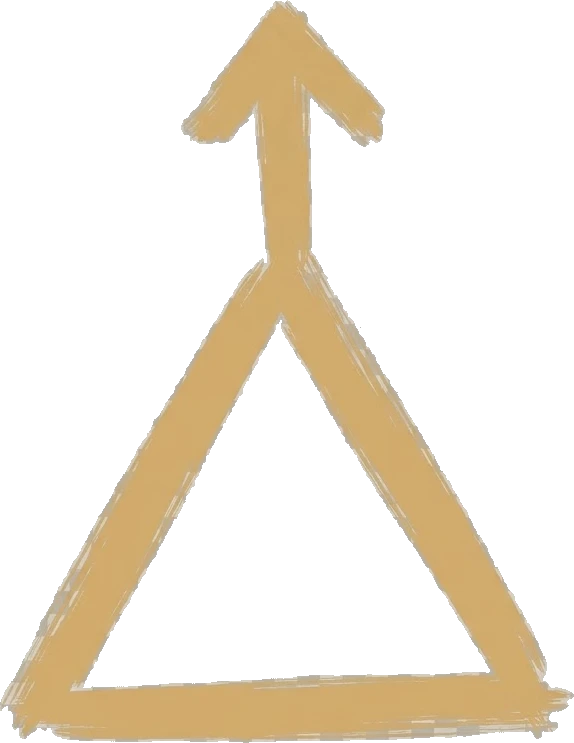 Vulcan
 Pisces
Introduction
This placement represents one of the natal chart’s most subtle yet powerful lifelong knots: the fusion of Vulcan, the hidden planet of deliberate will, sacred craft, and inner alchemy, with Pisces, the final water sign of boundary dissolution, collective compassion, and mystical intuition. Unlike more visible planetary pairings, this combination often operates below the threshold of conscious awareness for the first half of the native’s life, emerging as a core life purpose only as the individual matures and steps into their unique calling. It is not a placement for individual achievement or material power; it is a lifelong invitation to bridge the gap between the unseen realms of spirit and the tangible world of form, using the native’s unique creative skill to serve the collective good.
The Nature of the Aspect
This is an immersion placement, where Vulcan’s core function is fully saturated by Piscean energy, creating a fused, inseparable dynamic equivalent to a tight conjunction, as the planet’s entire expression is filtered through the sign’s 30-degree arc with no separation between the two energies. The orb of the placement is irrelevant here, as Vulcan is entirely contained within Pisces’ elemental and archetypal realm. If Vulcan falls within 3° of the natal Sun, it is in causal combustion: its will is subsumed by the solar identity in early life, emerging only as the native matures and steps into their unique creative purpose; with a wider orb, Vulcan tints the solar self with a quiet, spiritual craftsmanship, making the native’s core identity tied to manifesting unseen, ethereal visions into tangible form. For retrograde Vulcan in this placement, the karmic dimension is amplified: the native carries unfinished past-life work related to sacred craft, healing, or spiritual teaching, and may find that their creative work takes on deeper, more collective meaning as they age, as they work through these karmic themes through their craft. Hard aspects from Saturn or Mars to natal Vulcan in Pisces can amplify shadow risks of self-doubt and burnout, while harmonious aspects from Jupiter or Venus can amplify the native’s ability to manifest abundance and healing through their work.
 Sun, it is in causal combustion: its will is subsumed by the solar identity in early life, emerging only as the native matures and steps into their unique creative purpose; with a wider orb, Vulcan tints the solar self with a quiet, spiritual craftsmanship, making the native’s core identity tied to manifesting unseen, ethereal visions into tangible form. For retrograde Vulcan in this placement, the karmic dimension is amplified: the native carries unfinished past-life work related to sacred craft, healing, or spiritual teaching, and may find that their creative work takes on deeper, more collective meaning as they age, as they work through these karmic themes through their craft. Hard aspects from
 Saturn or
 Mars to natal Vulcan in Pisces can amplify shadow risks of self-doubt and burnout, while harmonious aspects from
 Jupiter or
 Venus can amplify the native’s ability to manifest abundance and healing through their work.
Symbolism and Mythology
Vulcan, the divine smith of Roman myth (Hephaestus to the Greeks), is the archetype of deliberate, skilled will, inner fire, and transformative craft. He forges raw, unshaped material into functional, beautiful forms from the hidden depths of his volcanic workshop, embodying the power of patient, disciplined work to transform both the self and the material world. Pisces, the final sign of the zodiac, is the archetype of boundary dissolution, collective compassion, mystical intuition, and the ability to navigate between the tangible and unseen realms, represented by the two fish bound by a cord, swimming between the surface of the material world and the depths of the unconscious.
The mythological image of their meeting is one of quiet, sacred fusion: the divine smith does not fight the ocean, nor does the ocean extinguish his forge. Instead, he uses the water to temper his metal, creating tools that can dive to the deepest trenches of the collective psyche, heal unspoken wounds, and translate the dreams and visions of the deep into forms that can be held, used, and shared with others. This pairing echoes the archetype of the sacred artisan, the healer who anchors mystical insight in disciplined craft, and the mystic who serves the collective through tangible, purposeful creation.
The Principles of the Planets in the Chart
Vulcan in the Chart
Vulcan is the archetype of deliberate, skilled will, inner alchemy, and sacred craft. It governs the ability to shape raw material — both external resources and inner character — into functional, meaningful forms through patient, disciplined effort. Often operating below the threshold of conscious awareness, Vulcan represents the "hidden smith" within the psyche that forges resilience, talent, and purpose in secret, away from the gaze of others. In the natal chart, it points to the native’s unique creative skill, their ability to transform obstacles into opportunities, and their capacity for inner work that leads to lasting personal growth. In Pisces, this drive to shape and create is filtered entirely through a compassionate, intuitive, service-oriented lens, losing its sharp focus on individual achievement to prioritize collective good.
Pisces as the Sign of Expression
Pisces is the final sign of the zodiac, ruled classically by Jupiter and modernly by Neptune, embodying the energy of boundary dissolution, collective compassion, mystical intuition, and transcendence of the material ego. It is the sign of the mystic, the healer, the artist, and the empath, with a natural affinity for the unseen realms of the collective unconscious, spiritual practice, and service to others. Planets placed in Pisces are filtered through this permeable, intuitive lens, losing their sharp, individual edges to merge with universal, collective energy. For Vulcan, this means its drive to create is no longer focused on personal glory or material gain, but on translating the unspoken needs of the collective into tangible form.
 Neptune, embodying the energy of boundary dissolution, collective compassion, mystical intuition, and transcendence of the material ego. It is the sign of the mystic, the healer, the artist, and the empath, with a natural affinity for the unseen realms of the collective unconscious, spiritual practice, and service to others. Planets placed in Pisces are filtered through this permeable, intuitive lens, losing their sharp, individual edges to merge with universal, collective energy. For Vulcan, this means its drive to create is no longer focused on personal glory or material gain, but on translating the unspoken needs of the collective into tangible form.
The Combined Influence
The fusion of Vulcan and Pisces creates a single, inseparable life scenario: the native is here to translate the unspoken dreams, wounds, and visions of the collective into tangible, functional forms that serve the greater good. This is not a placement for individual achievement or material power; it is a calling to sacred craft, where the native’s skill is a tool for healing, inspiration, and spiritual connection. The Vulcan drive to shape and create is softened and expanded by Piscean compassion, so the native does not create for personal glory, but to meet a need they sense in the world around them, often before that need is even voiced by others. If Jupiter is placed in the 10th house alongside Vulcan, the native may gain widespread recognition for their work, as Jupiter amplifies the reach and impact of their craft. If Saturn is placed in the 4th house, the native may feel a karmic calling to restore ancestral homes or create work that honors their family lineage, as Saturn ties the craft to ancestral duty.
Expression in Sign and House
The mutable, watery energy of Pisces colors every expression of this placement, making the native’s craft adaptive, compassionate, and deeply intuitive, regardless of house placement. The three decans of Pisces further refine this expression:
- First decan (0°–10° Pisces, ruled by Saturn): The Vulcan drive to create is tempered by Saturnian discipline and a sense of karmic responsibility. Natives with this placement often feel a deep, unshakable calling to create work that addresses collective trauma, healing, or spiritual growth. They may struggle with self-doubt and fear of failure early in life, but their craft gains depth and resonance with age, as they learn to anchor their visions in disciplined, consistent work. They are often drawn to traditional crafts, restoration work, or healing modalities that require patience and long-term commitment.
- Second decan (10°–20° Pisces, ruled by Jupiter): The Vulcan drive is expanded by Jovian optimism and a desire to serve the greater good. Natives with this placement have a natural talent for creating work that uplifts, inspires, and brings joy to others. They are often drawn to artistic fields, teaching, or spiritual leadership, where their craft can reach a wide audience. They may struggle with overextending themselves, taking on too many projects or absorbing others' pain through their work, but their natural generosity and ability to manifest abundance through their skill often leads to material and spiritual success.
- Third decan (20°–30° Pisces, ruled by Mars): The Vulcan drive is energized by Martian initiative and a willingness to take risks for their vision. Natives with this placement are often drawn to activist work, emergency healing, or creative projects that challenge the status quo and address systemic injustice. They may struggle with burnout, as their drive to create change can lead them to overwork and neglect their own needs, but their courage and ability to turn vision into action makes them powerful agents of collective change.
The house placement of Vulcan defines the arena where this fusion of craft and compassion plays out:
- 1st house: The native’s identity is tied to their creative skill and spiritual service; they are seen by others as a gentle, intuitive artisan, healer, or mystic, and their personal style reflects their ability to merge beauty and function.
- 4th house: The native’s creative work is tied to their home, family, and ancestral lineage; they may restore old family homes, create art that honors their heritage, or work as healers serving their local community.
- 8th house: The native’s craft is tied to transformation, healing trauma, and working with the unseen realms of death, rebirth, and shared resources; they may be drawn to psychotherapy, end-of-life care, occult practice, or financial work that serves marginalized communities.
- 10th house: The native’s career is centered on sacred craft, spiritual teaching, or healing; they may gain recognition for their ability to translate mystical insight into tangible, widely impactful work, and may face karmic tests around using their skill for personal gain versus collective service.
Combined Influence across Positions
Regardless of house or decan placement, the core dynamic remains: the native’s skill is a tool for service, and their greatest fulfillment comes from using their craft to meet the unspoken needs of the collective, rather than pursuing personal ambition or material gain. The tighter the orb of any aspects Vulcan makes to other planets, the more that dynamic is modified: a harmonious aspect to Jupiter amplifies their ability to manifest abundance through their service, while a hard aspect to Saturn may bring karmic obstacles that force them to develop discipline and resilience in their craft.
Differences Between the Male and Female Chart
The Male Chart
1. The native often feels a tension between societal expectations of masculine assertiveness, material achievement, and individual power, and his innate Piscean drive to serve, merge, and create for the collective rather than personal gain. He may struggle with feeling "less than" other men if his craft is seen as soft, intuitive, or service-oriented, and may need to consciously reject the idea that skill must be tied to dominance or material success.
2. His Vulcan drive to shape and create is often expressed through large-scale, public projects: he may be a builder of community spaces, a teacher of spiritual craft, a healer working with marginalized groups, or an artist whose work addresses collective trauma. He may be drawn to traditionally "masculine" crafts (carpentry, metalwork, engineering) but infuse them with Piscean compassion, creating work that is both functional and healing.
3. Shadow risk: he may use his craft as a form of escapism, hiding from personal emotional work or relational responsibility by throwing himself into his projects, or he may sacrifice his own needs to serve others to the point of burnout, feeling resentful that his service is not recognized or rewarded in the way he expects.
The Female Chart
1. The native often feels a tension between societal expectations of feminine nurturing, self-sacrifice, and putting others' needs first, and her innate Vulcan drive to develop her own unique skill, assert her creative will, and create work that is recognized for its own merit, not just its service to others. She may struggle with guilt when she prioritizes her own creative projects over caring for others, and may need to consciously reframe her craft as a form of service in itself, rather than a selfish pursuit.
2. Her Vulcan drive is often expressed through intimate, relational craft: she may be a healer working one-on-one with clients, a textile artist creating pieces that carry emotional and spiritual meaning for their owners, a writer of poetry or fiction that explores the inner lives of others, or a teacher of intuitive craft to marginalized groups. She may be drawn to traditionally "feminine" crafts (weaving, baking, herbalism) but elevate them to the level of sacred art through her Piscean intuition.
3. Shadow risk: she may lose herself in merging with others' needs, abandoning her own creative vision to create work that pleases others rather than fulfilling her own inner calling, or she may use her craft as a way to avoid confronting her own emotional pain, hiding behind the role of the "helpful healer" rather than doing her own inner work.
Psychological Portrait
The native with this placement is quiet, intuitive, and deeply compassionate, with a quiet, unassuming strength that is often overlooked by others until they encounter the native’s work. They are highly perceptive, able to sense the unspoken emotions and needs of others, often before the other person is aware of them themselves. They are adaptable, able to adjust their craft to meet the needs of the situation, but can be indecisive when faced with too many options, as they can sense the validity of multiple paths and struggle to choose the "right" one.
Their core motivation is to serve the collective, to translate the unspoken dreams and wounds of the world into forms that heal, inspire, or bring comfort. They are not motivated by personal fame or material gain, though they may achieve both if their work resonates widely. They are driven by a deep, often unspoken sense of purpose, a feeling that they have a unique skill that is needed in the world, even if they cannot always articulate what that skill is.
Their greatest fear is that their skill is not enough, that their work is meaningless, or that they are wasting their unique gift by not using it to serve others. They also fear losing their boundaries, merging so completely with the collective or with others' pain that they lose their own sense of self and agency. They may fear being seen, as they worry that their work will be judged as irrelevant, too weird, or not "practical" enough.
Their self-esteem is tied directly to their ability to create meaningful, useful work that serves others. When they are actively engaged in their craft, they feel confident, grounded, and purposeful; when they are blocked or unable to create, they may feel lost, worthless, or adrift. They often do not recognize their own skill, as they take their intuitive ability to shape and create for granted, so they need external validation to recognize their own worth.
Their style of thinking is image-based, symbolic, and associative, rather than linear and logical. They are highly imaginative, able to connect seemingly unrelated ideas and visions to create something new and meaningful, but can get lost in fantasy if they do not have a disciplined creative practice to anchor their visions. They are not interested in abstract theory for its own sake; they want to apply their ideas to real-world problems, to create work that has a tangible impact.
In attachment, they form deep, empathetic bonds with others, often feeling others' emotions as if they were their own. They are loyal, caring, and supportive, but can become overly enmeshed in others' lives, taking on others' problems as their own. They need to learn to set boundaries, to separate their own energy from the collective, in order to avoid burnout and maintain their own sense of self. They are often drawn to partners who are grounded, practical, and can help them stay anchored in the material world, while they bring intuition and creative vision to the relationship.
Spheres of Life
Career
The native’s career is always tied to their unique creative skill and their desire to serve the collective. They thrive in fields that allow them to translate ethereal visions, intuitive insights, or compassionate impulses into tangible, functional forms. Ideal careers include artist (especially poets, musicians, filmmakers, and visual artists who explore spiritual or collective themes), healer (especially energy healers, therapists, end-of-life care workers, and holistic health practitioners), craftsperson (especially woodworkers, metalworkers, textile artists, and restoration specialists who create functional, beautiful objects), spiritual teacher or guide, writer (especially of fiction, poetry, or spiritual nonfiction), and worker in fields related to water or the ocean (fisher, marine biologist, sailor, conservationist). They may struggle in corporate or highly competitive environments that prioritize individual achievement and material gain over collective good, as they will feel drained and unfulfilled if their work does not serve a higher purpose, especially if Mars makes a hard aspect to their natal Vulcan. They thrive in environments that allow for autonomy, quiet focus, and the freedom to follow their intuition.
Relationships
In relationships, the native is deeply empathetic, supportive, and devoted, with a natural ability to sense their partner's unspoken needs and desires. They are romantic, idealistic, and often have a strong desire for a soulmate connection that transcends the material world. However, they may struggle with boundaries, merging so completely with their partner that they lose their own sense of self, or taking on their partner's problems as their own. They may also attract partners who are emotionally unavailable or who take advantage of their generosity and compassion, as their natural tendency to serve can be exploited by others. They thrive in relationships with partners who are grounded, practical, and respectful of their need for solitude and creative time, and who encourage them to prioritize their own needs and creative goals. They are deeply loyal and committed, and will go to great lengths to support their partner's growth and well-being.
Finances
The native’s relationship with money is often tied to their sense of purpose and service. They are not naturally motivated by material gain, and may struggle with budgeting or financial planning if they do not have a system in place to manage their resources. However, they often attract abundance through their craft, as their ability to create meaningful, useful work that serves others often leads to financial reward, especially if they have a harmonious aspect to Jupiter or Venus. They may have unexpected sources of income, such as inheritances, gifts, or income from work related to water, travel, or the occult. They are generous with their money, often giving to charity or supporting others in need, and may struggle with saying no to requests for financial help from others. They thrive when they align their financial goals with their purpose: for example, setting aside a portion of their income to support their creative practice or to give to causes they care about, rather than focusing on accumulating wealth for its own sake.
Health (Psychosomatic Tendencies)
The native’s health is closely tied to their emotional and energetic boundaries, as their Piscean permeability makes them highly susceptible to absorbing the stress, pain, and negative energy of others. Common psychosomatic tendencies include chronic fatigue or burnout from overextending themselves to serve others, immune system issues from absorbing collective or others' emotional stress, foot or leg issues (Pisces rules the feet, and Vulcan’s forge energy can manifest as inflammation or injury in these areas if the native is not grounded), and mood disorders such as depression or anxiety from feeling overwhelmed by the collective pain they sense around them. They are also prone to escapism through alcohol, drugs, or excessive fantasy, which can lead to addiction or physical health issues if left unchecked. They thrive when they have a regular grounding practice (such as walking barefoot in nature, yoga, or meditation) that helps them release absorbed energy, and when they set clear boundaries with others to protect their own energetic space. Monitor the transits of Neptune and Saturn to your 6th house and natal Moon; hard aspects from these planets can signal periods of increased risk of burnout or illness from overextending yourself.
 Moon; hard aspects from these planets can signal periods of increased risk of burnout or illness from overextending yourself.
Challenges and Gifts
Shadow Sides
1. Escapism and avoidance: The native may use their craft, fantasy, or spiritual practice as a way to avoid confronting difficult personal emotions, relational conflicts, or material responsibilities. They may retreat into their inner world rather than dealing with the messy, practical demands of daily life, leading to stagnation and unfulfilled potential.
2. Loss of personal agency: The native’s strong empathy and desire to serve can lead them to merge completely with others' needs, abandoning their own goals, desires, and sense of self to take care of others. They may feel resentful and powerless, as they have given away their agency to others without realizing it.
3. Ungrounded fantasy: The native’s rich imagination and intuitive vision can lead them to pursue unrealistic, unachievable goals, or to abandon disciplined craft in favor of unactionable fantasy. They may have many brilliant ideas but never follow through on them, leading to a sense of wasted potential and frustration.
4. Martyrdom and self-sacrifice: The native may adopt a "martyr" mindset, believing that they must suffer or sacrifice their own needs to serve others, and may resent others who do not make the same sacrifices. They may also attract people who exploit their generosity, as they have difficulty saying no to requests for help.
5. Psychic overwhelm: The native’s high permeability and intuitive ability can lead them to be constantly bombarded by the emotions, thoughts, and pain of the collective, leading to chronic anxiety, depression, or physical illness if they do not learn to set energetic boundaries.
Bright Sides
1. Sacred craft and manifestation ability: The native has a rare, innate ability to translate ethereal visions, intuitive insights, and compassionate impulses into tangible, functional forms that heal, inspire, and uplift others. Their work carries a unique energetic resonance that touches people on a deep, often unconscious level, making it far more impactful than work created by others without this aspect.
2. Healing and empathic ability: The native has a natural gift for healing, both for themselves and others. They can sense unspoken wounds and emotional pain, and their creative work often carries a healing energy that helps others process their own trauma. They may have natural psychic or mediumistic abilities, and can use these gifts to guide and support others on their spiritual journeys.
3. Adaptability and creative problem-solving: The native’s mutable Piscean energy combined with Vulcan’s skill makes them highly adaptable, able to adjust their craft to meet the needs of any situation. They can find creative solutions to problems that others cannot see, as they are able to access intuition and collective insight that is not available to more logical, rigid thinkers.
4. Spiritual connection and purpose: The native has a deep, innate connection to the spiritual realm, and a clear sense of purpose that is tied to serving the collective. They do not need to search for meaning in life; their meaning comes from their creative work and their service to others, giving them a sense of stability and fulfillment that many others lack.
5. Ability to work with marginalized groups: The native’s compassion and lack of judgment make them naturally suited to working with people who are excluded or marginalized by society, such as the poor, the sick, the incarcerated, or those who are spiritually ostracized. Their craft can be a powerful tool for empowering these groups and giving them a voice.
Practical Recommendations
| Sphere | Advice | Astrological Tool |
|---|---|---|
| Career | Prioritize work that aligns with your core purpose of service, rather than pursuing high-paying roles that feel empty or exploitative. Seek out roles that allow you to use your craft to heal, inspire, or support marginalized communities. | Focus on the 10th house cusp and its ruler in your natal chart; choose career paths that align with the sign and house placement of your natal Vulcan. |
| Relationships | Practice setting clear boundaries with partners, friends, and family to avoid merging with others' needs and losing your own sense of self. Schedule regular alone time to recharge your energetic reserves and focus on your own creative goals. | Work with the 7th house cusp and its ruler; avoid relationships with partners who are overly dependent or who exploit your generosity. |
| Finances | Create a simple, consistent budgeting system that allocates a portion of your income to your creative practice and to charitable causes you care about, aligning your financial choices with your values. Avoid lending money to others unless you can afford to lose it, as you are prone to overextending yourself to help others. | Track the transits of Jupiter and Venus to your 2nd house and natal Vulcan; these are periods of increased financial abundance through your craft, so prioritize marketing and sharing your work during these times. |
| Health | Establish a daily grounding practice (e.g., walking barefoot in nature, yoga, meditation) to release absorbed collective and others' emotional energy. Avoid excessive alcohol or drug use, as these will further weaken your energetic boundaries and increase your risk of addiction. | Monitor the transits of Neptune and Saturn to your 6th house and natal Moon; hard aspects from these planets can signal periods of increased risk of burnout or illness from overextending yourself. |
| Creative Practice | Commit to a regular, disciplined creative practice, even when you do not feel inspired. Vulcan’s forge energy requires consistent work to refine your skill and turn your visions into tangible form; avoid waiting for inspiration to strike before creating. | Work with your natal chart’s mutable cross ( Gemini, Virgo, Sagittarius, Pisces) to identify the best times for creative work; these signs’ energy supports adaptive, intuitive creation. |
| Spiritual Growth | Develop a regular spiritual practice that helps you connect with your own inner fire and sense of self, separate from the collective. Practices such as journaling, breathwork, or working with fire (e.g., candle magic, spending time in sunlight) can help you strengthen your personal boundaries and avoid merging with the collective unconscious. | Track the transits of the Sun to your natal Vulcan; these are periods of increased clarity about your unique creative purpose and spiritual path. |
| Boundaries | Practice saying no to requests that do not align with your values or that will drain your energetic reserves. Learn to distinguish between your own emotions and the emotions you have absorbed from others, using practices such as cord-cutting or energetic shielding to protect your space. | Work with the 1st house and its ruler to strengthen your sense of self; the 1st house is the arena of personal identity and agency, which is often weakened by this aspect due to Piscean permeability. |
| Personal Fulfillment | Celebrate your creative achievements, even small ones, and recognize that your skill is a unique gift that the world needs. Avoid comparing your work or path to others, as your calling is unique to your specific combination of craft and compassion. | Track the progress of your natal Vulcan through secondary progressions; periods when progressed Vulcan makes harmonious aspects to your natal Sun or Moon will signal periods of increased creative fulfillment and recognition of your work. |
 Gemini,
 Virgo,
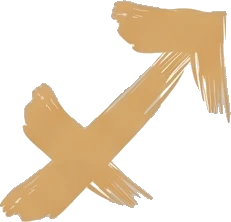 Sagittarius,
Conclusion
The path of integrating Vulcan in Pisces moves from the shadow of escapism, self-sacrifice, and ungrounded fantasy to the highest expression of the sacred artisan: a person who uses their unique, intuitive skill to serve the collective, translate the unspoken dreams of the world into tangible form, and bridge the gap between the material and spiritual realms. The native’s lifelong work is to learn to anchor their inner fire to disciplined, grounded practice, without extinguishing their intuitive, Piscean connection to the collective. They must learn to set clear boundaries, to prioritize their own creative needs, and to recognize that their skill is not a burden to be used only for others, but a gift that is meant to be shared with the world. When fully integrated, this aspect produces some of the world’s most powerful healers, artists, mystics, and craftspeople: people whose work touches the hearts of millions, who bring comfort to the suffering, and who leave a lasting, meaningful legacy of service and beauty that outlasts their physical lifetime.
This article was prepared by the [Astrobot](https://astrobot.chat) editorial team — your personal astrological assistant. The material is based on classical and modern astrological sources.
